
Why Does the Price of Insulating Paperboard Vary?
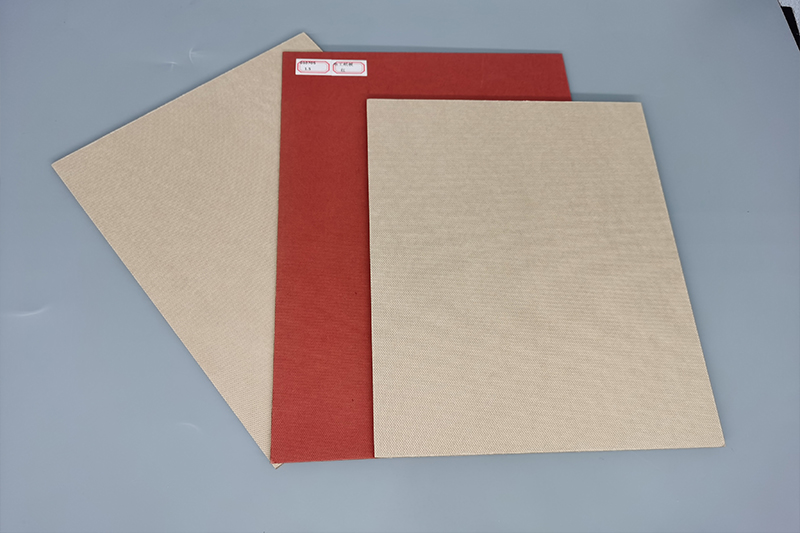
Insulating paperboard is a key insulation material used in transformers, motors, electrical devices, and other power-electronics equipment. Its quality directly determines the insulation reliability and service life of the equipment. During procurement, buyers often find that the price of the same type of insulating paperboard can vary by tens to hundreds of yuan. This article analyzes the causes of these price differences from the perspectives of raw materials, performance, manufacturing processes, specifications, and market factors, providing useful guidance for buyers.
1.Raw Material Costs
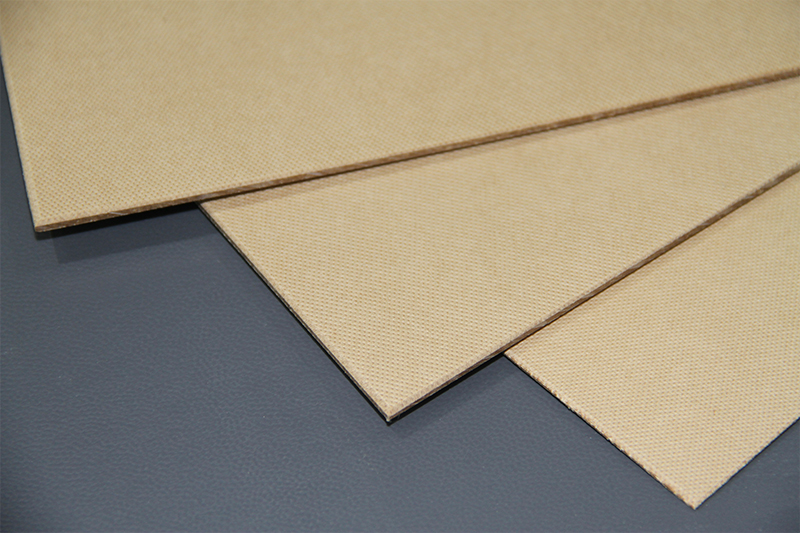
Raw material cost is the most important factor affecting the price of insulating paperboard. Key differences include:
Base Material Type: Kraft paper, sulfate paper, mica paper, and other base materials vary in market price.
Fiber Purity: High-purity cellulose fibers are more expensive and result in better insulation performance.
Material Origin: Imported specialty pulp is generally more expensive than domestic pulp.
Environmental Properties: Eco-friendly materials—such as recyclable or halogen-free options—can increase production costs by 15%–30%.
2.Performance Grade
The thermal, dielectric, and mechanical properties of insulating paperboard directly determine its price. Key performance differences include:
Thermal Class: Such as Class A, Class E, Class F, etc.
Dielectric Strength: Whether it meets requirements for high-voltage applications.
Moisture Resistance & Dimensional Stability
Density & Compressive Strength
High-strength and high-thermal-class insulating paperboard is suitable for critical components in transformers, instrument transformers, and other core devices, and naturally comes with a higher production cost.
3.Manufacturing Process
The production of insulating paperboard involves multiple steps such as pressing, heat treatment, impregnation, and drying. The level of process refinement is directly correlated with the final price:
High-density pressing: The step produces a more compact structure but requires higher energy consumption and longer production time, thus increasing the cost.
Deep dehydration and drying: The step enhances dielectric performance but consumes more energy, leading to higher production expenses.
Surface treatment / resin impregnation: The step improves moisture resistance and heat resistance. However, it requires additional materials and specialized equipment, increasing the cost.
High-end insulating paperboard with complex manufacturing processes is mainly used in medium- and high-voltage transformers, where insulation performance requirements are strict.
4.Specifications and Customization Requirements
Product size and customization needs have a direct impact on pricing. Key factors include:
Greater thickness means a higher price
Larger sheet size reduces material utilization, resulting in higher costs
Customized cutting, laser processing, punching, and similar services incur extra charges
If buyers require shaped parts such as slot wedges, spacers, blocks, or press rings, pricing is typically quoted separately based on technical drawings.
5.Brand and Supply Chain
Brand reputation and supply-chain management also influence pricing indirectly:
Brand premium: International brands such as DuPont and 3M typically include a 20%–40% brand premium.
Supply-chain stability: Maintaining a stable supply chain requires additional cost to ensure consistent raw-material availability and quality.
Minimum order quantity (MOQ): Small-batch orders have lower production efficiency, resulting in higher unit prices compared to bulk procurement.
Transportation cost: Geographic distance affects logistics costs. Imported products incur significantly higher cross-border shipping expenses.
6.Market Supply and Demand
As a commodity-type industrial material, insulating paperboard prices fluctuate with market conditions. Major influencing factors include:
Changes in international prices of raw materials such as wood pulp and cotton pulp
Rising energy costs, including coal and electricity
Increased demand due to large-scale power-engineering procurement
Exchange-rate fluctuations affecting imported material costs
Due to these factors, monthly price fluctuations of 3%–10% are considered normal for insulating paperboard.
How to Choose Insulating Paperboard
1. Clarify Requirements:
Determine the required performance grade based on the equipment’s application scenario to avoid purchasing products that exceed actual needs.
2. Verify Data:
Request inspection reports issued by authoritative institutions from the supplier and compare key performance parameters.
3. Calculate Total Cost:
Consider the full lifecycle cost, including installation, maintenance, and replacement.
4. Sample Testing:
Conduct sample trials before bulk procurement to verify product compatibility.
5. Long-term Cooperation:
Sign long-term agreements with high-quality suppliers to secure more favorable pricing.
6. Consider Local Brands:
Domestic high-quality insulating paperboard brands often offer better prices while meeting performance standards.
Buyers should fully understand the factors affecting insulating paperboard pricing and combine this knowledge with their specific needs and budget. Only then can they select a product that offers high reliability, strong safety, and controllable overall cost.
oil immersed transformer lifespan
oil immersed transformer maintenance
transformer lifecycle
transformer insulation aging
dry type transformer temperature monitoring
- more+releated article
- 2026-05-11How Long Does an Oil-Immersed Transformer Last
- 2026-05-08Modern Power System Dry-Type Transformer Insta
- 2026-05-07Oil-Immersed Transformer Overheating: Causes,
- 2026-05-07Dry-Type Transformers for Data Centers: 2026 R
- 2026-04-30Air-Core Reactor vs Iron-Core Reactor: How to
- 2026-04-29Compact Enclosed Transformer for Smart Grid: T
- 2026-04-2812-Pulse and 24-Pulse Phase-Shifting Transform
- 2026-04-27Oil-Immersed Transformers for Industrial Plant
- 2026-04-25Why Dry-Type Transformers Are Preferred for Ho
- 2026-04-24Enclosed Transformer Outdoor Solutions: IP Pro
- ELECTRICAL INSULATION BOARD MATERIALS
- ELECTRICAL INSULATION MATERIALS
- POWER TRANSFORMER
- ENAMELED WIRE
- SWITCHGEAR


transformer insulation aging
transformer lifecycle
oil immersed transformer lifespan
oil immersed transformer maintenance
dry type transformer installation
dry type transformer temperature monitoring
dry type transformer maintenance
dry type transformer sizing
transformer cooling system failure
transformer overheating causes
oil immersed transformer overheating
transformer oil temperature
harmonic mitigation
dry type transformer
K factor transformer
data center transformer
Cast resin transformer
insulation oil degradation
DGA analysis transformer
transformer fault analysis
oil immersed transformer failure
smart grid transformer
compact enclosed transformer
integrated distribution transformer
compact transformer substation