
Low-Voltage Dry-Type Distribution Transformers: Design, Applications, and Benefits
With the continuous upgrading of urban power distribution systems and the growing emphasis on electrical safety in industrial environments, low-voltage dry-type distribution transformers are being widely adopted in modern power networks. Their advantages in safety, reliability, environmental protection, cost efficiency, and ease of maintenance make them an essential component of low-voltage power distribution systems.
Compared with traditional oil-immersed transformers, dry-type transformers eliminate insulating oil and therefore provide superior fire and explosion protection. Their strong environmental adaptability and stable performance have made them a preferred solution for commercial, industrial, and public power distribution projects.
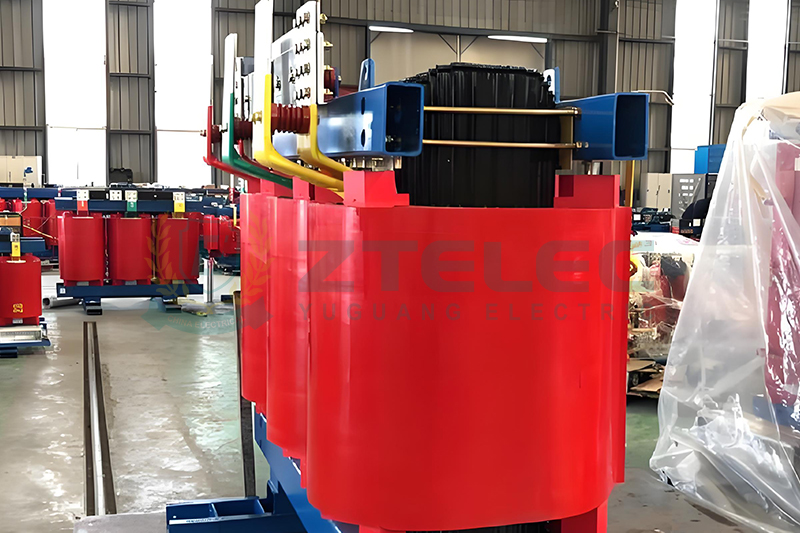
Design Features of Low-Voltage Dry-Type Distribution Transformers
Low-voltage dry-type distribution transformers adopt an oil-free structural design, using air or epoxy resin as the primary insulation medium. This effectively eliminates the risks associated with oil leakage, combustion, and explosion, making these transformers suitable for densely populated areas and locations with strict fire safety requirements.
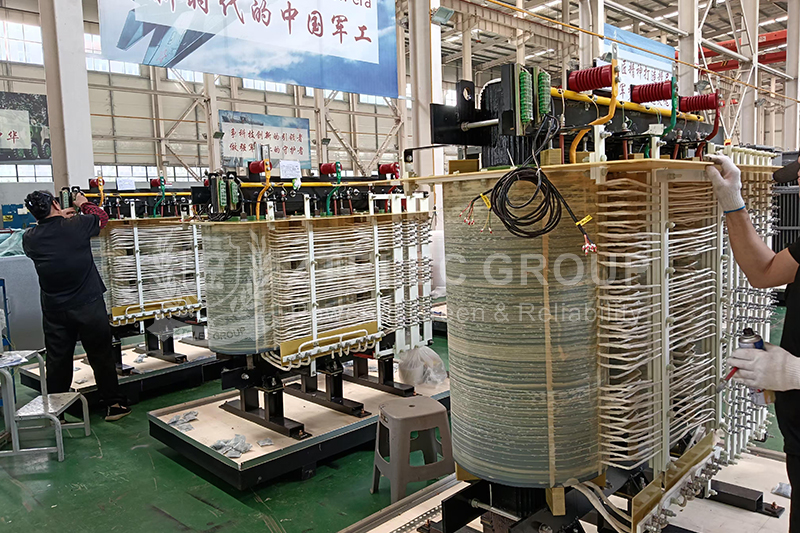
High-performance insulation systems are another key design feature. The windings typically use F-class or H-class insulation materials, including DMD insulation paper, Nomex insulation paper, and FR4 or G10 epoxy fiberglass boards. These materials maintain stable electrical and mechanical performance under high temperatures, extending service life and enhancing operational reliability.
In addition, dry-type distribution transformers feature a compact structure and strong installation flexibility. Their small footprint allows them to be installed in distribution cabinets, basements, or indoor electrical rooms, adapting easily to various low-voltage distribution layouts.
Main Application Areas
In commercial buildings such as shopping malls, office complexes, and hotels, power distribution equipment must operate safely and quietly. Dry-type transformers meet these requirements with their oil-free structure and low operating noise, making them ideal for indoor installation.
Industrial facilities, including manufacturing plants, mines, and marine applications, often involve flammable materials and demanding operating conditions. Dry-type transformers provide excellent flame-retardant performance, significantly improving electrical safety in these environments.
Public infrastructure projects such as subways, airports, hospitals, and data centers require highly reliable and stable power supplies. Low-voltage dry-type distribution transformers are well suited to these applications, ensuring continuous operation and minimizing safety risks.
In renewable energy systems, including solar and wind power distribution networks, dry-type transformers can operate in outdoor or semi-outdoor environments. Their reduced maintenance requirements help lower long-term operating costs for clean energy projects.
Key Benefits of Low-Voltage Dry-Type Distribution Transformers
Safety is one of the most significant advantages of dry-type transformers. The oil-free design greatly reduces fire hazards, and the products typically comply with international and domestic standards such as IEC and GB, making them suitable for export-oriented and high-standard engineering projects.
Maintenance requirements are minimal compared with oil-immersed transformers. Since there is no insulating oil to test or replace, routine maintenance work is simplified, helping users effectively control lifecycle operating costs.
Energy efficiency is another important benefit. Through optimized core materials and winding design, low-voltage dry-type distribution transformers achieve low no-load and load losses, contributing to higher overall efficiency in power distribution systems and supporting energy-saving objectives.
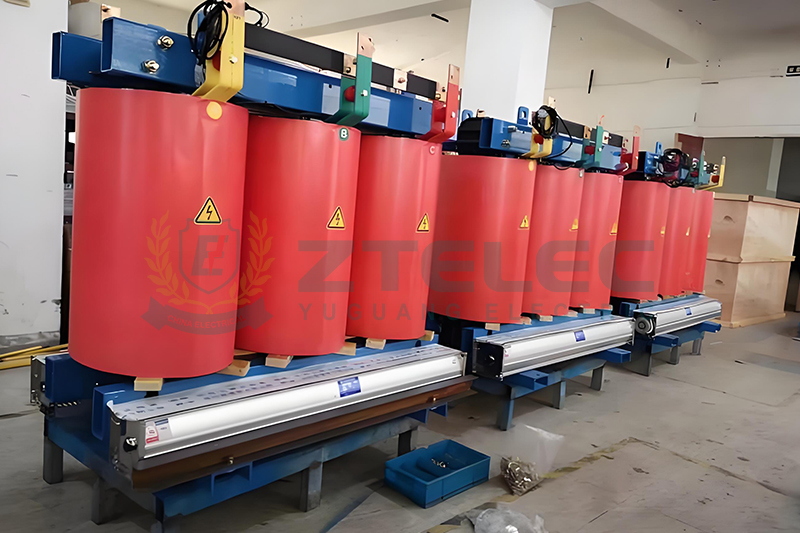
Selection and Application Recommendations
When selecting a low-voltage dry-type distribution transformer, users should carefully evaluate rated capacity and load characteristics, insulation class and temperature rise limits, and installation environment conditions such as ventilation, dust exposure, and humidity levels.
Compliance with international certifications such as IEC and CE should also be considered, especially for overseas projects or applications with strict regulatory requirements. Proper selection not only improves power system stability but also extends equipment service life.
Future Outlook
With their proven advantages in safety, energy efficiency, and adaptability, low-voltage dry-type distribution transformers have become an indispensable part of modern power distribution systems. As smart grids and green buildings continue to develop, their application scope is expected to expand further.
Selecting high-quality dry-type transformers supports power system upgrades, enhances operational safety, and contributes to long-term sustainable development goals.
Get Customized Solutions and Quotes
We provide free preliminary technical consultation and transformer selection support. Please share your specific requirements, including rated capacity, voltage level, installation environment, and energy efficiency standards. Based on extensive industry experience, we will recommend safe, economical, and efficient transformer solutions and provide a competitive and detailed quotation.
oil immersed transformer lifespan
oil immersed transformer maintenance
transformer lifecycle
transformer insulation aging
dry type transformer temperature monitoring
- more+releated article
- 2026-05-11How Long Does an Oil-Immersed Transformer Last
- 2026-05-08Modern Power System Dry-Type Transformer Insta
- 2026-05-07Oil-Immersed Transformer Overheating: Causes,
- 2026-05-07Dry-Type Transformers for Data Centers: 2026 R
- 2026-04-30Air-Core Reactor vs Iron-Core Reactor: How to
- 2026-04-29Compact Enclosed Transformer for Smart Grid: T
- 2026-04-2812-Pulse and 24-Pulse Phase-Shifting Transform
- 2026-04-27Oil-Immersed Transformers for Industrial Plant
- 2026-04-25Why Dry-Type Transformers Are Preferred for Ho
- 2026-04-24Enclosed Transformer Outdoor Solutions: IP Pro
- ELECTRICAL INSULATION BOARD MATERIALS
- ELECTRICAL INSULATION MATERIALS
- POWER TRANSFORMER
- ENAMELED WIRE
- SWITCHGEAR



transformer insulation aging
transformer lifecycle
oil immersed transformer lifespan
oil immersed transformer maintenance
dry type transformer installation
dry type transformer temperature monitoring
dry type transformer maintenance
dry type transformer sizing
transformer cooling system failure
transformer overheating causes
oil immersed transformer overheating
transformer oil temperature
harmonic mitigation
dry type transformer
K factor transformer
data center transformer
Cast resin transformer
insulation oil degradation
DGA analysis transformer
transformer fault analysis
oil immersed transformer failure
smart grid transformer
compact enclosed transformer
integrated distribution transformer
compact transformer substation