
Transformer Production Process: Step-by-Step Manufacturing Overview
Transformers are essential components in power transmission and distribution systems. Their manufacturing quality has a direct impact on power supply safety, system stability, and long-term operating life. Whether for oil-immersed transformers or dry-type transformers, production involves multiple specialized processes supported by strict quality control at every stage.
This article provides a professional, practical explanation of the complete transformer manufacturing process. Each step is described in sequence to help readers gain a clear understanding of how reliable transformers are produced from initial design to final delivery.
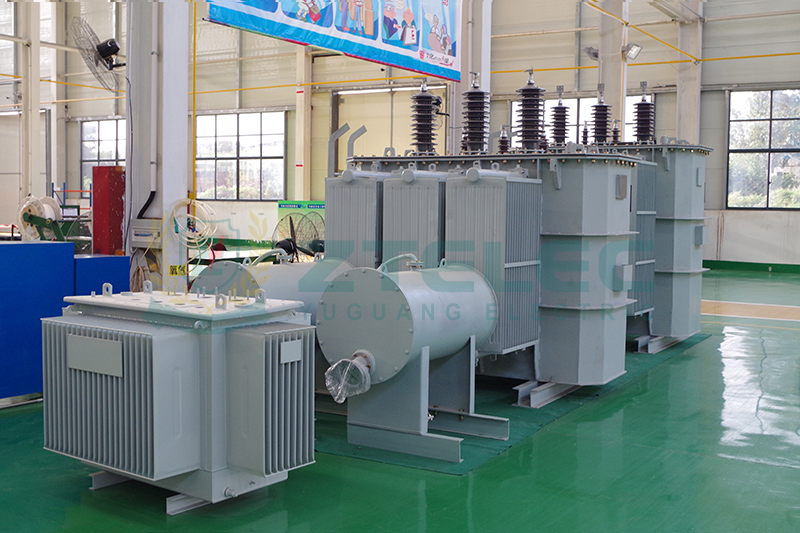
1. Transformer Design and Technical Planning
Transformer production begins with technical design and solution planning. Engineers determine the transformer configuration based on operating conditions, application requirements, and customer specifications.
Key design elements include rated capacity, voltage levels and ratio, number of phases, operating frequency, cooling method, and applicable technical standards such as IEC, IEEE, or GB. At this stage, electromagnetic calculations, insulation coordination, and mechanical structure design are completed to form the technical foundation for manufacturing.
2. Raw Material Preparation and Inspection
High-quality raw materials are fundamental to producing high-performance transformers. Core materials, conductors, insulation components, and insulating media must all meet strict technical requirements.
Silicon steel sheets, including CRGO or CRNGO grades, are used for core construction and have a direct influence on core losses and energy efficiency. Copper or aluminum conductors are selected for windings according to current capacity and cost considerations. Insulation materials such as insulating paper, laminated wood, FR4, or G10 ensure electrical separation and mechanical support.
All incoming materials undergo inspection and verification to confirm compliance with design parameters and relevant standards before being released for production.
3. Core Manufacturing
The transformer core is constructed from laminated silicon steel sheets with high magnetic permeability. Precision processing minimizes eddy current losses and improves overall efficiency.
Silicon steel sheets are cut into specified shapes using laser cutting or precision molds. The laminations are then stacked in an alternating arrangement to form a complete magnetic circuit. Insulation treatment on the core surface reduces short-circuit risks and limits additional energy losses.
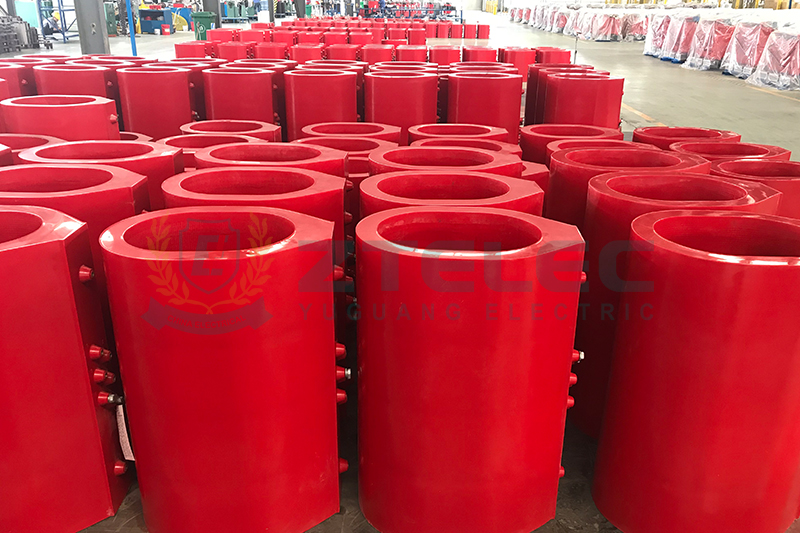
4. Winding Fabrication
Transformer windings serve as the conductive path for electrical energy and are typically made from copper or aluminum wire. Winding accuracy is essential for voltage stability and thermal performance.
Using automated winding equipment, conductors are wound onto insulated formers to create high-voltage and low-voltage windings. Interlayer insulation is applied during winding to maintain electrical isolation. After winding, the coils are dried and cured in controlled conditions to remove moisture and stabilize insulation materials.
5. Insulation Treatment and Final Assembly
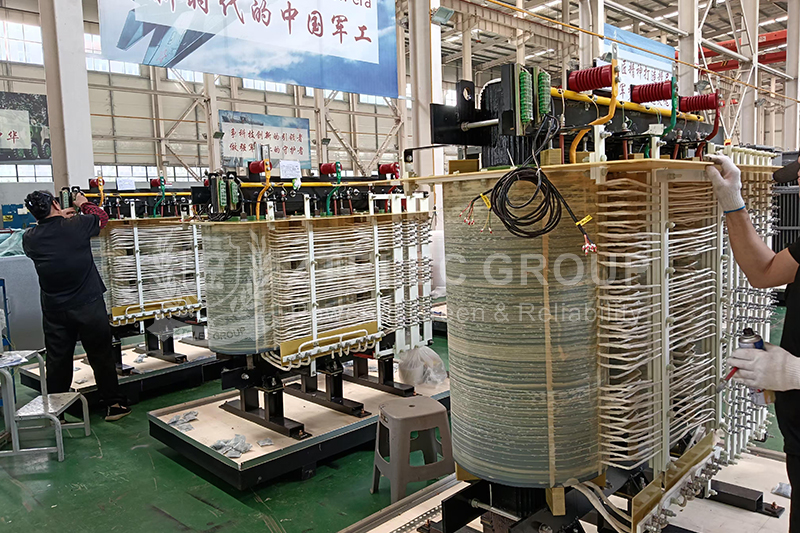
Once the windings are completed, they are assembled with the core and fitted with insulation components such as insulating boards and spacers. The assembly then undergoes drying treatment, using hot air or vacuum methods, to further reduce moisture content.
Proper insulation structure design and execution help suppress partial discharge and significantly extend transformer service life.
6. Vacuum Oil Filling or Resin Casting
Different transformer types require different insulation processing methods. For oil-immersed transformers, vacuum treatment is carried out first, followed by vacuum oil filling. This process removes residual air and moisture, ensuring uniform oil penetration and insulation performance.
For dry-type transformers, vacuum epoxy resin casting is used. The resin is cured under controlled conditions, forming a solid insulation system with high mechanical strength and thermal stability.
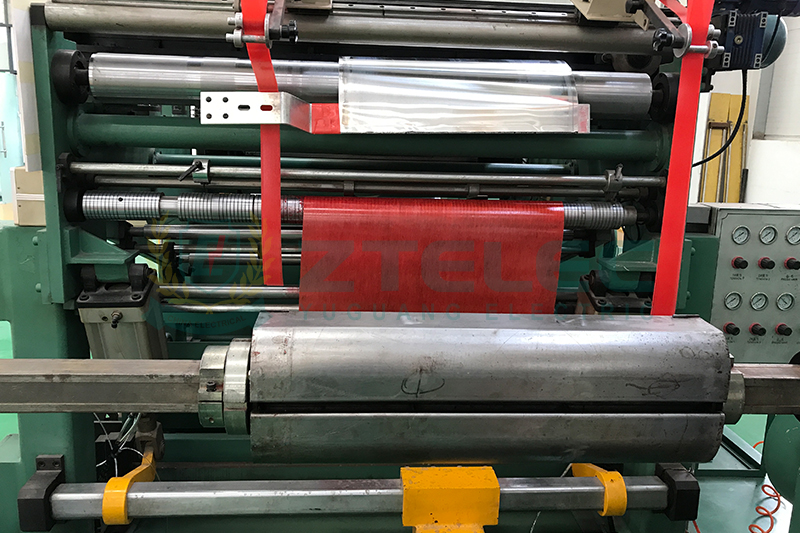
7. Factory Testing and Quality Control
Before delivery, each transformer is subjected to a series of factory tests to verify electrical performance and operational safety.
Common tests include turns ratio measurement, insulation resistance testing, and load loss evaluation under rated conditions. High-voltage transformers may also undergo lightning impulse testing to confirm insulation withstand capability. Partial discharge testing is performed to detect internal defects and ensure long-term reliability.
8. Surface Treatment and Packaging
After successful testing, the transformer surface is cleaned and coated with protective paint to resist corrosion in various operating environments. Nameplates and identification labels are installed to display technical data and safety information.
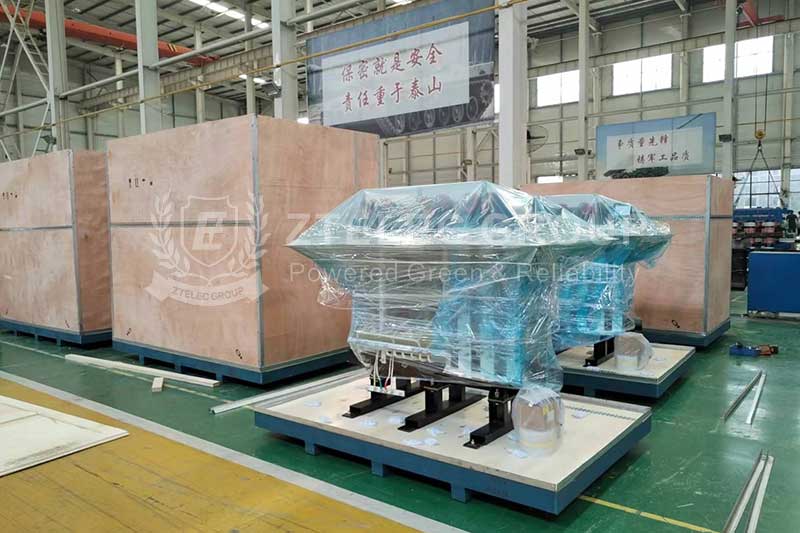
Packaging methods are selected based on transportation requirements, with appropriate shockproof and moisture-resistant protection applied for land or sea shipment.
Transformer manufacturing is a systematic and highly specialized process. From design and material inspection to assembly, insulation processing, and testing, each step plays a decisive role in determining performance and service life.
Selecting an experienced transformer manufacturer with well-controlled production processes is essential for ensuring stable and efficient operation of power systems over the long term.
If you require transformer products or insulation material solutions, please contact us for professional technical support, tailored selection advice, and customized pricing options.
oil immersed transformer lifespan
oil immersed transformer maintenance
transformer lifecycle
transformer insulation aging
dry type transformer temperature monitoring
- more+releated article
- 2026-05-11How Long Does an Oil-Immersed Transformer Last
- 2026-05-08Modern Power System Dry-Type Transformer Insta
- 2026-05-07Oil-Immersed Transformer Overheating: Causes,
- 2026-05-07Dry-Type Transformers for Data Centers: 2026 R
- 2026-04-30Air-Core Reactor vs Iron-Core Reactor: How to
- 2026-04-29Compact Enclosed Transformer for Smart Grid: T
- 2026-04-2812-Pulse and 24-Pulse Phase-Shifting Transform
- 2026-04-27Oil-Immersed Transformers for Industrial Plant
- 2026-04-25Why Dry-Type Transformers Are Preferred for Ho
- 2026-04-24Enclosed Transformer Outdoor Solutions: IP Pro
- ELECTRICAL INSULATION BOARD MATERIALS
- ELECTRICAL INSULATION MATERIALS
- POWER TRANSFORMER
- ENAMELED WIRE
- SWITCHGEAR



transformer insulation aging
transformer lifecycle
oil immersed transformer lifespan
oil immersed transformer maintenance
dry type transformer installation
dry type transformer temperature monitoring
dry type transformer maintenance
dry type transformer sizing
transformer cooling system failure
transformer overheating causes
oil immersed transformer overheating
transformer oil temperature
harmonic mitigation
dry type transformer
K factor transformer
data center transformer
Cast resin transformer
insulation oil degradation
DGA analysis transformer
transformer fault analysis
oil immersed transformer failure
smart grid transformer
compact enclosed transformer
integrated distribution transformer
compact transformer substation