
Manufacturing Process and Quality Standards of Electrical Laminate Wood
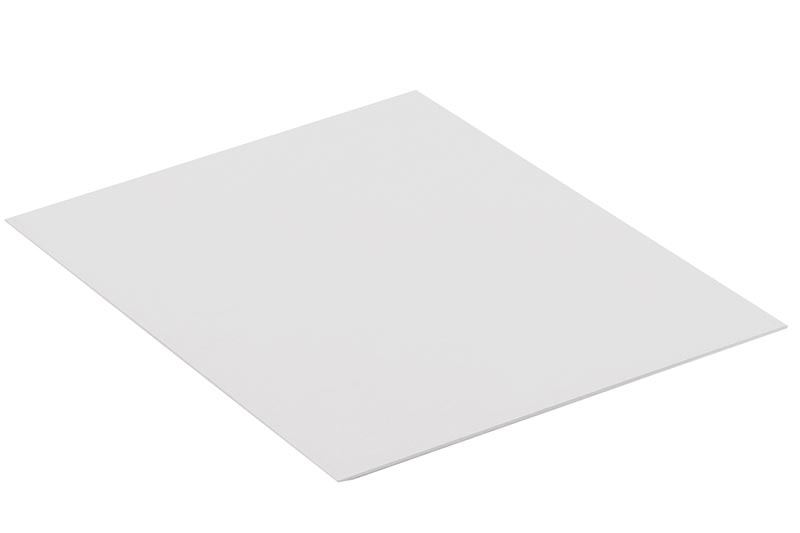
In oil-immersed transformers, reactors, and various high-voltage electrical equipment, electrical laminate wood is widely used in the manufacture of support components, pads, pressure plates, and structural insulation parts due to its excellent mechanical strength, insulation properties, and oil resistance. The precision of its manufacturing process and the strictness of its quality standards directly affect the operational safety and service life of electrical equipment. This article systematically describes the manufacturing process and quality control standards of electrical laminate wood to help purchasing parties and engineering technicians conduct more professional selection and evaluation.
Electrical laminate wood typically uses high-density birch or high-quality hardwood veneers as the base material, which are multi-layered and bonded together using heat- and oil-resistant phenolic resin. The wood used must be screened to ensure uniform fiber structure, absence of decay, insect infestation, and obvious knots, to guarantee the stability and consistency of the final product's performance.
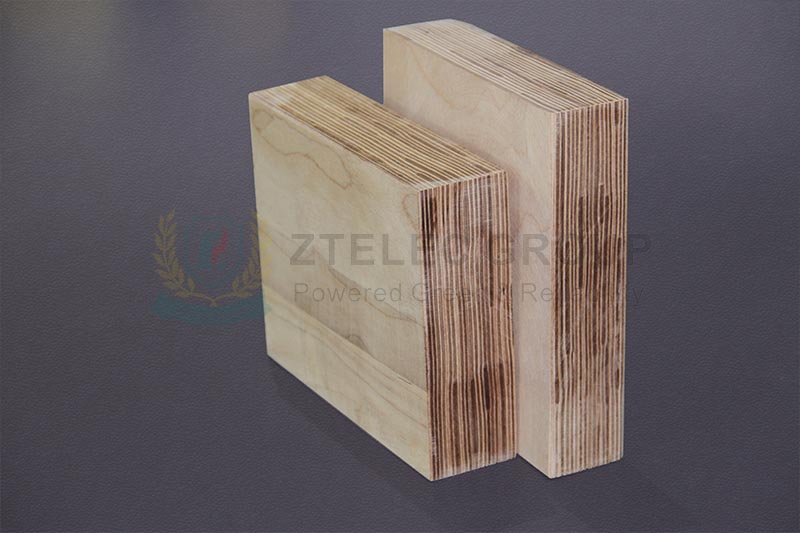
Manufacturing Process Flow of Electrical Laminate Wood
The quality of electrical laminate wood depends on the strict control of each process step. Its standardized manufacturing process can be broken down into the following five key steps:
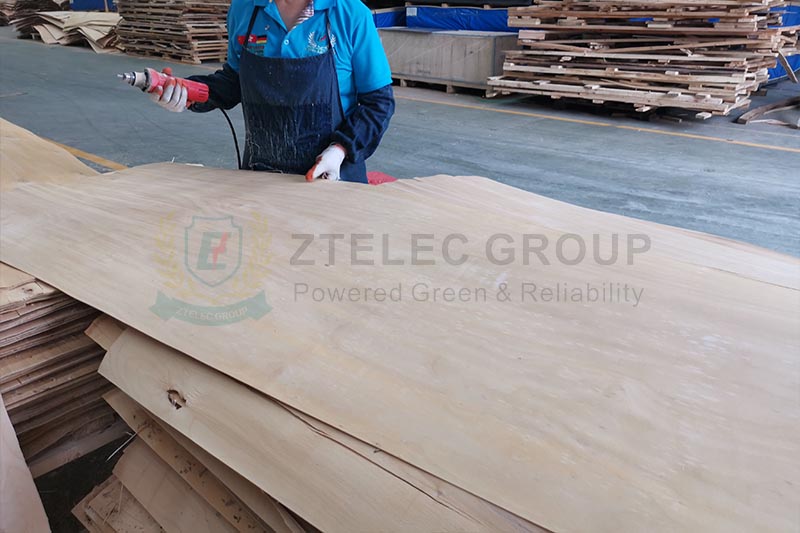
1. Raw Material Selection and Veneer Preparation
Raw materials are selected from linden, beech, or ash woods with straight grain, uniform texture, and few defects. The quality of the raw materials is the fundamental condition determining the performance of the final product.
The logs are rotary-cut into continuous veneers of uniform thickness, with a typical thickness range of 0.3-1.5mm.
The veneers are then dried to ensure their moisture content meets the requirements for resin impregnation.
2. Resin Impregnation
Impregnation:
The dried veneer is passed at a constant speed through an impregnation tank containing a phenolic resin or epoxy resin solution. This is the core process for imparting insulation properties to the material.
Parameter Control:
The concentration and viscosity of the resin solution, as well as the veneer impregnation time, are strictly controlled to ensure that the veneer meets the specified resin content (adhesive application amount) standard.
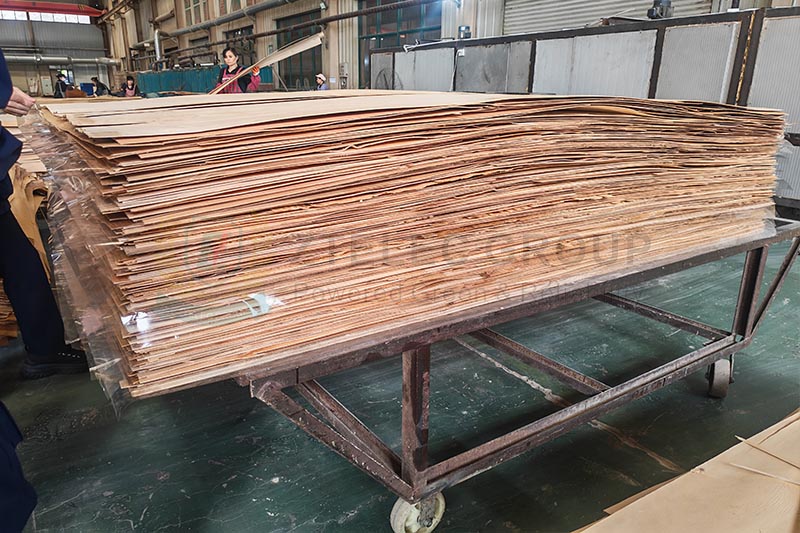
3. Drying and Aging
Pre-drying:
The impregnated veneer is sent to a drying chamber to remove most of the solvent, causing the resin to transform from a liquid state to a semi-cured B-stage state.
Aging:
The pre-dried veneer is placed in a controlled environment to allow the resin to distribute evenly within the veneer, while simultaneously restoring an appropriate volatile content, providing conditions for subsequent hot pressing.
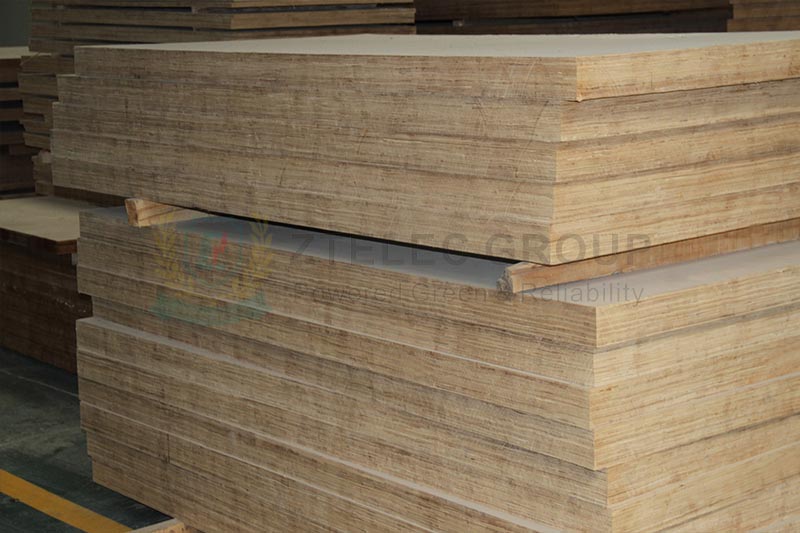
4. Assembly and Hot Pressing
Assembly:
Multiple layers of impregnated veneers are neatly stacked according to the preset stacking direction and finished product thickness. The stacking direction (parallel or perpendicular grain) directly determines the anisotropic mechanical properties of the finished product.
Hot Pressing:
The preforms are placed in a high-temperature, high-pressure hot press. Under precisely controlled temperature, pressure, and holding time parameters, the resin is completely cured, tightly bonding the multi-layer veneers into a dense, monolithic board.
5. Post-processing and Precision Machining
Cooling and Shaping:
After hot pressing, the boards need to be slowly cooled to release internal stress and ensure dimensional stability of the finished product.
Sawing:
Based on the customer's drawings, large-format boards are sawn into blanks of the required specifications, or precision machining such as turning, milling, drilling, and grinding is performed directly to ultimately produce various finished insulation components.
Key Control Points in Electrical Laminate Woods Manufacturing Process
Throughout the entire manufacturing process, four core technical indicators are veneer moisture content control, resin impregnation rate, hot-pressing temperature and pressure curves, and interlayer bond strength. Deviations in any of these parameters will directly affect the oil resistance, compressive strength, and insulation reliability of the laminate.
The cleanliness and temperature/humidity stability of the production environment play a crucial role in the quality of the final product.
Core Quality Standards for Electrical Laminate Woods
The production and inspection of electrical laminate woods must comply with relevant standards such as IEC, GB, and ASTM. Key quality indicators include:
Density uniformity
Compressive strength
Flexural strength
Interlayer shear strength
Oil absorption rate
Electrical breakdown strength
Heat aging resistance
For transformer applications, long-term stability and dimensional change rate in transformer oil must also be considered to prevent component loosening or deformation.
Quality Inspection and Factory Inspection
The following tests are required before shipment:
Visual inspection
Dimensional accuracy measurement
Mechanical performance testing (flexural strength, compressive strength, adhesive strength)
Electrical performance testing (dielectric strength, dielectric loss factor)
Oil immersion test
For applications with high requirements, heat cycling and aging tests can be added to verify the long-term performance of the product.
The manufacturing process and quality standards of electrical laminated wood are crucial for ensuring the safe and stable operation of electrical equipment. Manufacturers that strictly adhere to process control and testing standards can provide reliable electrical laminated wood insulation materials for transformers and high-voltage electrical equipment.
| Contact Us
oil immersed transformer lifespan
oil immersed transformer maintenance
transformer lifecycle
transformer insulation aging
dry type transformer temperature monitoring
- more+releated article
- 2026-05-11How Long Does an Oil-Immersed Transformer Last
- 2026-05-08Modern Power System Dry-Type Transformer Insta
- 2026-05-07Oil-Immersed Transformer Overheating: Causes,
- 2026-05-07Dry-Type Transformers for Data Centers: 2026 R
- 2026-04-30Air-Core Reactor vs Iron-Core Reactor: How to
- 2026-04-29Compact Enclosed Transformer for Smart Grid: T
- 2026-04-2812-Pulse and 24-Pulse Phase-Shifting Transform
- 2026-04-27Oil-Immersed Transformers for Industrial Plant
- 2026-04-25Why Dry-Type Transformers Are Preferred for Ho
- 2026-04-24Enclosed Transformer Outdoor Solutions: IP Pro
- ELECTRICAL INSULATION BOARD MATERIALS
- ELECTRICAL INSULATION MATERIALS
- POWER TRANSFORMER
- ENAMELED WIRE
- SWITCHGEAR

transformer insulation aging
transformer lifecycle
oil immersed transformer lifespan
oil immersed transformer maintenance
dry type transformer installation
dry type transformer temperature monitoring
dry type transformer maintenance
dry type transformer sizing
transformer cooling system failure
transformer overheating causes
oil immersed transformer overheating
transformer oil temperature
harmonic mitigation
dry type transformer
K factor transformer
data center transformer
Cast resin transformer
insulation oil degradation
DGA analysis transformer
transformer fault analysis
oil immersed transformer failure
smart grid transformer
compact enclosed transformer
integrated distribution transformer
compact transformer substation