
Precision FR4 Machined Parts for Electrical Insulation
In power equipment, electronic devices, and industrial control systems, the reliability of electrical insulation directly affects the safety and lifespan of equipment operation. FR4 is a widely used insulating material, and due to its stable electrical properties and high mechanical strength, it is used to manufacture various precision electrical insulation parts, such as insulating supports, partitions, and mounting structures.
This article will introduce the application value of precision FR4 machined parts in the field of electrical insulation from the aspects of material properties, processing advantages, and typical application scenarios.
FR4 Material Properties
FR4 is a laminated composite material made of glass fiber cloth impregnated with epoxy resin. "FR" indicates its flame-retardant properties, meeting the UL94V-0 flame-retardant rating standard.
As an insulating material, FR4 has the following performance characteristics:
♦ Dielectric Properties: Under high-frequency conditions, FR4 maintains stable insulation resistance with minimal change in dielectric constant.
♦ Mechanical Strength: Due to the presence of glass fiber, FR4 material has high rigidity and flexural strength, maintaining structural integrity even in thin-walled structures.
♦ Heat resistance and dimensional stability: This material has a high glass transition temperature, maintaining dimensional stability under temperature variations.
♦ Low moisture absorption: FR4 has low moisture absorption, which helps maintain its insulation properties over long-term use.

FR4 Precision Machining Processes
FR4 sheet or rod can be machined into customized parts with small dimensional tolerances and complex shapes using processes such as CNC milling, drilling, stamping, or laser cutting.
Common machining methods include:
CNC Precision Milling: This machining method is suitable for manufacturing parts with complex shapes, such as irregularly shaped gaskets, insulating frames, and coil bobbins. Machining accuracy can be controlled within ±0.05 mm.
Precision Stamping: This machining method is suitable for mass production of products with simple structures, such as washers and gaskets. It has high production efficiency.
Laser Cutting: This machining method is used for high-precision contour cutting. After machining, FR4 parts have clean edges and are suitable for flexible circuit board reinforcement plates, thin insulating layers in precision sensors, etc.
Drilling and Grooving: This machining method is used to create mounting holes or ventilation slots, facilitating the mating of parts with other components during assembly.
Core Machining Advantages of Precision FR4 Machining
Supports High-Precision CNC Machining
CNC machining enables the machining of complex shapes, ensuring consistency in multi-hole machining and controlling dimensional errors within a small range to meet the precision requirements of equipment assembly.
Stable Surface Quality
Through optimized machining processes, FR4-machined parts have smooth edges and high surface flatness, allowing for direct assembly and reducing subsequent processing steps.
Customization Capabilities
FR4-machined parts used for electrical insulation mostly require custom production based on project drawings. Professional machining services can provide:
Precise machining based on provided drawings, perfectly matching design requirements
Flexible production in multiple specifications and small batches
Rapid prototyping and timely technical confirmation

Main Application Scenarios of Precision FR4 Machined Parts
Power Electronics Equipment:
In devices such as IGBT modules, frequency inverters, and switching power supplies, FR4 machined parts are used as insulating spacers, power terminal supports, or PCB isolation standoffs, providing both electrical insulation and mechanical support.
Transformers and Inductors:
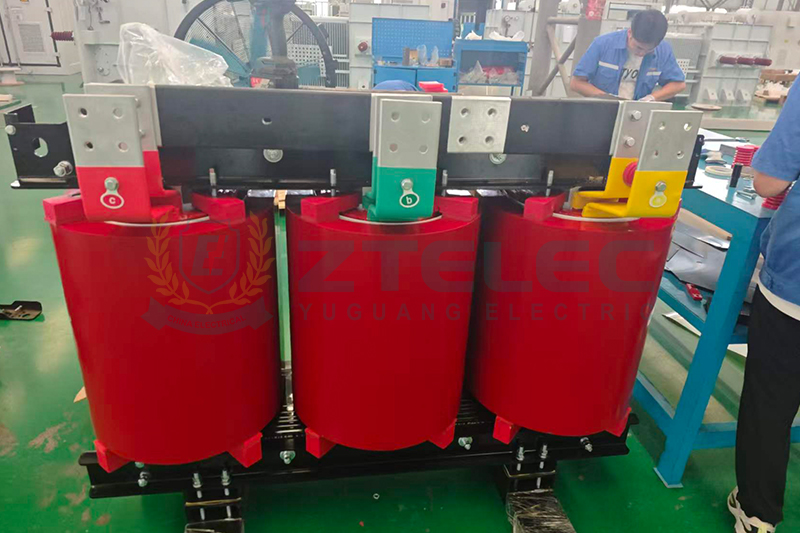
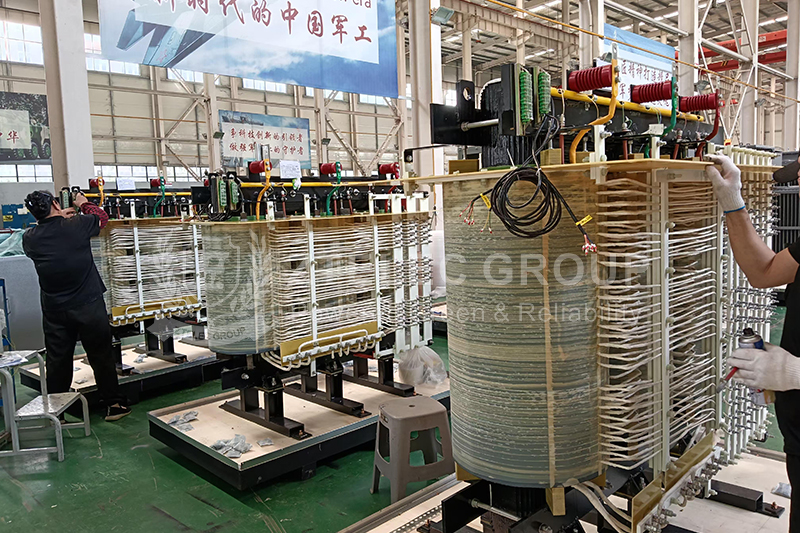
Used for end insulation, interlayer insulation, or winding formers, the heat resistance of FR4 machined parts helps transformers maintain stable performance during long-term operation.
Batteries and Energy Storage Systems:
In electric vehicle battery packs, FR4 machined parts are applied as cell separators, insulation covers for busbars, and fixtures for monitoring circuit boards.

How to Choose a Reliable FR4 Precision Machining Service?
When selecting a supplier of precision FR4 machined parts, the following factors should be considered:
Proven experience in relevant application fields
Stable CNC machining capabilities to ensure dimensional accuracy
Availability of material certifications and quality control procedures
Ability to support long-term supply to meet project lifecycle requirements
As electrical equipment continues to increase in power density and move toward more compact designs, the performance requirements for insulating components are also becoming more demanding. Thanks to their material properties and excellent machinability, precision FR4 machined parts are widely used in electrical equipment.
Choosing the right FR4 machining partner helps ensure the final product’s performance and long-term reliability.
| Contact Us
prefab substation
prefabricated substation
packaged substation
dry-type transformer price
cast-resin transformer price
- more+releated article
- 2026-11-20Prefab Substation vs Traditional Build: Cost C
- 2026-11-19Dry Type Transformer Price List 2026: What to
- 2026-11-18Oil Filled Self Cooled Transformer: ONAN Basic
- 2026-11-17What Is a Prefabricated Substation? Types and
- 2026-11-16Cast Resin vs VPI Dry Type Transformers: Key D
- 2026-11-1423 kV Transformer Standards: IEC vs IEEE/ANSI
- 2026-11-13IEC 60076 Transformer Tests: Routine, Type &am
- 2026-11-12Outdoor Transformer Installation: Clearances &
- 2026-11-113500 kVA Transformer Oil: Mineral vs Ester vs
- 2026-11-103500 kVA Transformer: EU Tier 2 vs US DOE Loss
- ELECTRICAL INSULATION BOARD MATERIALS
- ELECTRICAL INSULATION MATERIALS
- POWER TRANSFORMER
- ENAMELED WIRE
- SWITCHGEAR
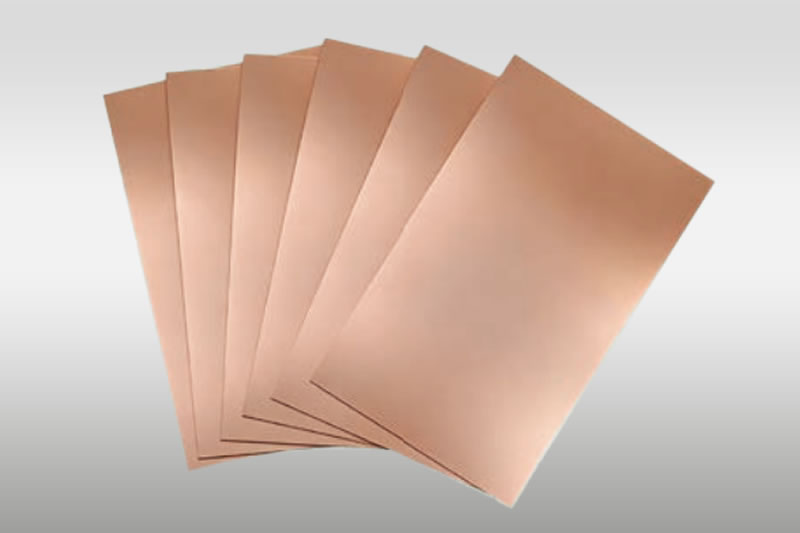
FR-4 Copper-Free Laminate | High-Performance Insulation Material
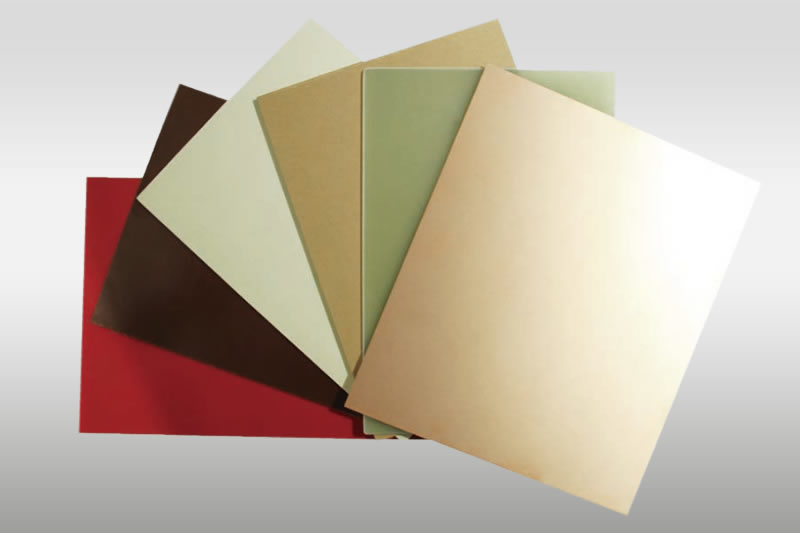
FR-4 Copper Clad Laminate Manufacturer & Supplier
prefabricated substation
prefab substation
packaged substation
dry type transformer price list 2026
cast-resin transformer price
dry-type transformer price
1250kVA epoxy resin cast dry-type transformer price
dry-type transformers
1250kVA transformer price
what is a prefabricated substation
prefabricated substation types
dry-type transformer
cast resin vs VPI dry type transformer
cast-resin transformer
VPI transformer
23 kV transformer
IEEE C57.12.00
oil-immersed transformer
dry type transformer
IEC 60076
23 kV transformer standards
GB 1094
special test
type test
routine test