
Detailed Explanation of FR4 Machined Parts Machining Process | CNC Machining
In the manufacturing fields of electronics, electrical appliances, and medical devices, FR4 epoxy fiberglass laminate (FR4 for short) has become one of the commonly used basic materials due to its electrical insulation, mechanical strength, and heat resistance. As a composite material, the machining methods of FR4 differ from those of metal materials or ordinary plastics. This article introduces the CNC machining process steps and key points of FR4 parts for reference.
FR4 Material Properties Overview
FR4 is a composite material composed of epoxy resin and fiberglass cloth. Its main characteristics are as follows:
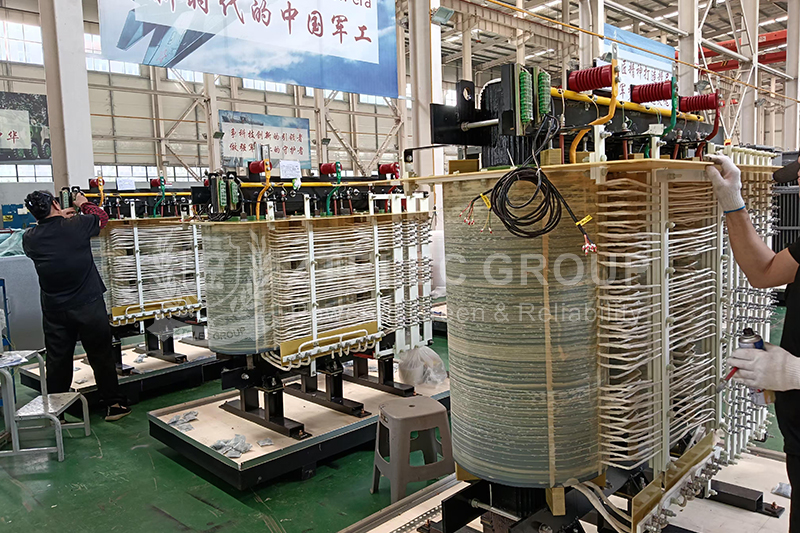
♦ Insulation Performance: Suitable for electrical equipment such as high-voltage motors, transformers, and switchgear.
♦ Mechanical Strength: The material is capable of withstanding a certain degree of tightening, bending, and impact.
♦ Heat and Chemical Resistance: Suitable for various industrial environments.
♦ Machinability: The material can be manufactured into parts of different shapes through CNC drilling, milling, and cutting processes.
Based on these characteristics, FR4 parts are commonly used in electrical insulation, electronic equipment, and mechanical structures.
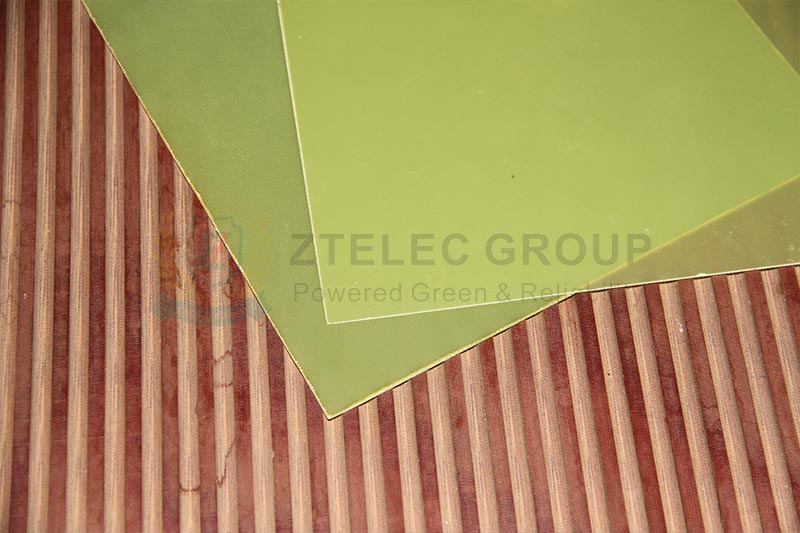
FR4 Machined Parts CNC Machining Process
1. Design and Programming
Drawing: Based on part requirements, use CAD software to create a 3D model or 2D drawing. Considering the brittle nature of FR4 material, internal corners are usually rounded during design to improve part strength.
Generating Toolpaths:
After importing the completed drawing into the CAM software, the engineer needs to clarify the following settings:
Machining sequence: Determine whether drilling or cutting the outline first;
Tool type: For example, use a drill for drilling, a milling cutter for cutting;
Cutting parameters: Include spindle speed, feed rate, and depth of cut;
Dust extraction path: Because FR4 machining generates a lot of dust, the working position of the dust extraction device needs to be planned in advance.
2. Material Preparation
Select FR4 sheet metal that meets specifications, verifying thickness, grade, and dimensions.
Check the flatness and surface condition of the sheet metal to ensure the stability of the subsequent machining reference.
3. Machining
Fix the sheet metal onto the CNC worktable and start the machining program. The main processes include:
Drilling:
The glass fiber in FR4 causes significant wear on the drill bit. Therefore, carbide drill bits are generally used, employing a pecking drill method (drilling to a certain depth and then retracting the cutter) – this facilitates heat dissipation and chip removal.
Milling:
This involves contour cutting, where the milling cutter removes excess material layer by layer along the part's outline to form the desired shape. Stable cutting parameters must be maintained during the machining process.
Dust Management:
Dust generated during machining must be collected promptly using a dust extraction system to prevent dust accumulation from affecting machining accuracy or polluting the environment. Simultaneously, the heat generated by high-speed cutting must be controlled to avoid excessive temperature causing resin softening or whitening of the material surface.
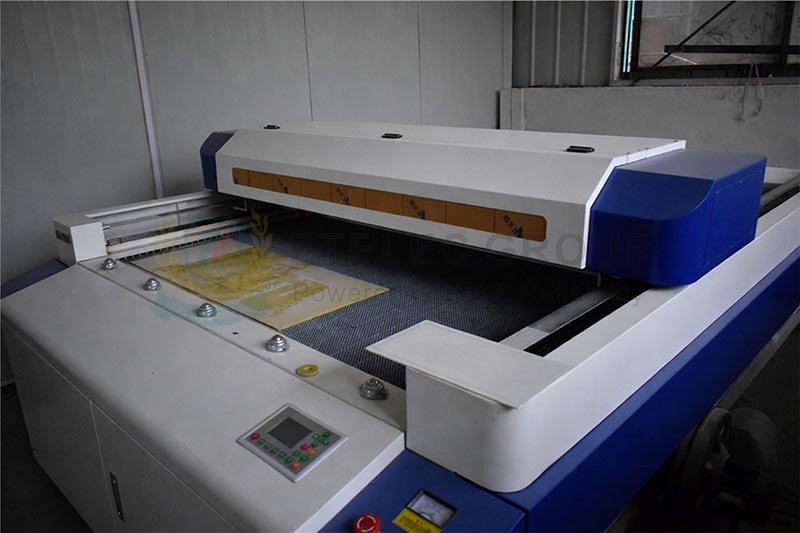
4. Cleaning and Deburring
After machining, dust may adhere to the surface of the parts, and burrs may remain on the edges. The following methods can be used to handle this:
Dust Removal: Use compressed air to blow away dust from the surface and inside holes of the parts.
Deburring: For a small number of parts, edges can be manually trimmed with sandpaper or a file. For larger batches, a polishing machine can be used.
Cleaning: For parts requiring high cleanliness, ultrasonic cleaning can be used to remove surface particles.
5. Inspection and Quality Control
Measure machining dimensions, hole position accuracy, and thickness deviation.
Inspect the insulation performance or mechanical strength of the parts according to requirements to confirm they meet design specifications.
Key Points of FR4 CNC Machining Process
Tool Selection and Cutting Parameters:
FR4 contains glass fiber, which easily generates burrs and accelerates tool wear during cutting. It is recommended to use a higher speed and a lower feed rate, and to replace the tools regularly according to the machining volume.
Machining Sequence:
Generally, internal holes and grooves are machined first, followed by the outer contour, to reduce dimensional deviations caused by changes in sheet stress.
Cooling and Dust Removal:
Use air cooling to avoid overheating of the material. Cutting dust must be removed promptly to ensure machining accuracy and operational safety.
Precision control:
Measure and calibrate critical dimensions and hole positions, and record dimensional tolerances for easy quality traceability.
Applications of FR4 Machined Parts
Insulation structural components for high-voltage motors and generators
♦ Support components for switchgear and transformers
♦ Structural components in precision machinery
♦ Support components and insulation parts in electronic products
Through CNC machining, FR4 material can be manufactured into parts that meet various industrial requirements.
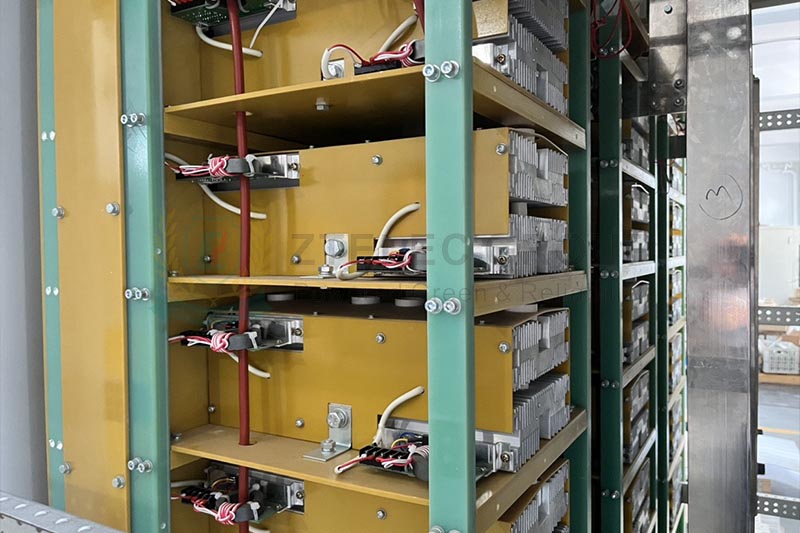
CNC machining of FR4 parts involves multiple technical aspects. Tool selection, cutting parameter settings, and path planning are common factors affecting part quality. As the requirements for precision and reliability of electronic components increase, FR4 machining technology is continuously being updated to adapt to more application scenarios.
For information on customized FR4 machining services, please contact us.
oil immersed transformer lifespan
oil immersed transformer maintenance
transformer lifecycle
transformer insulation aging
dry type transformer temperature monitoring
- more+releated article
- 2026-05-11How Long Does an Oil-Immersed Transformer Last
- 2026-05-08Modern Power System Dry-Type Transformer Insta
- 2026-05-07Oil-Immersed Transformer Overheating: Causes,
- 2026-05-07Dry-Type Transformers for Data Centers: 2026 R
- 2026-04-30Air-Core Reactor vs Iron-Core Reactor: How to
- 2026-04-29Compact Enclosed Transformer for Smart Grid: T
- 2026-04-2812-Pulse and 24-Pulse Phase-Shifting Transform
- 2026-04-27Oil-Immersed Transformers for Industrial Plant
- 2026-04-25Why Dry-Type Transformers Are Preferred for Ho
- 2026-04-24Enclosed Transformer Outdoor Solutions: IP Pro
- ELECTRICAL INSULATION BOARD MATERIALS
- ELECTRICAL INSULATION MATERIALS
- POWER TRANSFORMER
- ENAMELED WIRE
- SWITCHGEAR



transformer insulation aging
transformer lifecycle
oil immersed transformer lifespan
oil immersed transformer maintenance
dry type transformer installation
dry type transformer temperature monitoring
dry type transformer maintenance
dry type transformer sizing
transformer cooling system failure
transformer overheating causes
oil immersed transformer overheating
transformer oil temperature
harmonic mitigation
dry type transformer
K factor transformer
data center transformer
Cast resin transformer
insulation oil degradation
DGA analysis transformer
transformer fault analysis
oil immersed transformer failure
smart grid transformer
compact enclosed transformer
integrated distribution transformer
compact transformer substation