
1250 kVA Dry Type Transformer Price 2026: Cast Resin vs VPI Cost Breakdown
When researching the 1250 kVA dry type transformer price in 2026, buyers will quickly find that there is no single standard price for every project. The final cost can vary significantly depending on transformer technology, winding material, voltage rating, insulation system, cooling method, enclosure protection, testing requirements, and applicable standards.
A 1250 kVA dry type transformer is widely used in commercial buildings, industrial facilities, hospitals, data centers, renewable energy projects, and power distribution substations. This guide explains the main factors affecting the 1250 kVA dry type transformer cost and compares cast resin transformers with VPI dry type transformers to help buyers evaluate quotations more accurately.
Why Is 1250 kVA a Popular Dry Type Transformer Rating?
The 1250 kVA transformer is a widely specified capacity for medium-scale and large-scale power distribution systems. It can support substantial three-phase electrical loads while remaining suitable for installation in indoor transformer rooms, commercial facilities, and compact substations.
Compared with oil-filled transformers, dry type transformers do not use insulating oil, making them particularly suitable for locations with strict fire-safety and environmental requirements. As a result, 1250 kVA dry type transformers are frequently installed in hospitals, high-rise buildings, shopping centers, manufacturing plants, transportation systems, and data center power distribution networks.
1250 kVA Dry Type Transformer Price in 2026
The price of a 1250 kVA dry type transformer in 2026 depends heavily on its technical configuration. In general, a standard VPI transformer is usually the more economical option, while a cast resin dry type transformer normally requires a higher initial investment because of its manufacturing process and insulation materials.
VPI transformers are commonly selected for controlled indoor environments where humidity, dust, and pollution levels are relatively low. Cast resin transformers are often specified for demanding environments that require improved resistance to moisture, contamination, and environmental stress.
Raw material prices also have a direct impact on transformer quotations. Copper, aluminum, epoxy resin, and grain-oriented silicon steel are major components of the manufacturing cost. Therefore, the final 1250 kVA dry type transformer price may change as material costs fluctuate.
For example, a copper-wound transformer generally costs more than an aluminum-wound transformer with the same capacity and voltage rating. However, copper windings may provide advantages in conductivity, compact design, and current-carrying performance.
Cast Resin vs VPI Transformer: Key Technology Differences
The manufacturing technology used for the transformer winding is one of the main reasons for the price difference between cast resin and VPI dry type transformers.
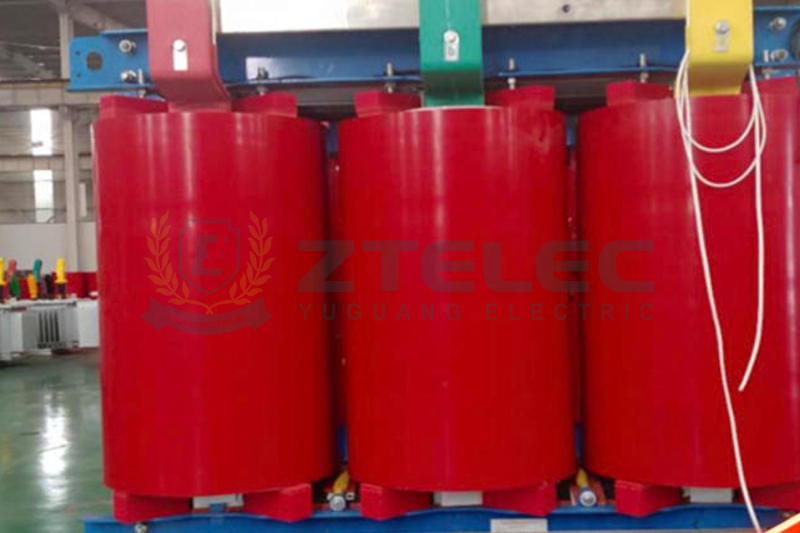
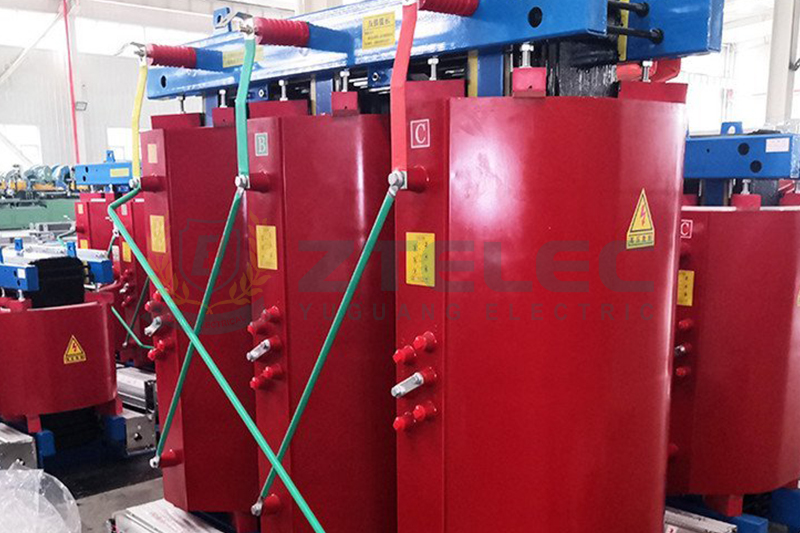
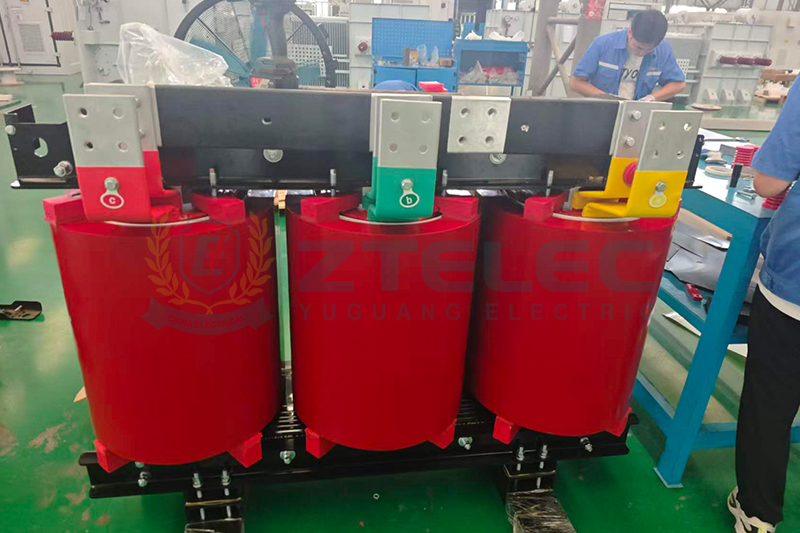
1250 kVA Cast Resin Dry Type Transformer
A cast resin transformer, also known as an epoxy resin cast transformer, uses a manufacturing process in which the high-voltage winding is encapsulated with epoxy resin. The resin is processed under controlled vacuum conditions and cured to form a solid insulation structure around the winding.
This design provides strong protection against moisture, dust, and certain environmental contaminants. The fully encapsulated winding structure makes cast resin technology particularly suitable for demanding indoor installations and environments where long-term reliability is important.
The manufacturing process requires specialized equipment, casting systems, controlled curing procedures, and strict quality control. Epoxy resin consumption is also higher than in conventional impregnated winding systems. These factors generally increase the production cost of a cast resin transformer.
As a result, a 1250 kVA cast resin dry type transformer usually has a higher purchase price than a comparable VPI transformer.
1250 kVA VPI Dry Type Transformer
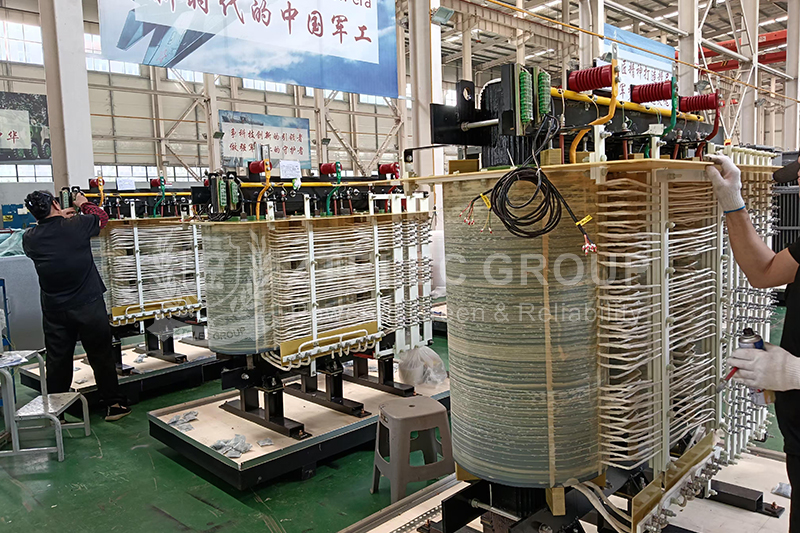
A VPI transformer uses Vacuum Pressure Impregnation technology. After the transformer coils are wound, they are impregnated with insulating varnish or resin under vacuum and pressure before being cured.
This process provides reliable electrical insulation and good thermal performance while requiring less resin material than a fully cast epoxy winding. The manufacturing process is generally less complex, and the finished transformer may also have a lower overall weight.
For these reasons, a 1250 kVA VPI dry type transformer is typically a more cost-effective option for standard indoor power distribution applications.
1250 kVA Dry Type Transformer Cost Breakdown
The total price of a 1250 kVA dry type transformer is influenced by multiple components and technical requirements.
Transformer Core Material
The transformer core is typically manufactured using high-quality grain-oriented silicon steel. Low-loss core materials may increase the initial purchase price but can reduce energy losses during long-term operation. For continuously operating transformers, lower no-load and load losses can have an important impact on lifecycle operating costs.
Winding Material
Copper and aluminum are the two most common winding materials. Copper-wound transformers generally have a higher initial cost because copper is more expensive. Aluminum windings can reduce the purchase price and may be suitable for projects where installation space and transformer dimensions are less restrictive.
Insulation System
The insulation class and insulation technology directly influence transformer cost. Common insulation systems include Class F and Class H designs. Higher-temperature insulation materials and advanced resin systems can increase the manufacturing cost while supporting demanding operating conditions.
Cooling Method
Natural air cooling, commonly identified as AN, is the standard configuration for many dry type transformers. Forced air cooling, identified as AF, requires additional fans, sensors, monitoring equipment, and control wiring.
Adding AF cooling can provide additional temporary or continuous capacity capability depending on the transformer design and operating conditions, but it also increases the total equipment cost.
Enclosure Protection Rating
The transformer enclosure can also significantly affect the quotation. An open or standard indoor configuration may be more economical, while protection levels such as IP20, IP23, or higher can increase the price because of additional enclosure materials and ventilation design requirements.
Transformers installed in dusty, humid, or semi-outdoor environments may require enhanced protection and therefore a higher overall cost.
Testing and Standards Compliance
Routine factory testing is generally included in standard transformer production. However, additional testing requirements can increase the total project cost. These may include third-party witness testing, type testing, special performance testing, or compliance with specific international standards.
Common standards requested for dry type transformers include IEC 60076-11, IEEE standards, ANSI requirements, and GB/T standards. Buyers should clearly specify the required standard before requesting a quotation.
Factors That Increase the 1250 kVA Dry Type Transformer Price
Several specification choices can increase the cost of a 1250 kVA dry type transformer. Copper windings generally increase material costs compared with aluminum. Cast resin insulation technology normally requires a higher investment than VPI construction.
A higher insulation class, forced air cooling, enhanced enclosure protection, special terminal arrangements, and customized dimensions can also increase the final price. Additional accessories such as temperature monitoring systems, RTD sensors, electronic temperature controllers, tap changers, and customized protection equipment may further affect the quotation.
Third-party certification and witness testing can also add to project costs. Requirements involving UL, CE, CESI, KEMA, or other project-specific testing procedures should be included in the original technical specification.
Short delivery schedules may also increase the price when expedited manufacturing or priority production capacity is required.
Factors That Can Reduce Transformer Cost
A standard configuration can help reduce the overall cost of a 1250 kVA dry type transformer. Standard voltage ratings, standard dimensions, natural air cooling, and conventional indoor protection requirements generally provide more economical manufacturing conditions.
Aluminum windings may also reduce the initial purchase price for suitable applications. Bulk purchasing and repeat orders can provide manufacturing efficiencies, particularly when multiple transformers use similar technical specifications.
Manufacturers with integrated production capabilities may also offer better cost control. Companies that perform core cutting, coil winding, insulation processing, assembly, and testing internally can potentially reduce dependence on outsourced production stages.
Cast Resin vs VPI: Which Technology Is Suitable for Your Application?
The selection between cast resin and VPI technology should be based on the installation environment, project requirements, and long-term operating conditions rather than purchase price alone.
When Cast Resin Transformers Are Commonly Selected
Cast resin transformers are frequently used in environments with higher humidity, industrial contamination, or demanding fire-safety requirements. Typical applications include hospitals, metro systems, commercial buildings, high-rise developments, data centers, and industrial facilities.
The encapsulated winding structure can provide additional protection in demanding operating environments and may reduce maintenance requirements over the transformer lifecycle.
When VPI Transformers Are Commonly Selected
VPI transformers are widely used in controlled indoor environments and budget-sensitive power distribution projects. Their lower manufacturing complexity can make them an attractive option when environmental conditions are relatively stable.
For commercial buildings and light-industrial facilities, a 1250 kVA VPI transformer can provide reliable performance while reducing the initial equipment investment.
How to Get an Accurate 1250 kVA Dry Type Transformer Quotation
To receive an accurate and comparable quotation, buyers should provide detailed technical requirements to the transformer manufacturer.
The most important information includes the primary voltage, secondary voltage, frequency, vector group, impedance, winding material, insulation class, transformer technology, and cooling method. Buyers should also specify whether cast resin or VPI construction is required.
The installation environment should be clearly defined, including whether the transformer will be installed indoors, outdoors, or in a protected substation. The required enclosure protection rating should also be specified.
Applicable standards, required testing, accessories, temperature monitoring equipment, terminal arrangements, and delivery requirements should be included in the technical inquiry. Providing complete information allows manufacturers to prepare a quotation that accurately reflects the actual project requirements.
Why Comparing Specifications Is More Important Than Comparing Price Alone
When comparing multiple 1250 kVA dry type transformer quotations, buyers should ensure that all suppliers are quoting the same technical configuration. A lower price does not necessarily represent a lower-cost equivalent transformer if important specifications have been omitted.
Differences in winding material, core loss, insulation technology, cooling capacity, protection rating, testing requirements, and included accessories can create significant price differences between quotations.
An effective comparison should therefore consider both the purchase price and the complete technical specification. This approach helps ensure that quotations are evaluated on an equivalent basis and reduces the risk of unexpected additional costs during project execution.
The 1250 kVA dry type transformer price in 2026 is determined by far more than transformer capacity alone. Winding technology, conductor material, insulation system, cooling method, enclosure rating, standards compliance, accessories, and testing requirements all influence the final cost.
A 1250 kVA cast resin transformer generally requires a higher initial investment because of its epoxy encapsulation process and material requirements, while offering strong environmental protection for demanding applications. A 1250 kVA VPI transformer is typically more economical and well suited to standard indoor installations.
Before requesting quotations, clearly define the voltage rating, installation environment, insulation technology, winding material, cooling requirements, and applicable standards. This will help you obtain accurate, comparable pricing and select a transformer configuration that matches your project's technical and operational requirements.
1250 kVA VPI transformer price
1250 kVA dry type transformer price
1250 kVA transformer price 2026
1250 kVA cast resin transformer price
epoxy glass cloth laminat
- more+releated article
- 2026-09-011250 kVA Dry Type Transformer Price 2026: Cast
- 2026-08-31ZTELEC GROUP to Exhibit High-Performance Elect
- 2026-08-29Summer in the Mountains, Stronger Together | Z
- 2026-08-26Dry Type Transformer Supply Chain in 2026: Lea
- 2026-08-2633kV Prefabricated Substation for Utility Grid
- 2026-08-2433kV Gas Insulated Switchgear (GIS): Compact S
- 2026-08-24ZTELEC to Exhibit at Enlit Asia & MKI Elec
- 2026-08-21Dry Type Transformer for Data Centers: Why Rel
- 2026-08-19How to Read a 1000 kVA Oil-Filled Transformer
- 2026-08-18Dry Type Transformer Noise Levels: What to Exp
- ELECTRICAL INSULATION BOARD MATERIALS
- ELECTRICAL INSULATION MATERIALS
- POWER TRANSFORMER
- ENAMELED WIRE
- SWITCHGEAR
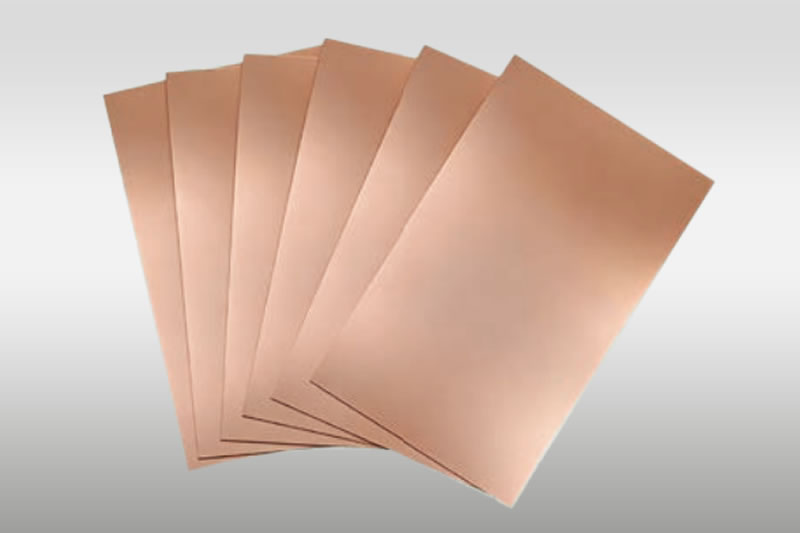
FR-4 Copper-Free Laminate | High-Performance Insulation Material
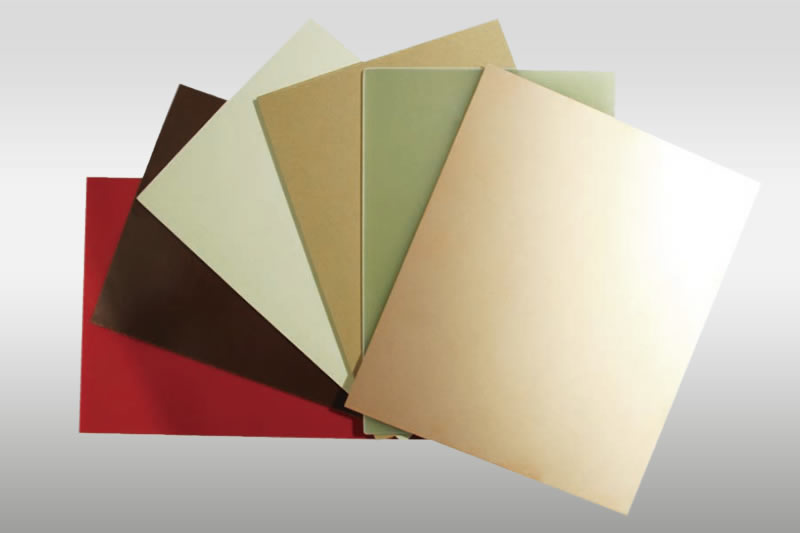
FR-4 Copper Clad Laminate Manufacturer & Supplier
1250 kVA VPI transformer price
1250 kVA dry type transformer price
1250 kVA cast resin transformer price
1250 kVA transformer price 2026
Data Centre World Singapore 2026
epoxy glass cloth laminat
ZTelec Group
electrical insulation materials
ZTELEC team building
employee team building activity
company team building
dry type transformer lead time
dry type transformer sourcing
transformer tariffs 2026
dry type transformer supply chain 2026
33kV substation specifications
prefabricated substation for utility grid
33kV prefabricated substation
33kV compact substation
33kV GIS
33kV gas insulated switchgear
Gas Insulated Switchgear
33kV switchgear
Cast resin transformer
data center transformer