
How to Read a 1000 kVA Oil-Filled Transformer Test Report: Routine Tests Explained
A 1000 kVA oil-filled transformer test report shows whether a transformer meets its required technical specifications. It also provides important information about electrical performance, insulation, losses, and safety.
Oil-filled transformers are widely used in power distribution systems. They serve industrial plants, commercial buildings, substations, renewable energy projects, and utility networks.
Before a transformer leaves the factory, the manufacturer performs a series of tests. These tests help identify manufacturing problems and verify product quality.
For engineers and procurement teams, the test report is an important acceptance document. It helps confirm that the transformer matches the purchase specification.
This guide explains how to read a 1000 kVA oil-filled transformer test report. It also explains the main routine tests and the key values you should check.
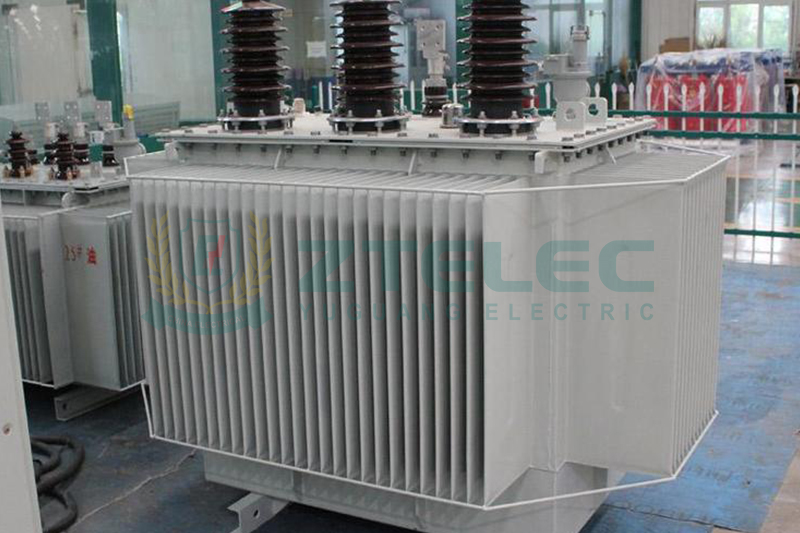
Why Are Transformer Routine Tests Important?
Routine tests check each completed transformer before delivery. They help the manufacturer confirm that the finished product meets the required specifications.
First, routine tests verify electrical performance. They check parameters such as winding resistance, voltage ratio, losses, and impedance voltage.
Next, they check insulation performance. Dielectric tests help confirm that the transformer can withstand the specified electrical stress.
In addition, factory tests provide useful quality records. The test results can later serve as a reference during installation, commissioning, and maintenance.
For a 1000 kVA distribution transformer, these checks are especially important. A transformer failure can cause production downtime, equipment damage, and costly repairs.
What Information Is Included in a 1000 kVA Transformer Test Report?
1. Transformer General Information
The first section identifies the transformer. It usually includes the manufacturer, model, serial number, rated capacity, voltage, frequency, cooling method, and test date.
For example, a transformer may have the following basic specification: 1000 kVA, 11 kV/0.4 kV, 50 Hz, Dyn11.
Always compare these details with the purchase order. You should also compare them with the transformer nameplate and approved technical documents.
Check the following: rated capacity, HV voltage, LV voltage, frequency, vector group, tap range, cooling method, serial number, and manufacturing date.
2. Transformer Design and Construction
The report may also include basic construction information. This information can cover the core, windings, insulation system, tank, radiators, bushings, and transformer oil.
The core normally uses grain-oriented electrical steel. The windings may use copper or aluminum conductors, depending on the approved design.
The tank protects the active parts and contains the insulating oil. Meanwhile, radiators help remove heat from the transformer oil.
However, do not judge a transformer only by one construction material. Instead, compare the actual design with the approved technical specification.
Main Routine Tests for a 1000 kVA Oil-Filled Transformer
3. Winding Resistance Test
The winding resistance test checks the electrical condition of the transformer windings. It can help identify poor connections, damaged conductors, or abnormal contact resistance.
The manufacturer applies a controlled DC current to the winding. The test system then measures the resulting voltage drop and calculates the resistance.
For a three-phase transformer, the report normally lists the resistance of each phase. Temperature also affects winding resistance. Therefore, the test temperature should be recorded and considered when comparing results.
How to read it: Compare the measured values with the factory reference values and the applicable standard.
A large difference between phases may require further investigation. However, the acceptable tolerance depends on the transformer design and the applicable standard.
4. Voltage Ratio Test
The transformer voltage ratio test checks whether the winding ratio matches the specified design.
For example, an 11 kV/400 V transformer has a nominal voltage ratio of about 27.5.
The test report may show the measured ratio at different tap positions. This information is useful when the transformer has an off-circuit or on-load tap changer.
How to read it: Compare every measured ratio with the nameplate ratio and the specified tolerance.
An incorrect ratio can cause abnormal secondary voltage. Therefore, ratio results should always be checked before transformer acceptance.
5. Vector Group Test
The vector group test confirms the phase relationship between the high-voltage and low-voltage windings.
Common vector groups include Dyn11 and Yyn0. The correct vector group depends on the project design and connection requirements.
The test report should show a vector group that matches the transformer nameplate and approved technical documents.
This check becomes especially important when transformers operate in parallel. A vector group mismatch can create serious operating problems.
6. Insulation Resistance Test
The insulation resistance test checks the condition of insulation between windings and between windings and earth.
A DC insulation resistance tester applies a test voltage. The instrument then measures the insulation resistance in megaohms or gigaohms.
The report may include HV-to-LV, HV-to-earth, and LV-to-earth results. Some reports also include the Polarization Index (PI).
PI compares insulation resistance readings taken at different times. For example, it may compare the 10-minute value with the 1-minute value.
How to read it: Compare the result with factory reference data and the applicable standard.
Low insulation resistance can indicate moisture, contamination, temperature effects, or insulation problems. Therefore, abnormal results should be investigated before commissioning.
7. No-Load Loss and No-Load Current Test
The no-load test evaluates transformer core performance. The manufacturer energizes the transformer at the specified voltage and frequency while the secondary winding remains open.
The report normally records two important values: no-load loss and no-load current.
No-load loss mainly comes from the transformer core. It includes hysteresis loss and eddy-current loss.
No-load current mainly reflects the magnetizing characteristics of the core.
How to read it: Compare the measured values with the guaranteed values in the purchase specification.
Lower losses generally improve energy efficiency. However, the final acceptance decision should follow the contractual guarantee and applicable standard.
8. Load Loss and Impedance Voltage Test
The load loss test measures losses that occur when the transformer carries load current.
These losses mainly include winding resistance losses and additional load-related losses. The test also measures the transformer impedance voltage.
Load loss is normally shown in watts. Impedance voltage is shown as a percentage.
Impedance affects voltage regulation and short-circuit current. Therefore, this value is important for system design.
How to read it: Compare load loss with the guaranteed value. Then compare impedance voltage with the nameplate and project specification.
9. Dielectric Withstand Tests
Dielectric tests check the strength of the transformer insulation system.
Depending on the transformer design and applicable standard, the routine test program can include an applied voltage test and an induced voltage test.
The applied voltage test checks insulation between specified electrical parts. The induced voltage test checks the insulation system under the specified induced overvoltage condition.
How to read it: Check the test voltage, test duration, test configuration, and final result.
The transformer should complete the test without unacceptable breakdown or flashover.
10. Transformer Oil Test
Transformer oil provides both insulation and cooling. Therefore, oil quality has a direct effect on transformer performance.
Depending on the inspection requirements, the oil report may include breakdown voltage, moisture content, acidity, and other oil properties.
Dissolved Gas Analysis, or DGA, can also provide valuable information about transformer condition. However, DGA is generally used for diagnostic or condition assessment purposes rather than as a routine factory test for every transformer.
How to read it: Compare oil test results with the applicable oil specification and project requirements.
Do not use one universal value for every transformer. Oil type, voltage level, equipment condition, and applicable standards can affect the required limits.
11. Temperature Rise Test
The temperature rise test checks the thermal performance of the transformer.
During operation, the core and windings generate heat. The transformer oil transfers this heat to the tank and cooling system.
The test report may show ambient temperature, top-oil temperature rise, and winding temperature rise.
How to read it: Compare the results with the transformer's cooling method and specified temperature-rise limits.
Excessive temperature rise can accelerate insulation aging. Therefore, thermal performance is an important factor in transformer service life.
12. Tank Leak and Pressure Test
The transformer tank must maintain mechanical integrity during operation and transportation.
A tank test checks whether the enclosure can withstand the specified test condition without unacceptable leakage or permanent deformation.
The report may record the test pressure, test duration, inspection method, and final result.
How to read it: Confirm that the test meets the manufacturer's procedure and applicable standard.
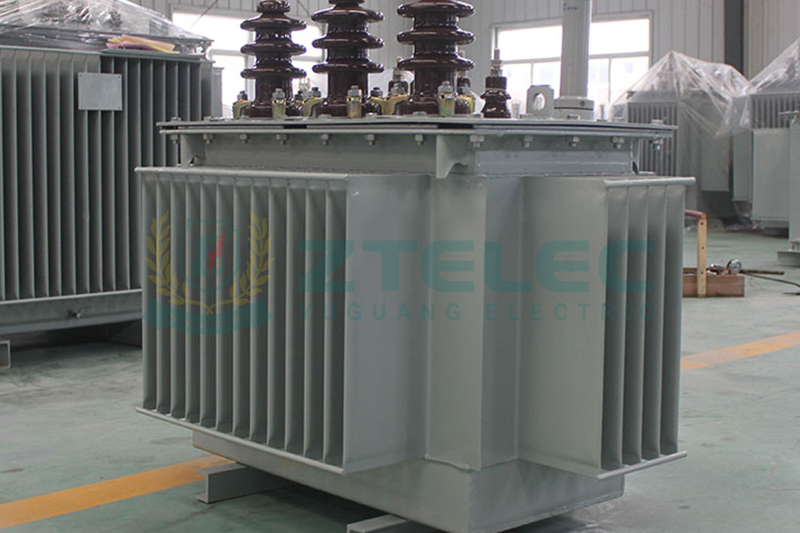
How to Read a 1000 kVA Transformer Test Report
Step 1: Check the Transformer Identification
First, check the manufacturer, model, serial number, rated capacity, voltage, frequency, and vector group.
Next, compare these details with the purchase order and transformer nameplate.
If the serial number or rated voltage does not match, contact the manufacturer before accepting the report.
Step 2: Check the Guaranteed Values
Every project may have different technical requirements. Therefore, identify the guaranteed values before reviewing the test data.
Pay particular attention to no-load loss, load loss, impedance voltage, voltage ratio, and temperature rise.
These values should match the approved technical specification.
Step 3: Review the Electrical Tests
Review winding resistance first. Then check the voltage ratio and vector group.
After that, review insulation resistance, no-load loss, no-load current, load loss, impedance voltage, and dielectric tests.
Look for unusual differences between phases. Also, compare the results with the original factory reference values.
Step 4: Review Oil and Mechanical Tests
Next, review the oil test results. Check the oil quality against the applicable specification.
Then review the tank inspection and leak test. Finally, check the temperature-rise results.
Together, these tests provide a broader view of transformer quality.
Step 5: Compare the Results with Standards
Transformer testing may follow standards such as the IEC 60076 series, IEEE/ANSI standards, national standards, or project-specific requirements.
The correct standard depends on the transformer and the project. Therefore, always confirm the applicable standard before making an acceptance decision.
Step 6: Check for Inconsistencies
Compare the test report with the nameplate, datasheet, drawings, and purchase order.
Pay special attention to the rated voltage, tap range, vector group, impedance, losses, cooling method, and serial number.
Any inconsistency should be clarified before shipment or installation.
Key Parameters in a 1000 kVA Transformer Test Report
| Test | Main Parameter | What to Check | Possible Concern |
|---|---|---|---|
| Winding Resistance | Resistance by phase | Compare with factory reference values | Large phase difference |
| Voltage Ratio | Measured ratio | Compare with nameplate ratio | Incorrect ratio |
| Vector Group | Phase displacement | Match the specified vector group | Vector group mismatch |
| Insulation Resistance | IR and PI | Compare with factory data and standards | Low insulation resistance |
| No-Load Test | Loss and current | Compare with guaranteed values | High core loss |
| Load Test | Load loss and impedance | Check against guaranteed values | High loss or incorrect impedance |
| Dielectric Test | Withstand voltage | Check test voltage and pass status | Breakdown or flashover |
| Oil Test | BDV and moisture | Compare with oil specification | Low dielectric strength |
| Temperature Rise | Oil and winding rise | Check specified limits | Excessive temperature rise |
| Tank Test | Pressure and leakage | Check test result and inspection | Oil leakage or deformation |
Common Problems in Transformer Test Reports
Unbalanced Winding Resistance
A large resistance difference between phases may indicate a connection problem, winding issue, or measurement error.
First, check the test temperature and test connections. Next, compare the result with factory reference data. If the difference remains abnormal, further testing may be necessary.
Incorrect Voltage Ratio
An incorrect ratio can result from the wrong tap position, test connection problems, or winding issues.
Therefore, confirm the tap position before starting additional diagnostics.
Low Insulation Resistance
Moisture and contamination can reduce insulation resistance. Temperature can also affect the measurement.
For this reason, engineers should consider test conditions before drawing a final conclusion.
High No-Load Loss
High no-load loss may indicate core-related problems. It can also result from measurement conditions or incorrect test voltage.
Compare the measured value with the guaranteed factory value before taking corrective action.
High Load Loss
High load loss can increase transformer operating costs. It can also increase heat generation.
Possible causes include winding resistance, conductor design, stray losses, and test temperature. Therefore, check the reference temperature when reviewing the result.
Dielectric Test Failure
A dielectric test failure requires immediate attention. The manufacturer should investigate the cause before the transformer is accepted.
Possible causes include moisture, contamination, insulation defects, or an incorrect test setup.
Poor Transformer Oil Quality
Poor oil quality can reduce insulation strength and cooling performance.
However, the correct acceptance limit depends on the oil specification and applicable standard. Therefore, always use the project requirement as the main reference.
Excessive Temperature Rise
Excessive temperature rise can shorten insulation life. It may result from high losses, inadequate cooling, or abnormal test conditions.
As a result, temperature-rise data should be reviewed together with the transformer's cooling method and rated capacity.
Best Practices for Reviewing a Transformer Test Report
Use the Correct Standard
First, identify the applicable transformer standard. Then use that standard together with the purchase specification and manufacturer's guaranteed values.
This approach is more reliable than using generic values from different transformer projects.
Compare All Technical Documents
Check the test report against the nameplate, datasheet, approved drawings, and purchase order.
All important parameters should be consistent.
Keep the Factory Test Report
The factory report provides a useful technical baseline. Keep it with the installation and commissioning records.
Later, maintenance engineers can compare new test results with the original factory data. This comparison can help identify changes in transformer condition.
Request Additional Testing When Necessary
If a result appears abnormal, ask the manufacturer for clarification.
Depending on the issue, the manufacturer may recommend a repeat test or additional diagnostic test.
Example of a 1000 kVA Oil-Filled Transformer Test Report
Consider a hypothetical 1000 kVA, 11 kV/400 V, 50 Hz, Dyn11 oil-filled transformer.
The report first confirms the transformer serial number, rated capacity, voltage, frequency, and vector group.
Next, the manufacturer records the winding resistance of all three phases. The measured values are close to the factory reference values.
The voltage ratio also matches the specified 11 kV/400 V design. The vector group is confirmed as Dyn11.
The insulation resistance values are consistent with the manufacturer's factory data. The report also records the no-load loss and load loss.
The measured losses meet the guaranteed values. The impedance voltage also matches the project specification.
Finally, the transformer passes the required dielectric tests. The oil inspection and tank leak test also meet the specified requirements.
In this example, the important point is consistency. The test report, nameplate, purchase specification, and factory data all describe the same transformer.
A 1000 kVA oil-filled transformer test report provides valuable information about transformer quality and performance.
First, check the transformer identification. Next, review the guaranteed values. Then, examine the electrical, insulation, oil, thermal, and mechanical test results.
Most importantly, do not evaluate one test result alone. Instead, compare the complete report with the purchase specification, factory reference data, and applicable transformer standards.
A careful review can help engineers identify potential problems before installation. It can also provide a reliable technical record for future maintenance.
For industrial plants, substations, renewable energy projects, and commercial power systems, choosing a properly tested 1000 kVA oil-filled transformer is essential for safe and reliable power distribution.
ZTELEC provides oil-filled transformer solutions for power distribution and industrial applications. Contact ZTELEC for transformer specifications, technical documentation, and project-specific support.
1000 kVA oil-filled transformer
oil-filled transformer test report
1000 kVA transformer test report
oil-immersed transformer testing
transformer sound level
- more+releated article
- 2026-08-19How to Read a 1000 kVA Oil-Filled Transformer
- 2026-08-18Dry Type Transformer Noise Levels: What to Exp
- 2026-08-17What Is IEC 60076-11? A Complete Guide to Dry
- 2026-08-175000kVA Oil-Filled Transformer in Wind and Sol
- 2026-08-17China 3500kVA Dry-Type Transformer Source Fact
- 2026-08-17ZTELEC to Exhibit at Enlit Asia & MKI Elec
- 2026-08-14Noise Control in 11kV Prefabricated Substation
- 2026-08-122000 kVA Oil-Filled Transformer Price 2026: Ma
- 2026-08-11Prefabricated Substations: Flexible, Scalable
- 2026-08-10Oil Filled Transformer Series Overview: 500–
- ELECTRICAL INSULATION BOARD MATERIALS
- ELECTRICAL INSULATION MATERIALS
- POWER TRANSFORMER
- ENAMELED WIRE
- SWITCHGEAR


FR-4 Copper-Free Laminate | High-Performance Insulation Material

FR-4 Copper Clad Laminate Manufacturer & Supplier
oil-immersed transformer testing
oil-filled transformer test report
1000 kVA oil-filled transformer
1000 kVA transformer test report
transformer sound level
dry type transformer noise
dry type transformer noise levels
transformer noise reduction
transformer manufacturer Indonesia
Enlit Asia 2026
MKI Electricity Connect 2026
Indonesia electrical exhibition
CEM-3 copper clad laminate
CEM-3 PCB material
CEM-3 laminate
copper clad glass mat composite laminate
IEC dry type transformer standard
dry type transformer standard
dry type transformer IEC standard
2000 kVA transformer price 2026
2000 kVA oil filled transformer price
2000 kVA oil immersed transformer
modular substation
prefabricated substation
prefabricated electrical substation