
Dry Type Transformer Noise Levels: What to Expect and How to Reduce Them
Dry type transformers are widely used in industrial plants, commercial buildings, data centers, and renewable energy projects. They provide reliable voltage transformation without insulating oil.
However, transformer noise can become a concern in noise-sensitive locations. This includes offices, hospitals, residential buildings, and data centers.
So, what causes dry type transformer noise? What noise level should you expect? More importantly, how can you reduce it?
This guide explains the main causes of transformer noise. It also covers typical noise levels, measurement methods, and practical noise reduction solutions.
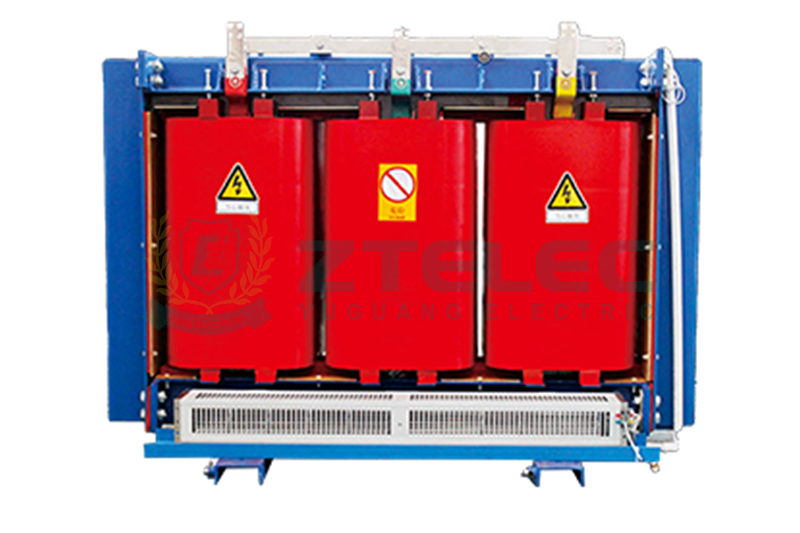
What Is a Dry Type Transformer?
A dry type transformer transfers electrical energy through electromagnetic induction. Unlike an oil-filled transformer, it does not use liquid insulation.
Instead, it uses air or another suitable insulation medium for cooling and insulation. As a result, dry type transformers are often preferred for indoor electrical installations.
Main Advantages of Dry Type Transformers
Fire safety: Dry type transformers do not contain insulating oil. Therefore, they eliminate the risk of oil leakage and reduce liquid-related fire risks.
Low maintenance: There is no transformer oil to test, filter, or replace. This can simplify routine maintenance.
Environmental benefits: Oil-free construction reduces the risk of oil leakage and environmental contamination.
Flexible installation: Dry type transformers can serve factories, commercial buildings, hospitals, data centers, substations, and renewable energy systems.
Why Do Dry Type Transformers Produce Noise?
Some transformer noise is normal during operation. The main sources are the magnetic core, windings, cooling fans, and mechanical structure.
Understanding the noise source is important. It helps engineers choose the right noise reduction method.
1. Core Magnetostriction
Core magnetostriction is one of the main causes of transformer noise. The magnetic field changes continuously when AC power flows through the transformer.
These magnetic changes cause very small movements in the core material. The core laminations then vibrate and produce sound.
Core material, magnetic flux density, lamination quality, and core-joint design all affect this noise.
2. Electromagnetic Forces
Current flowing through the windings creates electromagnetic forces. These forces can make the windings vibrate.
The effect can become more noticeable when the transformer operates under higher loads. Proper winding support can help control this vibration.
3. Cooling Fans
Some larger dry type transformers use forced-air cooling. These systems use fans to remove heat from the transformer.
However, fans create additional noise. Fan motors, blades, bearings, and airflow can all contribute to the total sound level.
4. Mechanical Vibration
Transformer vibration can also come from the enclosure and mounting structure. Loose bolts or poor mounting can make the problem worse.
In addition, the building structure can amplify vibration. A transformer may therefore sound louder in a building than in a controlled factory test.
5. Operating Load
Transformer noise can change with operating conditions. Higher load current increases electromagnetic forces in the windings.
However, the exact change depends on the transformer design. For this reason, engineers should use the manufacturer's test data when evaluating noise performance.
Typical Dry Type Transformer Noise Levels
Dry type transformer noise levels are normally expressed in decibels, or dB. The actual sound level depends on transformer capacity, design, core material, cooling method, and installation conditions.
The following values provide a general engineering reference. They should not replace the manufacturer's guaranteed noise specification.
| Transformer Capacity | Typical Sound Level at 1 m |
|---|---|
| 10–50 kVA | Approximately 45–55 dB |
| 50–100 kVA | Approximately 50–60 dB |
| 100–500 kVA | Approximately 55–65 dB |
| 500–1000 kVA | Approximately 60–70 dB |
| 1000–2500 kVA | Approximately 65–75 dB |
| Above 2500 kVA | Approximately 70–80+ dB |
Important: Actual noise levels vary by transformer design and test method. Always check the manufacturer's guaranteed sound level before making a final selection.
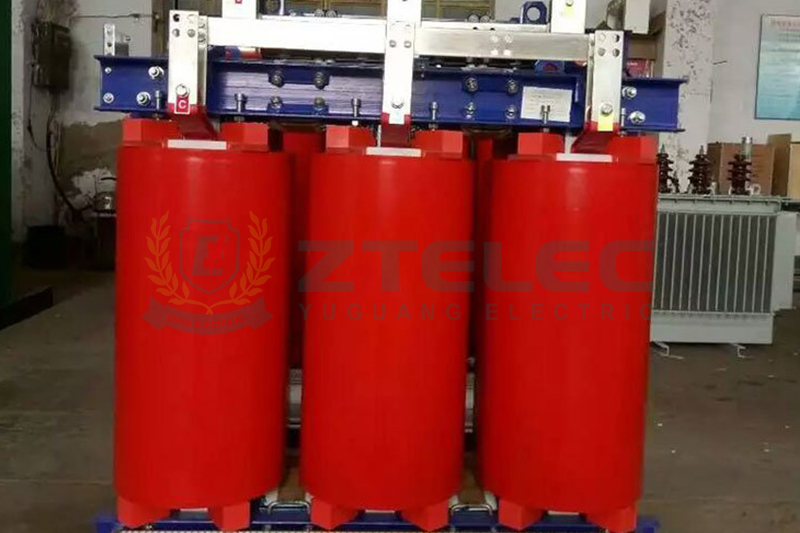
Transformer Noise Standards
Several international and national standards address transformer acoustic performance. The applicable standard depends on the project location and technical specification.
IEC 60076-10
IEC 60076-10 provides methods for determining the sound power level of transformers and reactors. It is widely used for international transformer projects.
NEMA TR 1
NEMA TR 1 provides transformer standards and guidance in the United States. It also includes transformer sound-level considerations.
When comparing transformer noise data, always check the test conditions. Measurement distance, operating load, cooling mode, and measurement method can affect the result.
What Affects Dry Type Transformer Noise Levels?
Core Material
The core material has a direct effect on magnetostriction. High-quality electrical steel can help control core vibration.
Core design also matters. Optimized magnetic flux density and accurate lamination processing can further improve acoustic performance.
Core Construction
The core must remain mechanically stable during operation. Proper clamping can reduce unwanted movement between laminations.
Step-lap core joints can also help optimize magnetic performance and reduce vibration in suitable transformer designs.
Winding Design
The windings must withstand electromagnetic forces during operation. Good mechanical support can reduce winding movement.
Resin or epoxy insulation systems can also provide mechanical stability. However, the complete transformer design determines the final noise level.
Cooling System
Natural air cooling usually produces less mechanical noise. It does not require continuously operating cooling fans.
Forced-air cooling adds fan noise. Therefore, fan selection is important for low-noise applications.
Installation Environment
The transformer room can affect perceived noise. Concrete walls, steel structures, floors, and mounting frames can reflect or transmit vibration.
Therefore, transformer room design should be considered during the early engineering stage.
Why Is Transformer Noise Reduction Important?
Transformer noise is not only an acoustic issue. It can also affect occupant comfort and equipment maintenance.
Worker and Occupant Comfort
Continuous electrical hum can affect comfort in occupied buildings. This is especially important in offices, hospitals, hotels, and residential projects.
For these applications, low-noise transformer selection should be part of the electrical design process.
Noise Regulation
Local authorities may set limits for workplace or environmental noise. These requirements can vary by location and application.
Therefore, project engineers should check local requirements before selecting the transformer.
Equipment Condition
A sudden change in transformer noise can indicate a mechanical problem. Loose components, damaged fans, or mounting problems may increase vibration.
For this reason, unusual noise should always be investigated.
How to Measure Dry Type Transformer Noise
Accurate measurement helps engineers evaluate transformer acoustic performance. It also helps identify abnormal noise.
Use a Sound Level Meter
A calibrated sound level meter can measure sound pressure around the transformer. Depending on the test method, engineers may use A-weighting or another specified frequency weighting.
Use Octave Band Analysis
Octave band analysis shows the main frequency components of transformer noise. This can help identify whether the noise mainly comes from the core, windings, or cooling fans.
Measure Vibration
Vibration meters can help identify mechanical vibration. Engineers can measure the core, enclosure, windings, and mounting structure.
Combining vibration and acoustic measurements often provides better troubleshooting results.
Follow a Consistent Procedure
Measure the transformer under stable operating conditions. Record the load, cooling mode, ambient conditions, and measurement distance.
Also measure background noise. This is important because nearby equipment can affect the result.
Finally, take measurements at several points around the transformer. This provides a more complete picture of the installation.
How to Reduce Dry Type Transformer Noise
There is no single solution for every transformer. Instead, engineers should address the main noise source.
In practice, the best results often come from combining transformer design improvements with installation and maintenance measures.
1. Select a Low-Noise Transformer
Start with the transformer specification. Ask the manufacturer for a guaranteed sound level.
Also define the required test standard and operating conditions. This makes supplier comparisons more reliable.
2. Optimize the Transformer Core
High-quality electrical steel can reduce core vibration. Manufacturers can also optimize magnetic flux density and core-joint design.
Amorphous metal cores may provide low-loss and acoustic benefits in some applications. However, always compare actual test data before making a final decision.
3. Improve Winding Support
Stable winding construction can reduce vibration caused by electromagnetic forces.
Proper mechanical support, clamping, and insulation design can improve winding stability. Resin encapsulation can also provide additional mechanical strength.
4. Install Vibration Isolation
Vibration isolation pads can reduce the transfer of transformer vibration to the building structure.
However, the isolation system must match the transformer weight and operating conditions. It must also meet electrical and fire safety requirements.
5. Optimize Cooling Fans
For forced-air transformers, choose low-noise fans with suitable airflow performance.
Variable-speed control can reduce fan noise during low-load operation. Regular fan maintenance can also prevent abnormal noise.
6. Use Acoustic Barriers
Acoustic barriers can reduce sound transmission from transformers. Sound-absorbing materials can also improve the performance of a transformer room.
However, do not block ventilation. The acoustic design must maintain adequate cooling for the transformer.
7. Choose the Right Installation Location
Whenever possible, install transformers away from noise-sensitive areas. Keep a suitable distance from offices, bedrooms, hospitals, and meeting rooms.
Early coordination with structural and acoustic engineers can prevent many noise problems.
8. Maintain the Transformer Regularly
Regular maintenance helps prevent abnormal noise. Inspect mounting hardware, cooling fans, electrical connections, and other mechanical components.
If the transformer suddenly becomes louder, investigate the cause. Do not assume that the change is normal.
Noise Reduction for Different Applications
Industrial Facilities
Industrial plants often have high background noise. Even so, transformer noise can affect workers and nearby offices.
Low-noise transformer designs and vibration isolation can improve the working environment.
Commercial Buildings
Commercial buildings often place transformers close to occupied areas. Offices, hotels, and shopping centers may therefore require better acoustic control.
A low-noise transformer and a well-designed transformer room can reduce complaints.
Data Centers
Data centers require stable and reliable power. They also need controlled environmental conditions.
When selecting a transformer, consider sound level, cooling fan noise, vibration, and installation location.
Renewable Energy Projects
Solar and wind projects may use transformers close to residential communities. In these cases, acoustic performance can become an important project requirement.
Engineers should consider transformer layout, acoustic barriers, and local environmental requirements during the design stage.
How to Choose a Low-Noise Dry Type Transformer
Do not select a transformer based only on kVA and voltage. Acoustic performance should also be included in the technical specification.
| Selection Factor | Why It Matters |
|---|---|
| Rated capacity | Affects core, winding, and cooling design |
| Core material | Influences magnetostriction and vibration |
| Winding design | Controls electromagnetic vibration |
| Cooling method | Determines additional fan noise |
| Guaranteed sound level | Provides a clear acoustic requirement |
| Test standard | Allows reliable comparison between suppliers |
| Installation environment | Affects sound transmission and vibration |
| Acoustic treatment | Reduces noise reaching occupied areas |
Frequently Asked Questions About Dry Type Transformer Noise
Are dry type transformers noisy?
Dry type transformers normally produce a low-frequency humming sound. The actual level depends on the transformer design, capacity, core, cooling method, and installation.
A properly designed transformer can meet the acoustic requirements of many industrial and commercial projects.
What is a normal dry type transformer noise level?
There is no single normal value for every dry type transformer. As a general reference, sound levels may range from about 45 dB to more than 80 dB at 1 meter.
However, the actual value depends on the transformer design. Always check the manufacturer's guaranteed sound level.
How can I make a dry type transformer quieter?
Start with a low-noise transformer design. Then optimize the installation.
Vibration isolation, fan control, acoustic barriers, proper room design, and regular maintenance can all help reduce noise.
Does transformer load affect noise?
Yes. Transformer load can affect electromagnetic forces and vibration.
However, the effect varies by transformer design. Therefore, use manufacturer test data for accurate evaluation.
Are cast resin transformers quieter than oil-filled transformers?
Not necessarily. Transformer noise depends on many design factors.
Core construction, magnetic flux density, winding design, cooling method, and mechanical structure all affect sound levels.
For this reason, compare tested acoustic data under equivalent conditions.
Future Trends in Transformer Noise Reduction
Transformer manufacturers continue to develop quieter and more efficient designs. New materials and digital technologies may further improve acoustic performance.
Advanced Magnetic Materials
Electrical steel, amorphous alloys, and nanocrystalline materials can offer improved magnetic properties. Their actual noise performance depends on the complete transformer design.
Smart Monitoring
Modern monitoring systems can track vibration, temperature, load, and other operating parameters.
This data can help identify abnormal vibration early. It can also support condition-based maintenance.
Computer-Aided Design
Finite element analysis can simulate electromagnetic forces, magnetic flux, vibration, and thermal performance.
As a result, manufacturers can optimize transformer designs before production. This approach can improve both electrical and acoustic performance.
Dry type transformer noise mainly comes from core magnetostriction, electromagnetic forces, cooling fans, and mechanical vibration.
The actual sound level depends on transformer design and installation conditions. Therefore, engineers should not rely on a single standard noise value.
For noise-sensitive applications, start with a low-noise transformer design. Then use proper vibration isolation, cooling control, acoustic treatment, and maintenance.
By addressing noise during the design stage, engineers can create quieter electrical systems. This approach improves occupant comfort and supports reliable transformer operation.
For industrial plants, commercial buildings, data centers, hospitals, and renewable energy projects, choosing the right low-noise dry type transformer can make a significant difference.
transformer sound level
transformer noise reduction
dry type transformer noise
dry type transformer noise levels
Enlit Asia 2026
- more+releated article
- 2026-08-18Dry Type Transformer Noise Levels: What to Exp
- 2026-08-17What Is IEC 60076-11? A Complete Guide to Dry
- 2026-08-175000kVA Oil-Filled Transformer in Wind and Sol
- 2026-08-17China 3500kVA Dry-Type Transformer Source Fact
- 2026-08-17ZTELEC to Exhibit at Enlit Asia & MKI Elec
- 2026-08-14Noise Control in 11kV Prefabricated Substation
- 2026-08-122000 kVA Oil-Filled Transformer Price 2026: Ma
- 2026-08-11Prefabricated Substations: Flexible, Scalable
- 2026-08-10Oil Filled Transformer Series Overview: 500–
- 2026-07-31Cast Resin Dry Type Transformer: Fire-Safe Ind
- ELECTRICAL INSULATION BOARD MATERIALS
- ELECTRICAL INSULATION MATERIALS
- POWER TRANSFORMER
- ENAMELED WIRE
- SWITCHGEAR

FR-4 Copper-Free Laminate | High-Performance Insulation Material

FR-4 Copper Clad Laminate Manufacturer & Supplier
transformer noise reduction
dry type transformer noise levels
dry type transformer noise
transformer sound level
MKI Electricity Connect 2026
Enlit Asia 2026
transformer manufacturer Indonesia
Indonesia electrical exhibition
CEM-3 PCB material
CEM-3 copper clad laminate
CEM-3 laminate
copper clad glass mat composite laminate
dry type transformer standard
IEC dry type transformer standard
dry type transformer IEC standard
2000 kVA oil immersed transformer
2000 kVA oil filled transformer price
2000 kVA transformer price 2026
compact substation
prefabricated substation
modular substation
prefabricated electrical substation
prefabricated substations
Cast resin transformer
dry type transformer