
630 kVA Transformer Price – Oil Immersed vs Dry Type Compared
A 630 kVA transformer is one of the most common ratings used in commercial buildings, small industrial plants, and local distribution substations, typically serving a load somewhere between a small workshop and a mid-size office or retail complex. When specifying a transformer at this rating, buyers usually face a fundamental choice early in the process: oil immersed or dry type. Both technologies can deliver a 630 kVA transformer that meets the same electrical performance requirements, but they differ substantially in price, installation cost, and long-term operating expense. This guide breaks down what drives the price of each option at this rating and helps you compare them on a like-for-like basis.
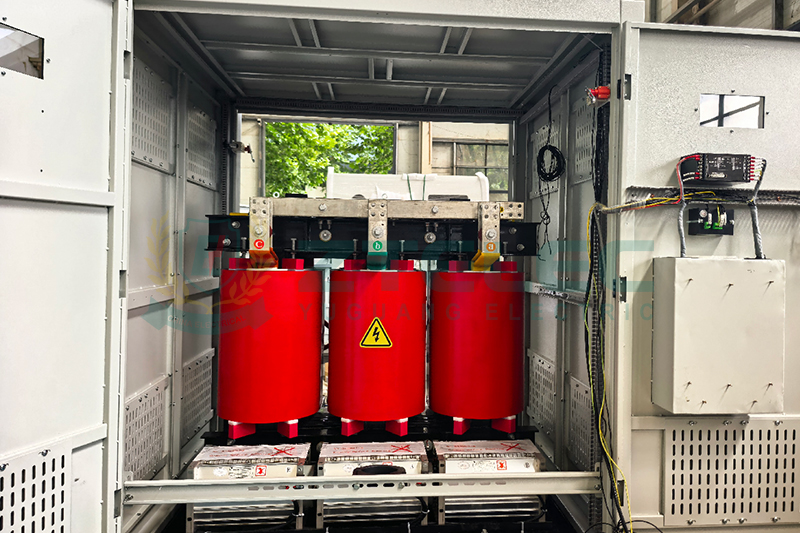
Oil Immersed vs Dry Type: A Quick Refresher
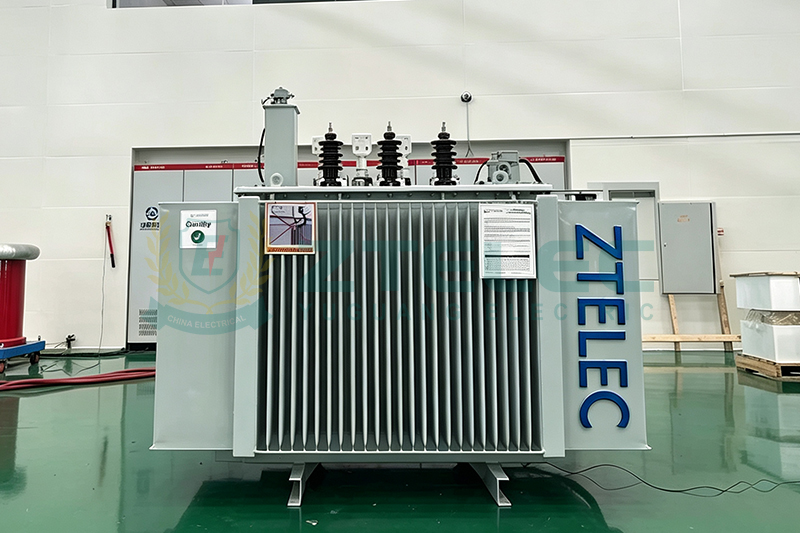
An oil immersed transformer submerges its core and windings in mineral oil or a synthetic insulating liquid, which serves both as electrical insulation and as the primary cooling medium, carrying heat away from the windings to external radiators. A dry type transformer, whether cast resin or VPI (vacuum pressure impregnated), uses solid insulation instead of liquid, relying on air circulation for cooling. At 630 kVA, both designs are mature, widely manufactured, and readily available from most transformer suppliers, which makes this rating a useful point for direct price comparison.
Why Oil Immersed 630 kVA Transformers Are Generally the Lower-Cost Option
1. Simpler, More Mature Manufacturing Process
Oil immersed transformers have been manufactured at massive scale for over a century, and the winding, tanking, and oil-filling processes are highly standardized. This manufacturing maturity, combined with high production volumes worldwide, generally keeps base unit prices lower than dry type alternatives at the same rating.
2. Lower Material Cost Per Unit of Insulation
Mineral oil is significantly less expensive per liter than the epoxy resin or varnish systems used in dry type transformers, and oil-paper insulation systems require less exotic material overall. This cost advantage in raw insulation materials is one of the main reasons oil immersed units typically carry a lower purchase price at 630 kVA and similar ratings.
3. Smaller Physical Footprint at Comparable Cost
Oil cooling is generally more efficient at removing heat than natural air convection, which allows oil immersed transformers to achieve a given rating with a comparatively compact core and winding assembly, keeping material usage, and therefore cost, competitive at mid-range ratings like 630 kVA.
Why Dry Type 630 kVA Transformers Typically Cost More
1. Resin and Insulation Material Costs
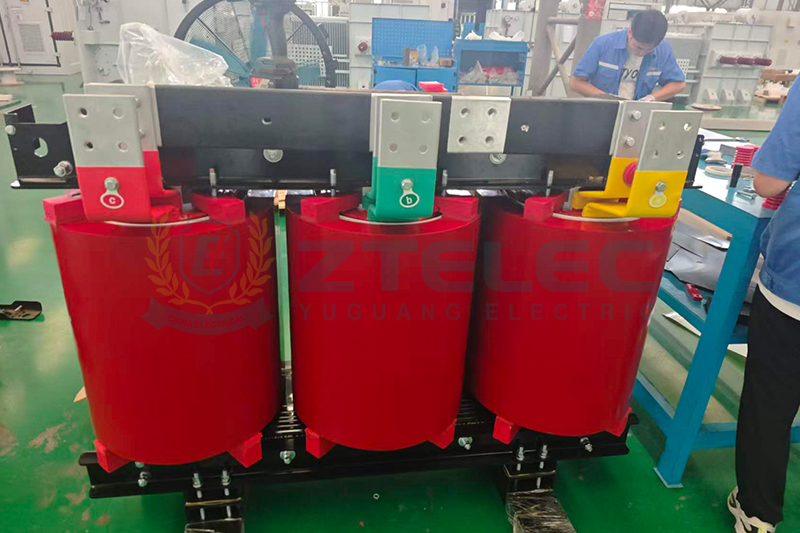
Cast resin dry type units require a substantial volume of epoxy resin and quartz filler to fully encapsulate the windings, while VPI units require multiple impregnation cycles with resin varnish. Both processes use more expensive insulation materials than an equivalent oil-paper system, directly increasing unit price.
2. Larger Core and Winding Assembly for the Same Rating
Because air cooling is less efficient than oil cooling, dry type transformers of the same kVA rating often require a physically larger core and winding assembly, along with enhanced ventilation design, to keep temperature rise within acceptable limits. This added material volume contributes to a higher base price compared to an oil immersed unit of identical rating.
3. Additional Manufacturing Steps
Cast resin units require vacuum casting and an extended curing cycle, while VPI units require multiple vacuum-pressure impregnation passes. These additional manufacturing steps increase both production time and cost compared to the relatively faster oil-filling process used for oil immersed units.
Comparing Total Installed Cost, Not Just Unit Price
Purchase price alone does not tell the full story. Several installation-related and site-related cost factors often narrow, or in some cases reverse, the price gap between the two technologies.
1. Fire Protection and Civil Works
Oil immersed transformers typically require a dedicated transformer room, bund wall or oil containment pit to capture any oil spill, fire-rated walls or separation distances from occupied areas, and in many jurisdictions a fixed fire suppression system. These civil and fire safety works can add significant cost, particularly for indoor or basement installations in commercial buildings. Dry type transformers, especially cast resin units with an F1 fire rating, often qualify for installation directly inside occupied buildings with minimal additional fire protection infrastructure, which can offset a meaningful portion of their higher unit price.
2. Space and Location Flexibility
Because dry type transformers do not require oil containment or the same fire separation distances, they can often be installed closer to the load center, sometimes on upper floors or directly adjacent to switchgear rooms. This can reduce cable length and civil works elsewhere in the project, partially offsetting the higher transformer purchase price.
3. Environmental Compliance Costs
Sites with strict environmental regulations regarding oil spill risk, particularly near water sources or in environmentally sensitive zones, may require additional oil containment infrastructure or environmental permits for an oil immersed installation. Dry type transformers eliminate this category of cost entirely since there is no oil to contain or manage.
4. Transportation and Rigging
Oil immersed transformers are typically heavier than dry type units of the same rating once filled with oil, which can increase transportation, crane, and rigging costs for sites with difficult access, though this difference is usually modest at the 630 kVA rating compared to larger power transformers.
Comparing Long-Term Operating Costs
1. Maintenance Requirements
Oil immersed transformers require periodic oil testing, filtering, and potential replacement over their service life, along with monitoring for moisture ingress and gas formation that can indicate developing faults. Dry type transformers require comparatively minimal maintenance, mainly periodic cleaning of dust from winding surfaces and visual inspection, which reduces ongoing service costs over a multi-decade lifespan.
2. Losses and Efficiency
Both technologies are available in standard and low-loss variants at 630 kVA, and efficiency differences between a well-designed oil immersed unit and a well-designed dry type unit of the same rating are generally modest. Buyers should compare the specific no-load and load loss figures on each manufacturer's datasheet rather than assuming one technology is inherently more efficient than the other.
3. Service Life and Replacement Cost
With proper maintenance, both oil immersed and dry type transformers commonly achieve service lives of 25 to 30 years or more. Oil immersed units may face earlier replacement if oil degradation or moisture contamination is not managed properly, while dry type units are generally less sensitive to this particular failure mode but can be more affected by dust accumulation or extreme humidity if not adequately protected.
Which Option Is More Cost-Effective for a 630 kVA Application?
For outdoor installations, dedicated substation buildings, or sites where a standalone transformer yard is already planned, oil immersed transformers usually offer the lowest total installed cost at 630 kVA, since the fire protection and containment infrastructure is a standard part of that type of installation anyway. For indoor commercial buildings, high-rise developments, hospitals, or any site where fire safety codes restrict oil-filled equipment or where space is at a premium, dry type transformers, despite their higher unit price, frequently deliver a lower total installed cost once civil works, fire protection, and space savings are factored in.
How to Get an Accurate Price Comparison
Because pricing depends heavily on specification details, buyers should request quotations for both technologies using identical parameters: 630 kVA rating, primary and secondary voltage, vector group, cooling class, temperature rise class, ambient and altitude conditions, and required test certificates. It is also worth requesting a rough estimate of associated civil, fire protection, and installation costs from the electrical contractor for each option, since this is often where the real cost difference between oil immersed and dry type becomes clear, rather than in the transformer unit price alone.
At 630 kVA, oil immersed transformers typically carry a lower purchase price due to simpler manufacturing, lower-cost insulation materials, and a more compact design, while dry type transformers command a premium reflecting their resin insulation systems and additional manufacturing steps. However, the total installed cost often tells a different story once fire protection infrastructure, space requirements, and long-term maintenance are factored in, particularly for indoor or fire-sensitive installations where dry type transformers can close or even reverse the apparent price gap. The right choice depends on the installation environment, applicable fire and sa
630 kVA transformer price
dry type transformer
Oil immersed transformer
cast resin transformer cost
dry type transformer price
- more+releated article
- 2026-09-12630 kVA Transformer Price – Oil Immersed vs
- 2026-09-11Dry Type Transformer Price in 2026: Cast Resin
- 2026-09-10Transformer Voltage Conversion: 11kV vs 33kV S
- 2026-09-09How to Get the Best Transformer Factory Price:
- 2026-09-08Case Study: 500 kVA 33/0.415 kV Transformer fo
- 2026-09-07Medium Voltage Dry Type Transformers: 3.3kV–
- 2026-09-02Oil Immersed Transformers Explained: Construct
- 2026-09-011250 kVA Dry Type Transformer Price 2026: Cast
- 2026-08-31ZTELEC GROUP to Exhibit High-Performance Elect
- 2026-08-29Summer in the Mountains, Stronger Together | Z
- ELECTRICAL INSULATION BOARD MATERIALS
- ELECTRICAL INSULATION MATERIALS
- POWER TRANSFORMER
- ENAMELED WIRE
- SWITCHGEAR

FR-4 Copper-Free Laminate | High-Performance Insulation Material

FR-4 Copper Clad Laminate Manufacturer & Supplier
Oil immersed transformer
630 kVA transformer price
dry type transformer
VPI transformer price
dry type transformer price
dry type transformer 2026
cast resin transformer cost
11kV transformer
transformer voltage conversion
33kV transformer
medium voltage transformer
transformer negotiation tips
buy transformer from factory
transformer factory price
commercial transformer case study
33kV to 415V transformer
500 kVA transformer
10kV transformer
6.6kV transformer
3.3kV transformer
medium voltage dry type transformer
oil transformer cooling system
oil immersed transformer construction
oil filled transformer
1250 kVA dry type transformer price