
How to Select and Use Phenolic Cloth-base Laminated Tubes?
Phenolic cloth-base laminated tubes are insulating tubing made by impregnating cotton cloth with phenolic resin and then hot-pressing it. They possess excellent electrical insulation properties, mechanical strength, and heat resistance. They are commonly used in electrical equipment such as motors, appliances, and transformers, serving as insulating protective components and structural support components. This article will explain in detail how to select phenolic cloth-base laminated tubes according to actual needs and their correct usage.
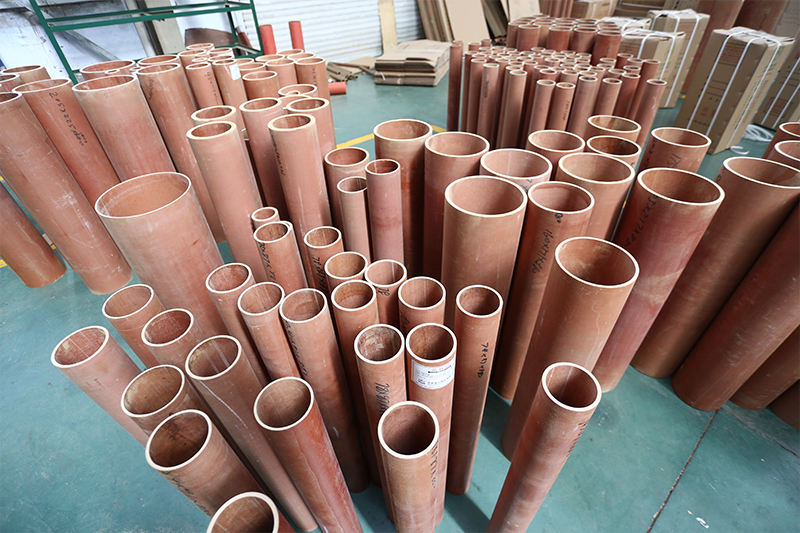
How to Select Phenolic Cloth-base Laminated Tubes?
1. Define the Application Scenarios and Specific Requirements
Electrical Performance: Select phenolic cloth-base laminated tubes with the corresponding insulation class based on the equipment's operating voltage level.
Mechanical Strength: Determine the pressure, bending strength, and abrasion resistance indicators that the tube must withstand.
Environmental Conditions: Confirm the temperature range, humidity level, and whether the tube will come into contact with chemicals.
Dimensions: Determine the specific dimensions of the tube, including its inner diameter, outer diameter, length, and wall thickness.
2. Understand the Types and Grades of Phenolic Cloth-base Laminated Tubes
General Type: Used for general electrical insulation applications.
High-Temperature Resistant Type: It can be used in higher temperature environments.
High mechanical strength type: It is used for equipment requiring high mechanical stress.
Mold-resistant type: Suitable for humid environments.
3. Evaluate Key Technical Parameters
Dielectric Strength: Meets the operating voltage requirements of the equipment.
Volume Resistivity: A key indicator for judging insulation performance.
Flexural Strength: Determines the tube's resistance to bending.
Water Absorption: Directly affects stability in humid environments.
Heat Resistance Grade: Commonly Grade E (withstands 120℃).
4. Consider Suppliers and Product Certifications
Select manufacturers with a good market reputation.
Verify that the product complies with relevant standards such as IEC, NEMA, and GB.
Pay attention to whether the supplier can provide after-sales technical support and service.
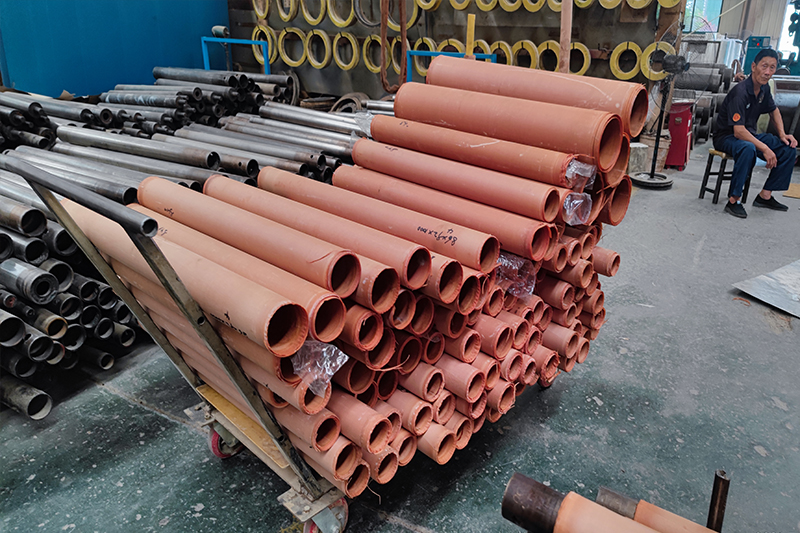
Correct Usage of Phenolic Cloth-base Laminated Tubes
To ensure safe use and extend service life, the following usage guidelines must be followed:
1. Machining Operation Requirements
It is recommended to use metal lathe tools or carbide tools for machining.
Control the turning speed to prevent resin burning due to overheating.
Add coolant when drilling to reduce the risk of cracking.
2. Installation Requirements
Clean and dry the pipe surface before installation.
Avoid forceful hammering or violent assembly to prevent damage to the pipe structure.
Shims can be added to stress-bearing areas or reinforced structural designs can be adopted.
3. Usage and Maintenance Specifications
Avoid prolonged use in environments exceeding 120℃ (except for high-temperature resistant types).
Avoid direct contact between the pipe and corrosive environments such as strong acids and alkalis.
Regularly inspect the pipe for cracks, delamination, moisture absorption, and deformation.
Application Examples of Phenolic Cloth Tubes in the Industry
1. Motor Insulation Bushings
In motor stator windings, phenolic cloth tubes are used as slot insulation and end insulation components, providing mechanical support.
The model should be selected based on the motor's operating temperature, working voltage level, and vibration conditions.
2. Transformer Lead Insulation
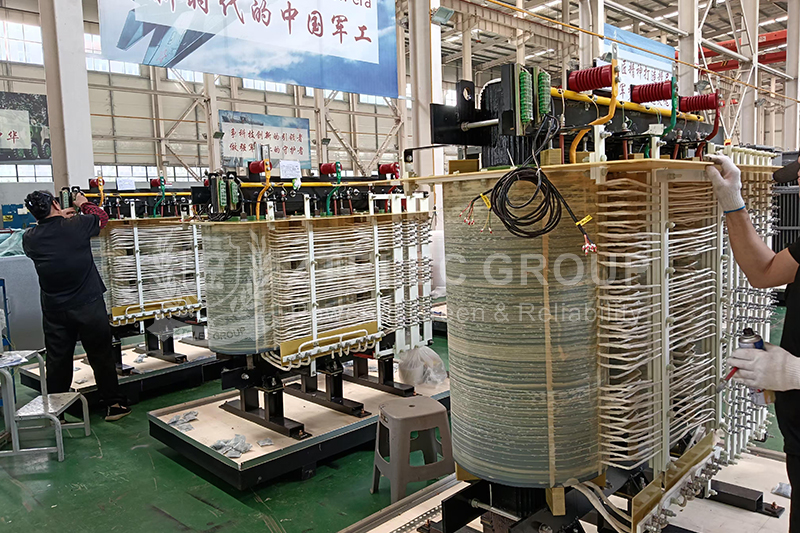
Phenolic cloth tubes are used for insulation protection of high and low voltage leads in transformers.
When selecting, choose models with high dielectric strength and good heat resistance.
During installation, pay attention to controlling the bending radius to avoid damage to the insulation layer.
3. Structural Support for Electrical Equipment
Phenolic cloth tubes is used as an insulating structural component in switchgear, control boxes, and other equipment.
When choosing, we should focus on the mechanical strength and dimensional stability.
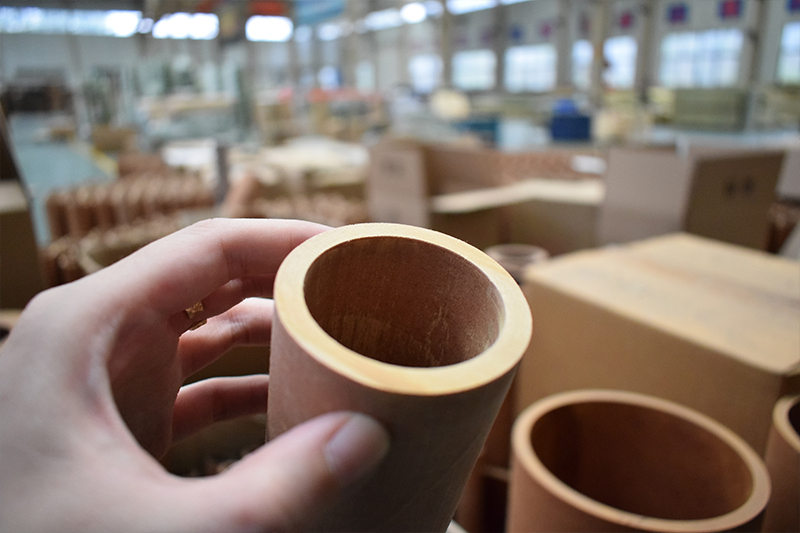
How to Judge the Quality of Phenolic Cloth Tubes?
When selecting a supplier, the following indicators can be used to judge product quality:
1.Does the material density meet standards?
Higher density indicates better strength and stability.
2.Is the surface smooth?
High-quality products have no obvious bubbles, delamination, or cracks.
3.Do the bending strength and heat resistance ratings comply with regulations?
It is recommended to check the test report or third-party experimental certification.
4.Does the supplier support customized processing?
Stronger customization capabilities better meet the actual needs of the project.
Correctly selecting and using phenolic cloth tubes is crucial for ensuring the safe and reliable operation of electrical equipment. By understanding product characteristics, clarifying actual needs, standardizing processing and installation procedures, and performing routine maintenance, its performance advantages can be fully utilized.
oil immersed transformer lifespan
oil immersed transformer maintenance
transformer lifecycle
transformer insulation aging
dry type transformer temperature monitoring
- more+releated article
- 2026-05-11How Long Does an Oil-Immersed Transformer Last
- 2026-05-08Modern Power System Dry-Type Transformer Insta
- 2026-05-07Oil-Immersed Transformer Overheating: Causes,
- 2026-05-07Dry-Type Transformers for Data Centers: 2026 R
- 2026-04-30Air-Core Reactor vs Iron-Core Reactor: How to
- 2026-04-29Compact Enclosed Transformer for Smart Grid: T
- 2026-04-2812-Pulse and 24-Pulse Phase-Shifting Transform
- 2026-04-27Oil-Immersed Transformers for Industrial Plant
- 2026-04-25Why Dry-Type Transformers Are Preferred for Ho
- 2026-04-24Enclosed Transformer Outdoor Solutions: IP Pro
- ELECTRICAL INSULATION BOARD MATERIALS
- ELECTRICAL INSULATION MATERIALS
- POWER TRANSFORMER
- ENAMELED WIRE
- SWITCHGEAR

transformer insulation aging
transformer lifecycle
oil immersed transformer lifespan
oil immersed transformer maintenance
dry type transformer installation
dry type transformer temperature monitoring
dry type transformer maintenance
dry type transformer sizing
transformer cooling system failure
transformer overheating causes
oil immersed transformer overheating
transformer oil temperature
harmonic mitigation
dry type transformer
K factor transformer
data center transformer
Cast resin transformer
insulation oil degradation
DGA analysis transformer
transformer fault analysis
oil immersed transformer failure
smart grid transformer
compact enclosed transformer
integrated distribution transformer
compact transformer substation