
Transformer Conservator Bladder Replacement Guide — Failure Signs, Replacement Procedures, and Compatible Models
The transformer conservator bladder, also known as a diaphragm or air bag, is one of the most critical sealing components inside a diaphragm-type conservator tank. Its primary function is to completely isolate insulating oil from external air, preventing moisture and oxygen from entering the transformer tank, slowing down insulating oil oxidation, and reducing the risk of insulation moisture contamination.
Once the conservator bladder becomes aged, cracked, punctured, or loses its sealing capability, the transformer’s moisture protection system will rapidly fail. This can cause a sharp increase in oil moisture content, potentially leading to partial discharge, insulation breakdown, or even transformer outages. Therefore, timely identification of bladder failures and proper replacement procedures are essential for ensuring the long-term safe operation of oil-immersed transformers.
This article provides a complete overview of conservator bladder structure and operation, common failure symptoms, standard replacement procedures, compatible transformer models, and preventive maintenance recommendations for substation maintenance personnel, asset managers, and transformer engineers.
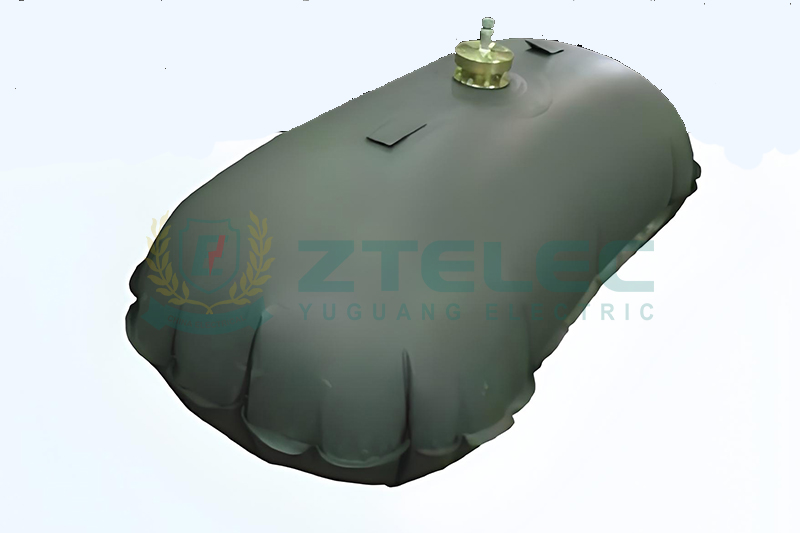
Working Principle and Structural Features of Transformer Conservator Bladders
A diaphragm-type conservator generally consists of a cylindrical metal conservator tank and an internal rubber bladder. The bladder divides the conservator into two separate zones: the insulating oil zone and the air zone. The oil zone is connected to the main transformer tank through pipelines, while the air zone communicates with the atmosphere through a breather.
When transformer load changes cause oil temperature fluctuations, the insulating oil expands or contracts accordingly. The bladder flexes elastically with oil volume changes while ensuring that the insulating oil never directly contacts outside air.
Because the bladder continuously undergoes mechanical stretching, compression, and long-term exposure to insulating oil, it generally ages faster than most transformer accessories and is considered one of the most vulnerable rubber components in the conservator system.
Common bladder materials include oil-resistant nitrile rubber (NBR), chloroprene rubber (CR), and EPDM rubber. Typical thickness ranges from 2mm to 4mm. Under normal operating conditions, service life is approximately 8 to 15 years, although actual lifespan depends heavily on operating temperature, oil quality, environmental humidity, and manufacturing quality.
Common Failure Signs and Diagnostic Methods for Conservator Bladders
Abnormal Increase in Insulating Oil Moisture Content
A rapid increase in insulating oil moisture content is one of the most obvious indicators of conservator bladder failure. Under normal conditions, moisture content in diaphragm-type conservator transformers is usually maintained below 10 ppm, while new oil typically contains less than 5 ppm.
If oil analysis shows moisture content rising rapidly above 20 ppm together with reduced breakdown voltage, the conservator bladder or flange sealing should be inspected immediately.
It is recommended to perform insulating oil physical and chemical testing at least once per year, including moisture content, breakdown voltage, dielectric dissipation factor (tanδ), and interfacial tension analysis.
Abnormal Dissolved Gas Analysis (DGA)
When the bladder fails, oxygen from the atmosphere can enter the insulating oil and accelerate oil oxidation. This may cause DGA results to show elevated oxygen content and abnormal CO₂/CO ratios.
If DGA testing does not indicate winding faults or partial discharge activity but oxygen-related indicators remain abnormal, conservator bladder condition should be investigated.
Abnormal Conservator Oil Level Indication
After bladder failure, air may directly enter the oil chamber, causing a “false oil level” condition where the oil level gauge appears normal despite large amounts of air already mixed into the insulating oil.
In some cases, the oil level indication may remain fixed and fail to fluctuate with temperature changes. This often indicates severe bladder deformation, sticking, or loss of elasticity.
Breather Silica Gel Saturates Too Quickly
Under normal conditions, silica gel desiccant replacement intervals range from several months to one year. If silica gel changes color unusually quickly, this indicates excessive air flow through the breather and may suggest that the bladder has lost its isolation capability.
Oil Leakage Around the Conservator or Pipelines
Long-term aging may cause cracks around bladder edges, allowing insulating oil to enter the air side and leak through breather pipes, vent holes, or top connections.
If visible oil traces are found around the conservator during inspection, immediate shutdown and inspection are strongly recommended.
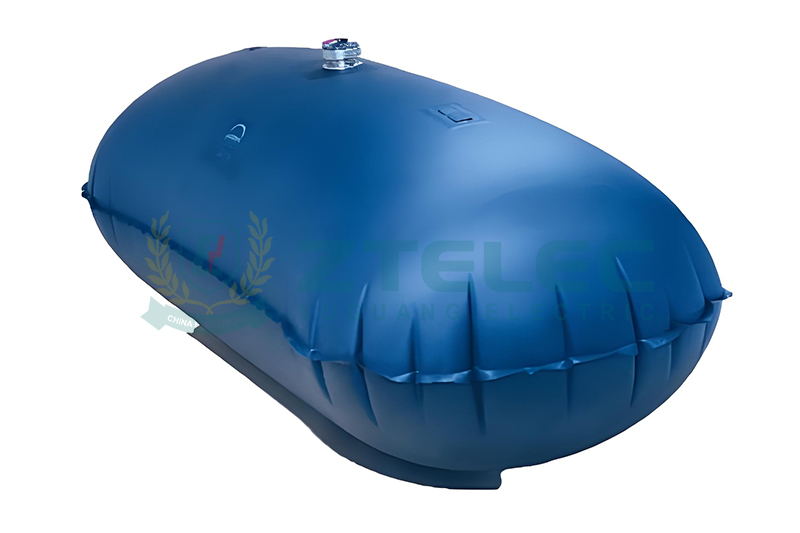
Standard Transformer Conservator Bladder Replacement Procedure
Step 1: Power Shutdown and Safety Isolation
Follow all electrical safety procedures for shutdown, voltage verification, grounding, and warning signage installation. Ensure the transformer has cooled sufficiently before starting oil draining operations, typically with oil temperature below 40°C.
Step 2: Insulating Oil Recovery
Open the drain valve and transfer insulating oil into sealed storage containers. During oil draining, record oil color, odor, and contamination conditions.
When oil level drops below the conservator, open the conservator vent valve simultaneously to prevent negative pressure from deforming the bladder.
Step 3: Conservator Removal
Disconnect the pipelines between the conservator and the main tank and remove flange bolts. For large power transformers, cranes or hydraulic lifting equipment should be used to prevent deformation or accidental dropping.
Step 4: Remove the Old Bladder
Open the conservator end cover flange and carefully remove the old bladder. Record the failure condition, including cracking, puncture, hardening, or tearing.
At the same time, inspect the conservator interior for rust, sludge, or contamination and clean as necessary.
Step 5: Clean and Inspect the Internal Chamber
Use clean white cloths to thoroughly clean the conservator interior. Carefully inspect flange sealing surfaces for corrosion, grooves, or burrs.
If severe corrosion is present, anti-corrosion treatment should be performed to prevent future oil contamination.
Step 6: Install the New Bladder
Fold the new bladder carefully and insert it into the conservator tank, ensuring it unfolds evenly without twisting or folding.
Use original-specification sealing gaskets and tighten flange bolts evenly according to manufacturer torque requirements to avoid leakage caused by uneven stress.
Before final installation, it is recommended to inject dry nitrogen into the bladder air side at approximately 0.01MPa to 0.03MPa to perform a preliminary leak test.
Step 7: Reinstall the Conservator and Refill Oil
After bladder installation, reinstall the conservator and reconnect all pipelines.
Refill qualified vacuum-degassed insulating oil slowly through the main tank while venting trapped air from the conservator vent valve until oil flows steadily from the vent.
After refilling, allow the transformer to stand for 4 to 8 hours and inspect all flanges, valves, and connections for leakage.
Step 8: Pre-Commissioning Tests
Before energizing the transformer, perform moisture content testing, breakdown voltage testing, winding insulation resistance measurement, and overall leakage inspection.
It is also recommended to apply slight positive pressure to the bladder air side for at least 30 minutes to verify airtightness.
Common Transformer Models and Conservator Bladder Compatibility
Compatibility Reference for Chinese Transformer Models
S11 and S13 series 10kV distribution transformers commonly use DN200 to DN400 conservator tanks with NBR oil-resistant rubber bladders. Recommended replacement intervals are approximately 10 to 12 years.
SFZ11 on-load tap-changing transformers generally use DN400 to DN600 conservators with CR chloroprene rubber bladders, typically requiring replacement every 8 to 10 years.
220kV and above OSFPS large power transformers usually use DN600 to DN800 conservator tanks with CR or EPDM bladders, with recommended replacement intervals of 8 to 12 years.
Dry-type transformers do not use insulating oil and therefore do not require conservator bladders.
Compatibility Notes for Imported Transformer Brands
Transformers from ABB, Siemens, Schneider Electric, and other international brands often use custom conservator bladder specifications. Before replacement, conservator diameter, bladder dimensions, and flange parameters should be carefully verified.
Using original manufacturer or authorized supplier components is strongly recommended to avoid premature aging, swelling, or deformation caused by incompatible materials.
Key Parameters for Bladder Selection
When selecting a conservator bladder, critical parameters include conservator inner diameter, effective bladder length, flange dimensions, oil temperature resistance rating, and rubber material type.
For transformers operating in high-temperature environments or under heavy load conditions, EPDM bladders with superior heat resistance are generally recommended.
Preventive Maintenance Recommendations for Conservator Bladders
Establishing a comprehensive preventive maintenance program is essential for extending conservator bladder service life and reducing transformer moisture contamination risks.
It is recommended to inspect conservator appearance, oil level, and leakage conditions quarterly; check breather silica gel every six months; perform annual oil moisture testing; and conduct internal conservator inspections every 3 to 5 years to evaluate bladder aging conditions.
In addition, avoiding long-term transformer overheating is extremely important. Top oil temperature is generally recommended to remain below 85°C to minimize thermal aging of the bladder.
Although conservator bladders are relatively small and inexpensive components, they serve as one of the most important moisture barriers in transformer protection systems. Regular inspection, early fault identification, and proper replacement procedures can significantly reduce insulating oil contamination risks and extend transformer service life.
It is recommended that utility companies and maintenance teams include conservator bladder condition assessment in annual preventive maintenance programs, combining oil testing, DGA analysis, and operational data to achieve early detection and early corrective action while minimizing insulation failure and outage risks.
transformer diaphragm replacement
transformer conservator bladder
transformer bladder
conservator air bag
diaphragm conservator tank
- more+releated article
- 2026-05-27Transformer Conservator Bladder Replacement Gu
- 2026-05-26110kV Power Transformer: Oil-Immersed vs Dry-T
- 2026-05-251000 kVA Dry-Type Transformer — Resin Cast,
- 2026-05-23China vs Europe Oil-Immersed Transformer Manuf
- 2026-05-221250 kVA Dry-Type vs Oil-Immersed Transformer:
- 2026-05-21Data Center Substations vs Industrial Substati
- 2026-05-2066kV vs 110kV Oil Immersed Transformers: Which
- 2026-05-19CWIEME Berlin 2026 · Day 1 Exhibition Report
- 2026-05-19Cast Resin vs VPI Dry-Type Transformers: Key D
- 2026-05-18Oil-Immersed Transformer vs Dry-Type Transform
- ELECTRICAL INSULATION BOARD MATERIALS
- ELECTRICAL INSULATION MATERIALS
- POWER TRANSFORMER
- ENAMELED WIRE
- SWITCHGEAR



transformer conservator bladder
transformer bladder
diaphragm conservator tank
transformer diaphragm replacement
conservator air bag
110kV transformer
dry type transformer
110kV dry type transformer
Oil immersed transformer
110kV oil immersed transformer
resin cast transformer
1000 kVA dry-type transformer
SCB10 transformer
low noise transformer
European transformer manufacturer
oil-immersed transformer
transformer procurement
China transformer manufacturer
1250kVA oil immersed transformer
1250kVA dry type transformer
oil immersed transformer cost
dry type transformer price
industrial substation
data center substation
data center UPS