
Transformer Oil Testing Guide: DGA, Moisture Content, and Dielectric Strength
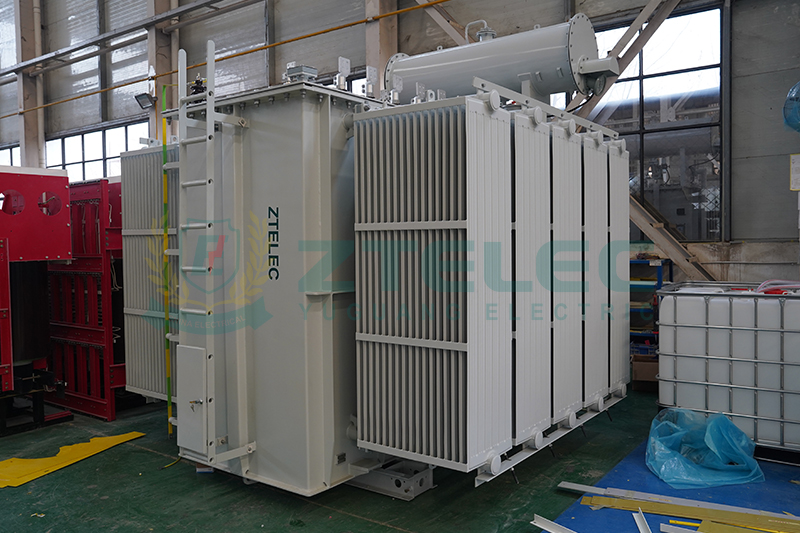
Transformer oil is one of the most important parts of an oil-immersed transformer. It provides insulation, cooling, and arc suppression. If the oil condition becomes poor, the transformer may overheat, lose insulation strength, or even fail completely.
Regular transformer oil testing helps maintenance teams detect hidden problems early. It also improves transformer reliability, extends service life, and reduces unexpected shutdowns.
This guide explains the three most important transformer oil tests:
Dissolved Gas Analysis (DGA), moisture content testing, and dielectric strength testing.
You will also learn field testing procedures, IEC standards, fault diagnosis methods, and preventive maintenance recommendations.
Why Transformer Oil Testing Matters
During operation, transformers are exposed to heat, electrical stress, vibration, and moisture. Over time, transformer oil slowly degrades.
Poor oil condition can cause:
Lower insulation performance.
Higher winding temperature.
Faster insulation paper aging.
Partial discharge and internal arcing.
Transformer failure or fire accidents.
Because of these risks, utilities and industrial plants perform regular oil testing as part of preventive maintenance programs.
Dissolved Gas Analysis (DGA)
What Is DGA?
Dissolved Gas Analysis (DGA) is one of the most effective methods for detecting internal transformer faults.
When overheating or electrical discharge occurs inside a transformer, the insulating oil and paper decompose and produce gases.
Common gases include:
Hydrogen (H₂), Methane (CH₄), Ethane (C₂H₆), Ethylene (C₂H₄), Acetylene (C₂H₂), Carbon Monoxide (CO), and Carbon Dioxide (CO₂).
Different faults create different gas patterns. By analyzing these gases, engineers can identify transformer problems before major failures occur.
DGA Oil Sampling Procedure
Correct oil sampling is critical for accurate DGA results.
Before sampling, make sure the transformer is operating normally and the oil temperature is stable.
Use a clean glass syringe or vacuum oil sampling bottle.
Open the bottom sampling valve and release about 200mL of oil to flush the valve and pipeline.
Then slowly collect the oil sample. Avoid bubbles during the process because bubbles can affect gas analysis results.
After sampling:
Seal the sample immediately.
Keep the container horizontal.
Label the sample with transformer ID, temperature, load condition, and sampling time.
DGA samples should ideally be tested within 4 hours.
DGA Fault Interpretation
IEC 60599 recommends using gas ratio methods to identify transformer faults.
| Fault Type | Main Gas | Typical Characteristics |
|---|---|---|
| Partial Discharge | H₂ | C₂H₂/C₂H₄ < 0.1 |
| Low Temperature Overheating | CH₄, C₂H₆ | CH₄/H₂ > 1 |
| Medium Temperature Overheating | C₂H₄ | C₂H₄/C₂H₆ > 1 |
| High Temperature Overheating | High C₂H₄ | C₂H₄/C₂H₆ > 3 |
| Spark Discharge | C₂H₂ | C₂H₂/C₂H₄ = 0.1~3 |
| Arc Discharge | Large C₂H₂ | C₂H₂/C₂H₄ > 3 |
Acetylene (C₂H₂) is especially important. High acetylene levels usually indicate serious discharge problems inside the transformer.
Recommended DGA Testing Frequency
Transformers above 110kV should receive DGA testing at least once per year.
New transformers should be tested after 1 month, 3 months, and 6 months of operation.
If abnormal gas growth is detected, testing frequency should be increased.
Transformer Oil Moisture Content Testing
Why Moisture Is Dangerous
Moisture is one of the biggest threats to transformer insulation systems.
Excess moisture reduces dielectric strength and accelerates insulation aging.
It can also cause:
Partial discharge.
Corrosion of metal parts.
Formation of free water droplets.
Lower transformer reliability.
Karl Fischer Moisture Testing
Karl Fischer titration is the standard moisture testing method defined by IEC 60814.
This method provides very high accuracy and is widely used in transformer maintenance laboratories.
Basic testing steps include:
Injecting fresh oil into the analyzer.
Starting the automatic titration process.
Reading the moisture result in ppm.
Calibrating the instrument using standard samples.
IEC Moisture Content Limits
| Voltage Class | Good Condition | Warning Level | Danger Level |
|---|---|---|---|
| ≤72.5kV | <40ppm | 40~60ppm | >60ppm |
| 72.5~170kV | <25ppm | 25~40ppm | >40ppm |
| >170kV | <15ppm | 15~25ppm | >25ppm |
How to Reduce Moisture in Transformer Oil
When moisture levels are too high, vacuum oil filtration is the most common treatment method.
This process removes moisture and dissolved gases from transformer oil.
Maintenance teams should also inspect:
Silica gel breathers.
Oil seals and gaskets.
Possible water ingress points.
Dielectric Strength Test (Breakdown Voltage Test)
What Is Dielectric Strength?
Dielectric strength testing measures the ability of transformer oil to resist electrical breakdown.
This test is also called Breakdown Voltage (BDV) testing.
Higher BDV values indicate better insulation performance.
BDV Field Testing Procedure
Use an automatic BDV tester that complies with IEC 60156.
The standard electrode gap is usually 2.5mm.
Before testing:
Clean the electrodes carefully.
Allow the oil sample to stand for 10 minutes to remove bubbles.
Apply voltage gradually at 2kV/s until breakdown occurs.
Each oil sample is normally tested six times, and the average value is recorded.
Typical Breakdown Voltage Standards
| Voltage Class | Minimum BDV | Warning Range |
|---|---|---|
| ≤15kV | ≥30kV | 30~40kV |
| 15~35kV | ≥35kV | 35~45kV |
| 66~110kV | ≥40kV | 40~50kV |
| 220kV and Above | ≥50kV | 50~60kV |
If BDV results fall below acceptable limits, the transformer oil should be treated or replaced immediately.
Main Factors Affecting BDV
Several factors can reduce dielectric strength:
High moisture content.
Solid contamination particles.
Oil oxidation and aging.
Carbon particles from internal discharge.
How to Analyze All Three Test Results Together
A single test result cannot fully evaluate transformer condition.
Maintenance engineers should analyze DGA, moisture content, and BDV results together.
For example:
Normal DGA but high moisture and low BDV usually indicate moisture contamination.
High acetylene levels in DGA often indicate internal discharge problems.
If all three test results are abnormal, the transformer may require shutdown and internal inspection.
Importance of Historical Oil Records
Keeping long-term transformer oil records is very important.
Trend analysis often reveals developing problems earlier than single test results.
Even if gas levels remain below alarm limits, continuous increases may still indicate hidden faults.
Frequently Asked Questions
How often should transformer oil be tested?
Most power transformers should receive annual oil testing. Critical transformers may require more frequent testing.
Can moisture testing replace BDV testing?
No. Moisture testing measures water content directly, while BDV evaluates overall insulation performance.
How long can oil samples be stored?
DGA samples should preferably be tested within 4 hours. Other oil samples should normally be tested within 24 hours.
Transformer oil testing is one of the most important parts of transformer preventive maintenance.
Dissolved Gas Analysis helps detect internal electrical and thermal faults early.
Moisture testing helps evaluate insulation aging risk.
Dielectric strength testing directly measures insulation performance.
By combining these three tests, utilities and industrial facilities can improve transformer reliability, reduce failure risk, and extend equipment service life.
Following IEC 60599, IEC 60814, and IEC 60156 testing standards also helps ensure safe and stable transformer operation.
transformer oil moisture content
dielectric strength test
breakdown voltage test
DGA testing
transformer oil testing
- more+releated article
- 2026-05-29Transformer Oil Testing Guide: DGA, Moisture C
- 2026-05-28Cast Resin vs VPI Dry-Type Transformers: Diffe
- 2026-05-27Transformer Conservator Bladder Replacement Gu
- 2026-05-26110kV Power Transformer: Oil-Immersed vs Dry-T
- 2026-05-251000 kVA Dry-Type Transformer — Resin Cast,
- 2026-05-23China vs Europe Oil-Immersed Transformer Manuf
- 2026-05-221250 kVA Dry-Type vs Oil-Immersed Transformer:
- 2026-05-21Data Center Substations vs Industrial Substati
- 2026-05-2066kV vs 110kV Oil Immersed Transformers: Which
- 2026-05-19CWIEME Berlin 2026 · Day 1 Exhibition Report
- ELECTRICAL INSULATION BOARD MATERIALS
- ELECTRICAL INSULATION MATERIALS
- POWER TRANSFORMER
- ENAMELED WIRE
- SWITCHGEAR



transformer oil moisture content
transformer oil testing
dielectric strength test
DGA testing
breakdown voltage test
Vacuum Pressure Impregnation Transformer
VPI transformer
epoxy resin transformer
Cast resin transformer
moisture resistant transformer
dry-type transformer
transformer conservator bladder
conservator air bag
transformer diaphragm replacement
transformer bladder
diaphragm conservator tank
110kV dry type transformer
110kV oil immersed transformer
110kV transformer
Oil immersed transformer
dry type transformer
SCB10 transformer
1000 kVA dry-type transformer
low noise transformer
resin cast transformer