
China Transformer OEM Manufacturing Services and Intellectual Property Protection Guide
As global demand for power distribution equipment continues to grow, more distributors, EPC contractors, and electrical equipment brands from Europe, the Middle East, Southeast Asia, Africa, and Latin America are turning to China for transformer OEM manufacturing services. By partnering with qualified Chinese transformer manufacturers, international brands can significantly reduce production costs while maintaining product quality and compliance with international standards.
In many cases, Chinese transformer factories can offer FOB pricing that is 25% to 45% lower than comparable manufacturers in Europe or other regions while still meeting IEC, ANSI, and other international requirements. However, successful OEM cooperation involves much more than obtaining a competitive price. Intellectual property protection, contract management, branding control, and production transparency are equally important factors that determine long-term success.
The most successful transformer OEM partnerships are built not only on manufacturing capabilities but also on clearly defined legal frameworks that protect brand assets, technical specifications, and commercial interests.
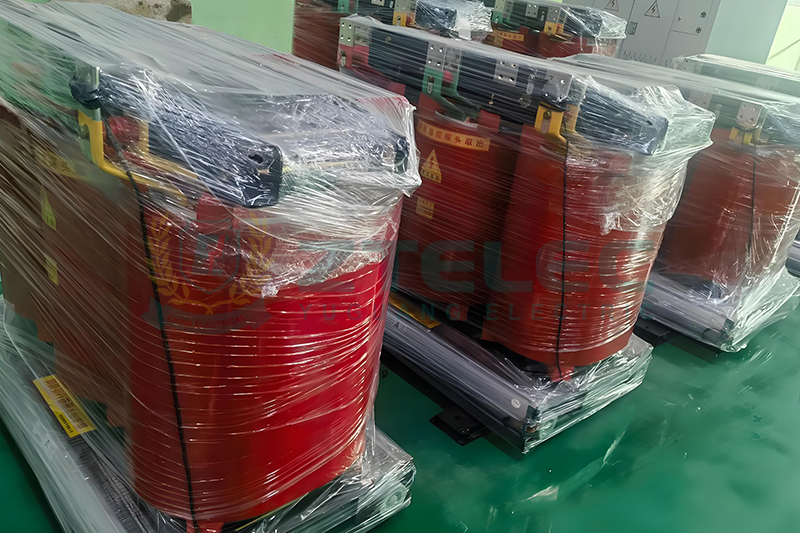
Why Global Brands Choose China for Transformer OEM Manufacturing
China has developed one of the world's most comprehensive transformer manufacturing ecosystems, supported by mature supply chains, advanced production equipment, skilled engineering resources, and internationally recognized testing capabilities.
Leading Chinese transformer manufacturers can provide complete OEM services covering oil immersed transformers, dry type transformers, pad mounted transformers, compact substations, power transformers, and renewable energy transformer solutions.
Key advantages include lower manufacturing costs, shorter lead times, strong customization capabilities, access to IEC-compliant designs, and large-scale production capacity capable of supporting global distribution networks.
What Does a Professional Transformer OEM Service Include?
Professional transformer OEM manufacturing extends far beyond simply placing a customer's logo on a nameplate. Modern OEM suppliers typically provide comprehensive branding, engineering, documentation, certification, packaging, and after-sales support services.
Brand Customization
Nameplates, transformer enclosures, packaging materials, operation manuals, installation guides, and technical documents can all be customized according to the buyer's corporate identity standards.
Technical Specification Customization
Manufacturers can tailor voltage ratings, transformer capacities, impedance values, efficiency levels, cooling methods, winding materials, and accessory configurations according to customer specifications and target market requirements.
Appearance and Coating Customization
Transformer enclosure colors can be matched to international RAL standards, while corrosion protection systems can be specified from C3 to C5 environments. Custom enclosure structures and branding elements can also be incorporated.
Certification and Documentation Support
Many experienced OEM suppliers assist customers in obtaining IEC type test reports, CE declarations, energy efficiency certifications, and market-entry documentation under the buyer's brand.
Packaging and Logistics Solutions
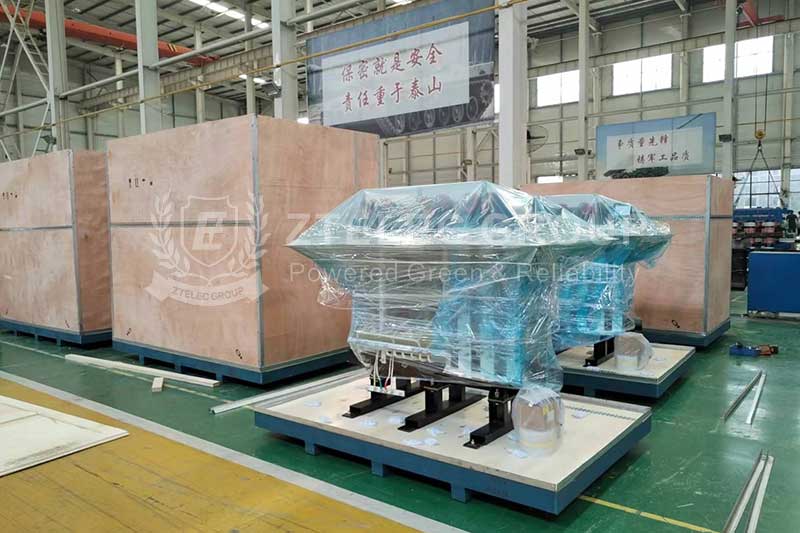
Customized wooden crates, steel-frame packaging, customer-specific shipping marks, container loading arrangements, and multiple Incoterms options including FOB, CIF, DAP, and DDP are commonly available.
Technical and After-Sales Support
Professional OEM manufacturers provide technical drawings, bills of materials, installation manuals, commissioning support, and remote engineering assistance under the customer's branding requirements.
OEM vs ODM: Understanding the Critical Difference
One of the most important distinctions in transformer manufacturing is the difference between OEM and ODM business models.
In a traditional OEM arrangement, the buyer provides technical specifications and product requirements, while the factory manufactures products according to those specifications under the buyer's brand. Intellectual property rights associated with the design generally remain with the buyer.
In an ODM arrangement, the manufacturer participates in product design and development. Unless otherwise specified in the contract, intellectual property ownership may remain with the factory.
Failure to clearly define whether a project is OEM or ODM can create significant intellectual property disputes in the future, particularly when similar products appear under competing brands.
Standard Transformer OEM Project Workflow
Step 1: Requirement Definition and NDA Execution
The buyer provides preliminary requirements such as transformer type, capacity range, voltage class, target market, and projected annual purchasing volume. A Non-Disclosure Agreement (NDA) should be signed before exchanging detailed technical information.
Step 2: Technical Specification Confirmation
Both parties finalize transformer specifications, including efficiency levels, winding materials, insulation systems, accessory requirements, applicable standards, and certification requirements.
Step 3: Prototype Production and Factory Acceptance Testing
Initial orders often include prototype units for validation. Buyers may conduct Factory Acceptance Testing (FAT) directly or appoint third-party inspection organizations such as SGS, Bureau Veritas, or TÜV.
Step 4: OEM Contract Execution
The formal contract should include intellectual property provisions, confidentiality obligations, exclusivity clauses when applicable, quality standards, payment terms, warranty conditions, and dispute resolution mechanisms.
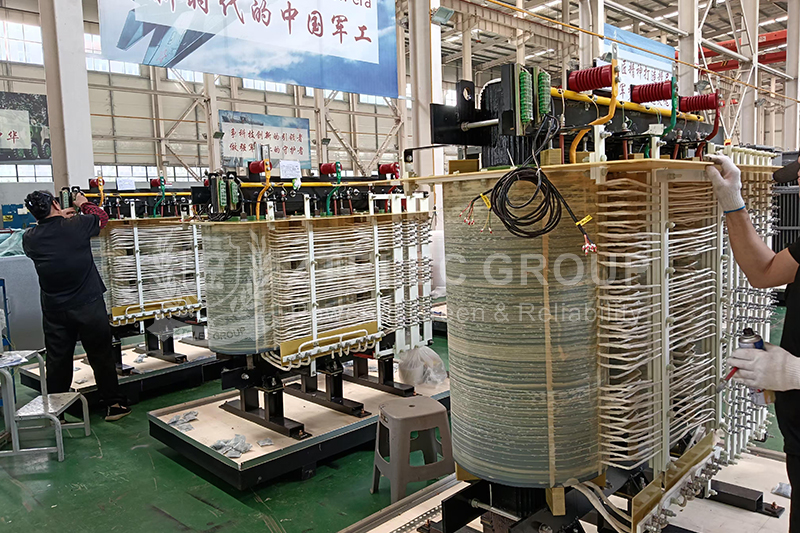
Step 5: Mass Production and Quality Control
During production, periodic inspections should verify nameplate information, winding materials, test results, and compliance with contractual specifications.
Step 6: Packaging, Shipment, and Documentation Delivery
The manufacturer completes packaging according to customer requirements and provides export documentation, including commercial invoices, packing lists, certificates of origin, and branded technical documentation.
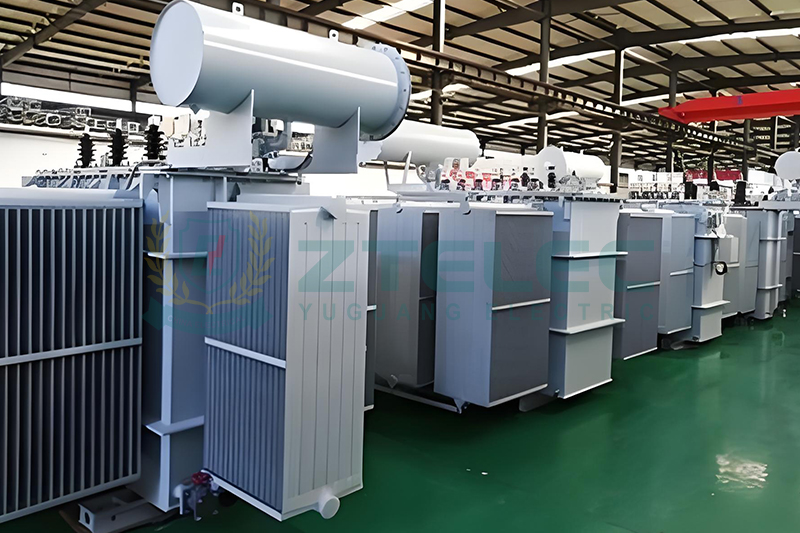
Intellectual Property Risks in Transformer OEM Projects
Intellectual property protection within transformer OEM cooperation typically involves three major areas: brand assets, technical information, and commercial data.
Trademark misuse, unauthorized production, technical specification leakage, design ownership disputes, tooling misuse, and supplier confidentiality issues are among the most common risks faced by international buyers.
A proactive intellectual property strategy should be established before production begins rather than after problems arise.
The Most Important Protection Strategy: Trademark Registration in China
Many international companies mistakenly assume that trademark rights obtained in their home countries automatically protect them in China. However, China operates under a first-to-file trademark registration system.
This means that if a foreign brand has not registered its trademark in China, another party may legally file the trademark first. In extreme cases, even an OEM supplier could become the registered trademark owner within China.
To avoid this risk, buyers should register their trademarks in China before beginning OEM negotiations. Filing early establishes legal priority even before the registration process is completed.
Eight Essential Clauses for Every Transformer OEM Contract
Intellectual property ownership clauses should clearly define ownership of specifications, drawings, trademarks, technical documents, and future design improvements.
Confidentiality agreements should cover technical data, pricing information, sales volumes, customer lists, and market strategies, with obligations continuing for several years after contract termination.
Exclusivity provisions may restrict suppliers from selling identical products to competing brands within specific geographic markets when legally permissible.
Nameplate serialization controls should require strict tracking of production quantities and destruction of unused branded nameplates.
Tooling ownership provisions should confirm that customer-funded molds, fixtures, and customized production tools remain the property of the buyer.
Supplier management clauses should require approval before changes to key material suppliers such as silicon steel, copper conductors, and transformer oil manufacturers.
Dispute resolution clauses should specify internationally recognized arbitration institutions such as CIETAC, SIAC, or ICC arbitration.
Data destruction provisions should require the return or certified destruction of all buyer-supplied technical documents and digital records after project completion.
How to Select a Reliable Transformer OEM Manufacturer
Not every transformer factory is qualified to support professional OEM partnerships. Buyers should evaluate suppliers based on technical capability, compliance systems, quality control procedures, and intellectual property awareness.
Positive indicators include ISO 9001 certification, CNAS-accredited laboratories, proven international OEM references, acceptance of third-party inspections, detailed traceability systems, and willingness to execute comprehensive NDAs.
Warning signs include reluctance to sign confidentiality agreements, refusal to disclose material sourcing information, lack of accredited testing capabilities, confusion between OEM and ODM concepts, and pricing significantly below industry averages without reasonable explanation.
OEM Manufacturing Is More Than Procurement—It Is Strategic Brand Outsourcing
Transformer OEM cooperation is fundamentally a strategic partnership in which buyers exchange brand value, market access, and technical specifications for manufacturing expertise and cost advantages.
Successful partnerships require clearly defined legal boundaries, transparent quality systems, and robust intellectual property protection mechanisms.
Trademark registration, professionally drafted OEM agreements, serialized nameplate control systems, and independent third-party inspections typically represent only a small percentage of the overall project value. However, these measures can provide substantial protection for brand reputation, technical assets, and long-term commercial interests.
When properly structured, transformer OEM manufacturing in China can become a powerful growth strategy that enables global brands to expand product offerings, improve profitability, and strengthen competitiveness in international markets.
transformer OEM supplier China
China transformer OEM
transformer private label manufacturing
OEM transformer manufacturer
ZTELEC GROUP Xujue Electrical Debuts at Booth 1N21
- more+releated article
- 2026-06-25China Transformer OEM Manufacturing Services a
- 2026-06-241500 kVA Oil Immersed Transformer for Substati
- 2026-06-24Successful Opening Day at CWIEME Shanghai 2026
- 2026-06-23Mineral Oil vs Biodegradable Ester Fluids in T
- 2026-06-22How to Write a 1250 kVA Cast Resin Transformer
- 2026-06-18ZTELECGROUP Mid-Year Sale 2026: Full Range Dis
- 2026-06-1811kV Compact Substations for Commercial Buildi
- 2026-06-17500 kVA Oil Immersed Transformer Selection &am
- 2026-06-16Oil Immersed Transformer Maintenance Guide: In
- 2026-06-151 MVA Compact Substation: Engineering Guide fo
- ELECTRICAL INSULATION BOARD MATERIALS
- ELECTRICAL INSULATION MATERIALS
- POWER TRANSFORMER
- ENAMELED WIRE
- SWITCHGEAR


transformer private label manufacturing
OEM transformer manufacturer
transformer OEM supplier China
China transformer OEM
ZTELEC GROUP Xujue Electrical Debuts at Booth 1N21
CWIEME Shanghai 2026
substation transformer
1500 kVA oil immersed transformer
transformer specification checklist
mineral oil transformer
FR3 insulating fluid
synthetic ester transformer
natural ester transformer
transformer procurement guide
1250 kVA cast resin transformer RFQ
IEC 60076-11 transformer
dry type transformer specification
11kV compact substation
11kV prefabricated substation
European type substation
compact substation
prefabricated substation
500kVA distribution transformer
industrial oil immersed transformer
500kVA Transformer Price