
Mineral Oil vs Biodegradable Ester Fluids in Transformers: A Guide to Safety, Environmental Performance and Cost Trade-Offs
The choice of insulating liquid in a liquid-filled transformer directly affects equipment safety, environmental compliance, operational lifespan, and total cost of ownership (TCO). For decades, mineral insulating oil compliant with IEC 60296 has dominated the global transformer market due to its proven reliability and relatively low cost. However, as data centers, rail transit systems, commercial complexes, underground substations, and renewable energy projects continue to expand, high-fire-point biodegradable fluids such as natural esters and synthetic esters are becoming increasingly popular.
For EPC contractors, consulting engineers, utilities, and procurement teams, understanding the differences between mineral oil and ester fluids in terms of fire safety, environmental impact, insulation aging, and long-term economics is essential for making informed investment decisions.
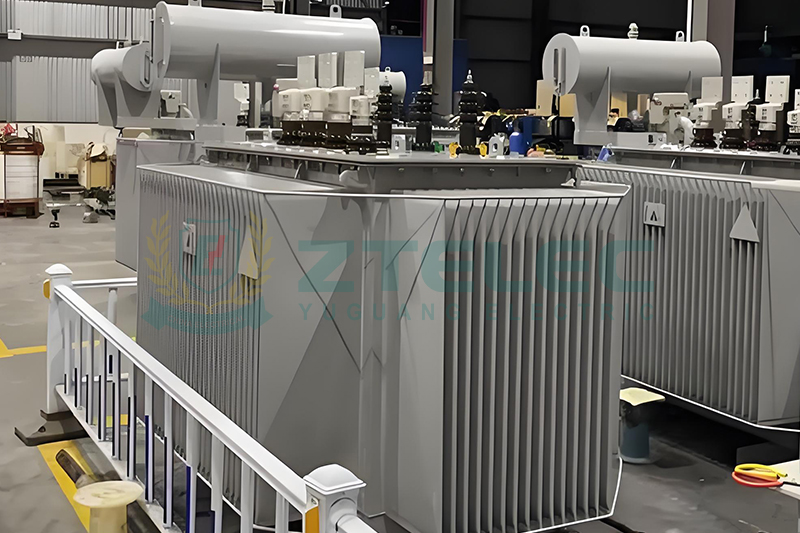
Why Transformer Insulating Fluid Selection Matters More Than Ever
Historically, transformer fluids were selected primarily for their insulation and cooling capabilities. Today, transformers are frequently installed in high-rise buildings, hospitals, airports, metro systems, data centers, and densely populated urban areas, where fire safety and environmental considerations have become critical design factors.
As global fire protection and environmental regulations become more stringent, high-fire-point insulating fluids are increasingly replacing traditional mineral oil in many applications. This trend is particularly evident in Europe, North America, and the Middle East, where the adoption of natural ester and synthetic ester transformers continues to grow.
Key Performance Comparison: Mineral Oil, Natural Ester and Synthetic Ester Fluids
The physical properties of insulating liquids largely determine their application suitability and operational characteristics.
Fire Safety Performance
Mineral oil typically has a flash point between 130°C and 145°C and a fire point ranging from 150°C to 165°C, classifying it as an O-class flammable liquid under IEC 61039.
Natural ester fluids generally have flash points exceeding 316°C and fire points above 360°C, making them K-class high-fire-point insulating liquids.
Synthetic ester fluids typically have flash points above 260°C and fire points exceeding 310°C, also meeting the requirements for K-class fluids.
From a fire safety perspective, natural and synthetic ester fluids require significantly higher external heat sources to sustain combustion, substantially reducing transformer fire risks.
Low-Temperature Performance
Mineral oil typically offers pour points ranging from -40°C to -60°C, making it suitable for most cold-weather applications.
Natural ester fluids generally have pour points between -10°C and -18°C, requiring careful evaluation in extremely cold environments.
Synthetic ester fluids can achieve pour points as low as -50°C or below, making them ideal for Nordic countries, Canada, Central Asia, and high-altitude cold regions.
Biodegradability
Mineral oil degrades slowly in the environment, with a typical 28-day biodegradation rate of less than 30%.
Natural and synthetic ester fluids both achieve biodegradation rates exceeding 97%, meeting OECD 301B requirements for readily biodegradable products.
As a result, ester fluids are particularly advantageous in drinking water protection zones, wetlands, environmentally sensitive areas, and nature reserves.
Fire Safety Analysis: The Engineering Value of High-Fire-Point Fluids
In many countries, the fire point of a transformer fluid affects not only equipment safety but also building fire protection requirements and installation approvals.
Fire Protection Requirements for Mineral Oil Transformers
Indoor transformers filled with mineral oil typically require dedicated fire compartments, oil containment pits, explosion relief systems, automatic fire suppression equipment, and smoke extraction systems.
These additional safety measures increase both construction costs and long-term maintenance expenses.
Installation Advantages of Ester-Filled Transformers
Because natural and synthetic ester fluids are classified as high-fire-point liquids, many jurisdictions allow reduced fire separation requirements or exemptions from certain fire protection measures.
Consequently, ester-filled transformers are widely used in commercial buildings, airports, hospitals, data centers, metro stations, and underground substations.
For projects with limited installation space, these benefits can translate into significant civil engineering cost savings.
Environmental Performance and Regulatory Compliance
As ESG standards and environmental regulations continue to evolve, the environmental impact of insulating liquids has become a major procurement consideration.
Environmental Risks of Mineral Oil
Mineral oil spills can persist in soil and groundwater for extended periods, often requiring costly remediation programs.
In Europe and North America, a major mineral oil contamination incident can result in cleanup costs ranging from tens of thousands to hundreds of thousands of dollars.
Environmental Advantages of Ester Fluids
Natural ester fluids are primarily derived from renewable vegetable oils and offer excellent biodegradability.
Synthetic ester fluids, while chemically manufactured, also provide outstanding environmental performance and rapid biodegradation.
As a result, ester-filled transformers are often preferred for projects requiring enhanced environmental compliance and sustainability credentials.
How Ester Fluids Extend Transformer Life
The service life of a transformer is largely determined by the aging rate of its cellulose insulation paper.
Moisture within the insulation system accelerates thermal aging, reducing transformer life expectancy.
Natural ester fluids can absorb approximately 20 times more moisture than mineral oil, helping draw water away from cellulose insulation and maintain lower moisture levels within the paper.
Research has shown that under identical operating conditions, the aging rate of cellulose insulation immersed in ester fluids can be only one-half to one-third that of insulation immersed in mineral oil.
This may extend transformer service life from the conventional 30–35 years to 45–55 years or more.
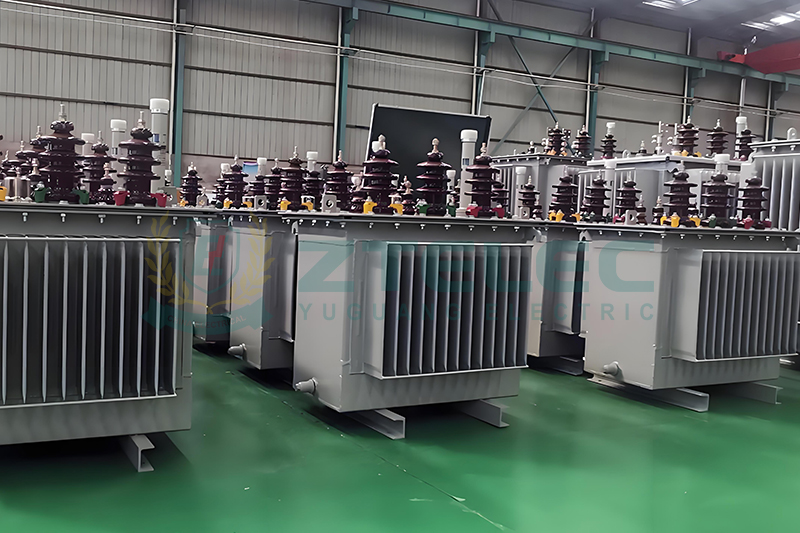
Purchase Cost Comparison
The choice of insulating fluid has a direct impact on transformer purchase costs.
Natural Ester Transformer Pricing
For distribution transformers rated between 500kVA and 1000kVA, natural ester fluids typically increase equipment costs by approximately 20% to 35%.
For medium and large transformers above 2000kVA, the premium generally falls to 15% to 25%.
As transformer capacity increases, the relative contribution of fluid cost decreases compared with core and winding costs.
Synthetic Ester Transformer Pricing
Synthetic ester fluids are generally more expensive than natural ester fluids, resulting in total transformer costs that are typically 20% to 40% higher than equivalent mineral oil units.
However, their superior low-temperature performance makes them indispensable for cold-climate applications.
Total Cost of Ownership (TCO) Analysis
For large infrastructure projects, comparing purchase prices alone rarely provides an accurate picture of long-term economic performance.
A comprehensive TCO analysis should include equipment procurement, installation, fire protection systems, environmental liabilities, maintenance costs, and future replacement expenses.
Fire Protection Infrastructure Costs
Mineral oil transformers often require oil containment pits, sprinkler systems, and fire-rated separation zones.
In urban indoor applications, these requirements can add thousands or even tens of thousands of dollars to project costs.
Ester-filled transformers can significantly reduce these additional expenditures.
Environmental Liability Costs
Environmental remediation costs associated with mineral oil spills are generally higher than those for ester-fluid transformers.
Insurance premiums and environmental liability risks may also be greater.
Asset Life Costs
Because ester fluids slow insulation aging, they can extend transformer service life and delay future replacement investments.
This advantage becomes especially valuable for infrastructure assets with expected operating lives exceeding 40 years.
Recommended Applications for Each Fluid Type
Applications Favoring Natural or Synthetic Ester Fluids
Data centers, hospitals, commercial buildings, airports, rail transit systems, underground substations, high-rise developments, and environmentally sensitive locations should prioritize high-fire-point ester fluids.
These applications typically place greater emphasis on fire safety, environmental responsibility, and long-term reliability.
Applications Favoring Mineral Oil
Outdoor industrial facilities, standard distribution networks, and cost-sensitive projects continue to benefit from the economic advantages of mineral oil transformers.
When adequate safety clearances and standard fire protection measures are available, mineral oil remains the most widely used transformer insulating fluid worldwide.
Recommendations for Cold Regions
Where minimum ambient temperatures fall below -25°C, synthetic ester fluids or specially formulated low-temperature mineral oils should be considered.
Natural ester fluids may require additional evaluation and low-temperature performance verification.
Future Market Trends
As electrical infrastructure becomes greener, smarter, and more sustainable, the adoption of high-fire-point biodegradable insulating fluids will continue to accelerate.
In data centers, renewable energy projects, rail transportation systems, and urban power distribution networks, natural and synthetic ester fluids are increasingly transitioning from niche products to mainstream solutions.
Future procurement decisions will focus less on initial equipment costs and more on safety, environmental compliance, asset longevity, and total lifecycle performance.
Mineral oil transformers will continue to dominate much of the global market due to their mature technology, widespread acceptance, and lower initial costs. For standard industrial and outdoor distribution applications, they remain the most economical choice.
However, in urban infrastructure, data centers, rail transit systems, underground substations, and environmentally sensitive projects, natural and synthetic ester fluids offer compelling advantages through superior fire safety, environmental performance, and extended insulation life.
The optimal solution is not simply the least expensive transformer, but the one that achieves the best balance among safety, sustainability, asset longevity, and total cost of ownership.
FR3 insulating fluid
synthetic ester transformer
natural ester transformer
mineral oil transformer
dry type transformer specification
- more+releated article
- 2026-06-23Mineral Oil vs Biodegradable Ester Fluids in T
- 2026-06-22How to Write a 1250 kVA Cast Resin Transformer
- 2026-06-18ZTELECGROUP Mid-Year Sale 2026: Full Range Dis
- 2026-06-1811kV Compact Substations for Commercial Buildi
- 2026-06-17500 kVA Oil Immersed Transformer Selection &am
- 2026-06-16Oil Immersed Transformer Maintenance Guide: In
- 2026-06-151 MVA Compact Substation: Engineering Guide fo
- 2026-06-12How to Evaluate Chinese Transformer Suppliers:
- 2026-06-11500 kVA Compact Substation: Design, Configurat
- 2026-06-1011kV Dry Type Transformer: Technical Guide, St
- ELECTRICAL INSULATION BOARD MATERIALS
- ELECTRICAL INSULATION MATERIALS
- POWER TRANSFORMER
- ENAMELED WIRE
- SWITCHGEAR



mineral oil transformer
natural ester transformer
synthetic ester transformer
FR3 insulating fluid
transformer procurement guide
dry type transformer specification
IEC 60076-11 transformer
1250 kVA cast resin transformer RFQ
compact substation
prefabricated substation
11kV prefabricated substation
11kV compact substation
European type substation
500kVA distribution transformer
500kVA Transformer Price
500 kVA Oil Immersed Transformer
industrial oil immersed transformer
oil immersed transformer maintenance
transformer oil testing
transformer inspection checklist
1 MVA compact substation
1000 kVA compact substation
1 MVA box type substation
transformer supplier evaluation
Chinese transformer suppliers