
500 kVA Oil Immersed Transformer: EXW vs CIF Price Comparison – Understanding the True Cost of Global Procurement
When sourcing a 500 kVA oil immersed transformer from China, international buyers often receive two very different quotations: one based on EXW (Ex Works) and another based on CIF (Cost, Insurance and Freight). Although both quotations refer to the same transformer, the final prices can differ by USD 2,000–3,500 or even more.
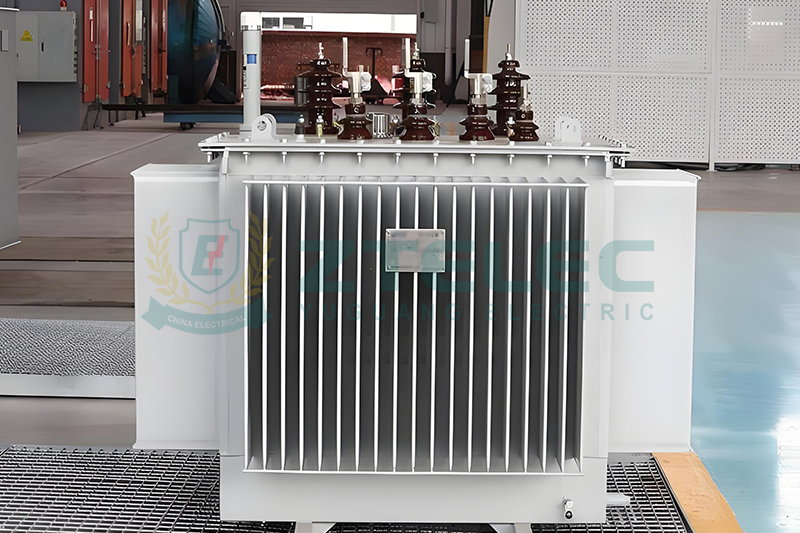
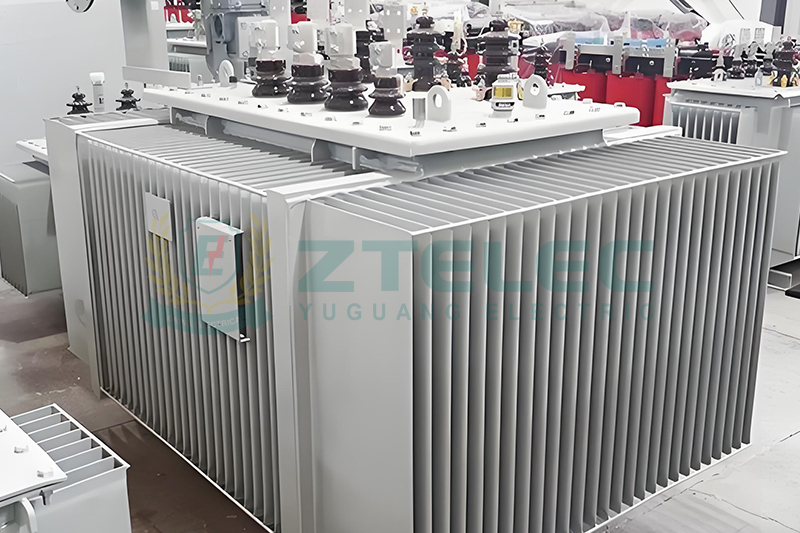
For example, a standard IEC 60076 compliant 500 kVA 11/0.4 kV oil immersed distribution transformer may have an EXW factory price of approximately USD 8,000, while the CIF price delivered to ports such as Lagos, Jakarta, Dubai or Rotterdam could exceed USD 10,500.
The difference is not simply additional profit. It reflects transportation, export procedures, marine insurance, freight charges, documentation, and supply chain management. Understanding these cost components allows buyers to evaluate quotations accurately and negotiate more effectively.
What Is the Difference Between EXW and CIF?
EXW (Ex Works)
Under EXW terms, the supplier's responsibility ends once the transformer is made available at the factory. Every subsequent expense becomes the buyer's responsibility, including domestic transportation within China, export customs clearance, terminal handling charges, ocean freight, cargo insurance, destination customs clearance and inland transportation.
Although EXW generally offers the lowest quoted price, overseas buyers without established logistics partners in China often discover that the actual procurement cost becomes considerably higher after arranging transportation and export formalities independently.
CIF (Cost, Insurance and Freight)
Under CIF terms, the supplier arranges transportation from the manufacturing facility to the destination port, including export customs clearance, ocean freight and cargo insurance.
For many overseas EPC contractors, utilities and electrical distributors, CIF significantly simplifies procurement because only destination customs clearance, import duties and inland delivery remain under the buyer's responsibility.
Simply put, EXW reflects manufacturing cost only, while CIF represents a nearly complete delivered-port cost.
Cost Breakdown: From EXW Factory Price to CIF Delivered Price
Using a standard 500 kVA, 11/0.4 kV copper-wound oil immersed transformer manufactured in China as an example, the total procurement cost generally includes the following components.
1. Factory Manufacturing Cost (EXW)
The EXW quotation mainly consists of raw materials, manufacturing processes and factory operating costs.
Electrical steel used for the transformer core typically accounts for approximately 25%–30% of total manufacturing cost. Copper or aluminum windings contribute another 30%–40%, while transformer oil, steel tank fabrication, painting, testing, quality inspection and factory overhead complete the remaining cost structure.
Depending on efficiency level (S11, S13 or S15), copper prices, certification requirements and delivery schedule, the typical EXW price for a quality 500 kVA oil immersed transformer ranges between USD 7,500 and USD 12,000.
2. Inland Transportation Within China
Transformers are commonly transported from manufacturing centers such as Henan, Jiangsu or Guangdong to export ports including Shanghai, Ningbo, Qingdao, Tianjin or Guangzhou.
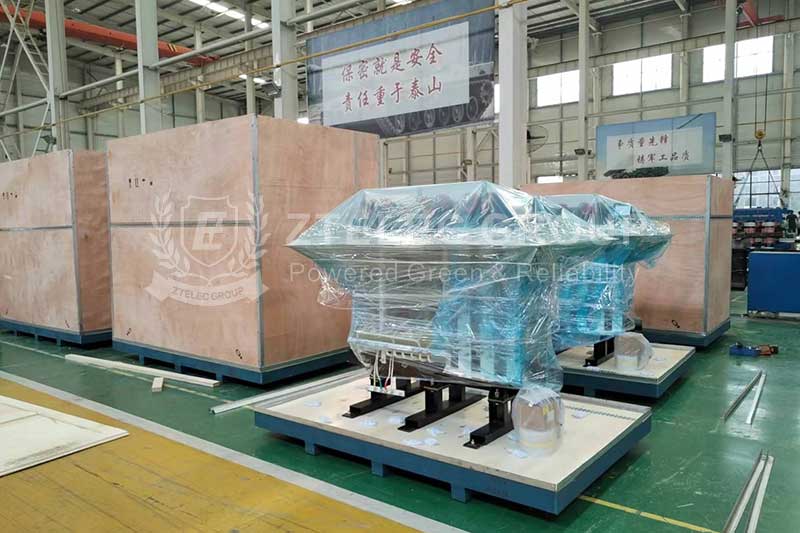
A 500 kVA transformer generally weighs between 1.8 and 2.5 metric tons and occupies approximately 3–5 cubic meters after export packaging.
Typical domestic transportation costs range from USD 150 to USD 450, depending on travel distance and local trucking rates.
3. Export Customs Clearance and Port Charges
Export procedures involve customs declaration, documentation preparation, terminal handling charges (THC), port service fees and customs broker charges.
These costs generally range from USD 150 to USD 280.
Most 500 kVA oil immersed transformers are classified under HS Code 8504.21, making proper export documentation essential for customs compliance and tax processing.
4. Ocean Freight
Most single 500 kVA transformers are shipped either as LCL (Less than Container Load) cargo or inside a 20-foot container.
Ocean freight varies significantly according to destination, seasonal demand and shipping line availability.
| Destination | Typical Freight Cost |
|---|---|
| Southeast Asia | USD 80–150 per CBM |
| Middle East | USD 90–160 per CBM |
| West Africa | USD 120–220 per CBM |
| Europe | USD 100–200 per CBM |
| South America | USD 150–280 per CBM |
For a shipment occupying approximately 4 CBM, ocean freight usually falls between USD 400 and USD 900, although peak-season shipping rates may increase by 20%–40%.
5. Marine Cargo Insurance
International cargo insurance is generally calculated based on approximately 110% of the CIF value.
Premium rates typically range from 0.3% to 0.6%, resulting in insurance costs of approximately USD 30–80 for a standard shipment.
Typical EXW vs CIF Cost Comparison
| Cost Item | Estimated Cost (USD) |
|---|---|
| Transformer EXW Price | 7,500–12,000 |
| Domestic Transportation | 150–450 |
| Export Clearance & Port Charges | 150–280 |
| Ocean Freight | 400–900 |
| Marine Insurance | 30–80 |
| Estimated CIF Price | 8,230–13,710 |
In most cases, logistics and export-related expenses account for approximately 10%–25% of the EXW value, making them an essential consideration when comparing supplier quotations.
When Should Buyers Choose CIF?
CIF is generally the better option for first-time importers, companies without logistics operations in China, projects requiring documentary credit (L/C), or buyers purchasing only one to three transformers.
It also reduces communication complexity because the manufacturer coordinates inland transportation, export procedures and international shipping.
When Is EXW or FOB More Advantageous?
Experienced importers with established freight forwarders often prefer EXW or FOB pricing.
Large-volume orders—typically ten units or more—allow buyers to negotiate lower container freight rates, consolidate shipments and maintain greater control over scheduling and logistics.
Requesting both EXW and FOB quotations also makes it easier to compare manufacturing costs among different transformer suppliers without logistics affecting the comparison.
Additional Factors That Influence Global Transformer Pricing
Energy Efficiency Class
Higher-efficiency transformers such as S13 and S15 use superior core materials and lower-loss designs. Their purchase price is generally 15%–30% higher than standard S11 models but may substantially reduce lifetime operating costs through lower no-load and load losses.
Technical Standards and Certifications
IEC 60076 remains the most widely accepted international transformer standard. However, projects in North America, Australia and the United Kingdom often require IEEE, ANSI, AS/NZS or BS EN compliance, which may increase manufacturing costs by 5%–15% while extending production schedules by several weeks.
Raw Material Prices
Copper and grain-oriented electrical steel (GOES) are the two largest cost drivers in transformer manufacturing.
A 10% increase in copper prices may increase the manufacturing cost of a copper-wound 500 kVA transformer by approximately 3%–5%. Buyers signing long-term supply agreements should consider including raw-material price adjustment clauses.
Import Duties and Local Taxes
Import tariffs vary considerably between countries. Some markets impose zero-duty policies under free trade agreements, while others apply tariffs exceeding 20%.
In addition to customs duties, VAT, GST or other import taxes may significantly increase the total landed cost, sometimes exceeding international freight expenses.
Total Cost of Ownership (TCO): The Smarter Procurement Strategy
The most competitive quotation is not always the lowest EXW price. Professional procurement teams evaluate the Total Cost of Ownership (TCO), including logistics, customs duties, certification requirements, energy efficiency, installation, maintenance, operating losses and after-sales support.
Working with an experienced Chinese transformer manufacturer capable of providing transparent EXW, FOB and CIF quotations allows buyers to accurately compare procurement options while minimizing hidden costs and supply chain risks.
Before placing an order, international buyers should request detailed quotations under multiple Incoterms, verify every logistics cost component and assess long-term operating expenses rather than focusing solely on factory price. This comprehensive procurement approach delivers better project budgeting, lower lifecycle costs and more reliable global transformer sourcing.
500 kVA transformer price
CIF transformer price
EXW transformer price
500 kVA Oil Immersed Transformer
315kVA oil immersed transformer
- more+releated article
- 2026-06-29500 kVA Oil Immersed Transformer: EXW vs CIF P
- 2026-06-26315 kVA Transformers for Commercial Buildings:
- 2026-06-25China Transformer OEM Manufacturing Services a
- 2026-06-241500 kVA Oil Immersed Transformer for Substati
- 2026-06-24Successful Opening Day at CWIEME Shanghai 2026
- 2026-06-23Mineral Oil vs Biodegradable Ester Fluids in T
- 2026-06-22How to Write a 1250 kVA Cast Resin Transformer
- 2026-06-18ZTELECGROUP Mid-Year Sale 2026: Full Range Dis
- 2026-06-1811kV Compact Substations for Commercial Buildi
- 2026-06-17500 kVA Oil Immersed Transformer Selection &am
- ELECTRICAL INSULATION BOARD MATERIALS
- ELECTRICAL INSULATION MATERIALS
- POWER TRANSFORMER
- ENAMELED WIRE
- SWITCHGEAR

CIF transformer price
EXW transformer price
500 kVA Oil Immersed Transformer
500 kVA transformer price
315kVA dry type transformer
315 kVA transformer
315kVA oil immersed transformer
Cast resin transformer
transformer private label manufacturing
OEM transformer manufacturer
China transformer OEM
transformer OEM supplier China
CWIEME Shanghai 2026
ZTELEC GROUP Xujue Electrical Debuts at Booth 1N21
transformer specification checklist
1500 kVA oil immersed transformer
substation transformer
mineral oil transformer
FR3 insulating fluid
natural ester transformer
synthetic ester transformer
transformer procurement guide
dry type transformer specification
IEC 60076-11 transformer
1250 kVA cast resin transformer RFQ