
China Transformer After-Sales Support: A Complete Guide to Warranty, Spare Parts and Technical Assistance
As global investments in power grid modernization, renewable energy, data centers, and industrial infrastructure continue to grow, an increasing number of international buyers are choosing Chinese transformer manufacturers as long-term supply partners. Supported by a comprehensive industrial supply chain, advanced manufacturing capabilities, competitive pricing, and flexible production capacity, China has become one of the world's leading sources of power and distribution transformers.
However, for overseas procurement, the true value of a purchasing contract extends well beyond equipment delivery. Since transformers typically operate for 20 to 30 years, the quality of the after-sales support system directly affects equipment reliability, maintenance costs, and long-term project returns. Therefore, in addition to evaluating product performance, pricing, and delivery schedules, buyers should carefully assess a supplier's warranty policy, spare parts availability, technical support capabilities, and global service network.
This guide explains the key aspects of transformer after-sales support that international buyers should evaluate when sourcing transformers from China, helping EPC contractors, utilities, industrial companies, and distributors build a more reliable procurement strategy.
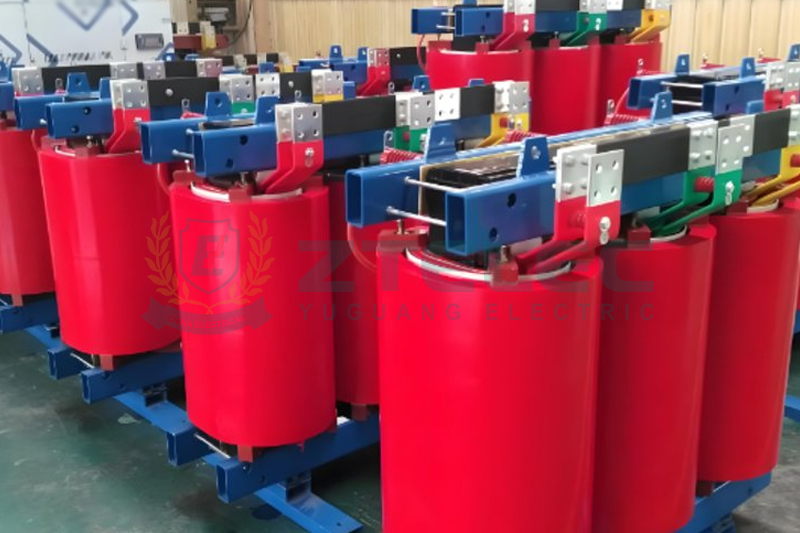
A Comprehensive Warranty Policy Forms the Foundation of Long-Term Cooperation
A warranty is more than a contractual obligation—it reflects the manufacturer's confidence in product quality and long-term service capability. A well-defined warranty policy helps reduce the risk of early equipment failures while lowering operating costs throughout the project lifecycle.
Clearly Define the Warranty Period
Most Chinese transformer manufacturers offer a standard warranty period of 12 to 18 months from shipment or 12 months after commissioning, whichever comes first.
For large power transformers, smart transformers, or critical infrastructure projects, some manufacturers can provide extended warranty coverage of 24 months or longer through contractual agreements.
Buyers should carefully clarify when the warranty begins, particularly for projects involving long ocean transportation, extended storage periods, or delayed installation. Whenever possible, negotiating the warranty to begin after successful commissioning can maximize practical warranty protection.
Clearly Define Warranty Coverage
The contract should clearly specify which failures are considered manufacturing defects and which are caused by transportation, installation, operation, or maintenance issues.
In general, transformer windings, magnetic cores, insulation systems, oil tanks, bushings, cooling systems, and manufacturing defects are covered under warranty. Damage caused by overloading, improper installation, natural disasters, unauthorized modifications, or inadequate maintenance is typically excluded.
To minimize future disputes, buyers are advised to include a detailed warranty scope as an appendix to the purchase contract.
Evaluate Response Time Commitments
For international projects, warranty duration alone is insufficient. The supplier's response time is equally important.
Professional manufacturers typically provide an initial technical response within 24 to 48 hours after receiving a service request. For critical infrastructure projects, contracts may also include onsite engineering support, remote diagnostics, emergency spare parts delivery, and defined service-level commitments.
Spare Parts Availability Determines Long-Term Equipment Reliability
Since transformers are designed for decades of continuous operation, spare parts availability directly affects maintenance efficiency and minimizes costly downtime.
Purchase Recommended Spare Parts Together with the Equipment
When placing the transformer order, buyers are encouraged to purchase a recommended spare parts package that includes sealing gaskets, oil level indicators, temperature controllers, silica gel for breathers, protective components, and other frequently replaced items.
Although these parts are relatively inexpensive, international shipping delays can significantly extend repair times if replacements are unavailable locally.
Develop a Critical Spare Parts Inventory Strategy
For critical components such as bushings, on-load tap changers (OLTC), cooling fans, controllers, and protection devices, buyers should establish an inventory strategy based on the number of transformers installed, operating conditions, and project criticality.
Many leading Chinese transformer manufacturers have established regional spare parts warehouses or distribution centers in Southeast Asia, the Middle East, Africa, Europe, and South America, enabling much faster emergency response times.
Ensure Long-Term Spare Parts Availability
Because transformers often remain in service for more than two decades, buyers should verify whether the manufacturer guarantees long-term supply of original spare parts.
For customized transformers, suppliers should provide comprehensive spare parts lists, technical specifications, and engineering drawings to ensure compatible replacement components remain available throughout the equipment's service life.
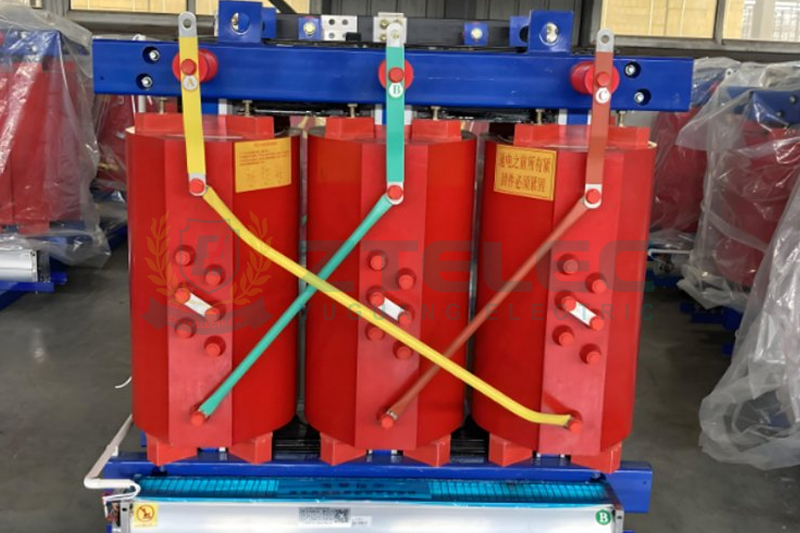
Technical Support Throughout the Equipment Lifecycle
Excellent after-sales service extends far beyond repairs. Comprehensive technical support should cover installation, commissioning, operation, maintenance, and future upgrades.
Installation and Commissioning Support
Large oil-immersed and power transformers require specialized installation procedures, including lifting, vacuum oil filling, drying, dielectric testing, and onsite commissioning.
Buyers should clarify whether the manufacturer provides onsite engineers, remote video support, or hybrid technical assistance, and define all associated responsibilities and costs within the purchase agreement.
Operation and Maintenance Training
Leading manufacturers typically provide comprehensive technical training covering equipment operation, routine inspections, oil analysis schedules, troubleshooting procedures, and preventive maintenance practices.
Complete English-language operation manuals, maintenance guides, wiring diagrams, and factory test reports should also be supplied to help local maintenance teams operate the equipment independently.
Digital Remote Monitoring and Predictive Maintenance
With the rapid development of smart grids and Industrial Internet of Things (IIoT) technologies, many modern transformers now support online condition monitoring systems.
By continuously collecting operational data such as oil temperature, winding temperature, electrical load, voltage, current, partial discharge activity, and insulation condition, manufacturers can remotely analyze transformer performance and identify potential faults before failures occur.
For large industrial facilities, renewable energy plants, and data centers, these digital maintenance solutions significantly improve equipment availability while reducing long-term operating costs.
Global Technical Service Network
International buyers should carefully evaluate whether a manufacturer has established a comprehensive overseas service network, including authorized service centers, regional engineering teams, local distributors, and qualified maintenance partners.
A well-developed global support network enables rapid onsite assistance while minimizing travel delays associated with dispatching engineers from China, thereby improving operational continuity for mission-critical projects.
How to Evaluate a Supplier's After-Sales Service Capability
When selecting a transformer supplier, after-sales service capability should carry equal importance to product quality.
Buyers should evaluate whether the manufacturer has proven international project experience, reliable spare parts management, rapid technical response procedures, long-term engineering support, and advanced digital service platforms.
In addition, reviewing previous international projects and speaking with existing customers can provide valuable insights into the supplier's real-world service performance beyond the commitments stated in tender documents.
For large EPC projects, it is also recommended to establish a formal Service Level Agreement (SLA) covering response times, spare parts delivery schedules, onsite service commitments, and technical support responsibilities, thereby reducing operational risks throughout the project lifecycle.
When sourcing transformers from China, a manufacturer's long-term service capability is just as important as its manufacturing expertise.
A comprehensive after-sales support system—including clear warranty policies, reliable spare parts supply, professional technical assistance, digital remote monitoring, and a global service network—forms the foundation for successful transformer operation throughout its entire service life.
For international buyers, after-sales support should be treated as a core supplier evaluation criterion alongside product quality, pricing, and delivery performance during both supplier selection and contract negotiations. Choosing a Chinese transformer manufacturer with extensive international experience, a strong global service infrastructure, and long-term technical support capabilities will help reduce lifecycle costs, improve operational reliability, and maximize the overall return on investment.
transformer after-sales service
transformer warranty
China transformer procurement
transformer spare parts
33kV compact substation
- more+releated article
- 2026-07-13China Transformer After-Sales Support: A Compl
- 2026-07-1133kV Compact Substations for Industrial Parks:
- 2026-07-10China Oil-Immersed Transformer Manufacturers:
- 2026-07-09Prefabricated Substations for Africa & Eme
- 2026-07-08How to Order Dry-Type Transformer Samples from
- 2026-07-07500kVA Oil-Immersed Transformer Buying Guide:
- 2026-07-061 MVA Compact Substation Installation Guide: C
- 2026-07-04Reliability of Copper Winding Oil-Immersed Tra
- 2026-07-03China Dry Type Transformer Pricing Guide: Mate
- 2026-07-02500 kVA Prefabricated Substation: Indoor vs Ou
- ELECTRICAL INSULATION BOARD MATERIALS
- ELECTRICAL INSULATION MATERIALS
- POWER TRANSFORMER
- ENAMELED WIRE
- SWITCHGEAR


transformer warranty
transformer after-sales service
China transformer procurement
transformer spare parts
33kV compact substation
industrial park substation
33kV prefabricated substation
compact transformer substation
oil immersed transformer supplier China
power transformer manufacturer
China oil immersed transformer manufacturer
compact substation
Africa Power Infrastructure
prefabricated substation
Package Substation
box type substation
dry type transformer supplier
transformer sample order
order transformer from China
dry-type transformer sample
oil filled transformer
500kVA transformer
transformer supplier
transformer buying guide
500kVA oil immersed transformer