
Prefabricated Substations for Africa & Emerging Markets: Technical Specifications and Supplier Selection Guide
Across Africa, Southeast Asia, Latin America, and other emerging economies, governments and private investors are accelerating power infrastructure development to support urbanization, industrial growth, mining operations, renewable energy integration, and rural electrification. However, many projects face common challenges including limited construction resources, demanding environmental conditions, constrained budgets, and aggressive project schedules.
Compared with conventional civil-built substations that may require months of on-site construction, prefabricated substations (also known as compact substations, package substations, or box-type substations) offer a factory-assembled solution that significantly reduces installation time while improving quality consistency and operational reliability. Their modular design has made them the preferred choice for EPC contractors, utilities, industrial developers, and renewable energy investors operating in emerging markets.
Choosing the right prefabricated substation requires more than comparing prices. Understanding key technical specifications, environmental requirements, international standards, and supplier capabilities is essential for ensuring long-term project success.
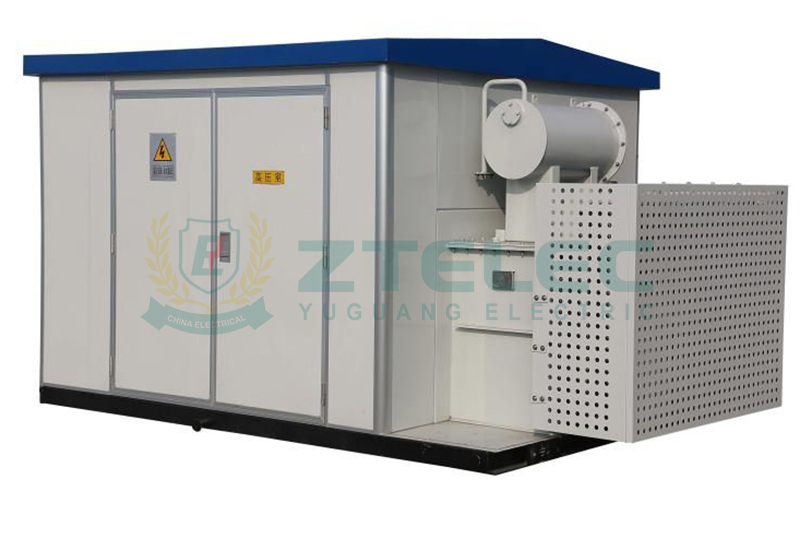
Why Prefabricated Substations Are Ideal for Emerging Markets
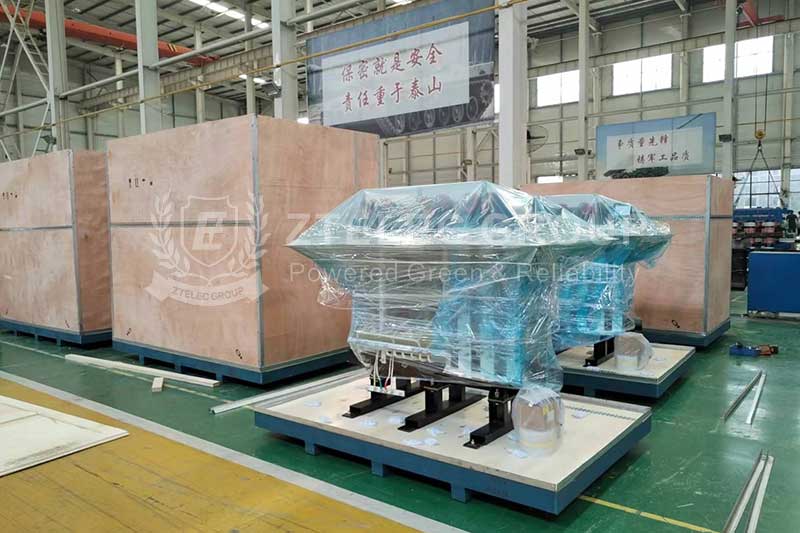
Factory integration is one of the biggest advantages of prefabricated substations. Transformers, medium-voltage switchgear, low-voltage distribution panels, protection systems, internal wiring, and factory acceptance testing (FAT) are completed before shipment, allowing rapid on-site installation and commissioning.
This approach typically shortens project schedules by more than 60%, making it especially valuable for emergency grid restoration, mining projects, industrial facilities, and fast-track renewable energy installations.
Modular construction also improves transportation efficiency. Standard container-compatible designs simplify international shipping and reduce logistical challenges in remote regions where road infrastructure may be limited.
Environmental adaptability is another major benefit. Enclosures can be engineered for high ambient temperatures, heavy dust, tropical humidity, coastal salt spray, and intense UV exposure, enabling reliable operation across diverse African climates ranging from the Sahara Desert to coastal West Africa.
Standardized components further simplify maintenance, reduce spare parts inventory, and minimize dependence on highly specialized local electrical technicians.
Critical Technical Specifications to Evaluate
Voltage Ratings and Transformer Capacity
The first consideration is compatibility with the local utility network. Common voltage configurations include 10kV/0.4kV, 11kV/0.4kV, 20kV/0.4kV, 33kV/11kV, and 35kV/10kV.
Distribution applications typically require transformer capacities between 100 kVA and 2500 kVA, while mining operations, industrial facilities, and utility substations often require larger custom-engineered solutions.
Understanding local grid standards is critical. Many English-speaking African countries commonly operate 11kV distribution systems, whereas several French-speaking regions continue to utilize 20kV distribution networks.
Environmental Protection and Enclosure Design
Outdoor substations installed in emerging markets must withstand harsh environmental conditions throughout their service life.
IP33 protection is generally suitable for standard outdoor installations, while IP54 or higher is recommended for dusty environments such as mining sites and desert regions. High-performance anti-corrosion coatings and UV-resistant paint systems help prevent enclosure degradation caused by prolonged sunlight and severe weather.
For coastal installations, corrosion resistance meeting C4 or higher classification significantly extends equipment life by protecting against salt-laden air and high humidity.
The operating temperature range should accommodate environments reaching +50°C while maintaining stable electrical performance.
Selection of Primary Electrical Equipment
The transformer is the heart of every prefabricated substation. Oil-immersed transformers remain the preferred option for most outdoor applications due to their cost efficiency, overload capability, and excellent cooling performance. Dry-type transformers are better suited to hospitals, commercial buildings, underground installations, and data centers where fire safety requirements are more stringent.
Medium-voltage switchgear should be selected according to operational requirements. Gas-insulated switchgear (GIS) offers compact dimensions and reduced maintenance, making it attractive for remote locations with limited technical personnel. Air-insulated switchgear (AIS) provides a more economical alternative for budget-sensitive projects.
Low-voltage distribution equipment should comply with IEC 61439 and be compatible with local utility metering systems and intelligent energy management platforms.
Digital Monitoring and Smart Grid Readiness
As digital power infrastructure expands throughout developing economies, remote monitoring capabilities are becoming increasingly valuable.
Modern prefabricated substations should support SCADA integration, transformer temperature monitoring, humidity sensing, partial discharge monitoring, fault alarms, and remote communication through 4G or GPRS networks where fiber-optic infrastructure is unavailable.
Predictive maintenance enabled by continuous monitoring helps utilities reduce outages and optimize long-term operating costs.
Compliance with International Standards
Reliable suppliers should manufacture equipment in accordance with internationally recognized standards such as IEC 62271 for medium-voltage switchgear, IEC 60076 for power transformers, and IEC 61439 for low-voltage assemblies.
Some countries may additionally require compliance with IEEE C57 standards or utility-specific technical specifications issued by national electricity companies. Confirming these requirements before procurement helps prevent approval delays and costly redesigns.
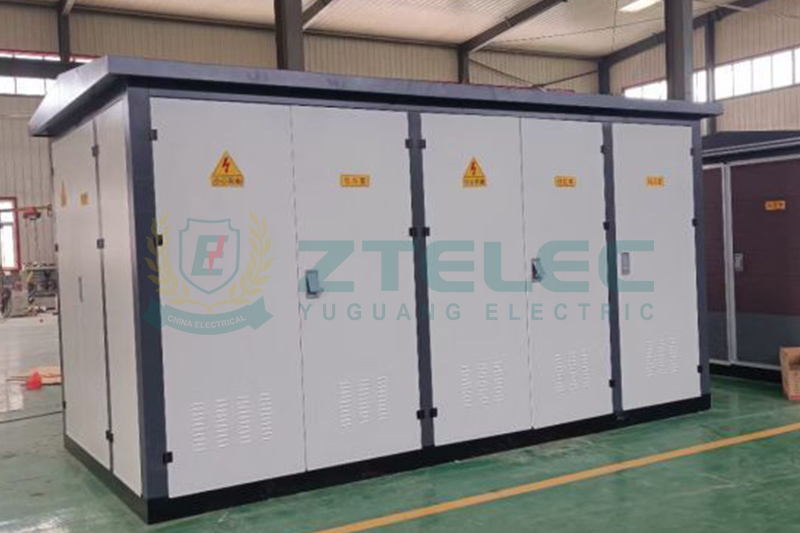
How to Select a Reliable Prefabricated Substation Supplier
Local Technical Support
After-sales service is particularly important in Africa and other emerging regions where transportation distances can be considerable. Suppliers with regional service centers, spare parts warehouses, or authorized maintenance partners can significantly reduce downtime during equipment failures.
Engineering Customization Capability
Every project has unique requirements involving voltage levels, transformer ratings, enclosure dimensions, protection systems, climatic conditions, and utility interfaces. Experienced manufacturers should be capable of providing customized engineering rather than offering only standard catalog products.
Manufacturing Quality Control
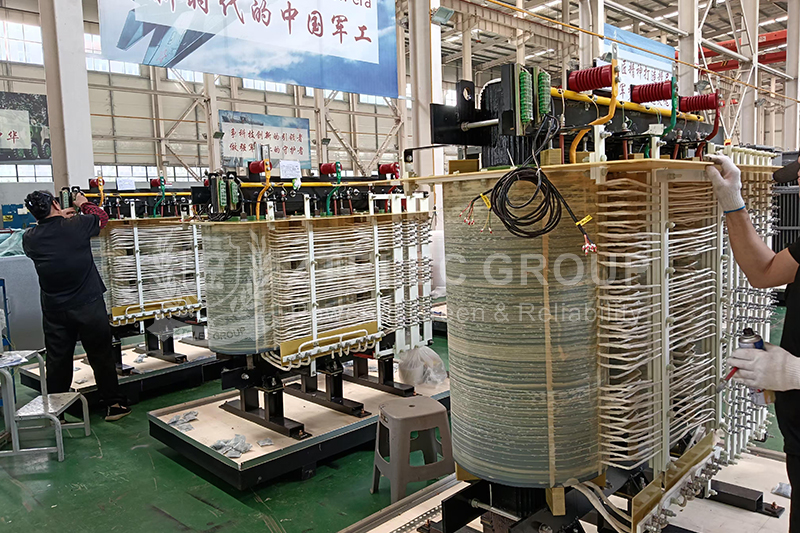
Comprehensive factory acceptance testing should include dielectric tests, temperature rise tests, protection relay verification, insulation resistance measurements, and functional testing of all electrical systems.
Independent third-party inspections conducted by internationally recognized organizations further improve quality assurance and reduce procurement risk.
International Project Experience
Successful suppliers typically possess extensive experience delivering prefabricated substations for mining, renewable energy, utilities, industrial plants, infrastructure projects, and commercial developments across multiple countries.
Documented references from Africa, Southeast Asia, or Latin America demonstrate the manufacturer's ability to adapt products to challenging environments and local regulatory requirements.
Production Capacity and Delivery Reliability
Large infrastructure projects often involve strict construction schedules. Manufacturers should demonstrate stable supply chains, sufficient production capacity, and effective logistics planning to minimize delivery risks caused by material shortages or international shipping disruptions.
Total Cost of Ownership
The purchase price represents only a portion of overall project expenditure. Buyers should evaluate equipment efficiency, maintenance requirements, spare parts availability, warranty coverage, expected service life, and energy losses throughout the asset lifecycle.
Some manufacturers also provide export financing or flexible payment arrangements, which can be particularly valuable for government-funded infrastructure projects and independent power developers.
Best Procurement Practices for Emerging Market Projects
Successful procurement begins with a comprehensive understanding of local utility requirements, including voltage standards, grid connection specifications, protection schemes, and environmental conditions.
Preference should be given to manufacturers capable of providing localized technical support, complete engineering documentation, certified test reports, and products designed specifically for tropical, desert, or coastal operating environments.
Technical evaluation should always accompany commercial comparison. Selecting equipment solely based on the lowest purchase price often increases long-term operating expenses through higher maintenance costs, reduced reliability, and shorter service life.
Prefabricated substations have become one of the most effective power distribution solutions for Africa and other emerging markets by combining rapid deployment, modular construction, environmental durability, and lower lifecycle costs. Their flexibility makes them ideal for utility distribution networks, mining operations, renewable energy integration, industrial facilities, and commercial infrastructure.
Successful projects depend on selecting equipment that matches local electrical standards, environmental conditions, and future expansion requirements. Equally important is choosing a manufacturer with proven engineering expertise, international certifications, strong quality management, reliable delivery capability, and responsive after-sales support. By balancing technical performance with total lifecycle value, project owners can significantly improve system reliability while reducing long-term operating costs.
compact substation
Package Substation
Africa Power Infrastructure
prefabricated substation
box type substation
- more+releated article
- 2026-07-09Prefabricated Substations for Africa & Eme
- 2026-07-08How to Order Dry-Type Transformer Samples from
- 2026-07-07500kVA Oil-Immersed Transformer Buying Guide:
- 2026-07-061 MVA Compact Substation Installation Guide: C
- 2026-07-04Reliability of Copper Winding Oil-Immersed Tra
- 2026-07-03China Dry Type Transformer Pricing Guide: Mate
- 2026-07-02500 kVA Prefabricated Substation: Indoor vs Ou
- 2026-07-011250 kVA Dry Type Transformer for Renewable En
- 2026-06-3011kV Substations for Hospitals and Healthcare
- 2026-06-29500 kVA Oil Immersed Transformer: EXW vs CIF P
- ELECTRICAL INSULATION BOARD MATERIALS
- ELECTRICAL INSULATION MATERIALS
- POWER TRANSFORMER
- ENAMELED WIRE
- SWITCHGEAR


Africa Power Infrastructure
compact substation
box type substation
prefabricated substation
Package Substation
order transformer from China
dry type transformer supplier
dry-type transformer sample
transformer sample order
transformer supplier
oil filled transformer
transformer buying guide
500kVA oil immersed transformer
500kVA transformer
compact transformer substation
1000kVA compact substation
1 MVA compact substation
Compact Substation Installation
copper winding oil immersed transformer
copper winding transformer
Oil immersed transformer
cast resin transformer price
dry type transformer price
dry type transformer cost
China Dry Type Transformer Manufacturer