
China Dry Type Transformer Pricing Guide: Material Costs, Labor & Profit Margins
For global buyers, the purchase price of a dry type transformer can vary significantly from one supplier to another. Even transformers with identical ratings and specifications may differ in price by 20% to 30% or more. These differences are not simply the result of market competition—they are driven by raw material costs, manufacturing processes, automation levels, certification requirements, order volume, and each manufacturer's business strategy.
For procurement professionals involved in data centers, industrial power distribution, commercial buildings, renewable energy projects, utilities, and EPC contracts, understanding the cost structure of Chinese dry type transformer manufacturers helps evaluate quotations more accurately and avoid sacrificing long-term reliability for a lower initial purchase price.
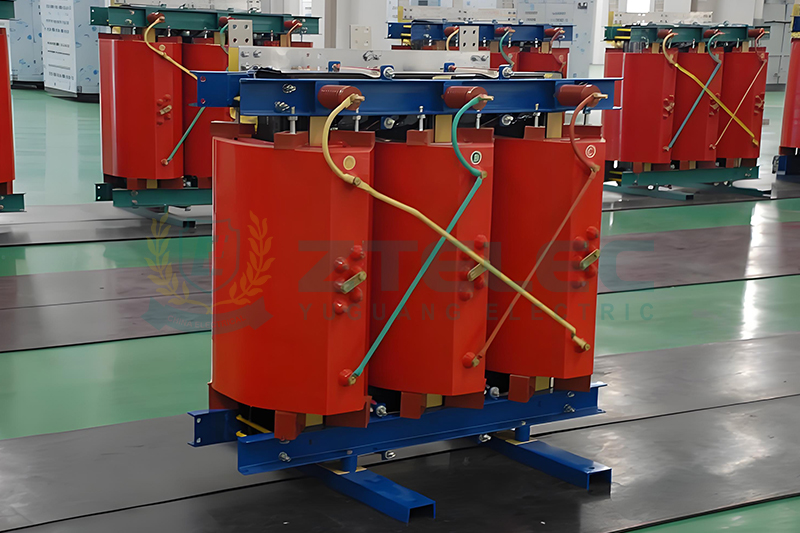
What Makes Up the Factory Price of a Dry Type Transformer?
The manufacturing cost of a standard Cast Resin Dry-Type Transformer generally consists of five major components.
Raw materials account for approximately 55% to 70% of the total cost, making them the largest pricing factor. Labor and manufacturing expenses contribute around 15% to 20%, research and engineering approximately 3% to 5%, management, sales, and after-sales services about 5% to 8%, while factory profit margins typically range from 8% to 15%. Premium manufacturers or highly customized products may achieve slightly higher margins.
Differences in material selection, automation investment, and quality management systems largely explain why quotations from different manufacturers can vary considerably.
Raw Material Costs Account for Nearly 70% of the Selling Price
Silicon Steel: The Key to Core Loss and Energy Efficiency
Grain-oriented silicon steel used in transformer cores typically represents 25% to 35% of total material costs and is the most important factor affecting no-load losses. Common grades include 30Q130 and 27Q120, among other high-performance electrical steels.
Premium silicon steel increases manufacturing costs but significantly reduces no-load losses, improves energy efficiency, and helps transformers comply with IEC 60076, EU Eco Design requirements, and various national energy efficiency standards.
Some low-cost suppliers reduce prices by using lower-grade silicon steel, which results in higher operating losses over the transformer's lifetime. Therefore, buyers should evaluate total life cycle cost rather than focusing solely on the purchase price.
Copper vs. Aluminum Windings Have a Major Impact on Pricing
Winding material is generally the second-largest cost component after the transformer core.
Copper windings provide higher electrical conductivity, greater mechanical strength, and lower load losses, making them the preferred choice for data centers, hospitals, rail transit systems, and other mission-critical applications. However, copper prices fluctuate with global commodity markets, directly affecting manufacturing costs.
Aluminum windings typically cost around 30% less than copper windings. Although aluminum has lower electrical conductivity, increasing the conductor cross-sectional area allows similar current-carrying capacity, albeit with a slightly larger transformer size.
Many manufacturers now offer both copper and aluminum winding options. When comparing quotations, buyers should always confirm that winding materials are identical; otherwise, price comparisons are not meaningful.
Epoxy Resin and Insulation Systems Influence Service Life
For Cast Resin Dry-Type Transformers, epoxy resin, curing agents, fiberglass, insulation paper, and insulating varnish generally account for 10% to 15% of total manufacturing costs.
High-quality epoxy resin enhances insulation performance while improving moisture resistance, crack resistance, and corrosion protection, ultimately extending transformer service life. Different insulation classes, such as Class F and Class H, vary significantly in cost and directly affect product pricing.
Enclosures and Accessories Also Affect Total Cost
Enclosures with different protection ratings, including IP20, IP23, IP31, and IP54, vary considerably in cost. Additional components such as temperature monitoring systems, cooling fans, intelligent monitoring devices, anti-vibration structures, and busbar connection designs also influence the final quotation.
Transformers designed for outdoor installation or harsh environments with high humidity or dust require enhanced protection, resulting in higher manufacturing costs.
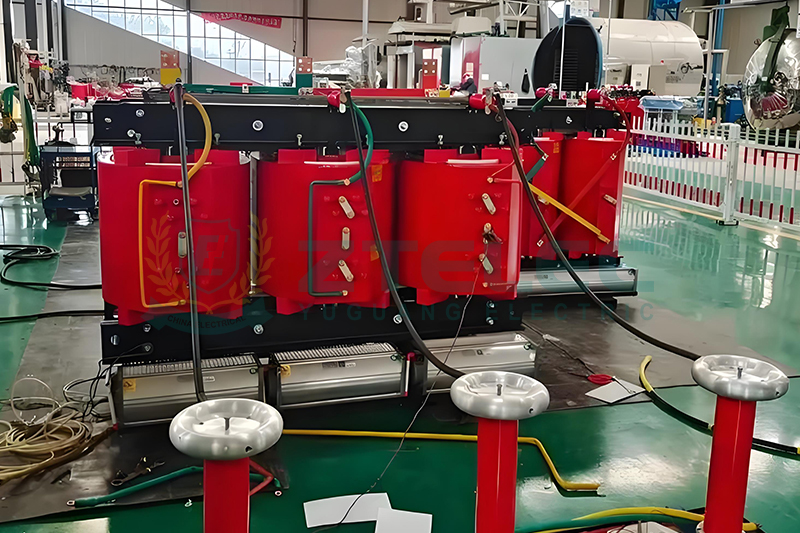
Labor Costs Remain One of China's Manufacturing Advantages
Although labor costs in China have increased steadily over the past decade, they remain significantly lower than those in Europe, North America, Japan, and other developed manufacturing regions.
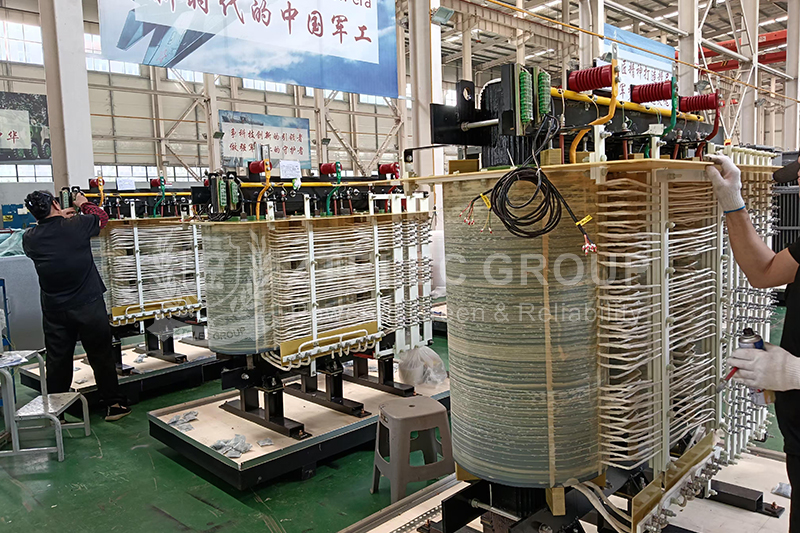
Dry type transformer production involves winding, core assembly, vacuum casting, curing, final assembly, commissioning, and factory testing, all of which require skilled technicians.
Vacuum casting is particularly critical because precise control of temperature, pressure, and curing cycles directly determines product quality.
Large manufacturers equipped with CNC winding machines, automated casting systems, and intelligent testing platforms can reduce labor costs while improving product consistency and minimizing human error. As a result, large-scale factories often provide more competitive pricing without compromising quality.
Four Key Factors That Influence Transformer Quotations
Order Quantity
Bulk orders spread engineering, tooling, equipment setup, and administrative costs across more units, reducing the unit price. Purchasing five or more transformers of the same specification typically lowers pricing by 5% to 15%, while larger projects may receive even greater discounts.
International Certification Requirements
Transformers exported to Europe, the Middle East, Southeast Asia, and North America often need to comply with IEC 60076-11, IEC 60076, CE, UL, ANSI, CSA, and other applicable standards.
Certification testing, upgraded materials, and stricter manufacturing quality control increase production costs. Certified export models are therefore commonly priced 10% to 20% higher than standard domestic products.
Delivery Schedule
Standard production schedules typically offer the most competitive pricing. Urgent orders require priority scheduling, overtime labor, or expedited raw material procurement, resulting in additional manufacturing costs that are reflected in the quotation.
For large infrastructure projects, early procurement planning helps minimize overall purchasing costs.
Exchange Rates and International Logistics
Export pricing is also affected by RMB exchange rates, ocean freight, cargo insurance, destination charges, and import duties.
Although global shipping costs have become more stable in recent years, transportation remains a significant portion of total procurement costs for large transformers. Buyers should carefully compare EXW, FOB, and CIF pricing before making purchasing decisions.
What Profit Margins Do Chinese Transformer Manufacturers Typically Earn?
China's dry type transformer industry is highly competitive, and most manufacturers operate on relatively modest profit margins.
Small and medium-sized factories typically maintain profit margins of 8% to 12%, while larger manufacturers with strong brands, advanced automation, and global distribution networks often achieve margins of 12% to 18%. Some factories seeking market share may accept margins below 5%.
However, unusually low profit margins often indicate lower-quality materials, reduced quality control, or limited after-sales support. Buyers receiving quotations significantly below market averages should carefully verify material specifications, factory capabilities, certifications, and export experience.
How Global Buyers Can Evaluate Supplier Quotations More Effectively
Ensure every supplier is quoting based on identical technical specifications, including rated capacity, voltage class, vector group, insulation class, temperature rise, enclosure protection rating, and guaranteed loss values.
Request a detailed bill of materials covering silicon steel grades, winding materials, epoxy resin specifications, and major electrical components to ensure accurate price comparisons.
Verify that suppliers possess ISO quality management certification, type test reports, third-party testing certificates, and all mandatory certifications required for the target market.
Compare quotations from at least three to five qualified manufacturers while considering delivery time, technical support, manufacturing capability, after-sales service, and export experience rather than evaluating price alone.
Whenever possible, conduct factory audits through on-site inspections, virtual factory tours, or independent third-party assessments to better understand manufacturing capacity and quality control systems before placing large orders.
The pricing of dry type transformers in China is determined by far more than simple market competition. Raw material costs, manufacturing technology, automation, certification requirements, order volume, logistics expenses, and business strategies all contribute to the final quotation.
For international buyers, the best procurement decision should be based not only on the initial purchase price but also on energy efficiency, operational reliability, service life, technical support, and total cost of ownership. Partnering with an experienced manufacturer that offers proven quality management systems, strong export capabilities, and reliable production capacity will deliver greater long-term value and reduce project risk.
cast resin transformer price
dry type transformer price
dry type transformer cost
China Dry Type Transformer Manufacturer
500 kVA prefabricated substation
- more+releated article
- 2026-07-03China Dry Type Transformer Pricing Guide: Mate
- 2026-07-02500 kVA Prefabricated Substation: Indoor vs Ou
- 2026-07-011250 kVA Dry Type Transformer for Renewable En
- 2026-06-3011kV Substations for Hospitals and Healthcare
- 2026-06-29500 kVA Oil Immersed Transformer: EXW vs CIF P
- 2026-06-26315 kVA Transformers for Commercial Buildings:
- 2026-06-25China Transformer OEM Manufacturing Services a
- 2026-06-241500 kVA Oil Immersed Transformer for Substati
- 2026-06-24Successful Opening Day at CWIEME Shanghai 2026
- 2026-06-23Mineral Oil vs Biodegradable Ester Fluids in T
- ELECTRICAL INSULATION BOARD MATERIALS
- ELECTRICAL INSULATION MATERIALS
- POWER TRANSFORMER
- ENAMELED WIRE
- SWITCHGEAR

dry type transformer price
China Dry Type Transformer Manufacturer
dry type transformer cost
cast resin transformer price
indoor substation
outdoor substation
500 kVA prefabricated substation
500 kVA compact substation
1250 kVA Dry Type Transformer
Solar Power Transformer
renewable energy transformer
wind power transformer
hospital substation
11kV distribution system
hospital power supply system
healthcare facility substation
11kV substation
EXW transformer price
500 kVA Oil Immersed Transformer
500 kVA transformer price
CIF transformer price
315kVA dry type transformer
Cast resin transformer
315kVA oil immersed transformer
315 kVA transformer