
Reliability of Copper Winding Oil-Immersed Transformers in Offshore, Mining, and Desert Environments
As global energy development, mining projects, offshore wind farms, and large-scale infrastructure continue to expand, transformers are increasingly deployed in harsh environments characterized by salt spray, high humidity, extreme temperatures, intense UV radiation, heavy dust, and continuous vibration. These operating conditions are far more demanding than conventional industrial power distribution environments and place greater requirements on transformer insulation systems, cooling performance, mechanical strength, and corrosion resistance.
Compared with conventional distribution transformers, copper winding oil-immersed transformers provide lower electrical resistance, superior mechanical strength, higher short-circuit withstand capability, and a mature oil insulation system. These advantages ensure excellent long-term operational reliability, making them the preferred solution for offshore platforms, offshore wind farms, mining operations, power utilities, oil and gas facilities, desert photovoltaic plants, and heavy industrial projects.
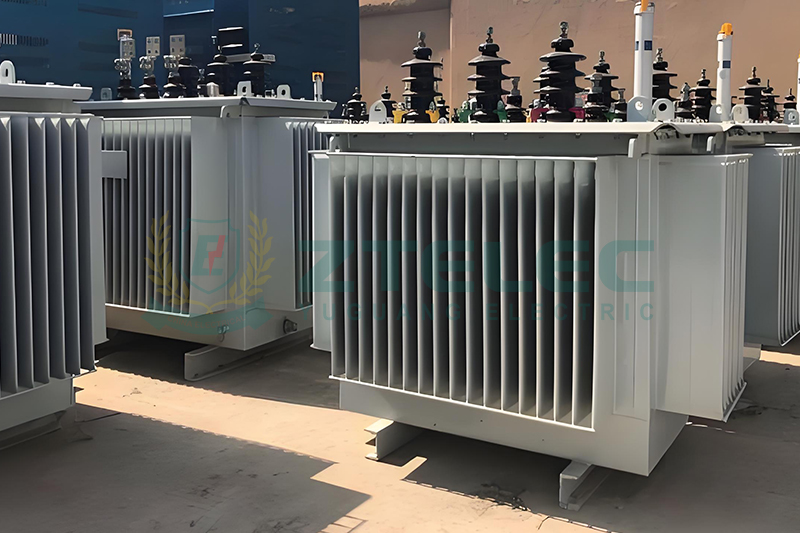
Challenges Faced by Oil-Immersed Transformers in Harsh Environments
Each application environment presents different failure risks, but all ultimately affect transformer service life, maintenance frequency, and total cost of ownership.
Offshore environments are primarily characterized by high humidity, salt spray, and continuous corrosion. Salt particles accelerate oxidation of radiators, tanks, flanges, and fasteners. If the sealing system is inadequate, moisture can enter the transformer tank, reducing the dielectric strength of insulating oil and accelerating insulation paper aging.
Mining environments typically involve heavy dust, constant mechanical vibration, and in some cases corrosive gases. Continuous vibration may loosen electrical connections, accumulated dust can reduce cooling efficiency, and corrosive substances may shorten equipment life.
Desert regions expose transformers to extremely high ambient temperatures, significant day-to-night temperature fluctuations, intense ultraviolet radiation, and wind-driven sand. Elevated ambient temperatures increase winding temperature rise, while fine sand particles can affect external accessories, sealing performance, and cooling efficiency.
Therefore, transformers designed for these applications must not only comply with international standards such as IEC or ANSI but also incorporate specialized environmental adaptation features tailored to specific operating conditions.
How Copper Windings Improve Long-Term Reliability
Copper offers higher electrical conductivity and lower resistance than aluminum, significantly reducing load losses and winding heating while improving overall operating efficiency.
For large-capacity transformers operating continuously under heavy loads, lower operating temperatures slow insulation aging and significantly extend transformer service life. Since insulation lifespan is closely related to operating temperature, reducing winding temperature rise directly improves long-term reliability.
Copper also provides excellent mechanical strength. During short-circuit events or frequent load fluctuations, copper windings can withstand higher electromagnetic forces, reducing deformation risks. This makes copper winding transformers particularly suitable for mining, utility, and heavy industrial applications.
Additionally, copper demonstrates superior fatigue resistance under continuous vibration, helping maintain winding integrity and ensuring reliable long-term operation.
Oil Insulation Systems Enhance Cooling and Electrical Performance
Oil-immersed transformers utilize mineral insulating oil or environmentally friendly insulating fluids to provide insulation, heat dissipation, and arc suppression simultaneously. Through natural or forced oil circulation, heat generated by the windings is efficiently transferred away, maintaining hotspot temperatures within safe operating limits.
In high-temperature desert environments, insulating oils with enhanced oxidation stability can be selected to maintain excellent dielectric performance and fluidity throughout extended service life.
For offshore platforms and offshore wind farms, controlling moisture content and oxidation within the insulating oil is essential to maintaining dielectric strength and overall insulation performance.
Modern oil-immersed transformers are commonly equipped with oil level indicators, oil temperature gauges, pressure relief devices, and gas relays. Combined with oil sampling, dielectric testing, and Dissolved Gas Analysis (DGA), these systems help detect insulation abnormalities before failures occur.
Sealed Tank Design Determines Environmental Adaptability
In harsh environments, sealing performance is one of the most critical factors affecting transformer longevity.
Modern copper winding oil-immersed transformers typically feature hermetically sealed tanks, corrugated tank designs, or nitrogen-blanketed sealing systems that effectively isolate insulating oil from moisture, oxygen, and external contaminants, thereby slowing oil aging.
Marine applications generally require multilayer anti-corrosion coatings consisting of abrasive blasting, zinc-rich primers, epoxy intermediate coatings, and polyurethane topcoats, together with stainless-steel fasteners for long-term salt spray resistance.
Mining transformers place greater emphasis on vibration resistance, dust protection, and reinforced structural design to ensure continuous operation under severe working conditions.
For desert installations, designers focus on sand-proof construction, high-temperature sealing materials, and optimized cooling structures that prevent sand accumulation from reducing cooling efficiency.
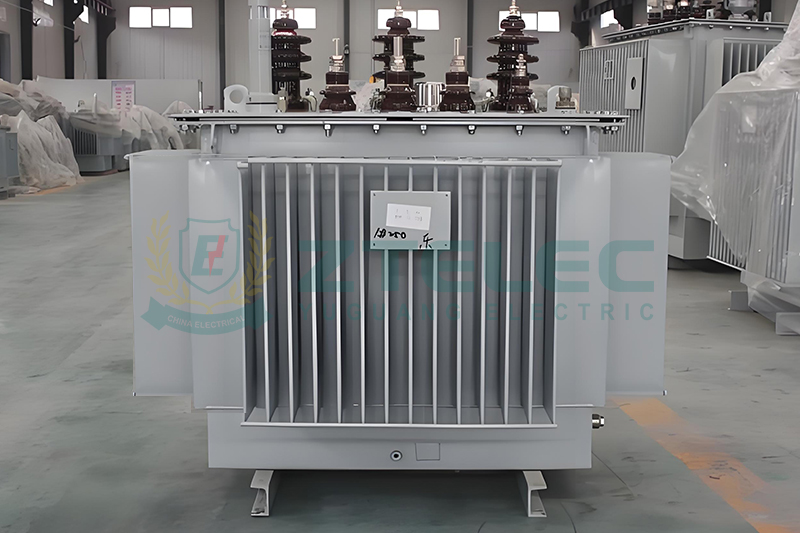
Cooling Systems Directly Influence Transformer Service Life
Transformer lifespan is closely related to operating temperature, making cooling system design a key factor in overall reliability.
Depending on project requirements, cooling methods such as ONAN (Oil Natural Air Natural), ONAF (Oil Natural Air Forced), or higher-capacity cooling systems can be selected to improve thermal performance.
Large industrial facilities and renewable energy projects often employ automatic fan control systems with intelligent temperature monitoring to maintain optimal operating temperatures while minimizing energy consumption and extending insulation life.
For high-altitude or high-ambient-temperature installations, engineers must also consider reduced air density and its impact on cooling performance when designing transformer cooling systems.
Corrosion Protection and Weather Resistance Increase Lifecycle Value
Environmental corrosion affects not only transformer appearance but also long-term operational reliability.
Offshore projects generally require higher salt spray resistance ratings and advanced anti-corrosion coating systems to ensure stable performance over decades of marine exposure.
Mining applications demand wear-resistant coatings with excellent chemical resistance to withstand harsh industrial environments.
In desert regions, UV-resistant sealing materials, weather-resistant rubber gaskets, and high-durability cable accessories help prevent sealing failure caused by prolonged ultraviolet exposure.
Proper surface treatment and corrosion protection significantly extend transformer service life, reduce maintenance requirements, and lower total cost of ownership (TCO).
Online Monitoring Further Enhances Reliability
With the rapid development of digital substations and smart grids, more oil-immersed transformers are being equipped with comprehensive online condition monitoring systems.
These intelligent systems continuously monitor oil temperature, winding temperature, oil level, electrical load, current, voltage, partial discharge activity, and dissolved gas concentrations. Advanced diagnostic algorithms analyze operating data to predict potential failures before they occur.
For offshore wind farms, unattended substations, and remote mining operations, remote monitoring greatly reduces onsite inspection requirements, improves maintenance efficiency, and minimizes the financial impact of unexpected outages.
How to Select Copper Winding Oil-Immersed Transformers for Harsh Environments
When selecting transformers for demanding applications, procurement decisions should be based on comprehensive lifecycle performance rather than initial purchase price alone.
Key evaluation criteria include copper winding construction, cooling method, corrosion protection level, tank sealing design, insulating oil type, enclosure protection, environmental adaptability, temperature rise performance, short-circuit withstand capability, and integrated online monitoring functions. Buyers should also verify compliance with IEC 60076, ANSI/IEEE, or local utility standards and ensure the manufacturer provides complete type test reports and comprehensive technical support.
Copper winding oil-immersed transformers combine excellent electrical conductivity, low operating losses, superior mechanical strength, and proven oil insulation technology to deliver outstanding reliability in offshore platforms, offshore wind farms, mining operations, desert solar power plants, and heavy industrial applications. By optimizing corrosion protection, sealing systems, cooling performance, and intelligent monitoring technologies, operators can significantly extend transformer service life, reduce maintenance costs, and minimize total lifecycle investment, providing safe, efficient, and reliable power distribution for demanding energy, utility, and industrial projects worldwide.
copper winding oil immersed transformer
copper winding transformer
Oil immersed transformer
dry type transformer price
dry type transformer cost
- more+releated article
- 2026-07-04Reliability of Copper Winding Oil-Immersed Tra
- 2026-07-03China Dry Type Transformer Pricing Guide: Mate
- 2026-07-02500 kVA Prefabricated Substation: Indoor vs Ou
- 2026-07-011250 kVA Dry Type Transformer for Renewable En
- 2026-06-3011kV Substations for Hospitals and Healthcare
- 2026-06-29500 kVA Oil Immersed Transformer: EXW vs CIF P
- 2026-06-26315 kVA Transformers for Commercial Buildings:
- 2026-06-25China Transformer OEM Manufacturing Services a
- 2026-06-241500 kVA Oil Immersed Transformer for Substati
- 2026-06-24Successful Opening Day at CWIEME Shanghai 2026
- ELECTRICAL INSULATION BOARD MATERIALS
- ELECTRICAL INSULATION MATERIALS
- POWER TRANSFORMER
- ENAMELED WIRE
- SWITCHGEAR

copper winding transformer
Oil immersed transformer
copper winding oil immersed transformer
China Dry Type Transformer Manufacturer
dry type transformer cost
dry type transformer price
cast resin transformer price
outdoor substation
indoor substation
500 kVA compact substation
500 kVA prefabricated substation
wind power transformer
Solar Power Transformer
renewable energy transformer
1250 kVA Dry Type Transformer
hospital substation
11kV substation
11kV distribution system
healthcare facility substation
hospital power supply system
500 kVA transformer price
500 kVA Oil Immersed Transformer
EXW transformer price
CIF transformer price
315 kVA transformer