
500kVA Oil-Immersed Transformer Buying Guide: 10 Essential Questions to Ask Your Supplier Before Ordering
The 500kVA oil-immersed transformer is one of the most widely used distribution transformer ratings for industrial plants, commercial buildings, utility distribution networks, renewable energy projects, and medium-sized infrastructure developments. Its balanced capacity, competitive investment cost, and flexible installation requirements make it a preferred solution for many power distribution systems.
However, because the 500kVA rating is highly standardized, buyers often receive quotations from multiple manufacturers with significant price differences. Choosing a supplier based solely on purchase price can result in higher energy losses, excessive operating noise, limited service support, or costly maintenance issues throughout the transformer's service life.
A successful procurement decision should evaluate not only the initial investment but also technical compliance, manufacturing quality, operating efficiency, lifecycle cost, and supplier capabilities. Before placing an order, every purchaser should obtain clear written answers to several critical technical and commercial questions.
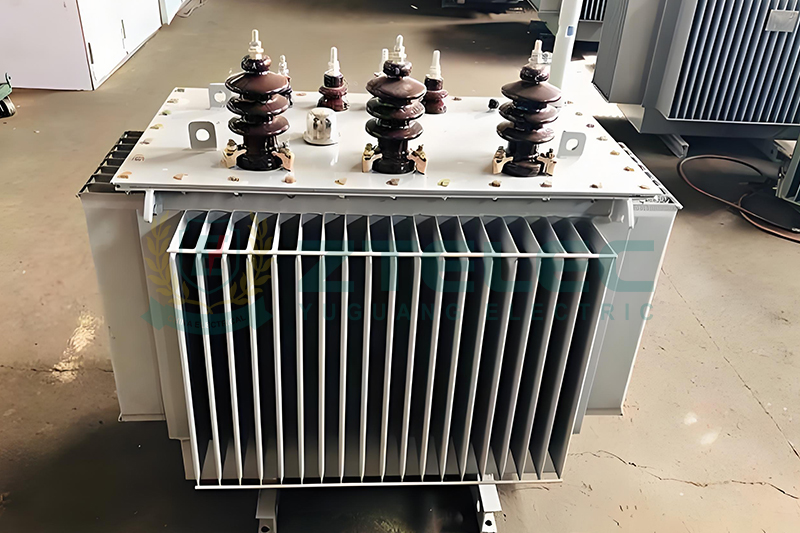
Confirm the Applicable Manufacturing Standards
The first question should always concern the manufacturing standard. Different markets follow different transformer specifications, including IEC 60076, ANSI/IEEE C57, GB/T 6451, and regional energy efficiency regulations.
Manufacturing standards influence temperature rise limits, dielectric testing, loss values, short-circuit performance, efficiency requirements, and factory acceptance procedures. Confirming compliance with the required national or international standard ensures the transformer can pass project inspections and utility approvals without unnecessary modifications.
Request Certified No-Load and Load Loss Data
Energy loss represents one of the largest operating costs over a transformer's lifetime. No-load loss occurs continuously whenever the transformer is energized, while load loss varies according to loading conditions.
Instead of accepting general statements such as "high efficiency," buyers should request the exact no-load loss and load loss values in watts together with the corresponding efficiency class. Comparing certified loss data allows purchasers to accurately evaluate lifecycle operating costs rather than focusing only on purchase price.
Identify the Type of Insulating Oil
The insulating liquid directly affects transformer safety, environmental performance, maintenance requirements, and fire protection design.
Traditional mineral oil remains the most common solution for outdoor distribution systems, while natural ester and synthetic ester fluids are increasingly selected for hospitals, commercial buildings, metro systems, data centers, and environmentally sensitive installations because of their higher fire point and improved biodegradability.
Buyers should also request information regarding total oil volume, oil quality certificates, and testing reports before shipment.
Verify Cooling Design and Temperature Rise Performance
Most 500kVA oil-filled transformers use the ONAN cooling method, relying on natural oil circulation and natural air cooling.
Suppliers should provide guaranteed winding temperature rise and top oil temperature rise under rated operating conditions. Proper thermal design is essential because excessive operating temperature accelerates insulation aging, reduces transformer lifespan, and increases maintenance costs.
If the installation location has limited ventilation or operates in high ambient temperatures, additional cooling solutions or customized radiator designs may be required.
Evaluate Transformer Noise Levels
Transformer noise is particularly important when equipment is installed near offices, hospitals, schools, residential buildings, or commercial facilities.
Request measured sound pressure or sound power data under rated operating conditions instead of estimated values. High-quality manufacturers often reduce transformer noise through optimized magnetic core design, improved core clamping structures, precision manufacturing processes, and vibration isolation technology.
Selecting a low-noise transformer during procurement is usually more economical than implementing expensive acoustic modifications after installation.
Review Short-Circuit Impedance and Mechanical Strength
Short-circuit impedance influences voltage regulation, fault current levels, and system coordination. It also determines the transformer's ability to withstand mechanical and thermal stresses during electrical faults.
Buyers should confirm the specified impedance percentage required by the electrical design and request type test reports demonstrating short-circuit withstand capability according to applicable international standards.
Proper short-circuit performance significantly improves operational reliability in demanding industrial and utility applications.
Inspect Enclosure Protection and Tank Sealing Quality
Outdoor transformers must operate reliably despite rain, dust, humidity, ultraviolet radiation, and seasonal temperature variations.
Ask suppliers about enclosure protection ratings, anti-corrosion coating systems, tank welding methods, sealing gasket materials, and leak prevention measures. A well-designed sealed transformer tank minimizes moisture ingress while preventing oil leakage throughout decades of operation.
Reliable sealing technology also reduces maintenance frequency and protects insulation performance over the transformer's entire service life.
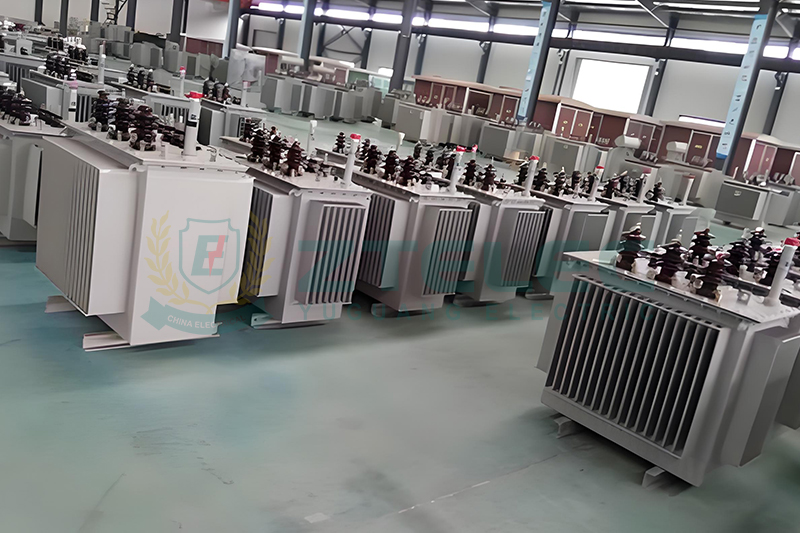
Confirm Standard Accessories and Optional Features
Transformer accessories can significantly influence operation, maintenance, and monitoring capabilities.
Before ordering, buyers should confirm the complete accessory configuration, including oil level indicators, pressure relief devices, gas relays, silica gel breathers, temperature indicators, drain valves, grounding terminals, lifting lugs, tap changers, and monitoring interfaces.
Modern smart grid projects may also require online monitoring systems capable of integrating transformer operating data into digital asset management platforms.
Understand Warranty Coverage and After-Sales Support
A transformer is expected to operate reliably for more than twenty years, making supplier support almost as important as manufacturing quality.
Discuss warranty duration, spare parts availability, field service response time, commissioning assistance, technical support, and regional service coverage before signing the purchase agreement.
All commitments should be documented in the contract to avoid misunderstandings after equipment delivery.
Request Complete Factory Testing Documentation
Every reputable transformer manufacturer should provide comprehensive routine factory test reports before shipment.
Typical testing includes winding resistance measurement, turns ratio verification, insulation resistance testing, applied voltage tests, induced voltage tests, no-load loss measurement, load loss measurement, impedance verification, dielectric testing, and other inspections required by the applicable standard.
For critical infrastructure projects, purchasers should also consider factory acceptance testing (FAT) or third-party witness inspection to independently verify manufacturing quality before shipment.
Why These Questions Protect Your Investment
A 500kVA oil-immersed transformer may appear to be a standard product, but manufacturing quality, efficiency, materials, testing procedures, and engineering expertise vary considerably among suppliers. Two transformers with similar specifications can produce very different operating costs over their service life.
Carefully evaluating standards compliance, efficiency data, insulation systems, thermal performance, acoustic characteristics, short-circuit capability, enclosure quality, accessories, warranty conditions, and factory testing allows buyers to identify the best long-term value rather than simply selecting the lowest quotation.
Final Recommendation
Successful transformer procurement begins long before production starts. Including detailed technical questions within the request for quotation (RFQ) and requiring written supplier responses establishes clear performance expectations and minimizes future disputes.
Whether the project involves industrial facilities, commercial developments, renewable energy plants, utility distribution networks, or public infrastructure, choosing a qualified manufacturer with transparent documentation, proven testing capabilities, and reliable after-sales service will significantly improve system reliability while reducing total ownership costs throughout the transformer's operating life.
500kVA transformer
oil filled transformer
transformer supplier
transformer buying guide
500kVA oil immersed transformer
- more+releated article
- 2026-07-07500kVA Oil-Immersed Transformer Buying Guide:
- 2026-07-061 MVA Compact Substation Installation Guide: C
- 2026-07-04Reliability of Copper Winding Oil-Immersed Tra
- 2026-07-03China Dry Type Transformer Pricing Guide: Mate
- 2026-07-02500 kVA Prefabricated Substation: Indoor vs Ou
- 2026-07-011250 kVA Dry Type Transformer for Renewable En
- 2026-06-3011kV Substations for Hospitals and Healthcare
- 2026-06-29500 kVA Oil Immersed Transformer: EXW vs CIF P
- 2026-06-26315 kVA Transformers for Commercial Buildings:
- 2026-06-25China Transformer OEM Manufacturing Services a
- ELECTRICAL INSULATION BOARD MATERIALS
- ELECTRICAL INSULATION MATERIALS
- POWER TRANSFORMER
- ENAMELED WIRE
- SWITCHGEAR



500kVA oil immersed transformer
transformer supplier
transformer buying guide
500kVA transformer
oil filled transformer
1000kVA compact substation
compact transformer substation
1 MVA compact substation
Compact Substation Installation
copper winding oil immersed transformer
copper winding transformer
Oil immersed transformer
China Dry Type Transformer Manufacturer
cast resin transformer price
dry type transformer cost
dry type transformer price
500 kVA compact substation
outdoor substation
500 kVA prefabricated substation
indoor substation
wind power transformer
renewable energy transformer
1250 kVA Dry Type Transformer
Solar Power Transformer
hospital power supply system