
1 MVA Compact Substation Installation Guide: Civil Works, Electrical Installation & Commissioning
As industrial automation, smart cities, renewable energy, and modern power distribution networks continue to expand, the 1 MVA Compact Substation (CSS) has become one of the most widely adopted medium- and low-voltage power distribution solutions. Compared with conventional substations, prefabricated compact substations feature factory-assembled integrated designs that significantly shorten construction schedules, improve installation quality, reduce on-site labor, and lower lifecycle operating costs.
This guide provides a comprehensive overview of the complete installation process for a 1 MVA compact substation, covering civil foundation construction, electrical installation, system commissioning, and long-term maintenance in accordance with IEC standards and industry best practices. It serves as a practical reference for EPC contractors, electrical engineers, utility companies, industrial facilities, and renewable energy developers.
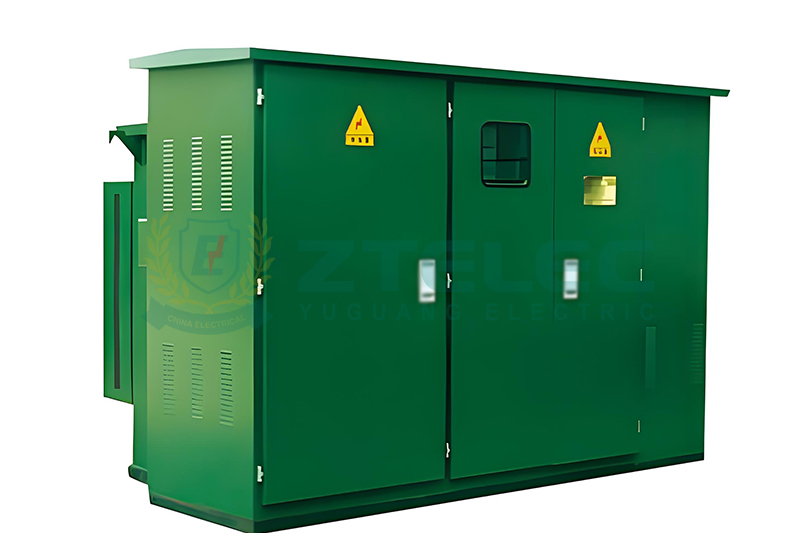
What Is a 1 MVA Compact Substation?
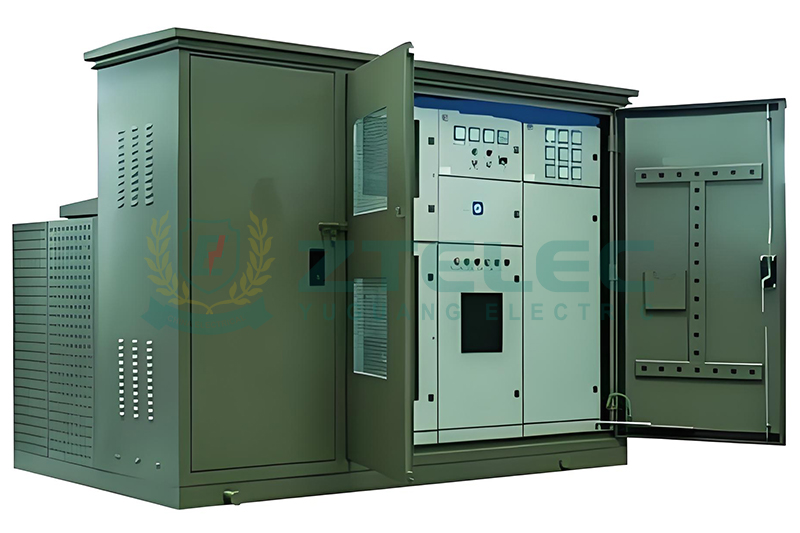
A 1 MVA compact substation typically integrates three major components within a steel or concrete enclosure: medium-voltage switchgear, a 1000 kVA oil-immersed or dry-type transformer, and low-voltage switchgear. The entire unit is factory assembled and tested before being delivered to the installation site.
Standard configurations are commonly designed for 10kV/0.4kV, 11kV/0.4kV, and 20kV/0.4kV distribution systems and can be customized to comply with IEC 62271, IEC 60076, and local utility standards.
Thanks to its compact footprint, high protection level, rapid installation, and easy future expansion, the solution is widely used in manufacturing plants, commercial buildings, residential communities, data centers, photovoltaic power plants, wind farms, EV charging stations, mining operations, and infrastructure projects.
Site Preparation Before Installation
Proper site preparation directly affects installation efficiency and long-term operational reliability.
Before delivery, a comprehensive site survey should be completed to evaluate soil bearing capacity, underground utilities, transportation access, and crane operating space. A typical 1 MVA compact substation weighs approximately 8–15 tons, depending on transformer type.
The foundation should be positioned above the highest recorded flood level, and proper site drainage should be provided to prevent water accumulation around the equipment.
The routing of incoming and outgoing MV and LV cables should also be verified to avoid conflicts with water, gas, telecommunications, or other underground services.
Prior to construction, designers, contractors, and project supervisors should jointly review all drawings to verify equipment dimensions, foundation layouts, cable trenches, grounding systems, and fire protection requirements.
Civil Foundation Construction Requirements
The concrete foundation forms the structural base of the compact substation and plays a critical role in long-term operational stability.
Foundations are generally constructed using reinforced concrete pads or strip foundations. During construction, dimensional tolerances and surface levelness should be carefully controlled. The equipment mounting surface should typically remain within a flatness tolerance of 2 mm per meter.
Concrete with a minimum strength of C25 is generally recommended. Adequate curing time should be provided before equipment installation begins.
Anchor bolts, cable conduits, and grounding connections should all be embedded during foundation construction to eliminate the need for later modifications.
Cable Trench and Grounding System Installation
Cable trenches should be sized with sufficient capacity for both current and future cable installations while incorporating waterproofing and drainage measures.
Galvanized steel conduits are recommended for medium-voltage cables, while PVC conduits are commonly used for low-voltage control wiring. Fire-resistant sealing should be applied where required.
The grounding system typically consists of a ring earth grid constructed using 40 × 4 mm galvanized steel flat bars buried at a minimum depth of 0.6 meters.
According to IEC and local electrical standards, the overall grounding resistance should generally remain below 4 Ω. Additional grounding electrodes or soil enhancement materials may be required in high-resistivity soils.
The transformer tank, switchgear enclosures, lightning arresters, and metal housing should all be securely connected to the main grounding network to ensure complete equipotential bonding.
Equipment Positioning and Installation
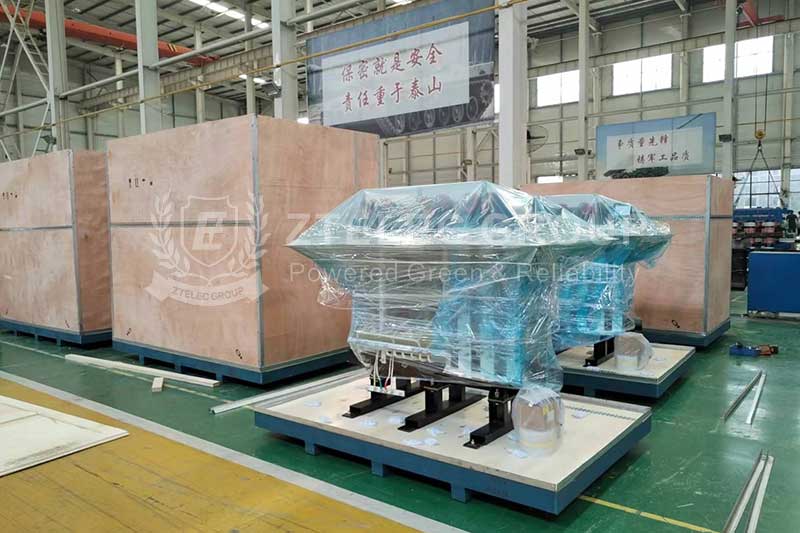
After delivery, the compact substation should be lifted using the designated lifting points specified by the manufacturer.
Improper lifting methods may deform the enclosure or damage internal components.
Once positioned on the foundation, the equipment should be leveled using precision instruments before anchor bolts are tightened and secondary grouting is completed.
Following installation, all access doors, compartments, and maintenance clearances should be inspected to ensure safe operation and future servicing.
Medium-Voltage Installation
Before installation, verify that the medium-voltage switchgear model, feeder arrangement, and protection configuration match the approved design drawings.
Busbar contact surfaces should be cleaned thoroughly and coated with conductive compound to minimize contact resistance.
Medium-voltage cable terminations should be installed by qualified personnel using approved procedures for cable preparation, stress cone installation, and insulation treatment.
Upon completion, insulation resistance and dielectric tests should be performed before energization.
Transformer Installation
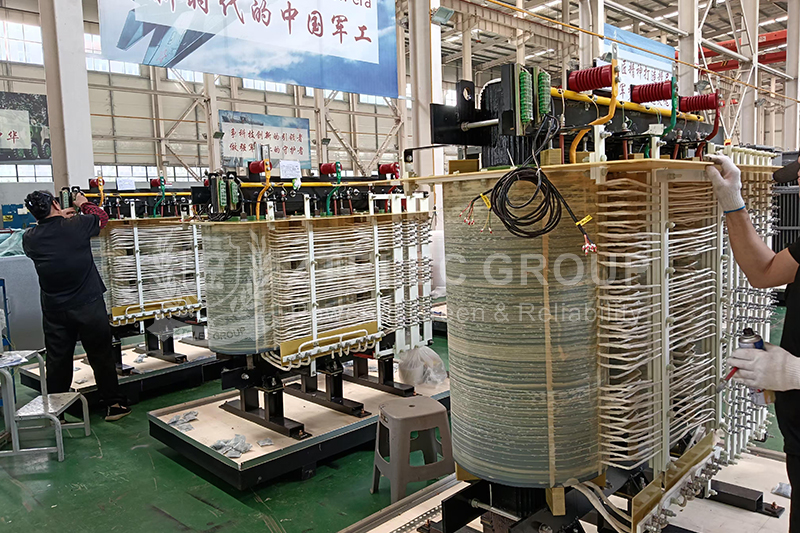
The transformer nameplate should be checked carefully to confirm rated capacity, voltage ratio, impedance, tap changer settings, and vector group.
For oil-filled transformers, inspect oil level, oil condition, and sealing integrity. Oil testing may be performed when required.
For dry-type transformers, inspect epoxy resin insulation for cracks or signs of moisture.
All electrical terminals should be tightened to the manufacturer's specified torque, followed by contact resistance verification.
Where forced-air cooling is provided, temperature controllers, cooling fans, alarms, and protection functions should all be tested before commissioning.
Low-Voltage System Installation
Circuit breakers, energy meters, current transformers, protective relays, and other LV components should be installed according to the approved design documentation.
Busbar connections must be tightened using calibrated torque tools and clearly marked for future inspections.
Control wiring should be verified point by point to ensure all protection, metering, signaling, and control circuits operate correctly.
Automation and Communication Configuration
Modern compact substations are commonly equipped with intelligent protection relays and remote monitoring systems.
Commissioning should include protection relay setting verification, communication parameter configuration, and SCADA integration.
Communication protocols such as IEC 61850, Modbus RTU, and Modbus TCP should be configured according to project requirements, followed by complete testing of remote monitoring, remote control, event recording, and alarm functions.
Commissioning and Acceptance Testing
Before energization, all mechanical connections, electrical connections, and grounding systems should undergo a comprehensive inspection.
Insulation resistance testing, dielectric testing, relay testing, and control circuit verification should all be completed successfully before power is applied.
The first energization should follow a staged approach, beginning with no-load operation before gradually increasing to full rated load.
Continuous operation for at least 24 hours is generally recommended while monitoring current balance, voltage, transformer temperature rise, vibration, noise, and protective device performance.
Upon project completion, installation records, electrical test reports, relay settings, operation manuals, and as-built drawings should be compiled as part of the final acceptance documentation.
Operation and Maintenance Recommendations
Routine maintenance significantly extends equipment life while reducing the risk of unexpected outages.
Regular inspections should include equipment temperature, operating sound, oil leakage, enclosure condition, and environmental cleanliness.
Annual infrared thermographic inspections help identify overheating connections before failures occur.
Oil-filled transformers should undergo periodic insulating oil analysis, while dry-type transformers require cleaning to maintain proper cooling performance.
Protective relays, circuit breakers, and automation equipment should also be tested regularly to ensure dependable operation.
How to Improve Installation Quality
Many international projects now utilize factory-built compact substations to minimize on-site construction work. Selecting an experienced manufacturer ensures compliance with IEC, ANSI, or local utility standards while providing foundation drawings, installation support, Factory Acceptance Testing (FAT), commissioning assistance, and after-sales technical services.
For export projects, comprehensive FAT procedures—including insulation tests, temperature rise tests, protection verification, and mechanical operation tests—are highly recommended before shipment to reduce installation time and improve project delivery efficiency.
The installation of a 1 MVA compact substation is a multidisciplinary engineering project involving civil construction, electrical installation, automation, testing, and commissioning. Every phase—from foundation construction and equipment placement to grounding, energization, and long-term maintenance—directly affects system reliability throughout its service life. By following international standards and manufacturer guidelines while implementing comprehensive commissioning and preventive maintenance programs, owners can maximize operational safety, reduce lifecycle costs, and ensure reliable power distribution for industrial, commercial, utility, and renewable energy applications.
1000kVA compact substation
compact transformer substation
Compact Substation Installation
1 MVA compact substation
copper winding transformer
- more+releated article
- 2026-07-061 MVA Compact Substation Installation Guide: C
- 2026-07-04Reliability of Copper Winding Oil-Immersed Tra
- 2026-07-03China Dry Type Transformer Pricing Guide: Mate
- 2026-07-02500 kVA Prefabricated Substation: Indoor vs Ou
- 2026-07-011250 kVA Dry Type Transformer for Renewable En
- 2026-06-3011kV Substations for Hospitals and Healthcare
- 2026-06-29500 kVA Oil Immersed Transformer: EXW vs CIF P
- 2026-06-26315 kVA Transformers for Commercial Buildings:
- 2026-06-25China Transformer OEM Manufacturing Services a
- 2026-06-241500 kVA Oil Immersed Transformer for Substati
- ELECTRICAL INSULATION BOARD MATERIALS
- ELECTRICAL INSULATION MATERIALS
- POWER TRANSFORMER
- ENAMELED WIRE
- SWITCHGEAR


Compact Substation Installation
compact transformer substation
1000kVA compact substation
1 MVA compact substation
Oil immersed transformer
copper winding transformer
copper winding oil immersed transformer
dry type transformer price
cast resin transformer price
dry type transformer cost
China Dry Type Transformer Manufacturer
500 kVA compact substation
indoor substation
outdoor substation
500 kVA prefabricated substation
1250 kVA Dry Type Transformer
renewable energy transformer
Solar Power Transformer
wind power transformer
hospital power supply system
hospital substation
11kV distribution system
11kV substation
healthcare facility substation
500 kVA transformer price