
500 kVA Prefabricated Substation: Indoor vs Outdoor Installation Requirements
With the rapid growth of industrial automation, data centers, renewable energy projects, commercial developments, and urban infrastructure, the 500 kVA prefabricated substation—also known as a Compact Substation or Package Substation—has become an essential component of modern medium- and low-voltage power distribution systems. Its compact footprint, factory-assembled construction, short installation time, and low lifecycle cost make it a preferred solution for a wide range of applications.
A 500 kVA prefabricated substation is widely used in small and medium-sized factories, commercial buildings, residential communities, solar power plants, wind farms, EV charging stations, and municipal infrastructure. Depending on project conditions, it can be installed either inside a dedicated electrical room (indoor installation) or outdoors on a concrete foundation (outdoor installation). While both configurations perform the same electrical functions, they differ significantly in enclosure design, protection level, cooling system, fire safety requirements, foundation construction, and maintenance practices.
For international buyers, EPC contractors, utilities, and consulting engineers, understanding these technical differences is essential for selecting the most suitable solution, reducing project risks, and optimizing long-term operating costs.
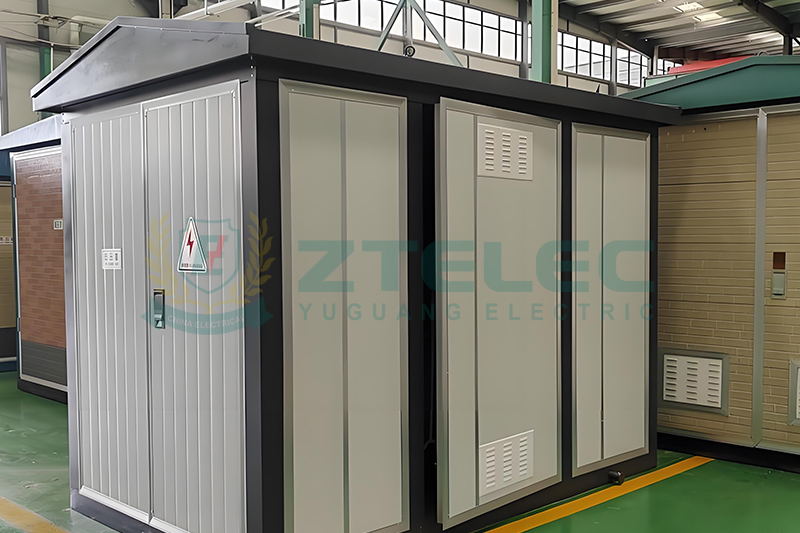
Different IP Protection Requirements
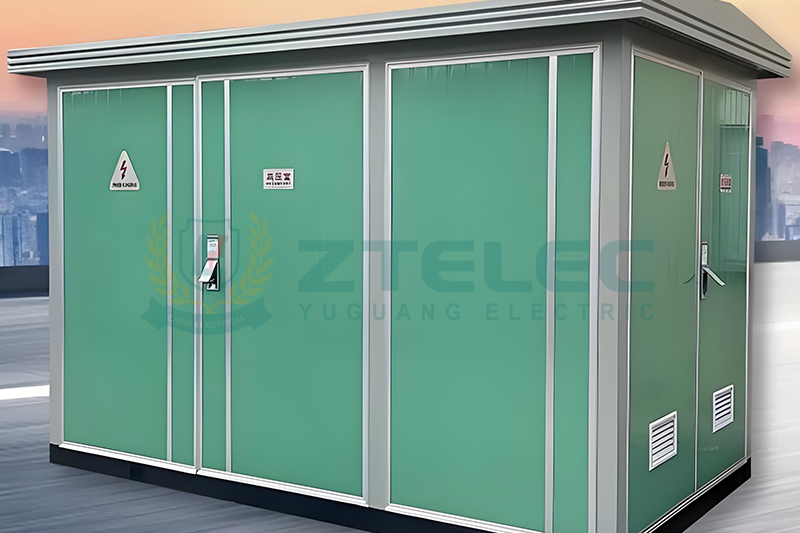
The ingress protection (IP) rating determines how well the substation withstands environmental conditions. Outdoor substations are continuously exposed to rain, snow, dust, UV radiation, high humidity, and temperature fluctuations. Therefore, they typically require an enclosure rated IP33, IP44, or even IP54, especially for coastal, desert, or heavy industrial environments.
Indoor substations operate in controlled electrical rooms where environmental exposure is limited. In most applications, an IP20 or IP30 enclosure provides sufficient protection while reducing manufacturing costs and improving natural ventilation.
Enclosure Materials and Corrosion Protection
Outdoor 500 kVA prefabricated substations generally use hot-dip galvanized steel, stainless steel, or aluminum alloy enclosures. These materials are protected with powder coating or multiple anti-corrosion finishes to withstand harsh weather, ultraviolet radiation, and salt spray.
Projects located in coastal regions, chemical plants, or marine environments often require enhanced corrosion-resistant coatings to maximize service life.
Indoor substations usually employ high-quality cold-rolled steel with electrostatic powder coating. Since they are protected from direct weather exposure, expensive weather-resistant materials are generally unnecessary, making indoor installations more economical.
Cooling and Ventilation Design
Transformers generate significant heat during continuous operation, making effective cooling essential for maintaining efficiency and insulation life.
Outdoor substations primarily rely on natural ventilation through weatherproof louvers equipped with rain shields, insect screens, and animal barriers. This design ensures sufficient airflow while preventing water ingress and foreign objects from entering the enclosure.
Indoor substations often depend on the building's HVAC or mechanical ventilation system. As a result, enclosure ventilation requirements are less demanding, but close coordination with the building's ventilation design is necessary to maintain acceptable operating temperatures.
Foundation and Installation Requirements
Outdoor installations typically require reinforced concrete foundations designed to support equipment weight while incorporating grounding systems, drainage, and flood protection measures. In areas with heavy rainfall, elevated foundations help prevent water accumulation around the equipment.
Indoor substations may be installed on steel support structures or raised concrete platforms within electrical rooms. Structural load capacity, equipment access routes, and maintenance clearance should all be considered during the building design phase.
Fire Protection Requirements
Fire safety requirements differ significantly between indoor and outdoor installations.
Outdoor substations generally require adequate clearance from surrounding buildings, roads, and combustible materials while incorporating lightning protection and grounding systems.
Indoor substations must comply with local building fire codes, including fire-rated walls and doors, smoke exhaust systems, fire detection systems, and fire suppression equipment suitable for electrical installations. Compliance with local fire inspections is also mandatory before commissioning.
Noise Control Considerations
Transformer operation produces magnetostriction noise that can affect nearby occupants.
Outdoor substations located near residential areas, schools, hospitals, or office buildings should use low-noise transformers or additional acoustic enclosures to comply with environmental noise regulations.
Indoor substations often require even stricter noise control because they are located closer to occupied spaces. Vibration-isolated foundations, acoustic wall construction, and sound-absorbing materials are commonly incorporated during building design.
Moisture Protection and Insulation Reliability
Outdoor substations experience wide temperature and humidity variations, making condensation control an important design consideration. Automatic space heaters, anti-condensation controllers, dehumidifiers, and high-performance breathers are frequently installed to maintain insulation reliability.
Although indoor environments are generally more stable, substations located in basements, humid climates, or poorly ventilated electrical rooms may also require moisture control equipment to prevent insulation deterioration.
Protection Against Animals and Foreign Objects
Outdoor substations must prevent rodents, snakes, birds, and insects from entering the enclosure. Cable entries, ventilation openings, and louvers are therefore equipped with protective screens and sealed barriers.
Indoor substations face lower exposure but should still include basic rodent and insect protection, particularly when installed near landscaped areas, underground facilities, or older buildings.
Architectural Appearance and Aesthetic Design
Outdoor substations often need to complement surrounding architecture or public landscapes. Many municipal and commercial projects specify customized enclosure colors, decorative finishes, stone-like textures, wood-grain coatings, or landscape-friendly designs to improve visual integration.
Indoor substations place greater emphasis on equipment layout, operator safety, and maintenance accessibility rather than exterior appearance.
Operation and Maintenance Accessibility
Outdoor maintenance activities are affected by weather conditions. Therefore, equipment should feature easily accessible inspection doors, weatherproof viewing windows, ergonomic operating mechanisms, and adequate maintenance clearance.
Indoor substations offer a more controlled maintenance environment, allowing technicians to perform routine inspections, transformer oil analysis, infrared thermography, partial discharge monitoring, and preventive maintenance more efficiently.
How to Choose the Right 500 kVA Prefabricated Substation
Neither indoor nor outdoor installation is universally superior. The optimal solution depends on project location, environmental conditions, building design, fire safety regulations, noise limitations, maintenance strategy, and overall investment budget.
If a dedicated electrical room is available, indoor installation generally provides better environmental protection and easier maintenance. For solar farms, wind power projects, industrial parks, municipal infrastructure, and temporary power systems, outdoor prefabricated substations often deliver faster installation, greater flexibility, and lower construction costs.
Whether installed indoors or outdoors, a 500 kVA prefabricated substation is designed to provide safe, reliable, and efficient power distribution. During the procurement process, buyers should carefully evaluate local climate conditions, applicable international standards, project requirements, maintenance strategies, and total lifecycle costs. Working closely with an experienced manufacturer to determine the appropriate IP rating, enclosure structure, cooling system, fire protection features, and corrosion-resistant design will ensure long-term reliability and maximize return on investment.
outdoor substation
500 kVA prefabricated substation
indoor substation
500 kVA compact substation
1250 kVA Dry Type Transformer
- more+releated article
- 2026-07-02500 kVA Prefabricated Substation: Indoor vs Ou
- 2026-07-011250 kVA Dry Type Transformer for Renewable En
- 2026-06-3011kV Substations for Hospitals and Healthcare
- 2026-06-29500 kVA Oil Immersed Transformer: EXW vs CIF P
- 2026-06-26315 kVA Transformers for Commercial Buildings:
- 2026-06-25China Transformer OEM Manufacturing Services a
- 2026-06-241500 kVA Oil Immersed Transformer for Substati
- 2026-06-24Successful Opening Day at CWIEME Shanghai 2026
- 2026-06-23Mineral Oil vs Biodegradable Ester Fluids in T
- 2026-06-22How to Write a 1250 kVA Cast Resin Transformer
- ELECTRICAL INSULATION BOARD MATERIALS
- ELECTRICAL INSULATION MATERIALS
- POWER TRANSFORMER
- ENAMELED WIRE
- SWITCHGEAR
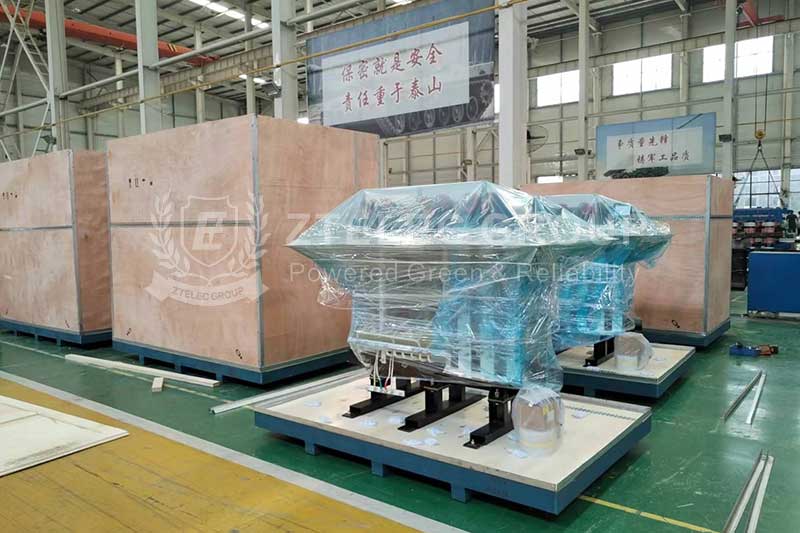


500 kVA prefabricated substation
indoor substation
500 kVA compact substation
outdoor substation
1250 kVA Dry Type Transformer
renewable energy transformer
Solar Power Transformer
wind power transformer
11kV distribution system
hospital substation
hospital power supply system
11kV substation
healthcare facility substation
EXW transformer price
500 kVA transformer price
CIF transformer price
500 kVA Oil Immersed Transformer
315kVA dry type transformer
315 kVA transformer
315kVA oil immersed transformer
Cast resin transformer
China transformer OEM
OEM transformer manufacturer
transformer OEM supplier China
transformer private label manufacturing