
2026 Oil-Immersed Transformer Efficiency Standards: DOE, EU Ecodesign & IEC Requirements
As global power grid modernization, energy transition, and carbon reduction initiatives continue to accelerate, oil-immersed transformers (also known as liquid-immersed transformers) remain one of the most widely deployed assets in transmission and distribution networks. Efficiency requirements for these transformers are becoming increasingly stringent as regulatory authorities around the world introduce updated performance standards. The U.S. Department of Energy (DOE), the European Union Ecodesign Regulation, and IEC standards have all introduced new requirements or are currently under revision, creating higher technical expectations for transformer manufacturers, utilities, EPC contractors, and renewable energy developers.
This article provides a comprehensive overview of the latest global efficiency regulations for oil-immersed transformers in 2026, including implementation timelines, technical requirements, and future trends, helping companies prepare product development strategies, procurement plans, and international compliance programs.
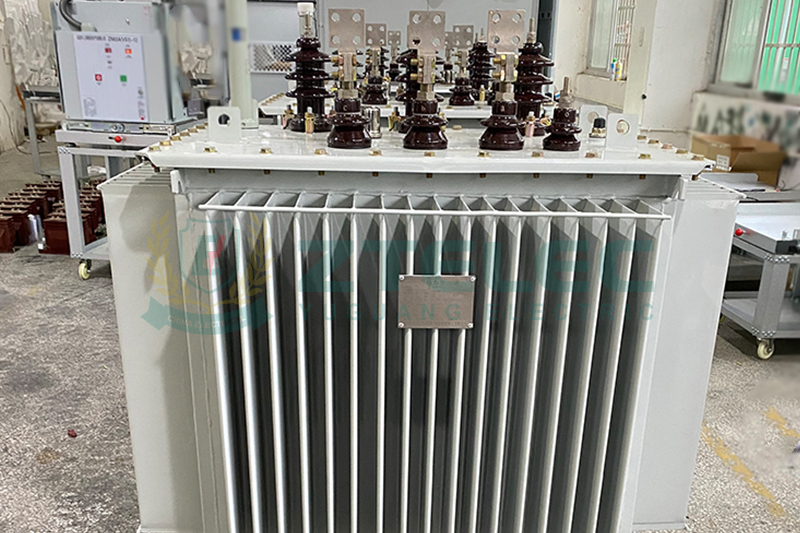
Why Are Global Efficiency Standards for Oil-Immersed Transformers Becoming More Stringent?
Although modern oil-immersed transformers typically operate at efficiencies exceeding 98%, their enormous installed base means that cumulative no-load losses and load losses contribute significantly to overall electricity consumption and carbon emissions.
Governments worldwide continue to tighten efficiency regulations to reduce power system losses, improve energy utilization, and support national carbon neutrality goals through the deployment of high-efficiency transformers.
Even modest energy savings from a single transformer can translate into substantial reductions in electricity consumption when multiplied across millions of installed units, making high-efficiency transformers a strategic priority for the future power industry.
Latest Developments in U.S. DOE Transformer Efficiency Standards
The U.S. Department of Energy (DOE) has long established minimum energy efficiency standards for distribution transformers and continues to promote higher-efficiency transformer technologies.
Since introducing the first federal efficiency regulations in 2007, DOE has completed multiple rounds of revisions. The latest Final Rule, published in 2024, clearly defines the industry's future efficiency roadmap.
New Minimum Efficiency Requirements Effective in 2029
According to the DOE Final Rule released in 2024, the updated efficiency standards will become mandatory on April 23, 2029, for most distribution transformers manufactured in or imported into the United States.
Compared with the original proposal, DOE extended the compliance period to five years, giving manufacturers additional time to upgrade production capacity, optimize supply chains, and redesign products.
Greater Emphasis on High-Efficiency Core Materials
The new DOE standards encourage the use of lower-loss magnetic core materials, including amorphous metal cores and advanced grain-oriented electrical steel, to further reduce no-load losses.
Although the Final Rule introduced certain modifications compared with the original proposal, advanced magnetic materials will remain one of the key technology trends for the U.S. transformer market.
Supply Chain Security Becomes a Strategic Priority
As investments in critical power infrastructure continue to grow, the U.S. government has placed increasing emphasis on the security of transformer manufacturing, electrical steel production, and raw material supply chains.
Manufacturers planning to serve the U.S. market between 2026 and 2029 should prepare early by securing advanced core material supplies, expanding manufacturing capacity, and carefully managing delivery schedules to reduce future compliance risks.
Development Trends of the EU Ecodesign Regulation
The European Union currently regulates both oil-immersed and dry-type transformers under Regulation (EU) No. 548/2014, as amended by Regulation (EU) 2019/1783.
The regulation establishes maximum allowable no-load losses, load losses, or Peak Efficiency Index (PEI) requirements for small, medium, and large power transformers.
Tier 2 Requirements Are Fully Implemented
Tier 2 efficiency requirements became mandatory on July 1, 2021, significantly reducing allowable loss limits compared with the first implementation stage and further improving transformer efficiency across the European market.
Tier 3 Revision Is Under Evaluation
As of 2026, the European Commission continues evaluating more stringent Tier 3 requirements while collecting feedback from industry stakeholders.
Future revisions are expected to introduce lower loss limits and promote greater lifecycle energy efficiency in support of the European Green Deal and long-term carbon neutrality objectives.
Growing Focus on Total Cost of Ownership (TCO)
European procurement increasingly emphasizes Total Cost of Ownership (TCO), evaluating not only purchase price but also no-load losses, load losses, service life, maintenance expenses, and long-term energy costs.
Although high-efficiency transformers generally involve higher initial investment, they typically provide significantly lower operating costs throughout their service life.
IEC 60076-20: The Global Framework for Transformer Efficiency Evaluation
Unlike DOE regulations and EU legislation, IEC standards primarily establish internationally recognized testing procedures and efficiency evaluation methodologies rather than mandatory performance limits.
The IEC 60076 series has become the global foundation for transformer design, manufacturing, and testing in more than 100 countries.
Key Features of IEC TS 60076-20
IEC TS 60076-20 provides standardized efficiency evaluation methods for transformers covered under IEC 60076-1.
The standard considers no-load losses, load losses, auxiliary cooling system power consumption, and efficiency variations under different operating conditions, providing a consistent technical framework for global markets.
Applicable to Various Cooling Methods
IEC 60076-20 applies to oil-immersed transformer cooling methods including ONAN, ONAF, OFAF, and other cooling configurations, allowing a more realistic evaluation of operating efficiency for large power transformers.
The Technical Foundation for Global Regulations
Many national efficiency regulations, including those issued by the U.S. DOE and the European Union, reference IEC testing methodologies when developing local requirements. Consequently, understanding IEC standards is essential for manufacturers serving international markets.
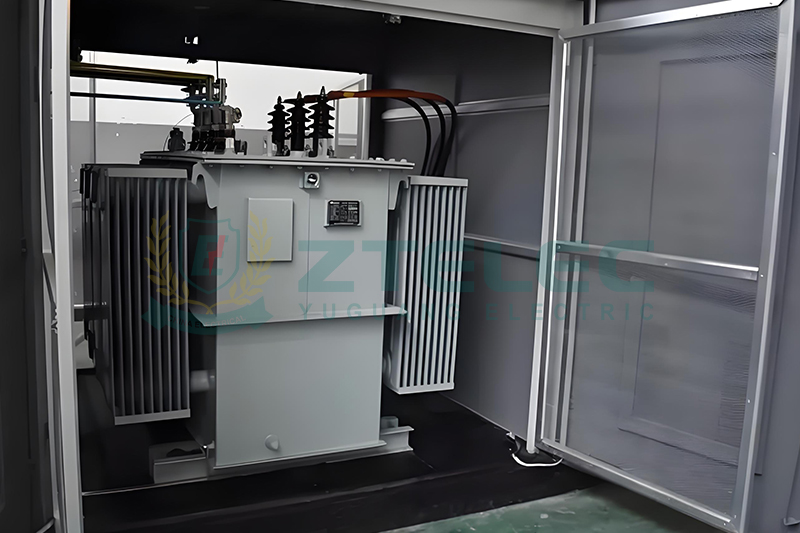
Key Design Strategies for Meeting 2026 Efficiency Requirements
Adopt Advanced Core Materials
Amorphous metal cores, high-permeability grain-oriented electrical steel, and other advanced low-loss magnetic materials are becoming the preferred solutions for reducing no-load losses in modern oil-immersed transformers.
Optimize Winding Design
Improving conductor cross-sectional area, winding arrangement, and magnetic flux distribution helps reduce load losses while improving overall transformer efficiency.
Improve Cooling System Efficiency
For large ONAF and OFAF transformers, manufacturers should optimize oil pumps, cooling fans, and intelligent control systems to reduce auxiliary energy consumption and improve overall efficiency.
Utilize Digital Engineering Technologies
More manufacturers are adopting Finite Element Analysis (FEA), Digital Twin technology, and artificial intelligence to optimize magnetic circuits, thermal performance, and loss distribution during product development.
Focus on Total Lifecycle Economics
Modern transformer design extends beyond meeting minimum regulatory requirements. Manufacturers increasingly optimize products based on lifecycle energy consumption, maintenance costs, operational reliability, and long-term customer value.
How Manufacturers Can Prepare for 2026 Compliance
To address increasingly stringent global efficiency regulations, manufacturers should begin upgrading product platforms, strengthening advanced material supply chains, improving manufacturing technologies, expanding type-testing capabilities, and pursuing international certifications.
Companies exporting to the United States, Europe, the Middle East, Southeast Asia, and other international markets should consider developing standardized IEC-based product platforms while adapting designs to meet regional regulatory requirements. This approach improves global competitiveness and reduces engineering costs.
EPC contractors and renewable energy developers should also prioritize Total Cost of Ownership rather than focusing solely on initial purchase prices, maximizing long-term project returns.
The year 2026 represents an important transition period for global oil-immersed transformer efficiency regulations. The U.S. DOE has confirmed the implementation schedule for its 2029 Final Rule, the European Union continues advancing Tier 3 Ecodesign revisions, and IEC 60076-20 remains the internationally recognized foundation for transformer efficiency evaluation.
Looking ahead, higher efficiency, lower losses, digital engineering, and sustainable manufacturing will define the future of the transformer industry. Manufacturers that proactively invest in advanced materials, digital design technologies, and international compliance programs will be well positioned to compete in the evolving global marketplace while meeting increasingly demanding efficiency requirements.
Frequently Asked Questions (FAQ)
When will the new DOE efficiency standards for oil-immersed transformers become effective?
According to the DOE Final Rule published in 2024, the updated minimum efficiency standards for distribution transformers will become mandatory on April 23, 2029, following a five-year transition period for manufacturers.
Has the EU Tier 3 Ecodesign standard already taken effect?
As of 2026, the European Commission is still evaluating the Tier 3 revision. The final technical requirements and implementation schedule have not yet been officially announced, so manufacturers should continue monitoring future regulatory updates.
Is IEC 60076-20 a mandatory standard?
IEC 60076-20 primarily provides internationally recognized efficiency evaluation methodologies and is generally not mandatory by itself. However, many national regulations reference IEC testing methods when establishing legally binding efficiency requirements.
Why are more projects selecting high-efficiency oil-immersed transformers?
Although high-efficiency transformers typically involve higher upfront investment, they significantly reduce long-term energy losses, electricity costs, and carbon emissions, delivering superior lifecycle economic performance for utilities, renewable energy projects, and industrial facilities.
DOE transformer standards
Ecodesign transformer
oil immersed transformer efficiency standards
EU Ecodesign
transformer warranty
- more+releated article
- 2026-07-142026 Oil-Immersed Transformer Efficiency Stand
- 2026-07-13China Transformer After-Sales Support: A Compl
- 2026-07-1133kV Compact Substations for Industrial Parks:
- 2026-07-10China Oil-Immersed Transformer Manufacturers:
- 2026-07-09Prefabricated Substations for Africa & Eme
- 2026-07-08How to Order Dry-Type Transformer Samples from
- 2026-07-07500kVA Oil-Immersed Transformer Buying Guide:
- 2026-07-061 MVA Compact Substation Installation Guide: C
- 2026-07-04Reliability of Copper Winding Oil-Immersed Tra
- 2026-07-03China Dry Type Transformer Pricing Guide: Mate
- ELECTRICAL INSULATION BOARD MATERIALS
- ELECTRICAL INSULATION MATERIALS
- POWER TRANSFORMER
- ENAMELED WIRE
- SWITCHGEAR



DOE transformer standards
EU Ecodesign
oil immersed transformer efficiency standards
Ecodesign transformer
transformer spare parts
transformer after-sales service
transformer warranty
China transformer procurement
compact transformer substation
33kV prefabricated substation
33kV compact substation
industrial park substation
power transformer manufacturer
China oil immersed transformer manufacturer
oil immersed transformer supplier China
box type substation
Africa Power Infrastructure
Package Substation
compact substation
prefabricated substation
order transformer from China
dry-type transformer sample
transformer sample order
dry type transformer supplier
transformer buying guide