
2026 Prefabricated Substation FAQ: 20 Essential Questions Every Global Buyer Should Know
Prefabricated substations, also known as Compact Substations, Package Substations, or Box-Type Substations, have become one of the fastest-growing solutions in modern power distribution. As renewable energy, industrial automation, data centers, and urban infrastructure continue to expand worldwide, project owners increasingly choose factory-built substations to reduce installation time, improve quality control, and lower overall project costs.
This comprehensive FAQ answers the 20 most frequently asked questions from EPC contractors, utilities, engineering consultants, and international buyers. Whether you are planning a solar farm, wind power station, industrial facility, commercial complex, or municipal distribution network, these answers will help you make more informed purchasing decisions.
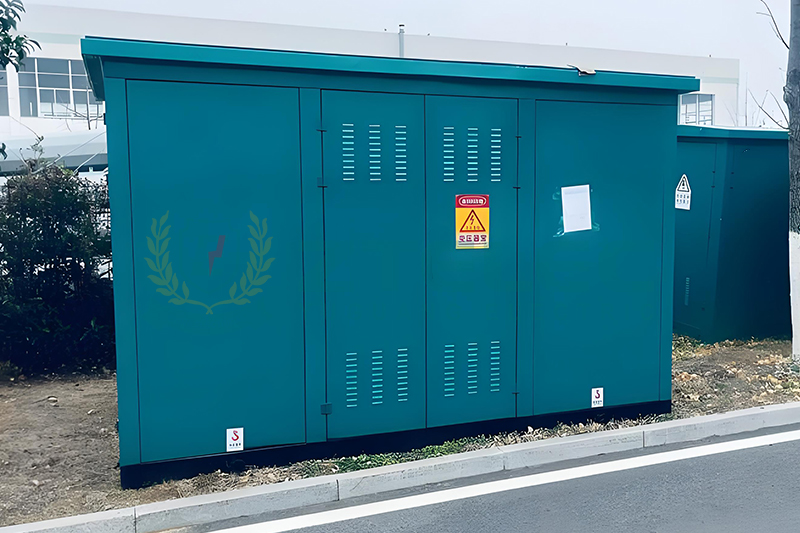
What Is a Prefabricated Substation?
What is a prefabricated substation?
A prefabricated substation is a factory-assembled power distribution system that integrates medium-voltage switchgear, a distribution transformer, low-voltage switchboards, protection devices, monitoring systems, and auxiliary equipment inside a single enclosure or modular structure. After factory testing, the complete unit is transported to the project site for rapid installation and commissioning.
How does it differ from a conventional substation?
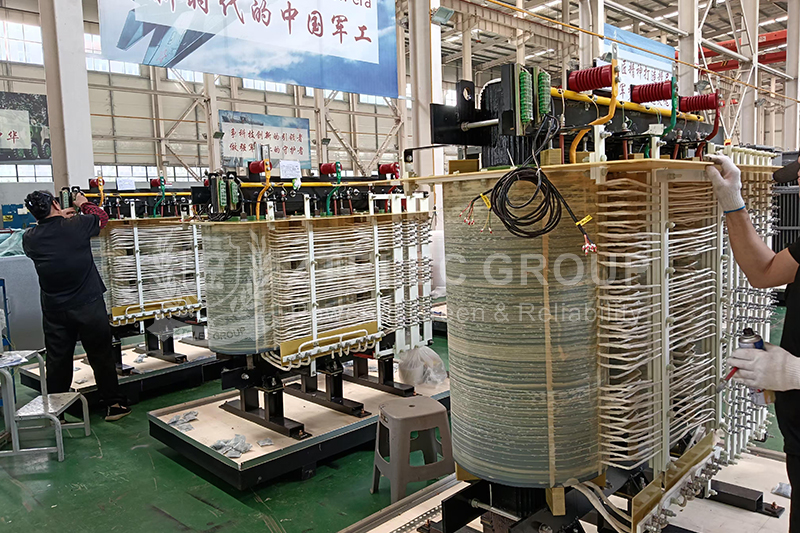
The primary difference lies in the construction method. Conventional substations require extensive civil engineering, on-site equipment installation, cable termination, and testing. A prefabricated substation completes most of these processes at the factory, significantly reducing installation time, construction risks, and labor requirements.
Where are prefabricated substations commonly used?
Typical applications include solar photovoltaic plants, wind farms, battery energy storage systems, industrial manufacturing facilities, mining operations, data centers, ports, airports, commercial buildings, hospitals, railway infrastructure, and temporary power projects. They are especially valuable when project schedules are tight or construction conditions are challenging.
What voltage levels are available?
Most prefabricated substations are designed for medium-voltage distribution systems ranging from 10kV to 35kV. Manufacturers can also provide customized solutions for 66kV, 110kV, or higher voltage applications according to local utility requirements and national standards.
What equipment is included?
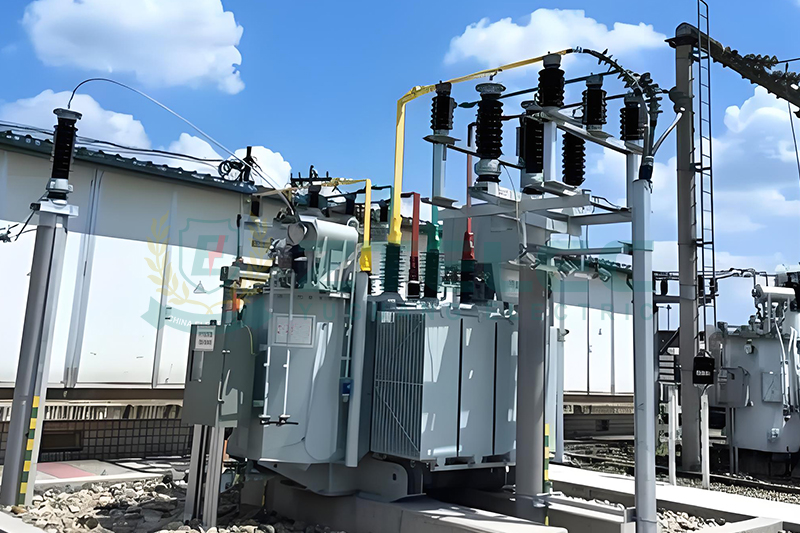
A standard package typically contains medium-voltage switchgear, an oil-immersed or dry-type transformer, low-voltage distribution panels, protection relays, metering devices, grounding systems, ventilation equipment, lighting, fire protection, and optional SCADA or intelligent monitoring systems.
Purchasing and Selection Questions
How do I select the correct transformer capacity?
Capacity selection should be based on a professional load calculation while allowing approximately 15% to 20% additional capacity for future expansion. Providing a complete load schedule enables manufacturers to recommend the most suitable transformer rating and switchgear configuration.
Should I choose a dry-type or oil-immersed transformer?
Dry-type transformers provide superior fire safety, low maintenance, and are ideal for indoor installations or densely populated environments. Oil-immersed transformers generally offer higher efficiency, excellent heat dissipation, larger capacities, and lower initial investment, making them suitable for outdoor industrial applications. The optimal choice depends on installation location, environmental conditions, safety regulations, and lifecycle cost.
What technical information should buyers prepare before requesting a quotation?
To receive an accurate proposal, buyers should provide transformer capacity, primary and secondary voltages, system frequency, incoming and outgoing cable arrangements, installation location, ambient temperature, altitude, enclosure protection level, applicable standards, short-circuit requirements, and any special environmental conditions such as coastal corrosion, desert dust, seismic activity, or explosive atmospheres.
Do international standards affect equipment selection?
Yes. Compliance with local electrical standards is essential. Most European, Asian, Middle Eastern, African, and many international projects follow IEC standards, while North American projects generally require ANSI/IEEE compliance. Some countries also maintain national regulations that influence equipment design, testing, and certification.
How can buyers evaluate a reliable manufacturer?
A qualified supplier should demonstrate proven manufacturing experience, ISO quality management certification, factory type-test reports, international certifications where applicable, successful export references, engineering support capabilities, and comprehensive after-sales service. Factory audits and project references further improve purchasing confidence.
Technical Performance Questions
What is the expected service life?
When properly installed and maintained, a high-quality prefabricated substation typically operates reliably for 20 to 30 years or longer. Equipment longevity depends on environmental conditions, operating load, maintenance practices, and component quality.
Can prefabricated substations operate in harsh environments?
Yes. Manufacturers can customize substations for deserts, tropical climates, high-altitude regions, coastal environments, heavy snowfall, and extremely low temperatures by using enhanced insulation, corrosion-resistant coatings, climate-control systems, anti-condensation heaters, and reinforced enclosure structures.
Which enclosure protection rating should I choose?
Most projects specify protection levels between IP33 and IP54. Outdoor installations exposed to rain, dust, sandstorms, or severe weather often require higher protection ratings to ensure long-term operational reliability.
Do modern substations support remote monitoring?
Most contemporary prefabricated substations can integrate intelligent monitoring systems supporting SCADA communication, remote diagnostics, real-time measurement, fault alarms, energy management, and predictive maintenance. These capabilities improve operational efficiency while reducing maintenance costs.
How is transformer noise controlled?
Manufacturers reduce operational noise by optimizing magnetic core design, improving winding structures, installing vibration isolation systems, applying acoustic insulation materials, and designing efficient ventilation systems. Proper engineering enables many substations to satisfy strict urban environmental noise regulations.
Delivery and Installation Questions
What is the typical manufacturing and delivery schedule?
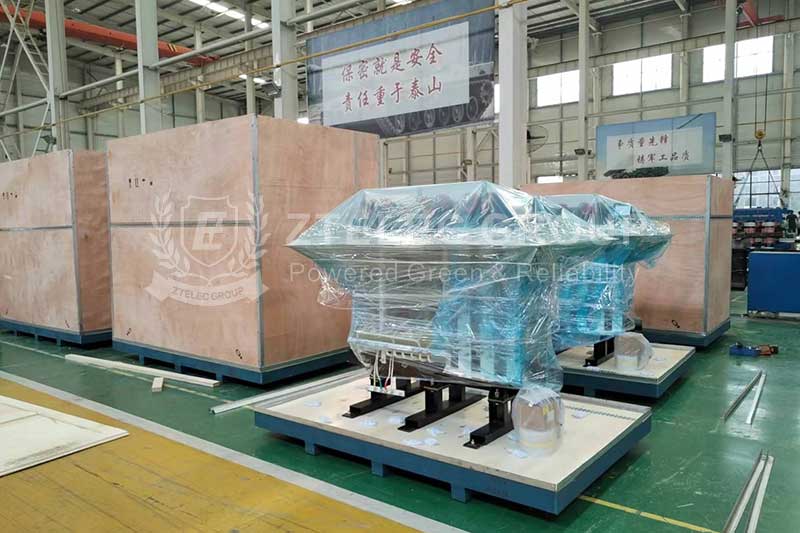
Production usually requires four to eight weeks depending on technical complexity, material availability, and factory workload. International transportation time varies according to destination, shipping method, customs clearance, and local logistics arrangements.
How long does on-site installation take?
Because factory assembly and testing are completed before shipment, on-site installation generally requires only one to three days for positioning, cable connection, grounding, inspection, and commissioning, dramatically reducing project schedules compared with conventional substations.
Is professional installation recommended?
Yes. Installation should be performed by qualified electrical contractors under the supervision of experienced commissioning engineers. Professional installation ensures compliance with electrical codes, safe energization, warranty validity, and long-term operational reliability.
Maintenance and Cost Questions
What warranty is typically provided?
Most manufacturers offer warranties ranging from one to two years after commissioning, while some critical components may receive extended warranty coverage. Buyers should carefully review warranty conditions, spare parts availability, and service commitments before signing the purchase agreement.
Is a prefabricated substation more economical than a conventional substation?
Although the equipment purchase price may be comparable, the total project cost is often lower because prefabricated substations minimize civil construction, shorten project schedules, reduce labor expenses, improve quality consistency, and accelerate commissioning. These lifecycle advantages frequently deliver a better return on investment for utilities, EPC contractors, and industrial facilities.
Prefabricated substations have become an essential solution for modern electrical infrastructure thanks to their modular construction, rapid deployment, high reliability, and flexible customization. As international demand continues to grow throughout 2026, buyers who understand technical specifications, international standards, transformer selection, logistics, and supplier qualifications will be better positioned to achieve successful project outcomes.
Whether your project involves renewable energy, industrial power distribution, commercial developments, mining operations, or critical infrastructure, partnering with an experienced prefabricated substation manufacturer can significantly improve project efficiency while reducing overall lifecycle costs.
prefabricated transformer substation
Prefabricated Substation FAQ
box type substation
Compact Substation Guide
oil immersed transformer efficiency standards
- more+releated article
- 2026-07-152026 Prefabricated Substation FAQ: 20 Essentia
- 2026-07-142026 Oil-Immersed Transformer Efficiency Stand
- 2026-07-13China Transformer After-Sales Support: A Compl
- 2026-07-1133kV Compact Substations for Industrial Parks:
- 2026-07-10China Oil-Immersed Transformer Manufacturers:
- 2026-07-09Prefabricated Substations for Africa & Eme
- 2026-07-08How to Order Dry-Type Transformer Samples from
- 2026-07-07500kVA Oil-Immersed Transformer Buying Guide:
- 2026-07-061 MVA Compact Substation Installation Guide: C
- 2026-07-04Reliability of Copper Winding Oil-Immersed Tra
- ELECTRICAL INSULATION BOARD MATERIALS
- ELECTRICAL INSULATION MATERIALS
- POWER TRANSFORMER
- ENAMELED WIRE
- SWITCHGEAR



prefabricated transformer substation
box type substation
Compact Substation Guide
Prefabricated Substation FAQ
oil immersed transformer efficiency standards
Ecodesign transformer
EU Ecodesign
DOE transformer standards
transformer spare parts
China transformer procurement
transformer after-sales service
transformer warranty
compact transformer substation
industrial park substation
33kV compact substation
33kV prefabricated substation
power transformer manufacturer
China oil immersed transformer manufacturer
oil immersed transformer supplier China
Africa Power Infrastructure
Package Substation
compact substation
prefabricated substation
dry type transformer supplier
transformer sample order