
2000 kVA Oil-Immersed Transformer: A Reliable Solution for Large Power Distribution
A 2000 kVA oil-immersed transformer is a powerful solution for modern electrical distribution systems. It provides stable power, high efficiency, and reliable performance for large facilities.
Industrial plants, commercial buildings, data centers, and renewable energy projects all require dependable power equipment. As electricity demand increases, larger distribution transformers become essential for safe and efficient operation.
Among different transformer types, the 2000 kVA oil-immersed transformer remains a popular choice because of its excellent cooling performance, strong overload capability, and competitive cost.
This article explains the working principle, advantages, applications, technical features, and selection methods of 2000 kVA oil-filled transformers. It also provides practical advice for buyers, engineers, and EPC contractors.
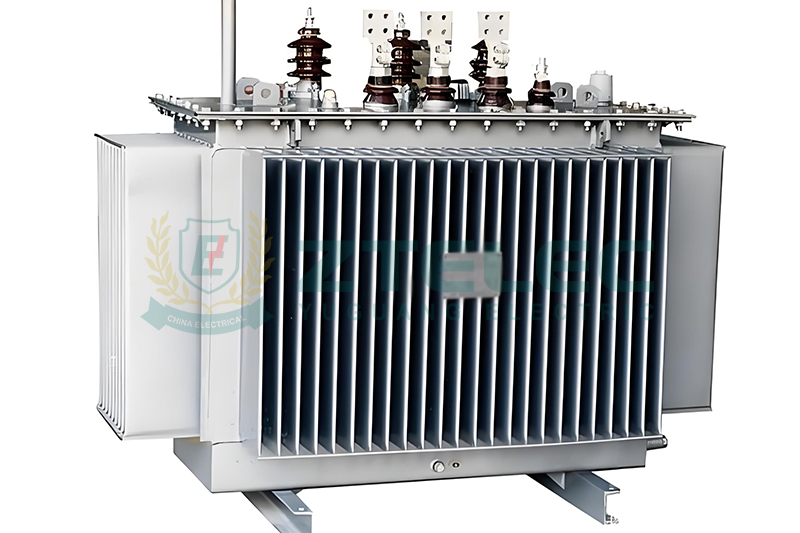
What Is a 2000 kVA Oil-Immersed Transformer?
A 2000 kVA oil-immersed transformer is a medium-voltage distribution transformer with a rated capacity of 2,000 kilovolt-amperes (kVA).
The transformer uses insulating oil around the core and windings. The oil performs two important functions. First, it provides electrical insulation between internal components. Second, it removes heat during operation.
Unlike dry-type transformers, oil-immersed transformers use liquid cooling. This allows them to handle higher loads while maintaining stable temperatures.
For this reason, 2000 kVA oil-filled transformers are widely used in outdoor substations, industrial power systems, and utility distribution networks.
How Does a 2000 kVA Oil-Immersed Transformer Work?
The operation of a transformer is based on electromagnetic induction. When alternating current flows through the primary winding, it creates a magnetic field inside the transformer core.
This magnetic field transfers electrical energy to the secondary winding. As a result, the transformer changes the voltage level while maintaining power transmission efficiency.
During operation, the core and windings generate heat. The insulating oil absorbs this heat and transfers it to the cooling system.
The cooling process usually works through natural oil circulation and natural air cooling, known as ONAN cooling. For higher load requirements, manufacturers can add cooling fans to create an ONAF cooling system.
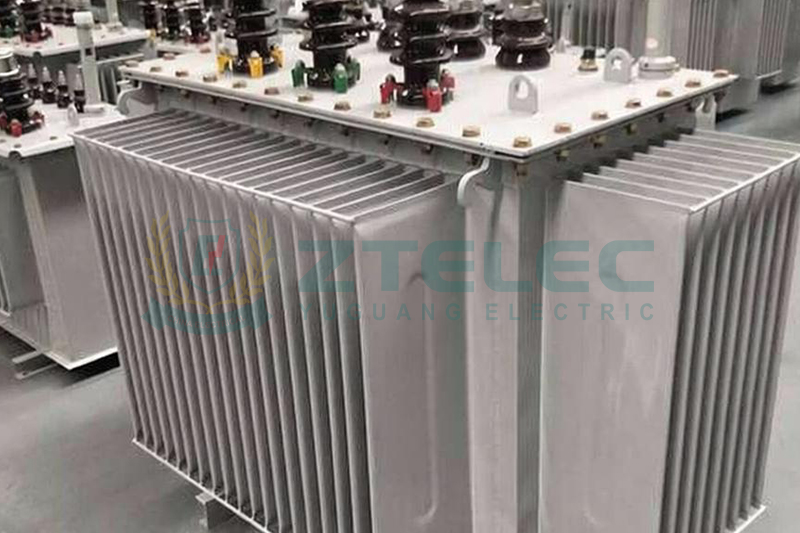
Modern 2000 kVA transformers often use sealed corrugated oil tanks. This design reduces moisture contamination and improves long-term reliability.
Main Structure of a 2000 kVA Oil-Filled Transformer
A high-quality 2000 kVA oil-immersed transformer contains several key components. Each part plays an important role in electrical performance and operational safety.
Transformer Core
The transformer core usually uses high-quality grain-oriented silicon steel (CRGO). This material helps reduce energy losses and improves transformer efficiency.
Advanced core manufacturing technology also reduces vibration and operating noise. Therefore, modern transformers can achieve better performance with lower power consumption.
High and Low Voltage Windings
The windings transfer electrical energy between different voltage levels. Manufacturers commonly use copper or aluminum conductors.
Copper windings provide excellent conductivity and mechanical strength. Aluminum windings offer a more economical option for projects that focus on cost control.
Insulating Oil System
The insulating oil is one of the most important parts of an oil-immersed transformer.
It prevents electrical breakdown between internal components and removes heat from the windings. High-quality transformer oil also helps extend insulation life.
Oil Tank and Cooling System
The oil tank protects internal components from external conditions. Modern corrugated tanks improve sealing performance and reduce maintenance requirements.
Cooling fins or radiators release heat into the surrounding environment. This keeps the transformer operating safely under continuous load conditions.
Protection Devices
A 2000 kVA transformer normally includes protection equipment such as Buchholz relays, pressure relief valves, temperature indicators, oil level gauges, and tap changers.
These devices monitor transformer conditions and help prevent serious failures caused by overheating, internal faults, or abnormal pressure.
Key Advantages of a 2000 kVA Oil-Immersed Transformer
A 2000 kVA oil-immersed transformer offers several advantages for large-scale power distribution systems. Its reliable design, strong cooling capability, and long service life make it suitable for demanding applications.
High Power Capacity
The biggest advantage of a 2000 kVA transformer is its high power capacity. It can supply electricity to large factories, commercial facilities, and infrastructure projects.
Using one high-capacity transformer can simplify the electrical system. It reduces the number of installed units and makes operation easier.
Excellent Cooling Performance
Transformer oil provides better heat transfer than air. It quickly removes heat generated by the core and windings during operation.
As a result, oil-immersed transformers can work under heavy loads with stable temperature control. This feature is especially important for factories and facilities with continuous power demand.
Strong Overload Capability
Many industrial applications experience temporary increases in electricity demand. A 2000 kVA oil-filled transformer can handle short-term overload conditions better than many air-cooled alternatives.
The efficient cooling system helps protect insulation materials and reduces the risk of overheating.
High Energy Efficiency
Modern 2000 kVA transformers use advanced core materials and optimized winding designs. These improvements reduce both no-load losses and load losses.
Lower energy losses mean lower operating costs. For facilities that run continuously, an energy-efficient transformer can provide significant savings over its lifetime.
Long Service Life
A properly maintained oil-immersed transformer can operate reliably for more than 30 years.
Regular oil testing, temperature monitoring, and preventive inspections help maintain performance and extend equipment life.
Lower Total Ownership Cost
Compared with dry-type transformers of the same capacity, oil-immersed transformers usually have a lower initial purchase cost.
They also have mature technology, widely available spare parts, and simple maintenance procedures. Therefore, they are a cost-effective choice for many large power projects.
Reliable Outdoor Operation
Oil-filled transformers are commonly installed in outdoor substations because of their strong environmental adaptability.
With proper protection, they can operate in different climates, including high-temperature regions, coastal areas, and industrial environments.
Applications of 2000 kVA Oil-Immersed Transformers
Because of their reliability and high capacity, 2000 kVA oil-immersed transformers are widely used in many industries.
Industrial Manufacturing Facilities
Factories require stable electricity for production lines, motors, automation equipment, and heavy machinery.
A 2000 kVA distribution transformer provides sufficient power capacity and helps maintain continuous production.
Data Centers
Data centers have strict requirements for power reliability. Servers, cooling systems, and network equipment need stable electricity around the clock.
A 2000 kVA oil-filled transformer provides efficient power conversion and supports high-demand data center operations.
Commercial Buildings
Shopping malls, office buildings, hotels, and large commercial complexes require reliable electrical systems.
These transformers support lighting systems, elevators, HVAC equipment, security systems, and other building services.
Renewable Energy Projects
Solar farms, wind power plants, and battery energy storage systems need reliable transformers for power transmission.
A 2000 kVA transformer can be used for voltage conversion between renewable energy equipment and the electrical grid.
Hospitals and Public Infrastructure
Hospitals, airports, rail transit systems, and water treatment facilities depend on continuous power supply.
The high reliability of oil-immersed transformers makes them suitable for these critical applications.
Mining and Heavy Industry
Mining operations, steel plants, cement factories, and chemical facilities often operate under demanding conditions.
A robust 2000 kVA power transformer provides the durability and load capability required for these environments.
Typical Technical Specifications of a 2000 kVA Transformer
The exact specifications may vary according to project requirements. However, common configurations include the following parameters.
Rated Capacity: 2000 kVA
Primary Voltage: 6 kV, 10 kV, 11 kV, 13.8 kV, 20 kV, 22 kV, 33 kV, or 35 kV
Secondary Voltage: 400 V, 415 V, 433 V, 480 V, or customized voltage levels
Frequency: 50 Hz or 60 Hz
Cooling Method: ONAN or ONAF
Winding Material: Copper or Aluminum
Core Material: CRGO silicon steel or optional amorphous alloy core
Transformer Standards: IEC 60076, IEEE C57, ANSI, and other international standards
Tap Changer: Off-circuit tap changer or on-load tap changer (OLTC)
Installation Type: Outdoor substation, indoor transformer room, or prefabricated substation
Customized Solutions for Different Projects
Every project has different electrical requirements. Therefore, manufacturers can customize 2000 kVA oil-immersed transformers according to specific applications.
Common customization options include different voltage ratios, impedance values, vector groups, winding materials, cooling systems, protection devices, and monitoring solutions.
For renewable energy projects and smart grid applications, transformers can also include digital monitoring systems. These systems provide real-time information about temperature, load condition, and transformer health.
How to Choose the Right 2000 kVA Oil-Immersed Transformer
Choosing the right transformer is important for system reliability, energy efficiency, and long-term operating costs. Before purchasing a 2000 kVA oil-immersed transformer, several factors should be carefully considered.
Calculate the Actual Load Requirement
The first step is to calculate the actual power demand of the project. Engineers should consider current loads and future expansion plans.
A reasonable capacity margin helps prevent continuous overload operation. It also improves transformer reliability and extends service life.
Select the Correct Voltage Rating
The transformer voltage ratio must match the local power grid and connected equipment.
Common medium voltage options include 10 kV, 11 kV, 20 kV, 22 kV, 33 kV, and 35 kV. Low voltage outputs usually include 400 V, 415 V, 480 V, and 690 V.
Choose Copper or Aluminum Windings
Copper winding transformers provide excellent conductivity and better mechanical strength. They are suitable for applications that require high efficiency and long-term performance.
Aluminum winding transformers offer a more economical solution. They are often selected for projects where investment cost is an important consideration.
Consider Energy Efficiency Requirements
Transformer losses directly affect operating expenses. Selecting a low-loss transformer can reduce electricity consumption throughout the equipment life cycle.
For large facilities that operate continuously, energy efficiency should be one of the main purchasing considerations.
Evaluate the Installation Environment
The working environment affects transformer design. Different locations require different protection levels and materials.
For coastal areas, manufacturers may recommend anti-corrosion treatment. For high-temperature or dusty environments, enhanced cooling and protection designs may be required.
Check International Standards and Certifications
For international projects, transformers should meet relevant standards and certification requirements.
Common standards include IEC 60076, IEEE C57, ANSI, and local grid regulations. Compliance helps ensure safety, quality, and easier project approval.
Select an Experienced Transformer Manufacturer
A reliable manufacturer provides more than equipment supply. Professional suppliers can offer technical design support, factory testing, export documentation, installation guidance, and after-sales service.
For global projects, choosing an experienced transformer manufacturer can reduce risks and improve project success.
Installation Requirements for a 2000 kVA Oil-Immersed Transformer
Proper installation directly affects transformer performance and safety. A professional installation process helps prevent future failures.
Foundation and Installation Space
The transformer should be installed on a strong and level foundation. The installation area must provide enough space for inspection, maintenance, and heat dissipation.
Ventilation and Cooling
Good ventilation is necessary for efficient cooling. Airflow around the transformer should not be blocked by walls, equipment, or other structures.
Electrical Connection
All high-voltage and low-voltage connections must be installed correctly. Loose connections can cause overheating, power loss, and equipment damage.
Grounding and Protection
A reliable grounding system protects both people and equipment. Lightning protection, surge protection, and short-circuit protection should be installed according to local requirements.
Commissioning Before Operation
Before energizing the transformer, engineers should complete insulation tests, oil inspections, protection checks, and electrical measurements.
Proper commissioning ensures safe startup and stable operation.
Maintenance Tips for Long-Term Reliability
Regular maintenance helps a 2000 kVA oil-filled transformer achieve a longer service life. A preventive maintenance plan can also reduce unexpected downtime.
Check Transformer Oil Regularly
Oil testing is one of the most important maintenance activities. Engineers should check dielectric strength, moisture content, acidity, and dissolved gas levels.
Early detection of oil problems can prevent insulation damage and internal failures.
Inspect Temperature and Protection Systems
Temperature indicators, Buchholz relays, pressure relief devices, and cooling systems should be inspected regularly.
These components provide important protection during abnormal operating conditions.
Monitor Abnormal Noise and Heat
Unusual noise, vibration, or temperature increases may indicate potential problems.
Infrared inspection and online monitoring systems can help identify issues before major failures occur.
Keep Maintenance Records
Detailed maintenance records help engineers understand transformer conditions over time.
Inspection reports, oil test results, and repair history provide valuable information for future maintenance decisions.
Frequently Asked Questions About 2000 kVA Oil-Immersed Transformers
What is the application of a 2000 kVA oil-immersed transformer?
A 2000 kVA oil-immersed transformer is mainly used for industrial plants, commercial buildings, data centers, renewable energy projects, utility substations, and other large electrical systems.
How long can a 2000 kVA transformer operate?
With proper installation and regular maintenance, a high-quality oil-filled transformer can normally operate for more than 30 years.
Is a 2000 kVA oil transformer suitable for outdoor installation?
Yes. Oil-immersed transformers are widely used in outdoor substations because they provide strong environmental resistance and excellent cooling performance.
What is the difference between an oil-immersed transformer and a dry-type transformer?
Oil-immersed transformers use insulating oil for cooling and insulation. They usually provide better heat dissipation and higher overload capability.
Dry-type transformers use air or resin insulation. They are often selected for indoor locations where fire safety requirements are stricter.
Can a 2000 kVA transformer be customized?
Yes. Manufacturers can customize voltage levels, winding materials, cooling systems, tap changers, protection devices, and monitoring solutions according to project requirements.
A 2000 kVA oil-immersed transformer is a reliable and economical solution for large power distribution systems.
Its high capacity, excellent cooling performance, strong overload capability, and long service life make it suitable for industrial facilities, commercial buildings, data centers, renewable energy projects, and utility applications.
Selecting the correct transformer design, working with an experienced manufacturer, and following proper maintenance practices are essential for achieving safe and efficient operation.
For companies planning new electrical projects or upgrading existing power systems, a high-quality 2000 kVA oil-filled transformer provides a dependable foundation for long-term energy reliability.
2000 kVA oil immersed transformer
distribution transformer
2000 kVA oil filled transformer
Compact Substation Guide
Prefabricated Substation FAQ
- more+releated article
- 2026-07-162000 kVA Oil-Immersed Transformer: A Reliable
- 2026-07-152026 Prefabricated Substation FAQ: 20 Essentia
- 2026-07-142026 Oil-Immersed Transformer Efficiency Stand
- 2026-07-13China Transformer After-Sales Support: A Compl
- 2026-07-1133kV Compact Substations for Industrial Parks:
- 2026-07-10China Oil-Immersed Transformer Manufacturers:
- 2026-07-09Prefabricated Substations for Africa & Eme
- 2026-07-08How to Order Dry-Type Transformer Samples from
- 2026-07-07500kVA Oil-Immersed Transformer Buying Guide:
- 2026-07-061 MVA Compact Substation Installation Guide: C
- ELECTRICAL INSULATION BOARD MATERIALS
- ELECTRICAL INSULATION MATERIALS
- POWER TRANSFORMER
- ENAMELED WIRE
- SWITCHGEAR



2000 kVA oil filled transformer
2000 kVA oil immersed transformer
distribution transformer
box type substation
Compact Substation Guide
Prefabricated Substation FAQ
prefabricated transformer substation
DOE transformer standards
EU Ecodesign
oil immersed transformer efficiency standards
Ecodesign transformer
transformer spare parts
transformer warranty
transformer after-sales service
China transformer procurement
33kV compact substation
industrial park substation
33kV prefabricated substation
compact transformer substation
oil immersed transformer supplier China
power transformer manufacturer
China oil immersed transformer manufacturer
compact substation
prefabricated substation
Africa Power Infrastructure