
2000 kVA Oil-Filled Transformer Price 2026: Market Overview, Cost Factors & Buying Guide
The 2000 kVA oil-filled transformer price is an important consideration for utilities, EPC contractors, industrial companies, commercial facilities, renewable energy developers, and electrical equipment distributors. In 2026, the final cost of a 2000 kVA transformer depends on more than rated capacity. Transformer voltage, winding material, efficiency requirements, cooling method, insulation level, accessories, testing, certifications, transportation, and installation can all significantly affect the final project cost.
A 2000 kVA oil-filled transformer is widely used in industrial plants, commercial buildings, distribution substations, renewable energy projects, infrastructure facilities, and utility networks. Oil-immersed construction provides efficient heat dissipation and has a long history of reliable operation in medium-voltage power distribution.
This 2026 guide explains the typical 2000 kVA oil-filled transformer cost, the major factors affecting quotations, regional purchasing considerations, installation and maintenance expenses, and how to compare suppliers without focusing only on the initial purchase price.
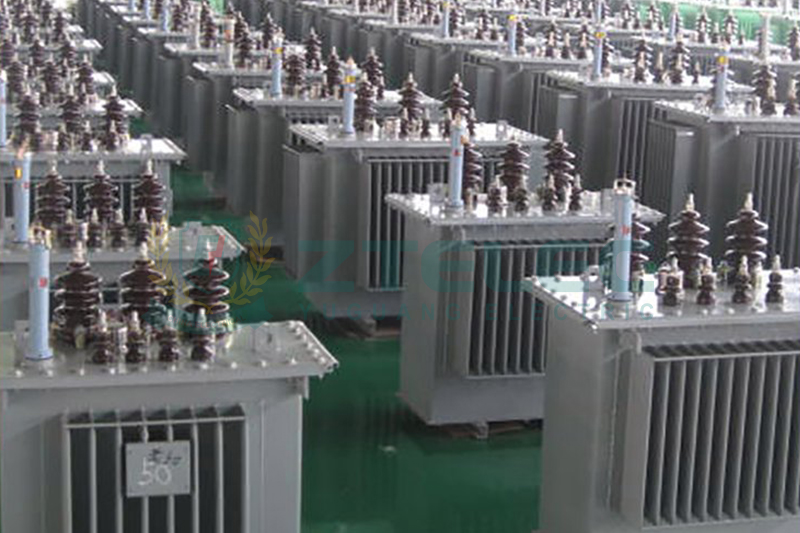
2000 kVA Oil-Filled Transformer Price in 2026
There is no single global price for a 2000 kVA oil-filled transformer. A practical budgetary quotation can vary substantially depending on the electrical specification and project requirements.
| 2000 kVA Transformer Configuration | Indicative Budget Range (USD) | Main Cost Considerations |
|---|---|---|
| Standard oil-filled transformer | $25,000–$40,000 | Standard voltage ratio, conventional accessories and configuration |
| High-efficiency configuration | $40,000–$60,000 | Lower losses, upgraded materials and efficiency requirements |
| Custom-engineered transformer | $60,000–$100,000+ | Special voltage, impedance, cooling, protection, testing or certification requirements |
| Used or refurbished unit | $15,000–$25,000 | Age, condition, test results, remaining service life and warranty |
Important: These figures should be treated as broad budgetary estimates rather than fixed 2026 market quotations. Actual transformer prices vary by country, manufacturer, copper and steel costs, specification, order quantity, shipping terms, certification, and project requirements. For procurement, a project-specific RFQ is the most reliable way to establish the actual price.
What Is a 2000 kVA Oil-Filled Transformer?
A 2000 kVA oil-filled transformer, also called a 2000 kVA oil-immersed transformer, is a power distribution transformer with a rated apparent power of 2000 kVA. It uses insulating liquid to provide electrical insulation and remove heat generated by the core and windings.
During operation, electrical energy enters the high-voltage winding and is transferred magnetically to the low-voltage winding. The transformer changes the voltage to the level required by the downstream distribution system while maintaining the required power capacity.
Depending on the application, a 2000 kVA transformer may be designed for medium-voltage systems such as 6.6 kV, 10 kV, 11 kV, 20 kV, 22 kV, or 33 kV, with low-voltage outputs such as 400 V or 415 V. The exact voltage ratio must be matched to the local grid and load requirements.
Key Characteristics of a 2000 kVA Oil-Filled Transformer
High power capacity: A 2000 kVA rating makes the transformer suitable for many medium-sized industrial, commercial, utility, and renewable energy applications.
Effective heat dissipation: Transformer oil transfers heat from the windings and core to the tank and radiator system, allowing stable operation under normal loading conditions.
Long service life: Properly designed, installed, loaded, and maintained oil-filled transformers can provide reliable service for several decades.
Outdoor suitability: Many oil-immersed transformers are designed for outdoor substations and distribution installations, subject to the enclosure, environmental, and local safety requirements.
Flexible configuration: Buyers can specify voltage ratio, vector group, impedance, winding material, tap changer, cooling arrangement, accessories, monitoring systems, and other parameters.
Typical Applications of a 2000 kVA Oil-Filled Transformer
Industrial Power Distribution
Manufacturing plants, steel facilities, mining operations, chemical plants, processing facilities, and large workshops often require dedicated transformers for production equipment, motors, pumps, compressors, lighting, HVAC, and auxiliary systems.
A 2000 kVA transformer can provide a centralized power distribution point for facilities where the calculated demand and future load growth are compatible with the transformer's capacity.
Commercial Buildings and Complexes
Shopping centers, office parks, hotels, hospitals, warehouses, and mixed-use developments can use 2000 kVA oil-filled transformers to distribute medium-voltage utility power to low-voltage building systems.
Utility Distribution Substations
Distribution utilities can use 2000 kVA oil-immersed transformers to step down medium-voltage electricity for local distribution networks. The transformer can be integrated with MV switchgear, protection equipment, metering, and low-voltage distribution equipment.
Solar and Renewable Energy Projects
Oil-filled transformers are also used in solar PV, wind power, and battery energy storage projects. Depending on the system architecture, the transformer can connect inverter outputs to a medium-voltage collection network or grid interconnection point.
Renewable energy applications require additional attention to inverter characteristics, harmonic performance, bidirectional power flow, grounding, protection coordination, and grid-code requirements.
What Determines the Price of a 2000 kVA Oil-Filled Transformer?
1. Copper or Aluminum Windings
Winding material is one of the most important cost factors. Copper generally has higher material value and excellent electrical conductivity, while aluminum can provide a lower initial equipment cost in applications where its electrical and mechanical characteristics are acceptable.
When comparing two quotations, buyers should confirm the winding material instead of comparing prices based only on the 2000 kVA rating.
2. Core Material and Transformer Losses
The transformer core has a direct influence on no-load losses and overall efficiency. Higher-performance core materials and optimized magnetic flux design can increase the initial purchase price while reducing energy losses throughout the transformer's operating life.
For continuously loaded transformers, evaluating total cost of ownership can be more useful than selecting the lowest initial quotation.
3. Primary and Secondary Voltage
A transformer designed for 11 kV may have a different cost from a transformer designed for 33 kV because higher voltage classes generally require higher insulation levels, clearances, bushings, testing requirements, and other design considerations.
Common project configurations include 10 kV/0.4 kV, 11 kV/0.4 kV, 20 kV/0.4 kV, 22 kV/0.4 kV, and 33 kV/0.4 kV, although other voltage ratios are available.
4. Transformer Impedance
Specified impedance affects short-circuit current, voltage regulation, system coordination, and transformer design. A special impedance requirement may require additional engineering and can affect the final quotation.
5. Cooling Method
Many 2000 kVA distribution transformers use natural oil circulation and natural air cooling. Larger or special-duty applications may require forced cooling or additional heat dissipation equipment.
The selected cooling method affects the transformer design, accessories, operating characteristics, and cost.
6. Tap Changer
Some transformers use an off-circuit tap changer to compensate for supply voltage variations. Applications requiring voltage regulation under load may require an on-load tap changer, which can substantially increase the transformer package cost.
7. Protection and Monitoring Equipment
Additional equipment such as Buchholz relays, pressure relief devices, oil temperature indicators, winding temperature indicators, oil level gauges, surge arresters, digital meters, remote monitoring interfaces, and other protection functions can increase the total equipment price.
8. Efficiency and Energy-Loss Requirements
Projects with strict energy-efficiency requirements may require lower no-load and load losses. Although a low-loss transformer can have a higher purchase price, reduced energy losses can produce significant savings over its service life.
9. Standards and Certification
International and regional projects may require compliance with standards such as IEC 60076 or relevant national and utility specifications. Additional type tests, routine tests, documentation, inspection, and certification can affect the total quotation.
10. Transportation and Installation
A 2000 kVA transformer is heavy and requires specialized logistics in many projects. Freight, insurance, customs clearance, unloading, crane services, foundation preparation, cable connection, testing, and commissioning can all add to the delivered project cost.
2000 kVA Transformer Price by Specification
| Specification | Potential Price Impact | Why It Matters |
|---|---|---|
| Higher voltage class | Higher | Requires increased insulation and higher-rated components |
| Copper winding | Higher | Higher material value and conductivity |
| Aluminum winding | Lower in many configurations | Lower material cost with different electrical and mechanical characteristics |
| Low-loss core | Higher initial cost | Reduces lifetime energy losses |
| ONAN cooling | Generally lower | Simple natural cooling arrangement |
| Forced cooling | Higher | Adds fans, controls and associated equipment |
| Off-circuit tap changer | Moderate | Provides adjustment when the transformer is de-energized |
| On-load tap changer | Higher | Allows voltage regulation while energized |
| Smart monitoring | Higher | Adds sensors, communication and monitoring equipment |
| Special testing and certification | Higher | Additional engineering, testing and documentation |
Regional Considerations for 2000 kVA Transformer Pricing
Transformer prices can vary significantly between markets. However, regional price comparisons should be treated carefully because a lower factory price does not necessarily mean a lower delivered project cost.
| Market | Typical Purchasing Considerations |
|---|---|
| North America | ANSI/IEEE requirements, utility specifications, testing, certification and relatively high installation costs |
| Europe | IEC requirements, efficiency requirements, environmental considerations and certification |
| Asia | Large manufacturing capacity, competitive supplier base and a wide range of transformer configurations |
| Middle East | High-temperature conditions, utility specifications, environmental protection and import logistics |
| Africa | Transportation, project financing, local standards, climate conditions and spare parts availability |
| Latin America | Import duties, currency fluctuations, local standards and regional supplier availability |
For international procurement, buyers should compare the total delivered cost, including EXW or FOB pricing, freight, insurance, customs, local taxes, installation, testing, commissioning, and after-sales service.
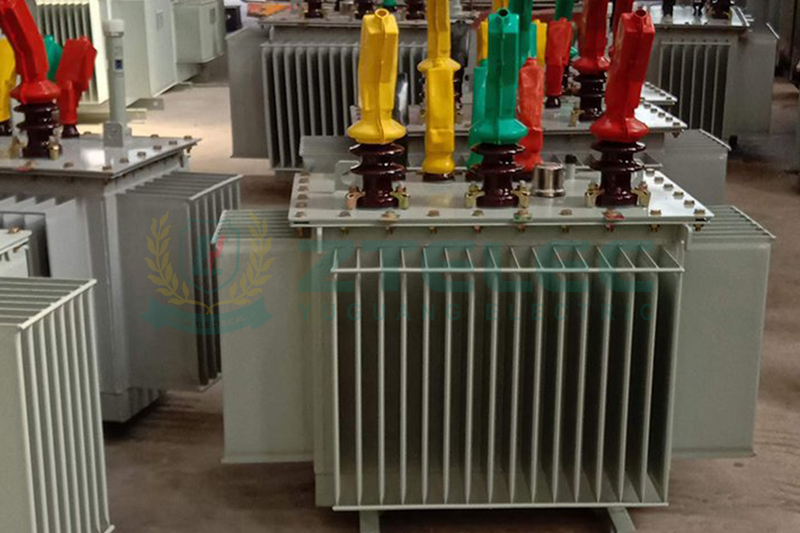
2000 kVA Oil-Filled Transformer Cost Breakdown
The exact cost structure differs between manufacturers, but the main cost categories typically include the transformer active part, tank, oil, cooling equipment, accessories, testing, factory labor, logistics, and installation.
| Cost Category | Typical Role in Total Cost |
|---|---|
| Core and windings | Major portion of manufacturing cost |
| Transformer tank | Provides mechanical protection and oil containment |
| Insulating oil | Provides insulation and heat transfer |
| Radiators and cooling equipment | Removes transformer operating heat |
| Bushings and accessories | Provides electrical connections, monitoring and protection |
| Testing and quality control | Verifies compliance with technical requirements |
| Transportation | Depends on weight, distance, Incoterms and destination |
| Installation and commissioning | Depends on local labor, site conditions and project scope |
2000 kVA Oil-Filled Transformer Price vs. Total Cost of Ownership
The lowest purchase price is not always the most economical choice. A transformer operates continuously for many years, so buyers should evaluate both the initial purchase price and lifetime operating costs.
The total cost of ownership can include purchase price, transportation, installation, no-load losses, load losses, maintenance, oil testing, spare parts, unplanned downtime, and eventual replacement.
For a heavily loaded transformer, a slightly higher purchase price for lower-loss construction may provide a better economic result over the equipment's operating life.
Example of a Total Cost Evaluation
Suppose Supplier A offers a transformer at a lower initial price but with higher guaranteed losses, while Supplier B offers a more expensive low-loss transformer. If both transformers operate continuously for many years, the energy-cost difference may eventually exceed the initial purchase-price difference.
For this reason, procurement teams should request guaranteed no-load loss, load loss, impedance, temperature rise, and efficiency data from each qualified supplier and include these values in the technical and financial comparison.
How to Reduce the 2000 kVA Transformer Purchase Cost
Choose a Standard Configuration Where Possible
Standard voltage ratios, standard accessories, conventional cooling, and proven enclosure configurations are generally easier and less expensive to manufacture than highly customized designs.
Compare Multiple Manufacturers
Requesting quotations from several qualified manufacturers can reveal differences in transformer construction, material selection, testing, warranty, delivery terms, and after-sales support.
However, quotations should be compared using the same technical specification. A low quotation may simply reflect different winding material, higher guaranteed losses, fewer accessories, lower testing scope, or different Incoterms.
Optimize Transformer Capacity
Do not automatically select a larger transformer than required. At the same time, excessive undersizing can cause high loading, overheating, reduced efficiency, and insufficient capacity for future expansion.
A professional load study should consider current demand, peak demand, diversity factor, power factor, motor starting, harmonic loads, and expected future growth.
Evaluate Energy Losses
Compare no-load and load losses instead of looking only at the nameplate capacity. A more efficient transformer may justify a higher initial investment when the equipment operates continuously at significant loading.
Optimize Logistics
For international projects, freight can represent a meaningful part of the delivered transformer cost. Compare FOB, CIF, CFR, DAP, or other applicable Incoterms and confirm exactly which services are included in each quotation.
New vs. Used 2000 kVA Oil-Filled Transformer
Used or refurbished transformers can offer a lower purchase price, but the economic comparison should include remaining service life and technical condition.
| Factor | New Transformer | Used or Refurbished Transformer |
|---|---|---|
| Initial Cost | Higher | Usually lower |
| Service Life | Long remaining service life | Depends on age and condition |
| Customization | High | Limited |
| Warranty | Manufacturer warranty typically available | Depends on supplier |
| Technical Risk | Generally lower when properly manufactured and tested | Requires detailed condition assessment |
| Testing | Factory routine and applicable type tests | Additional inspection and diagnostic testing may be necessary |
Before purchasing a used 2000 kVA transformer, buyers should review its manufacturing date, maintenance history, oil test results, insulation condition, winding resistance, turns ratio, leakage reactance or impedance data, previous loading history, and available test reports.
Standards for 2000 kVA Oil-Filled Transformers
Applicable standards depend on the destination market and project specification. IEC 60076 is a major international standard series covering power transformers. In North American projects, relevant IEEE/ANSI transformer standards may also apply.
Buyers should identify the required standard before requesting quotations because the testing scope, design requirements, documentation, and certification can affect the final transformer price.
For international projects, it is also important to confirm utility-specific technical specifications because a transformer that meets a general international standard may still require additional utility testing or documentation.
Lead Time for a 2000 kVA Oil-Filled Transformer
Lead time depends on manufacturer capacity, material availability, transformer design, order quantity, testing requirements, and production scheduling.
| Order Type | Typical Planning Consideration |
|---|---|
| Standard configuration | Shorter production schedule when materials and production slots are available |
| Customized configuration | Longer engineering and manufacturing period |
| Special voltage or cooling | Additional engineering and component procurement may be required |
| Special certification or type testing | Testing and documentation can extend the overall schedule |
For large projects, procurement should begin early enough to allow time for technical clarification, drawing approval, production, factory acceptance testing, shipping, customs clearance, site preparation, installation, and commissioning.
How to Choose a 2000 kVA Oil-Filled Transformer Manufacturer
Manufacturing Capability
Evaluate whether the manufacturer has appropriate production facilities, transformer testing equipment, quality control procedures, and experience with transformers in the required voltage and capacity range.
Technical Documentation
A professional supplier should be able to provide technical datasheets, general arrangement drawings, nameplate information, guaranteed losses, impedance, insulation levels, test reports, and other documents required by the project.
Factory Testing
Routine testing should be completed according to the applicable standard and purchase specification. Depending on the project, buyers may also request factory acceptance testing or witness testing before shipment.
Quality and Certification
Check the manufacturer's quality management system, applicable certifications, material traceability, testing procedures, and previous project experience.
After-Sales Support
Transformer reliability does not end when the equipment is delivered. Spare parts, technical support, warranty response, troubleshooting, commissioning assistance, and maintenance guidance can have significant value over the transformer's service life.
Common FAQs About 2000 kVA Oil-Filled Transformer Price
How much does a 2000 kVA oil-filled transformer cost in 2026?
A broad budgetary range can be approximately $25,000 to $100,000+, depending on voltage, winding material, efficiency, cooling, accessories, testing, certification, customization, and supplier location. Actual project quotations can fall outside this range.
What is the price of a 2000 kVA 11 kV transformer?
A 2000 kVA 11 kV oil-filled transformer is generally less complex than some higher-voltage configurations, but the actual price depends on the secondary voltage, winding material, losses, impedance, tap changer, accessories, standards, and delivery terms. A detailed technical specification is required for an accurate quotation.
How much does it cost to install a 2000 kVA transformer?
Installation cost varies significantly by country and site conditions. Foundation work, transportation, crane services, cable installation, grounding, switchgear, testing, commissioning, and labor can all contribute to the final installation cost. A generic installation figure should therefore be treated only as an early budget estimate.
Is a copper-wound 2000 kVA transformer worth the additional cost?
Copper windings can provide high electrical conductivity and mechanical strength, but the economic value depends on the project. Buyers should compare purchase price, guaranteed losses, temperature rise, short-circuit performance, expected loading, and total cost of ownership rather than selecting winding material based only on price.
How long does a 2000 kVA oil-filled transformer last?
With appropriate design, loading, installation, inspection, and maintenance, an oil-filled distribution transformer can provide reliable service for several decades. Actual service life depends on insulation aging, operating temperature, loading profile, oil condition, environmental exposure, and maintenance quality.
What information should I provide when requesting a 2000 kVA transformer quotation?
A quotation request should normally include rated capacity, primary voltage, secondary voltage, frequency, phase, vector group, impedance, tap-changer requirements, winding material, insulation level, cooling method, installation environment, applicable standards, accessories, testing requirements, quantity, delivery destination, and required delivery date.
2026 Buying Checklist for a 2000 kVA Oil-Filled Transformer
Before placing an order, verify the transformer capacity and voltage ratio, guaranteed no-load and load losses, impedance, winding material, insulation level, cooling arrangement, tap changer, accessories, protection equipment, enclosure and environmental requirements, applicable standards, testing scope, warranty, spare parts, delivery terms, and installation responsibilities.
For international purchases, the quotation should also clearly define the applicable Incoterms, packing requirements, export documentation, shipping responsibility, insurance, customs responsibilities, and destination-country certification requirements.
Is a 2000 kVA Oil-Filled Transformer a Good Investment in 2026?
The 2000 kVA oil-filled transformer remains an important solution for industrial facilities, commercial developments, utility substations, renewable energy projects, and infrastructure applications. Its combination of high capacity, efficient heat dissipation, proven technology, and long service life makes it suitable for many medium-voltage distribution systems.
In 2026, the 2000 kVA oil-filled transformer price should be evaluated together with transformer losses, material selection, technical specifications, logistics, installation, maintenance, and expected service life. A transformer with the lowest purchase price is not necessarily the lowest-cost solution over 20 or 30 years of operation.
For buyers, the most effective procurement strategy is to establish a clear technical specification, obtain comparable quotations from qualified manufacturers, verify guaranteed performance data, evaluate total cost of ownership, and confirm testing and certification requirements before placing the order.
Whether the project requires a standard 2000 kVA oil-immersed transformer, an 11 kV distribution transformer, a 33 kV transformer, or a customized transformer for renewable energy and industrial applications, selecting the right manufacturer and configuration is essential for long-term electrical reliability and project economics.
2000 kVA oil filled transformer price
2000 kVA transformer price 2026
2000 kVA oil immersed transformer
compact substation
prefabricated substation
- more+releated article
- 2026-08-122000 kVA Oil-Filled Transformer Price 2026: Ma
- 2026-08-11Prefabricated Substations: Flexible, Scalable
- 2026-08-10Oil Filled Transformer Series Overview: 500–
- 2026-07-31Cast Resin Dry Type Transformer: Fire-Safe Ind
- 2026-07-30750 KVA Oil Filled Transformer Manufacturer |
- 2026-07-2911kV Dry Type Transformer – Ultimate Specifi
- 2026-07-287.2KV Switchgear: Complete Guide to Technical
- 2026-07-27Prefabricated Substation Price Guide 2026: 200
- 2026-07-25Oil Immersed Transformers Explained: Cooling S
- 2026-07-24Gas Insulated Switchgear (GIS) vs Air Insulate
- ELECTRICAL INSULATION BOARD MATERIALS
- ELECTRICAL INSULATION MATERIALS
- POWER TRANSFORMER
- ENAMELED WIRE
- SWITCHGEAR



2000 kVA oil immersed transformer
2000 kVA oil filled transformer price
2000 kVA transformer price 2026
prefabricated electrical substation
compact substation
prefabricated substation
prefabricated substations
modular substation
Indoor Transformer
dry type transformer
cast resin dry type transformer
Cast resin transformer
750 kVA transformer
750 KVA oil filled transformer
750 kVA transformer manufacturer
Oil immersed transformer
Dry Type Transformer China
11kV Transformer Manufacturer
11kV dry type transformer
11kV cast resin transformer
7.2kV Medium Voltage Switchgear
7.2KV Switchgear
7.2KV Metal Clad Switchgear
compact substation price
package substation price