
Dry Type Transformer Price Guide 2026: Cost by kVA, Voltage & Specifications
Whether you are sourcing a 100 kVA transformer for a commercial facility or specifying a 2500 kVA unit for a data center, one question always comes first: How much does a dry type transformer cost in 2026?
The answer depends on several key factors, including transformer capacity, voltage class, insulation technology, winding material, efficiency level, enclosure protection, and certification requirements. While there is no universal price, understanding these cost drivers allows buyers to create accurate budgets, compare supplier quotations fairly, and reduce lifecycle costs.
This comprehensive guide explains current dry type transformer price ranges, major specification premiums, and total cost of ownership considerations to help engineers, EPC contractors, distributors, and procurement managers make informed purchasing decisions.
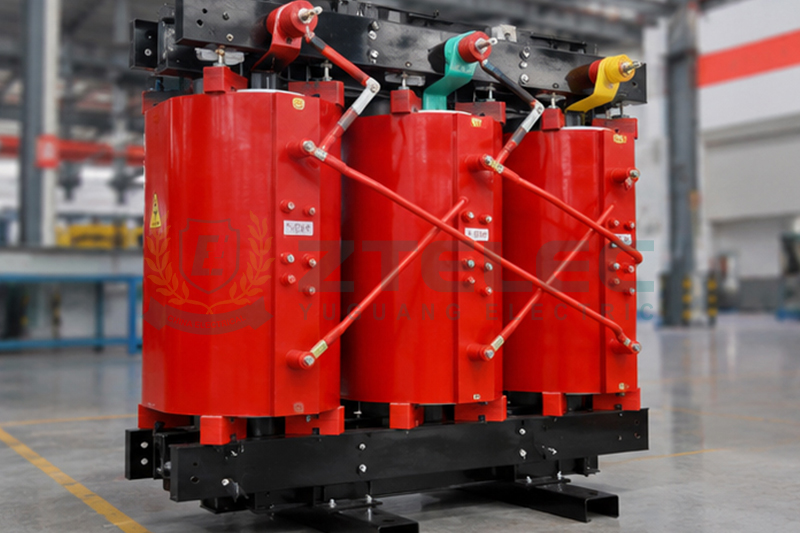
What Is a Dry Type Transformer?
A dry type transformer is a power distribution transformer that uses air rather than insulating oil for cooling and insulation. Unlike oil-filled transformers, dry type units eliminate the risk of oil leakage, environmental contamination, and fire hazards associated with combustible insulating liquids.
Because of their superior safety performance, dry type electrical transformers are widely installed in hospitals, commercial buildings, airports, data centers, metro stations, renewable energy projects, educational facilities, and industrial plants.
The most common dry type transformer technologies include VPI (Vacuum Pressure Impregnated) transformers and Cast Resin transformers. Both designs comply with IEC 60076-11 and international safety standards but differ significantly in cost, environmental resistance, and service life.
Major Factors Affecting Dry Type Transformer Prices
The cost of a dry type transformer is influenced by several technical and commercial variables.
kVA Capacity: Larger transformers require more copper or aluminum conductor material, larger magnetic cores, and increased manufacturing complexity. Capacity remains the primary pricing factor.
Voltage Class: Higher primary voltage ratings require enhanced insulation systems, larger clearances, and higher impulse withstand capabilities.
Insulation Technology: Cast resin transformers typically cost more than VPI transformers due to their advanced manufacturing process and superior environmental protection.
Winding Material: Copper windings increase initial cost but provide lower losses and better overload capability compared with aluminum windings.
Efficiency Requirements: Low-loss transformers designed for IEC EcoDesign, DOE, or other efficiency regulations carry higher upfront prices but significantly reduce energy consumption.
Certification Requirements: UL, CSA, CE, IEC, IEEE, and other regional certifications add testing, documentation, and compliance costs.
2026 Dry Type Transformer Price by kVA Capacity
The following table provides indicative ex-works pricing for standard three-phase dry type transformers with 10–11 kV primary voltage and IEC-compliant construction.
| kVA Rating | VPI Aluminum | VPI Copper | Cast Resin Aluminum | Cast Resin Copper |
|---|---|---|---|---|
| 100 kVA | $6,000 – $10,000 | $8,000 – $13,000 | $8,000 – $13,500 | $10,500 – $16,500 |
| 250 kVA | $10,000 – $16,500 | $13,500 – $21,000 | $13,000 – $21,000 | $17,000 – $27,000 |
| 500 kVA | $12,000 – $22,000 | $16,000 – $28,000 | $16,000 – $28,000 | $21,000 – $36,000 |
| 1000 kVA | $19,000 – $38,000 | $25,000 – $49,000 | $25,000 – $49,000 | $32,000 – $62,000 |
| 1600 kVA | $30,000 – $56,000 | $39,000 – $72,000 | $39,000 – $73,000 | $50,000 – $93,000 |
| 2000 kVA | $38,000 – $64,000 | $49,000 – $84,000 | $49,000 – $83,000 | $64,000 – $107,000 |
| 2500 kVA | $46,000 – $78,000 | $59,000 – $101,000 | $59,000 – $100,000 | $77,000 – $130,000 |
Important: These figures represent typical factory pricing and exclude transportation, customs duties, local taxes, installation costs, and project-specific accessories.
As transformer capacity increases, the cost per kVA decreases significantly. This economy of scale makes larger transformers more cost-effective when evaluated on a per-kVA basis.
How Voltage Class Influences Transformer Cost
Voltage level is one of the most important pricing variables after transformer capacity.
Most global dry type transformer projects use 10 kV or 11 kV primary voltage as the pricing benchmark. Higher voltage classes require increased insulation distances, stronger dielectric performance, and more complex winding structures.
| Voltage Class | Typical Cost Impact |
|---|---|
| 6 kV | Baseline or slightly lower |
| 10–11 kV | Standard benchmark |
| 20–24 kV | +8% to +15% |
| 33–35 kV | +15% to +25% |
For North American projects, 15 kV and 25 kV classes are commonly used. Additional UL or CSA compliance requirements can increase total equipment cost by 8–20% compared with standard IEC-certified transformers.
VPI vs Cast Resin Transformer: Which Offers Better Value?
VPI Dry Type Transformers
Vacuum Pressure Impregnated transformers use polyester or epoxy resin impregnated into the winding insulation system under vacuum and pressure conditions.
They offer lower initial investment, reliable electrical performance, and are suitable for clean indoor environments with controlled humidity.
Typical advantages include lower manufacturing cost, excellent thermal performance, and easier maintenance.
Cast Resin Dry Type Transformers
Cast resin transformers completely encapsulate windings within epoxy resin, creating a sealed insulation system that resists moisture, contamination, salt spray, and chemical exposure.
Compared with VPI transformers, cast resin models generally cost 15–30% more but deliver superior fire safety, environmental resistance, and service life.
For coastal installations, underground substations, data centers, chemical plants, hospitals, and transportation infrastructure, cast resin transformers often achieve lower lifecycle costs despite higher initial investment.
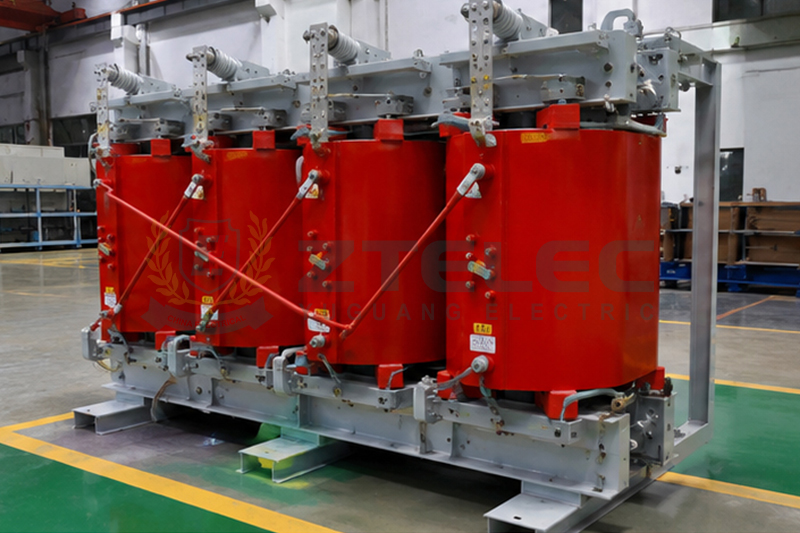
Copper vs Aluminum Windings: Cost vs Efficiency
The choice between copper and aluminum winding conductors significantly impacts both purchase price and operational performance.
Aluminum windings generally reduce initial transformer cost by 15–25%. For projects with limited budgets and moderate loading conditions, aluminum designs provide excellent economic value.
Copper windings offer higher electrical conductivity, lower resistance losses, improved short-circuit strength, and better overload capability. In continuously loaded applications such as data centers, manufacturing facilities, and renewable energy systems, copper windings frequently produce lower total ownership costs over the transformer's service life.
When evaluating quotations, buyers should compare not only purchase price but also guaranteed no-load losses and load losses provided by the manufacturer.
Additional Specifications That Increase Price
Several optional features can significantly affect transformer pricing.
Enclosure Protection: IP21, IP31, IP44, and IP54 enclosures add manufacturing complexity and increase costs.
Forced Air Cooling: AF cooling systems can increase continuous loading capacity by approximately 40% and typically add 5–10% to equipment cost.
High-Efficiency Designs: Low-loss transformers compliant with modern energy regulations may cost 10–15% more initially but often recover the premium through reduced electricity consumption.
Amorphous Metal Core: Ultra-low-loss core technology can reduce no-load losses by up to 80% while increasing upfront cost by 20–35%.
On-Load Tap Changer (OLTC): OLTC systems can add 15–30% depending on voltage class and transformer rating.
Custom Finishes: Stainless-steel enclosures, marine-grade coatings, and custom RAL colors may increase pricing by 2–8%.
Total Cost of Ownership: Why Initial Price Is Not Enough
Many buyers focus solely on acquisition cost, but the lowest purchase price rarely delivers the best long-term value.
The true cost of a transformer should be calculated using Total Cost of Ownership (TCO):
TCO = Purchase Cost + Installation Cost + Energy Losses + Maintenance Cost + Downtime Risk − Residual Value
For transformers operating continuously, energy losses often exceed the original purchase price over a 20-year service period.
Every 1 kW of continuous no-load loss can generate more than $21,000 in electricity expenses over twenty years at a power cost of $0.12/kWh.
This makes efficiency guarantees one of the most important factors during supplier evaluation.
Dry type transformers also reduce maintenance expenses because they eliminate oil testing, oil replacement, oil filtration, containment systems, and fire-protection infrastructure associated with oil-filled transformers.
Global Market Price Differences
Transformer pricing varies significantly by manufacturing region.
China: Offers the most competitive factory pricing, mature supply chains, and extensive IEC-certified manufacturing capacity.
Europe: Typically commands a 30–60% premium due to higher labor costs and advanced EcoDesign compliance requirements.
North America: UL-listed and CSA-certified transformers often carry a 40–80% premium compared with imported IEC-certified alternatives.
International buyers should compare landed cost rather than factory price alone, taking freight, tariffs, duties, insurance, and local compliance requirements into account.
How to Compare Dry Type Transformer Quotations
To ensure accurate supplier comparison, buyers should verify that quotations include the same technical scope.
Always confirm transformer capacity, primary and secondary voltage, insulation technology, winding material, impedance, enclosure rating, cooling method, efficiency guarantees, certification requirements, accessories, testing scope, and delivery terms.
Request detailed loss values, routine test reports, and type test certificates. A slightly higher-priced transformer with lower guaranteed losses can save tens of thousands of dollars throughout its operating life.
Frequently Asked Questions
How much does a 500 kVA dry type transformer cost in 2026?
A standard IEC-compliant 500 kVA VPI transformer typically costs between $12,000 and $22,000 ex-works. A cast resin copper-winding version may range from $21,000 to $36,000 depending on specifications.
Why are cast resin transformers more expensive?
Cast resin transformers require specialized vacuum casting processes and significantly more epoxy resin. They provide superior moisture resistance, fire safety, and durability in harsh environments.
Is copper winding worth the additional investment?
For continuously loaded facilities and energy-sensitive applications, copper windings often deliver lower total ownership costs through reduced losses and improved reliability.
How long does it take to manufacture a dry type transformer?
Standard configurations generally require 6–12 weeks of production. Custom designs, special certifications, or high-demand periods may extend lead times to 14–20 weeks.
Dry type transformer prices in 2026 vary widely based on kVA rating, voltage class, insulation technology, winding material, efficiency level, and certification requirements.
For most industrial and commercial applications, evaluating total cost of ownership is more important than focusing solely on the lowest purchase price. Energy losses, maintenance expenses, service life, and operational reliability can dramatically impact long-term project economics.
Whether you require a 100 kVA distribution transformer, a 2500 kVA cast resin transformer, or a customized medium-voltage solution, partnering with an experienced manufacturer that provides certified testing, guaranteed loss values, and transparent pricing is the best way to maximize return on investment.
Need a factory-direct quotation? Contact our engineering team with your kVA rating, primary voltage, secondary voltage, installation environment, insulation preference, and applicable standards. We will provide a detailed technical proposal, guaranteed loss data, lead time confirmation, and competitive pricing tailored to your project.
dry transformer price guide 2026
cast resin transformer price
dry type transformer price
dry type transformer cost
transformer oil moisture content
- more+releated article
- 2026-06-01Dry Type Transformer Price Guide 2026: Cost by
- 2026-05-29Transformer Oil Testing Guide: DGA, Moisture C
- 2026-05-28Cast Resin vs VPI Dry-Type Transformers: Diffe
- 2026-05-27Transformer Conservator Bladder Replacement Gu
- 2026-05-26110kV Power Transformer: Oil-Immersed vs Dry-T
- 2026-05-251000 kVA Dry-Type Transformer — Resin Cast,
- 2026-05-23China vs Europe Oil-Immersed Transformer Manuf
- 2026-05-221250 kVA Dry-Type vs Oil-Immersed Transformer:
- 2026-05-21Data Center Substations vs Industrial Substati
- 2026-05-2066kV vs 110kV Oil Immersed Transformers: Which
- ELECTRICAL INSULATION BOARD MATERIALS
- ELECTRICAL INSULATION MATERIALS
- POWER TRANSFORMER
- ENAMELED WIRE
- SWITCHGEAR


dry type transformer cost
dry transformer price guide 2026
dry type transformer price
cast resin transformer price
transformer oil testing
transformer oil moisture content
dielectric strength test
DGA testing
breakdown voltage test
epoxy resin transformer
VPI transformer
Vacuum Pressure Impregnation Transformer
Cast resin transformer
moisture resistant transformer
dry-type transformer
transformer bladder
conservator air bag
transformer diaphragm replacement
transformer conservator bladder
diaphragm conservator tank
110kV dry type transformer
dry type transformer
110kV transformer
Oil immersed transformer
110kV oil immersed transformer