
Oil Immersed vs Dry Type Transformer: Which Is Right for Your Project?
Choosing between an oil immersed transformer and a dry type transformer is one of the most important decisions an engineer or facility manager will make when planning an electrical distribution system. Both transformer types perform the same fundamental job of stepping voltage up or down, but they differ significantly in cooling method, safety profile, installation environment, cost, and long-term maintenance needs. Selecting the wrong type can lead to unnecessary expenses, safety risks, or performance limitations down the line. This article breaks down the key differences between oil immersed and dry type transformers so you can make an informed choice for your specific project.
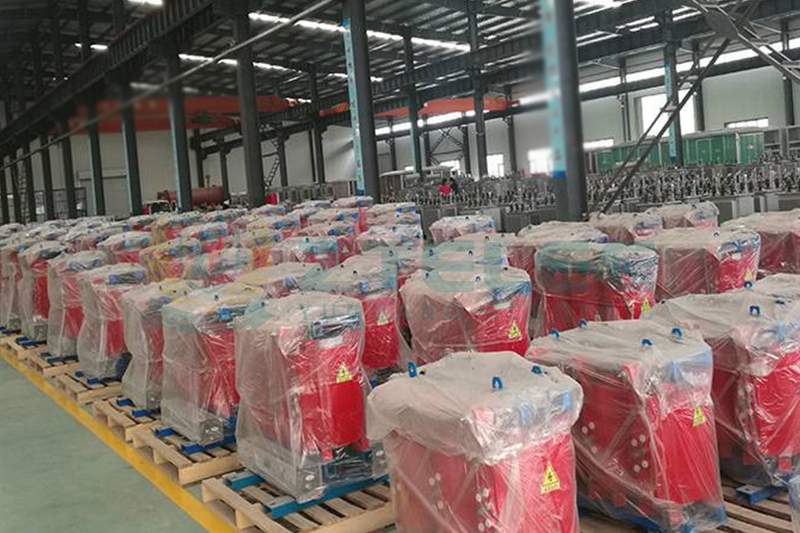
What Is an Oil Immersed Transformer?
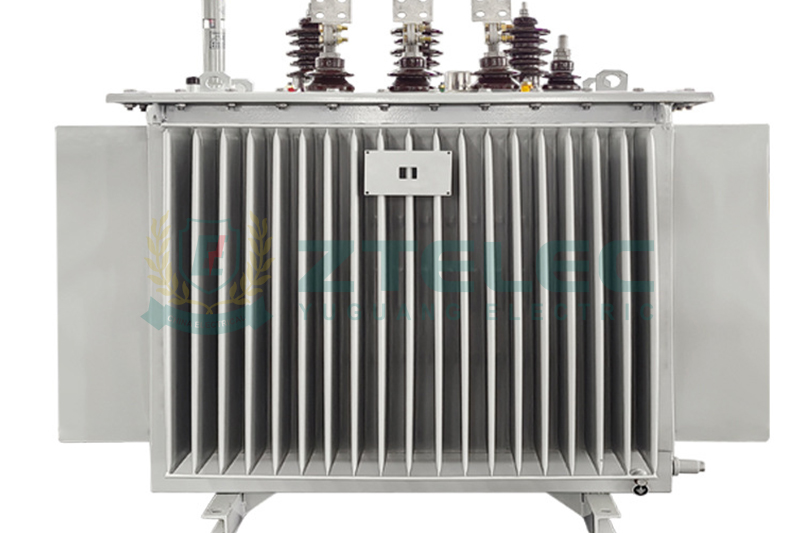
An oil immersed transformer, also known as an oil-filled transformer, uses mineral oil or synthetic insulating oil to cool and insulate the internal windings and core. The oil circulates around the transformer's active components, absorbing heat and transferring it to the tank walls or external radiators, where it dissipates into the surrounding air. This liquid-cooling approach makes oil immersed transformers highly efficient at managing heat, even under heavy or sustained electrical loads.
Because the oil provides both cooling and electrical insulation, oil immersed transformers can be built more compactly relative to their power rating compared to some dry type alternatives. They are widely used in utility substations, large industrial facilities, and outdoor installations where space constraints are less restrictive and where high-capacity power transfer is required.
What Is a Dry Type Transformer?
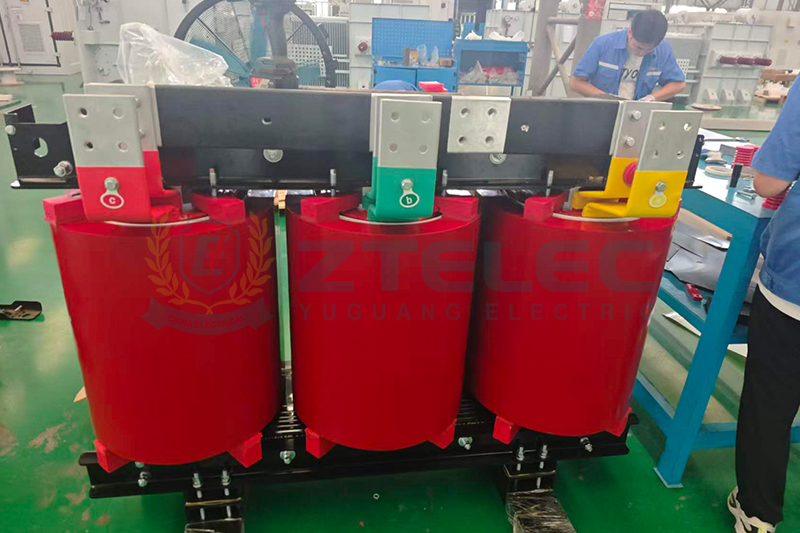
A dry type transformer does not use liquid for cooling or insulation. Instead, it relies on air circulation, along with solid insulating materials such as epoxy resin, varnish, or cast resin, to insulate the windings and dissipate heat. Dry type transformers are typically categorized as either ventilated dry type, cast resin, or vacuum pressure impregnated (VPI) designs, each offering slightly different performance and durability characteristics.
Dry type transformers are favored in environments where fire safety and environmental protection are top priorities, since there is no oil to leak, burn, or contaminate soil and groundwater. They are commonly installed indoors in commercial buildings, hospitals, data centers, schools, and high-rise structures where the risk associated with oil-filled equipment would be unacceptable.
Key Differences Between Oil Immersed and Dry Type Transformers
1. Safety and Fire Risk
Safety is often the deciding factor in transformer selection. Oil immersed transformers use combustible mineral oil, which introduces a fire and explosion risk, particularly in the event of internal faults or overheating. For this reason, oil-filled units are usually installed outdoors, in dedicated vaults, or with fire barriers and containment systems in place.
Dry type transformers eliminate this concern almost entirely. Without flammable liquid, the risk of fire is dramatically reduced, and many dry type models are self-extinguishing. This makes them the preferred choice for indoor installations, occupied buildings, and locations where fire codes restrict the use of oil-filled equipment.
2. Environmental Impact
Oil leaks or spills from an oil immersed transformer can contaminate soil and water sources, creating environmental liability and costly cleanup obligations. Many jurisdictions require secondary containment systems, oil-water separators, or spill prevention plans for oil-filled installations.
Dry type transformers pose virtually no environmental contamination risk since there is no oil to leak. For projects near sensitive ecosystems, water supplies, or in urban areas with strict environmental regulations, dry type transformers offer a simpler compliance path.
3. Maintenance Requirements
Oil immersed transformers require regular oil testing, sampling, and filtration to monitor for moisture content, dielectric strength, and dissolved gas levels that can indicate developing faults. Over time, oil may need to be replaced or reconditioned, adding to long-term maintenance costs and labor.
Dry type transformers generally require less intensive maintenance. Routine inspection, cleaning of ventilation paths, and periodic insulation resistance testing are usually sufficient. This lower maintenance burden can be especially attractive for facilities with limited technical staff or difficult-to-access installation sites.
4. Efficiency and Load Handling
Oil immersed transformers typically offer superior cooling performance, which allows them to handle higher loads and short-term overloads more effectively than dry type units of similar size. The oil's thermal conductivity helps maintain lower operating temperatures, which can extend insulation life and improve overall efficiency at high capacities.
Dry type transformers, while improving steadily with better resin and ventilation designs, generally have lower overload tolerance and may require derating in high-temperature environments. For applications with stable, predictable loads, this difference is often negligible, but for facilities with variable or peak demand, oil immersed designs may offer an operational advantage.
5. Installation Location and Space
Oil immersed transformers are almost always installed outdoors or in specially designed vaults due to fire and containment requirements. This limits flexibility for indoor or space-constrained projects and may require additional site preparation, such as bunding, fire walls, or oil containment pits.
Dry type transformers can be installed indoors, close to load centers, without the need for extensive fire protection infrastructure. This proximity can reduce cable runs, lower voltage drop, and simplify building design, particularly in multi-story commercial or institutional buildings.
6. Initial Cost and Total Cost of Ownership
Dry type transformers often carry a higher upfront purchase price than comparably rated oil immersed units, particularly at larger capacities. However, when factoring in the cost of fire protection systems, containment infrastructure, oil handling, and ongoing oil maintenance, the total cost of ownership gap can narrow considerably.
Oil immersed transformers tend to have a lower initial cost and can be more economical for outdoor utility-scale applications where fire and environmental risks are already managed through site design. For indoor or safety-sensitive projects, the added cost of a dry type transformer is frequently justified by reduced liability and simpler code compliance.
7. Noise Levels
Dry type transformers, especially cast resin models, can produce slightly higher audible noise due to their cooling fans and core design, though modern units have improved significantly in this area. Oil immersed transformers generally operate more quietly because the oil helps dampen core vibration, which can be a consideration for installations near office spaces or residential areas.
8. Lifespan and Reliability
Both transformer types can offer decades of reliable service when properly maintained and sized for their application. Oil immersed transformers, with regular oil testing and care, often achieve long service lives and are well understood by utility maintenance teams worldwide. Dry type transformers, particularly cast resin designs, are also highly durable and perform well in humid or dusty environments where oil degradation might otherwise be a concern.
Typical Applications for Each Transformer Type
Oil immersed transformers are the standard choice for electric utility substations, large industrial plants, outdoor pad-mounted installations, and any application where high power capacity and outdoor placement are practical. They remain the dominant technology for transmission and primary distribution networks due to their cost-effectiveness at scale.
Dry type transformers are typically specified for hospitals, schools, high-rise commercial buildings, data centers, shopping centers, and any indoor installation where fire safety codes or environmental regulations restrict the use of oil-filled equipment. They are also common in renewable energy projects, such as wind turbines and solar inverter stations, where compact indoor or enclosed placement is required.
How to Choose the Right Transformer for Your Project
Selecting between oil immersed and dry type transformers comes down to evaluating several project-specific factors together rather than focusing on a single criterion. Consider the installation location first: indoor projects generally favor dry type units, while outdoor or utility-scale projects often favor oil immersed designs. Next, evaluate local fire codes, environmental regulations, and insurance requirements, since these can effectively mandate one technology over the other regardless of cost preferences.
Budget also plays a role, but it should be assessed over the full lifecycle of the equipment rather than just the purchase price. Facilities with limited maintenance staff may prefer the lower upkeep demands of dry type transformers, while those with established oil maintenance programs may find oil immersed units more economical long-term. Finally, consider load profile and future capacity needs, since oil immersed transformers generally provide more headroom for overload conditions and expansion.
There is no universally "better" transformer type between oil immersed and dry type designs, only the option that best fits a project's specific requirements. Oil immersed transformers deliver excellent cooling efficiency and cost-effectiveness for outdoor and utility-scale applications, while dry type transformers offer superior fire safety, environmental protection, and indoor installation flexibility. By carefully weighing safety codes, maintenance capacity, budget, environmental sensitivity, and load requirements, engineers and project planners can confidently select the transformer technology that delivers the best long-term performance and value for their specific application.
distribution transformer
Transformer comparison
dry type transformer
Oil immersed transformer
Power transformer
- more+releated article
- 2026-09-15Oil Immersed vs Dry Type Transformer: Which Is
- 2026-09-14Dry Type Transformer Manufacturers: 10-Point S
- 2026-09-12630 kVA Transformer Price – Oil Immersed vs
- 2026-09-11Dry Type Transformer Price in 2026: Cast Resin
- 2026-09-10Transformer Voltage Conversion: 11kV vs 33kV S
- 2026-09-09How to Get the Best Transformer Factory Price:
- 2026-09-08Case Study: 500 kVA 33/0.415 kV Transformer fo
- 2026-09-07Medium Voltage Dry Type Transformers: 3.3kV–
- 2026-09-02Oil Immersed Transformers Explained: Construct
- 2026-09-011250 kVA Dry Type Transformer Price 2026: Cast
- ELECTRICAL INSULATION BOARD MATERIALS
- ELECTRICAL INSULATION MATERIALS
- POWER TRANSFORMER
- ENAMELED WIRE
- SWITCHGEAR


FR-4 Copper-Free Laminate | High-Performance Insulation Material

FR-4 Copper Clad Laminate Manufacturer & Supplier
Transformer comparison
Power transformer
Oil immersed transformer
distribution transformer
dry type transformer
how to choose a transformer manufacturer
transformer supplier checklist
dry type transformer manufacturers
630 kVA transformer price
dry type transformer price
dry type transformer 2026
VPI transformer price
cast resin transformer cost
33kV transformer
medium voltage transformer
transformer voltage conversion
11kV transformer
transformer factory price
transformer negotiation tips
buy transformer from factory
commercial transformer case study
500 kVA transformer
33kV to 415V transformer
3.3kV transformer
medium voltage dry type transformer