
Dry Type Transformer Maintenance: What You Actually Need to Check
Dry type transformers are known for being low-maintenance compared to oil-filled units, but "low-maintenance" does not mean "no maintenance." Skipping routine checks is one of the most common reasons dry type transformers fail early, often through problems that a simple inspection would have caught months earlier. This guide walks through exactly what to check, how often to check it, and why each step matters, so you can build a maintenance routine that actually protects your equipment instead of just going through the motions.
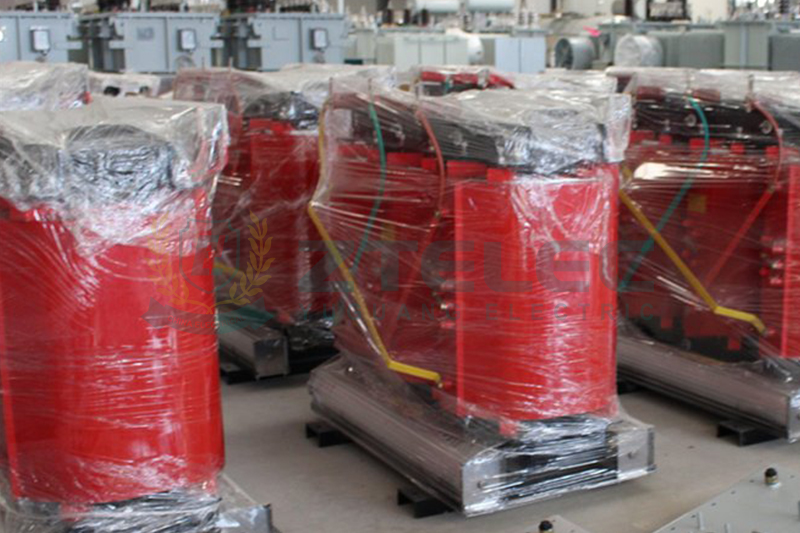
Why Dry Type Transformers Still Need a Maintenance Plan
Dry type transformers rely on air circulation and solid insulation rather than oil, which removes many of the risks associated with liquid-filled units. However, this does not make them immune to problems. Dust accumulation, moisture ingress, loose connections, and insulation aging can all degrade performance over time, regardless of cooling method.
Without a maintenance plan, minor issues can quietly progress into major failures. A transformer that trips offline unexpectedly can halt production lines, disrupt hospital operations, or shut down critical building systems. A structured inspection schedule catches these issues early, when they are still inexpensive and simple to fix.
Visual Inspection: The First and Most Frequent Check
Visual inspection should happen most often, ideally every one to three months depending on the environment. This is the fastest way to catch obvious problems before they escalate.
During a visual inspection, look for dust or debris buildup on the windings and core, since this can trap heat and block airflow. Check for discoloration on windings or insulation, which often signals overheating. Inspect all visible connections, terminals, and bus bars for signs of corrosion, loose hardware, or physical damage. Also confirm that ventilation openings, louvers, and cooling fans are clear of obstructions, and look for any unusual staining, cracking, or physical deformation on the resin or insulation surfaces.
Cleaning: Keeping Airflow and Insulation Surfaces Clear
Because dry type transformers depend on air for cooling, dust and dirt buildup directly affects thermal performance. Accumulated dust acts as an insulating blanket that traps heat inside the windings, which can accelerate insulation aging even if the transformer never technically overheats to a dangerous level.
Cleaning typically involves using dry compressed air or a vacuum with a soft brush attachment to remove dust from windings, core surfaces, and ventilation pathways. Avoid using water or wet cleaning methods unless the manufacturer specifically approves them, since moisture can compromise insulation resistance. Cleaning frequency depends on the installation environment: dusty industrial settings may require quarterly cleaning, while clean indoor environments like data centers may only need annual attention.
Insulation Resistance Testing
Insulation resistance testing, often called a megger test, measures how well the winding insulation resists current leakage. This test should be performed at least annually, or more frequently in humid or contaminated environments.
A megger test applies a controlled DC voltage between windings and ground, then measures the resulting resistance. Low or declining resistance values over time indicate moisture absorption, insulation degradation, or contamination, all of which increase the risk of electrical breakdown. Tracking these readings over multiple test cycles is more valuable than looking at a single result, since a downward trend often reveals problems before they become critical.
Temperature Monitoring
Most dry type transformers include built-in temperature sensors or thermal relays that monitor winding temperature during operation. Reviewing these readings regularly helps confirm the transformer is operating within its rated temperature class and not being pushed beyond safe limits.
Consistently high temperature readings can point to several underlying issues, including overloading, blocked ventilation, ambient temperature problems in the surrounding room, or failing cooling fans on forced-air models. Addressing the root cause quickly prevents accelerated insulation aging, which shortens overall transformer lifespan.
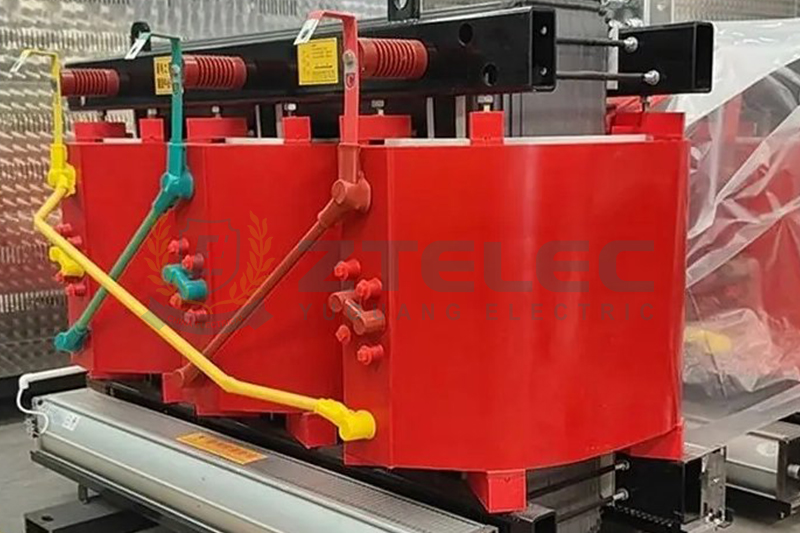
Tightness of Electrical Connections
Loose electrical connections are a leading cause of localized overheating in transformers. Vibration, thermal cycling, and normal aging can gradually loosen bolted connections at terminals and bus bar joints over time.
During scheduled maintenance, connections should be checked for proper torque according to manufacturer specifications. Infrared thermal imaging is a highly effective tool for this step, since it can identify hot spots at connection points that would otherwise go unnoticed during a standard visual inspection. Catching a loose connection early prevents the arcing and localized heat damage that can eventually force an unplanned shutdown.
Cooling Fan and Ventilation System Checks
For forced-air dry type transformers, cooling fans play a critical role in maintaining safe operating temperatures under higher loads. Fans should be inspected for proper operation, unusual noise, vibration, or reduced airflow output.
Ventilation pathways throughout the enclosure or transformer room should also be checked to confirm they remain unobstructed. Blocked or restricted airflow, whether from dust buildup, stored materials, or building modifications, can significantly reduce cooling capacity and increase the risk of overheating.
Checking for Moisture and Humidity Exposure
While dry type transformers do not use oil, they are not entirely immune to moisture-related issues. High ambient humidity, condensation, or water intrusion from nearby leaks can affect insulation performance over time.
Facilities in humid climates or transformers located near water sources should monitor ambient humidity levels and inspect for any signs of condensation on internal surfaces. Some installations use space heaters or dehumidification systems to control humidity, and these systems should be checked periodically to confirm they are functioning correctly.
Load and Overload History Review
Reviewing historical load data helps identify whether a transformer has been operating near or beyond its rated capacity. Repeated overload events, even short-term ones, can accelerate insulation aging and reduce overall service life.
If load data shows consistent operation near maximum capacity, this may indicate a need for load rebalancing, additional capacity planning, or a review of whether the installed transformer is correctly sized for current facility demand.
Documentation and Trend Tracking
Every inspection, test result, and maintenance action should be documented and stored for future reference. Individual test results are useful, but tracking trends across multiple inspection cycles is what actually reveals developing problems.
A consistent maintenance log makes it easier to spot gradual insulation resistance decline, rising temperature trends, or recurring connection issues before they escalate into equipment failure. This documentation also supports warranty claims and helps new maintenance personnel understand the equipment's operating history.
Building a Practical Maintenance Schedule
A reasonable starting schedule includes monthly or quarterly visual inspections, depending on environmental conditions, along with annual insulation resistance testing and connection tightness checks. Cleaning frequency should match the dust and contamination levels of the installation environment. Facilities with critical or high-load transformers may benefit from more frequent thermal imaging surveys to catch developing hot spots between scheduled maintenance windows.
Manufacturer recommendations should always take priority when they differ from general guidelines, since specific transformer designs and insulation systems can have unique maintenance requirements.
Dry type transformers require less intensive maintenance than oil-filled units, but neglecting basic checks still carries real risk. Regular visual inspections, cleaning, insulation resistance testing, connection checks, and temperature monitoring together form a maintenance routine that catches small problems before they become expensive failures. By building a consistent schedule and tracking results over time, facility teams can extend transformer lifespan, avoid unplanned downtime, and get the full value out of their equipment investment.
dry type transformer maintenance
transformer inspection checklist
cast resin transformer maintenance
Oil immersed transformer
oil filled transformer
- more+releated article
- 2026-09-17Dry Type Transformer Maintenance: What You Act
- 2026-09-16What Is an Oil Immersed Transformer? Construct
- 2026-09-15Oil Immersed vs Dry Type Transformer: Which Is
- 2026-09-14Dry Type Transformer Manufacturers: 10-Point S
- 2026-09-12630 kVA Transformer Price – Oil Immersed vs
- 2026-09-11Dry Type Transformer Price in 2026: Cast Resin
- 2026-09-10Transformer Voltage Conversion: 11kV vs 33kV S
- 2026-09-09How to Get the Best Transformer Factory Price:
- 2026-09-08Case Study: 500 kVA 33/0.415 kV Transformer fo
- 2026-09-07Medium Voltage Dry Type Transformers: 3.3kV–
- ELECTRICAL INSULATION BOARD MATERIALS
- ELECTRICAL INSULATION MATERIALS
- POWER TRANSFORMER
- ENAMELED WIRE
- SWITCHGEAR


FR-4 Copper-Free Laminate | High-Performance Insulation Material

FR-4 Copper Clad Laminate Manufacturer & Supplier
cast resin transformer maintenance
dry type transformer maintenance
transformer inspection checklist
oil filled transformer
transformer working principle
transformer construction
Oil immersed transformer
distribution transformer
Power transformer
dry type transformer
Transformer comparison
transformer supplier checklist
how to choose a transformer manufacturer
dry type transformer manufacturers
630 kVA transformer price
cast resin transformer cost
dry type transformer 2026
dry type transformer price
VPI transformer price
medium voltage transformer
transformer voltage conversion
11kV transformer
33kV transformer
transformer negotiation tips
buy transformer from factory