
Outdoor Transformer Installation: Clearances & Fire Safety
An outdoor transformer installation is only as safe as its layout. Correct clearances, sound fire protection and good drainage decide whether a fault stays a minor outage or becomes a costly fire.
This guide explains the main principles behind safe outdoor transformer placement. It covers site selection, separation distances, fire barriers, oil containment and routine maintenance for oil-immersed, pad-mounted and dry type units.
Always confirm exact requirements with your local code, your utility and your insurer. The sections below show you what to ask and what to plan for.
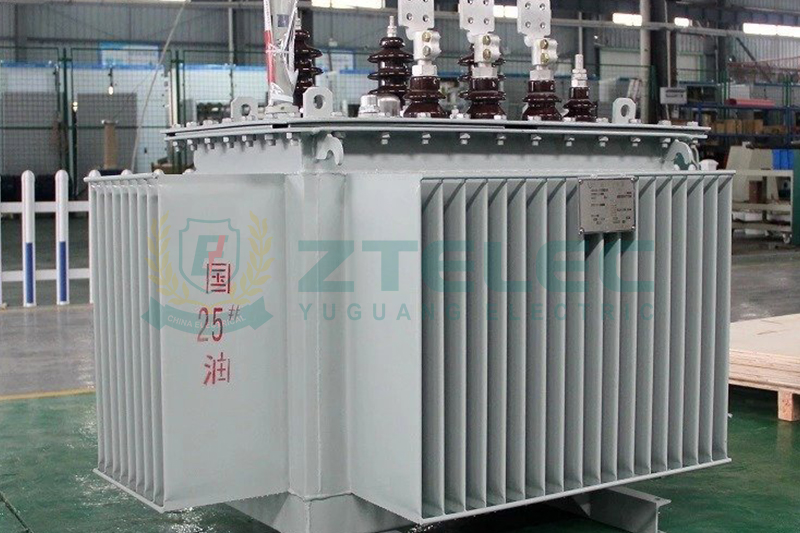
Why Clearances and Fire Safety Matter
A transformer is a concentrated source of energy and, in many designs, a large volume of insulating oil. If an internal fault occurs, the energy released can overheat the oil, build pressure and, in the worst case, ignite it.
Clearances give heat, smoke and flames room to dissipate before they reach buildings, other equipment or people. They also allow air to circulate, so the transformer stays within its temperature limits during normal operation.
Good planning reduces three risks at once: fire spread, environmental contamination and unsafe working conditions for maintenance crews.
Understanding Transformer Fire Risks
The fire risk depends heavily on the transformer type and its insulating medium.
Oil-Immersed Transformers
An oil-immersed transformer uses mineral oil or an alternative fluid for cooling and insulation. It is the standard choice for high-capacity outdoor power transformer applications because it handles heat well and offers a long service life.
The trade-off is that the oil is combustible. Larger oil volumes call for greater separation distances, fire barriers and containment. Less-flammable fluids, such as natural or synthetic esters, can lower the risk and may allow tighter spacing where codes permit.
Dry Type and Cast Resin Transformers
A dry type transformer or cast resin transformer contains no liquid coolant, so it has no oil to leak or burn. These units are common indoors and in locations where fire risk must be minimal.
When installed outdoors, they need a suitable weatherproof enclosure with an adequate ingress protection rating. Clearances for ventilation and service access still apply.
Key Standards and Codes to Review
Requirements differ by country and project, so start by identifying which documents apply to your site.
In the United States, the National Electrical Code (NFPA 70) addresses the installation of outdoor oil-insulated transformers, including protection from buildings and combustible materials. Utilities often publish their own clearance specifications for pad-mounted equipment.
Many insurers refer to FM Global guidance on separation and protection of oil-filled transformers. Internationally, projects often follow IEC 61936-1 for power installations and IEC 60076 for the transformers themselves.
Environmental rules also matter. Oil spill prevention requirements may apply to sites with significant oil storage, so check local environmental regulations early in the design.
Choosing the Right Site
Site selection comes before any clearance calculation. A well-chosen location makes every later safety measure easier and cheaper.
Ground Conditions and Drainage
Place the transformer on a level, stable foundation that can carry its full weight. Avoid low areas where water can collect and flood the equipment.
Plan the drainage so that any oil spill flows to a containment area and not toward buildings, drains or watercourses.
Ventilation and Cooling
Outdoor transformers rely on natural air circulation. Do not place them in tight corners or beside walls that trap hot air.
Leave free space around radiators and cooling fins. Blocked airflow raises operating temperature, ages the insulation faster and increases fault risk.
Access for Crews and Emergency Services
Firefighters need a clear approach route, and maintenance teams need space for cranes or trucks during replacement.
Keep access roads open and mark the equipment with clear warning signs and emergency contact information.
Transformer Clearance Requirements Explained
Clearance rules usually address four separate questions. The table below summarizes them and shows what typically drives the required distance.
| Clearance Type | Purpose | Main Factors |
|---|---|---|
| Distance to buildings | Prevent fire spread to structures | Oil volume, wall fire rating, openings |
| Distance between transformers | Stop one fire from damaging neighboring units | Oil volume, fire barriers, fluid type |
| Overhead and vegetation | Avoid contact and fuel for fires | Voltage level, tree growth, lines |
| Working and access space | Safe operation and maintenance | Door swing, equipment size, utility rules |
Distance From Buildings and Combustible Materials
The more oil a transformer holds, the more separation it generally needs from walls, windows, doors and combustible storage. Codes typically allow shorter distances when you add a fire-resistant barrier or use a less-flammable fluid.
Never store fuel, pallets, packaging or other flammable materials near the transformer, even temporarily.
Spacing Between Transformers
Where several units sit together, as in a substation, spacing or fire walls between them stop a single failure from spreading. Larger oil volumes call for larger gaps or fully rated barriers.
Overhead Lines and Vegetation
Keep trees, shrubs and tall grass well away from the equipment. Dry vegetation is fuel, and roots or branches can interfere with cables and foundations.
A gravel or crushed-stone surface around the unit is a common and effective way to suppress growth and reduce fire fuel.
Working Space and Door Clearances
Operators must be able to open enclosure doors fully, read gauges and operate switches without squeezing past equipment. Many utilities require generous open space in front of pad-mounted transformer doors, so confirm this with your utility before pouring the pad.
Fire Protection Measures for Outdoor Transformers
Clearances are the first layer of protection. These additional measures build a complete defense.
Fire Walls and Barriers
When space is limited, a fire-rated wall between a transformer and a building, or between adjacent units, can replace part of the required distance. The barrier must be tall and wide enough to block flames and radiant heat from reaching the protected area.
Oil Containment Pits and Drainage
Transformer oil containment keeps a leak or burning spill in one controlled place. A containment pit or bund is sized to hold the full oil volume, often with extra allowance for firefighting water or rainfall.
Many designs fill the pit with gravel, which helps cool the oil and smother flames. Where a drain is used, it should include a mechanism that separates oil from water before discharge.
Detection and Suppression Systems
Automatic water spray, foam or other fixed suppression systems are common for large or high-value units. Fire detection linked to a control room allows a fast response, even at unmanned sites.
Electrical Protection
Protective devices limit how long a fault lasts. Differential protection, Buchholz relays, pressure relief devices and temperature monitoring can detect problems early and trip the unit before damage escalates.
Pad-Mounted Transformer Installation
A pad-mounted transformer is a self-contained, tamper-resistant unit set on a concrete pad. It is popular for commercial parks, residential developments and campuses because it fits into public spaces.
Typical planning points include a properly sized concrete pad, bollards where vehicles may approach, and clear space in front of the doors for live-line tools. Keep the unit away from windows, air intakes, fire escapes and combustible walls.
Because these units can hold oil, containment and separation from buildings still apply. Confirm the utility's standard before final layout.
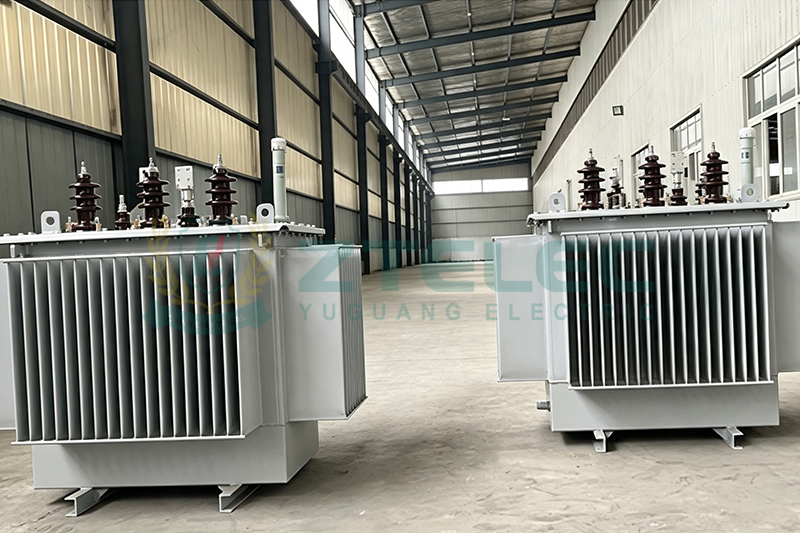
Compact Substations and Outdoor Layouts
A compact substation combines the transformer, medium-voltage switchgear and low-voltage panel in one factory-assembled package. This reduces site work and keeps the footprint predictable.
Even so, the substation still needs the same fundamentals: clear access on every serviceable side, adequate ventilation, a level foundation and safe distance from nearby structures.
Practical Installation Checklist in Brief
Before energizing an outdoor transformer, confirm that the foundation is level and rated for the load. Check that nameplate data matches the design and that grounding is complete and tested.
Verify the containment volume, drain arrangement and fire barrier placement against approved drawings. Confirm that all clearances are measured and documented, and that warning signs are in place.
Finally, ensure the protection settings are applied and tested, and that operators know the emergency procedure.
Maintenance That Keeps Installations Safe
Safety does not end at commissioning. Regular inspection keeps clearances and protection effective over decades of service.
Check oil level, leaks, bushings and gaskets on a routine schedule. Test the oil periodically to detect early signs of insulation problems.
Inspect containment pits for debris and standing water, and keep vegetation under control. Test fire detection and suppression systems according to the manufacturer's instructions.
Choosing the Right Transformer for Your Outdoor Site
The right product choice reduces the amount of protection you need to add. A high-quality, IEC-compliant oil-immersed transformer built with proper insulation, pressure relief and monitoring features gives you a safer starting point.
If fire risk is a major concern, ask about alternatives such as ester-filled designs or enclosed dry type solutions. A reliable manufacturer can also supply compact substations and switchgear designed to work together.
Frequently Asked Questions
How far should an outdoor transformer be from a building?
There is no single distance. It depends on oil volume, fluid type, the fire rating of the building wall and whether a fire barrier is used. Check your local code, utility rules and insurer requirements.
Do all outdoor transformers need oil containment?
Oil-filled units typically need some form of containment or spill control, with the level depending on oil volume and local environmental regulations. Dry type units without liquid do not need oil containment.
Can I install a transformer next to a wall?
Only if the wall is suitably fire-rated, the distances meet the applicable code, and there is enough space for ventilation and service access. Walls with windows or openings usually face stricter limits.
What is the safest transformer type for outdoor fire risk?
Dry type and cast resin transformers contain no oil, and less-flammable fluid-filled units reduce risk compared with mineral oil. The best choice still depends on capacity, voltage and site conditions.
How often should I inspect an outdoor transformer?
Visual checks are commonly done on a regular schedule, with detailed testing at longer intervals. Follow the manufacturer's recommendations and your utility's maintenance program.
Plan Your Outdoor Transformer Project With ZTELEC
ZTELEC supplies customized oil-immersed transformers, pad-mounted transformers, compact substations and high-voltage switchgear for utility, industrial, mining and renewable energy projects worldwide.
Share your rated capacity, voltage level, site conditions and applicable standards with our engineers. We will recommend a safe and compliant solution and provide a detailed proposal and quotation.
outdoor transformer installation
transformer fire safety
transformer clearances
pad-mounted transformer
oil-immersed transformer
- more+releated article
- 2026-11-12Outdoor Transformer Installation: Clearances &
- 2026-11-113500 kVA Transformer Oil: Mineral vs Ester vs
- 2026-11-103500 kVA Transformer: EU Tier 2 vs US DOE Loss
- 2026-11-09ZTELEC GROUP 2026 Year-End Promotion: Electric
- 2026-11-06Dyn11 vs Yyn0: Choosing the Vector Group for a
- 2026-11-05Sealed Tank vs Conservator Design for a 23 kV
- 2026-11-04ONAN vs ONAF Cooling for a 3500 kVA Transforme
- 2026-11-033500 kVA Transformer Price 2026: Cost Drivers
- 2026-11-023500 kVA Transformer Load Factor: Losses, Heat
- 2026-10-30Copper vs Aluminium Windings: 3500 kVA Losses
- ELECTRICAL INSULATION BOARD MATERIALS
- ELECTRICAL INSULATION MATERIALS
- POWER TRANSFORMER
- ENAMELED WIRE
- SWITCHGEAR


FR-4 Copper-Free Laminate | High-Performance Insulation Material

FR-4 Copper Clad Laminate Manufacturer & Supplier
transformer fire safety
oil-immersed transformer
transformer clearances
outdoor transformer installation
pad-mounted transformer
Oil immersed transformer
3500 kVA transformer oil
oil filled transformers
mineral oil vs ester vs silicone
DOE transformer efficiency
3500 kVA transformer
transformer loss limits
EU Tier 2 transformer
2026 year-end promotion
electrical equipment
Yuguang Electric
ZTelec Group
insulating materials
Dyn11 vs Yyn0
23 kV 0.4 kV transformer
transformer vector group
Dyn11 transformer
hermetically sealed transformer
conservator transformer
sealed tank transformer