
Sealed Tank vs Conservator Design for a 23 kV Oil-Immersed Transformer
When you specify a 23 kV oil-immersed transformer, one of the first design choices is how the oil is allowed to expand and contract. There are two main answers: a fully sealed tank or a conservator tank.
Both designs are widely used in oil filled transformers for utilities, industrial plants and commercial substations. They differ in oil protection, maintenance workload, size and cost.
This guide explains how each design works, where each one fits, and how to decide for a 23 kV distribution or power project.
Why Oil Expansion Matters in a 23 kV Oil-Immersed Transformer
Transformer oil serves two jobs. It insulates the windings and core, and it carries heat away to the radiators or tank walls.
As load changes, the oil heats up and cools down. Its volume changes with temperature, so the tank design must absorb this movement without letting moisture or oxygen into the oil.
Why Moisture and Oxygen Are the Enemy
Water in the oil lowers dielectric strength. Oxygen speeds up oil oxidation and sludge formation, and it also ages the paper insulation.
A good oil immersed power transformer design keeps both away from the active part for as many years as possible.
How a Sealed Tank Transformer Works
A sealed tank transformer, also called a hermetically sealed transformer, has no conservator and no breather. The tank is closed completely and filled with oil.
Corrugated Tank Walls
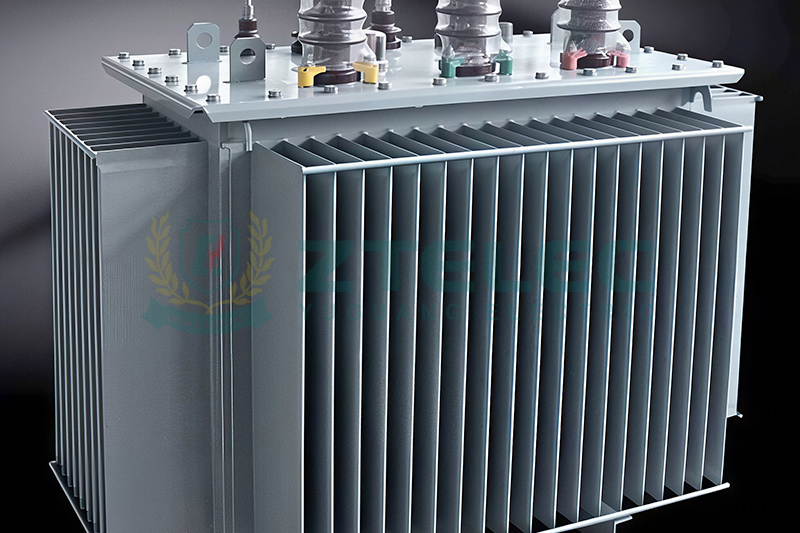
Most sealed designs use a corrugated tank transformer construction. Thin steel fins form the tank walls and act as radiators at the same time.
When the oil expands, the fins flex outward. When the oil cools, they return inward. The oil never touches outside air.
Gas Cushion or Fully Filled Designs
Some sealed transformers keep a small nitrogen cushion above the oil. Others are completely filled with oil and rely only on the fins to absorb volume change.
Both versions isolate the oil from the atmosphere. The fully filled type is more common in modern distribution transformers.
Main Advantages of Sealed Tank Designs
The oil stays clean because it has no contact with air. This removes the need for silica gel breathers and routine oil sampling in many cases.
The unit is also more compact, since there is no conservator tank on top. That helps in transformer rooms, pad-mounted enclosures and compact substations with limited height.
Limitations of Sealed Tank Designs
Corrugated fins have a limit on how much oil volume they can handle. Sealed designs therefore suit small and medium ratings, commonly up to about 2500 kVA, with some manufacturers reaching higher.
Repairs can also be harder. Damaged fins are difficult to fix on site, and the oil cannot be inspected as easily as in a conservator unit.
How a Conservator Transformer Works
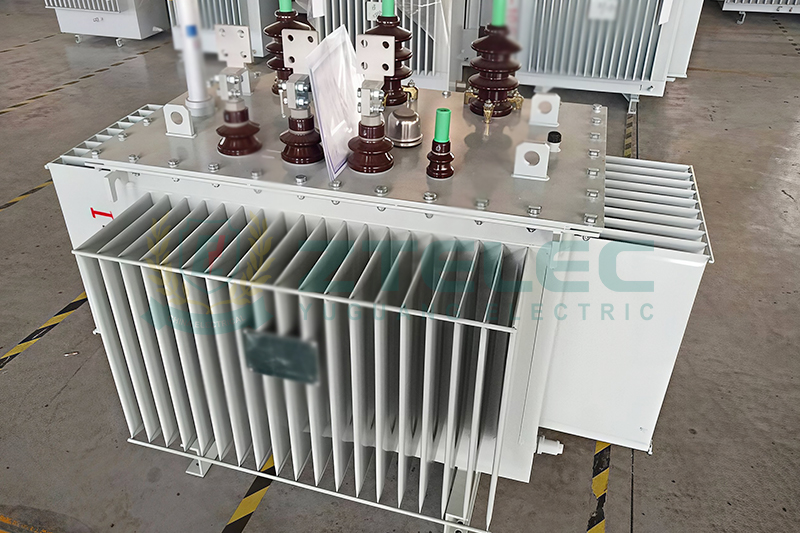
A conservator transformer has an extra oil tank mounted above the main tank. A pipe connects the two, and the conservator holds the expansion volume.
As oil heats up, it rises into the conservator. As it cools, it flows back to the main tank. The main tank stays full at all times.
Breather and Rubber Bag Options
In the simplest version, the conservator breathes through a silica gel dehydrating breather. Air entering the tank passes through the desiccant, which removes moisture.
For better protection, many designs add a rubber bag or diaphragm inside the conservator. It separates the oil surface from the air, which slows oxidation and moisture uptake.
The Buchholz Relay and Protection
A conservator design makes it easy to install a Buchholz relay in the pipe between the main tank and conservator. This relay detects gas buildup and sudden oil surges caused by internal faults.
For 23 kV units in utility and industrial service, this is a valuable early-warning protection. It is one reason many buyers still prefer conservator designs for larger ratings.
Main Advantages of Conservator Designs
The conservator supports much larger oil volumes, so it suits high-capacity units such as 3150 kVA, 5000 kVA and above.
It also allows oil level gauges, easy sampling and simple topping up. Maintenance teams can see the oil condition at a glance.
Limitations of Conservator Designs
The extra tank adds height, weight and cost. Transport dimensions grow, which matters for container shipping and for rooms with low ceilings.
The breather also needs attention. If the silica gel is exhausted and nobody replaces it, moisture slowly enters the oil.
Sealed Tank vs Conservator: Side-by-Side Comparison
The table below summarizes the main differences for a typical 23 kV oil-immersed transformer.
| Item | Sealed Tank | Conservator |
|---|---|---|
| Oil contact with air | None | Limited, via breather or rubber bag |
| Typical capacity range | Small to medium, up to about 2500 kVA | Medium to large, 630 kVA and above |
| Height and footprint | Compact | Taller, extra tank on top |
| Routine maintenance | Very low | Breather check and oil inspection |
| Gas relay protection | Limited, pressure relief device is common | Buchholz relay is standard |
| Initial cost | Often lower for small ratings | Higher due to extra tank and fittings |
| Field repair and oil service | More difficult | Easier |
Key Factors When Choosing for a 23 kV Project
The right design depends on rating, site conditions and the maintenance plan. Use the points below as a practical checklist.
Transformer Capacity
For 23 kV distribution transformers in the 100 kVA to 2000 kVA range, a sealed corrugated tank is usually the simplest and most economical choice.
For ratings above roughly 2500 kVA, a conservator is the common solution, because the oil volume exceeds what fins can absorb.
Installation Space
If the transformer goes into a prefabricated substation, a pad-mounted enclosure or an indoor room with limited height, the compact sealed design has a clear advantage.
Outdoor yards with plenty of space can accept the taller conservator unit without trouble.
Climate and Environment
In humid, coastal or dusty regions, a sealed tank removes the risk of a neglected breather. This is attractive for remote sites with little maintenance staff.
In hot climates, both designs work well, but check temperature rise limits and cooling class to confirm the oil will stay within safe operating levels.
Maintenance Capability
Utilities with trained crews and regular inspection routines can manage conservator units easily. They also benefit from the easier oil testing.
Owners who want a low-maintenance asset, such as solar farms and remote industrial sites, often choose sealed designs.
Protection Requirements
If the project specification requires a Buchholz relay, oil level indicator or similar fittings, a conservator design is the natural fit.
Sealed units can still carry temperature gauges, pressure relief devices and oil level indicators, but gas detection options are more limited.
Standards and Technical Considerations
Both designs can be built to IEC 60076 and to other regional standards. The tank type does not change electrical ratings, impedance or insulation levels.
Insulation and Oil Quality
At 23 kV, the insulation system is designed around clean, dry oil and well-dried paper. Sealed tanks keep this condition for longer without intervention.
Conservator units achieve the same result with proper breather maintenance or a rubber bag, but they need regular checks.
Mechanical Strength and Pressure
Sealed tanks must withstand internal pressure changes and short-circuit events. Good manufacturers test tank pressure and leak tightness before delivery.
Conservator tanks also need leak tests, and the extra pipes and fittings add more joints to check.
Oil Type Options
Mineral oil is the standard for both designs. Some projects specify natural ester or synthetic fluids for fire safety. Sealed construction suits these fluids well because it limits oxygen contact.
Cost and Lifecycle Perspective
A sealed tank often costs less to buy for small and medium ratings, since it avoids the conservator, pipes and breather.
Over the life of the transformer, the picture changes slightly. Conservator units may need more routine service, while sealed units can be harder to repair after tank damage.
For most 23 kV distribution projects, the lifecycle cost difference is small. The deciding factors are usually capacity, space and the owner's maintenance practice.
Common Applications
Where Sealed Tank Transformers Fit
Typical uses include pad-mounted transformers, compact substations, solar power plants, wind farms, commercial buildings and residential developments.
Where Conservator Transformers Fit
Typical uses include utility substations, heavy industry, mining sites, large factories and any project that needs a large oil volume or a Buchholz relay.
Compared with Dry Type Options
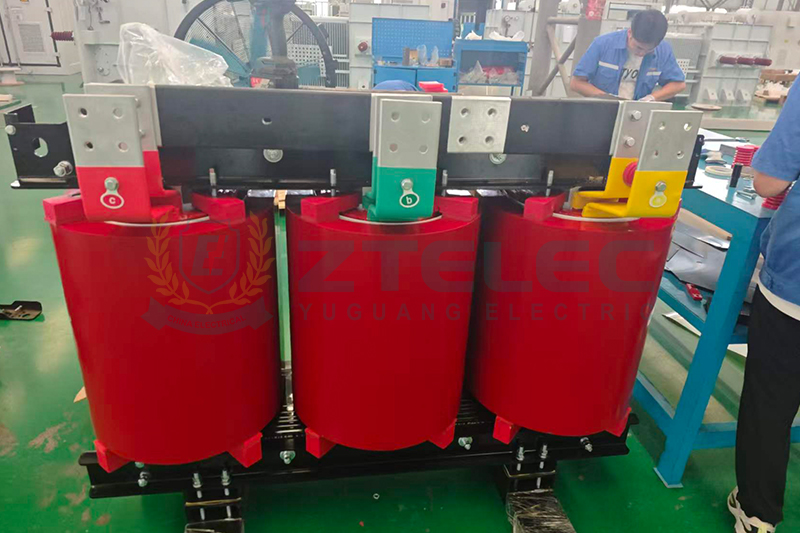
Indoor sites with strict fire safety rules sometimes choose dry type or dry cast resin transformers instead of oil filled units. For 23 kV outdoor and utility service, oil-immersed designs still offer the best balance of cost and efficiency.
Choosing a Reliable Manufacturer
Whichever design you choose, quality depends on the factory. Ask for design drawings, tank pressure test results and full routine test reports.
A capable transformer manufacturer can offer both sealed and conservator versions, and can advise which one suits your load, site and standard.
Make sure the supplier states clearly in the quotation which design is offered, what fittings are included, and which standard applies.
Request a Quotation for Your 23 kV Oil-Immersed Transformer
ZTelec supplies 23 kV oil-immersed transformers in both sealed tank and conservator designs, built to IEC 60076 for utility, industrial and renewable energy projects.
Send your kVA rating, voltage ratio, vector group, installation site and protection requirements to receive a technical proposal and quotation.
conservator transformer
23 kV oil-immersed transformer
hermetically sealed transformer
sealed tank transformer
ONAN vs ONAF
- more+releated article
- 2026-11-05Sealed Tank vs Conservator Design for a 23 kV
- 2026-11-04ONAN vs ONAF Cooling for a 3500 kVA Transforme
- 2026-11-033500 kVA Transformer Price 2026: Cost Drivers
- 2026-11-023500 kVA Transformer Load Factor: Losses, Heat
- 2026-10-30Copper vs Aluminium Windings: 3500 kVA Losses
- 2026-10-293500 kVA Oil-Immersed Transformer TCO: 20-Year
- 2026-10-28Transformer Cost per kVA: How to Benchmark a 3
- 2026-10-273500 kVA Oil-Immersed Transformer: Altitude De
- 2026-10-263500 kVA vs 2×1750 kVA Transformers: Cost &am
- 2026-10-2150 Hz vs 60 Hz Transformer: Design Differences
- ELECTRICAL INSULATION BOARD MATERIALS
- ELECTRICAL INSULATION MATERIALS
- POWER TRANSFORMER
- ENAMELED WIRE
- SWITCHGEAR

FR-4 Copper-Free Laminate | High-Performance Insulation Material

FR-4 Copper Clad Laminate Manufacturer & Supplier
23 kV oil-immersed transformer
sealed tank transformer
hermetically sealed transformer
conservator transformer
oil filled transformer
transformer cooling
ONAN ONAF transformer
3500 kVA transformer
ONAN vs ONAF
3500 kVA transformer cost
dry-type transformer
oil-immersed transformer
500 kVA transformer price
transformer losses
no-load loss
load loss
transformer load factor
copper winding transformer
copper vs aluminium windings
aluminium winding transformer
20-year transformer cost
transformer TCO
total cost of ownership transformer
3500 kVA oil-immersed transformer
3500 kVA transformer price