
Cast Resin vs VPI Dry Type Transformers: Key Differences
Choosing between a cast resin transformer and a VPI dry type transformer is one of the most common decisions in indoor power distribution projects. Both are dry-type designs with no mineral oil, yet they differ in how the windings are insulated and protected.
Those differences affect moisture resistance, fire behavior, service life, price and maintenance. This guide explains how each design works and where each one fits best, so you can specify the right dry-type transformer with confidence.
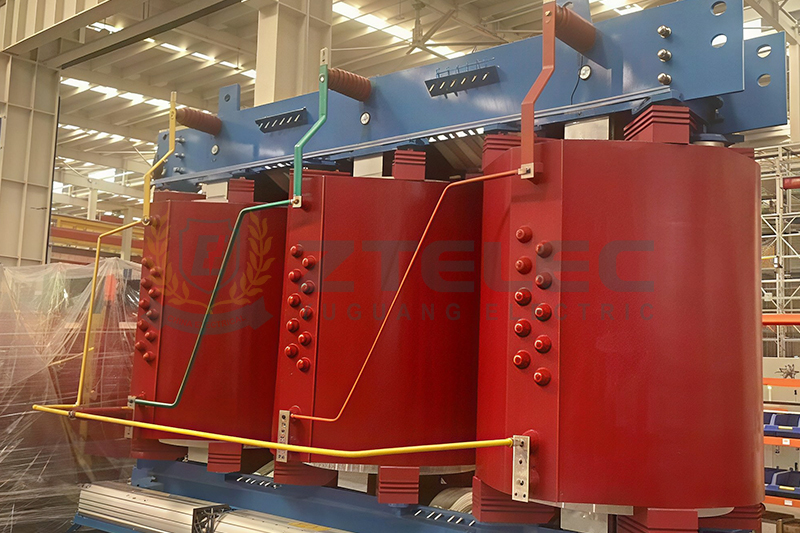
What Is a Dry-Type Transformer?
A dry-type transformer uses air, rather than oil, as its main cooling medium. The core and windings sit in open air or inside a ventilated enclosure, and heat is carried away by natural or forced air circulation.
Because there is no flammable liquid, a dry-type transformer is a natural choice for buildings, hospitals, data centers, metro stations, shopping malls and factories. It needs no oil pit, no oil containment and no Buchholz relay.
Within the dry-type family, two insulation technologies dominate the market: cast resin and vacuum pressure impregnation (VPI). Understanding both is the key to a good selection.
What Is a Cast-Resin Transformer?
Construction
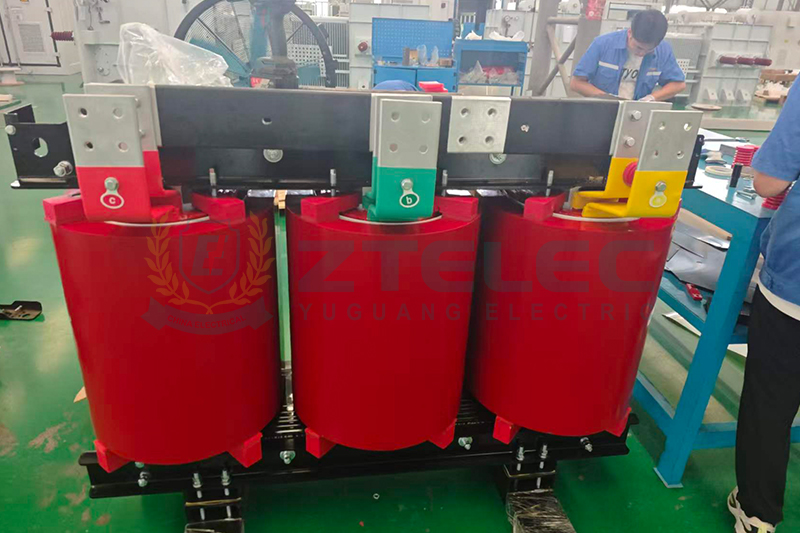
A cast-resin transformer encapsulates its windings in epoxy resin, usually mixed with quartz or alumina filler. The resin is cast in a vacuum, which removes air bubbles and gives a solid, void-free insulation body.
High-voltage coils are wound from aluminum or copper foil or wire, then placed in molds and cast. Low-voltage coils are often foil-wound and either cast or impregnated, depending on the design.
Key Characteristics
The cured epoxy forms a hard shell around the conductors. This shell seals the winding against dust, humidity and chemical vapors. It also adds mechanical strength, which helps the coil withstand short-circuit forces.
Most cast-resin transformers use Class F insulation (155 °C), with some designs reaching Class H. The self-extinguishing resin meets common fire classes such as F1 and E2 under IEC 60076-11.
What Is a VPI Dry Type Transformer?
Construction
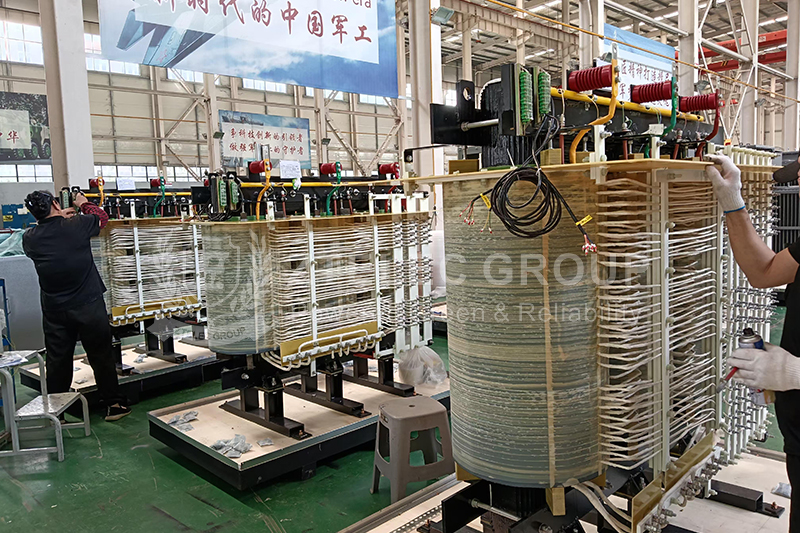
A VPI transformer is built with conventional windings and Nomex or similar insulation materials. The finished coils are placed in a chamber, vacuum-dried and then flooded with varnish under pressure.
The varnish, usually polyester or silicone based, penetrates deep between the turns and layers. After impregnation, the coils are baked to cure the varnish and lock the insulation system together.
Key Characteristics
The windings stay open to the air, so heat dissipates easily. This design is lighter than a comparable cast-resin unit, and it tolerates sudden load changes well because the thin varnish film does not crack as readily as a thick resin block.
Because the winding is not fully encapsulated, VPI units depend on a clean, dry installation environment. They are widely used in North America, often in enclosures rated for indoor use.
Key Differences Between Cast Resin and VPI Transformers
Insulation System
The core difference is how the winding is sealed. A cast-resin transformer is fully encapsulated in solid epoxy. A VPI transformer is coated and impregnated with varnish, but the winding surface remains exposed.
Full encapsulation gives cast resin a stronger barrier against contamination. Varnish impregnation gives VPI a lighter, more flexible insulation layer.
Moisture, Dust and Pollution Resistance
Cast-resin windings handle humid, dusty and mildly corrosive environments much better. The resin body blocks moisture from reaching the conductors, so the unit can sit in basements, coastal sites or tropical climates with confidence.
VPI transformers absorb moisture more easily over time. In humid locations they may need space heaters, regular inspection and periodic re-varnishing to keep insulation resistance within safe limits.
Fire Safety and Environmental Impact
Both types avoid the fire risk of oil, which is why they are called safe dry-type transformers. Even so, cast resin usually carries a stronger fire rating because the epoxy is self-extinguishing and releases little smoke.
VPI units use high-temperature insulation that resists flame well, though the varnish and organic materials may produce more smoke under extreme fire conditions. Neither design contains liquid that can leak and pollute soil or water.
Short-Circuit Strength
The rigid epoxy shell of a cast-resin transformer binds the turns together, so the coil resists radial and axial forces during a fault. This is valuable on networks with high fault levels.
VPI windings rely on bracing, wedges and the cured varnish. Properly designed units pass short-circuit tests, but they depend more on mechanical support than on a solid winding body.
Thermal Performance and Overload Capacity
Open VPI windings shed heat easily, which supports good overload capability and fast thermal response. Cast resin has a thicker insulating layer, so heat moves through it more slowly.
Cast-resin units compensate with carefully designed cooling ducts and, when needed, cross-flow fans. With fans, many cast-resin designs can carry 130 to 140 percent of rated load for limited periods.
Partial Discharge and Noise
Vacuum casting produces very low partial discharge when manufacturing quality is high, which extends insulation life. VPI units can also achieve low partial discharge, but results vary more with impregnation quality.
Noise levels are similar for both types, since the core is the main source. Cast-resin units may be slightly quieter thanks to the damping effect of the resin.
Cost, Weight and Maintenance
Initial Price
A cast-resin transformer generally costs more than a VPI unit of the same rating because of the resin, molds and vacuum casting equipment. The gap narrows at larger ratings and in markets where cast resin is the standard product.
For buyers comparing a dry type transformer price, remember that the lowest quote is not always the lowest lifetime cost.
Weight and Size
VPI units tend to be lighter and a little more compact, which simplifies transport and rooftop or floor-loading projects. Cast-resin units are heavier but offer very stable dimensions and predictable clearances.
Maintenance Needs
Cast resin is close to maintenance free. A periodic cleaning of dust, a check of connections and temperature controller testing are usually enough.
VPI units need more attention in demanding conditions. Routine inspection of insulation resistance, careful cleaning and humidity control help prevent winding degradation.
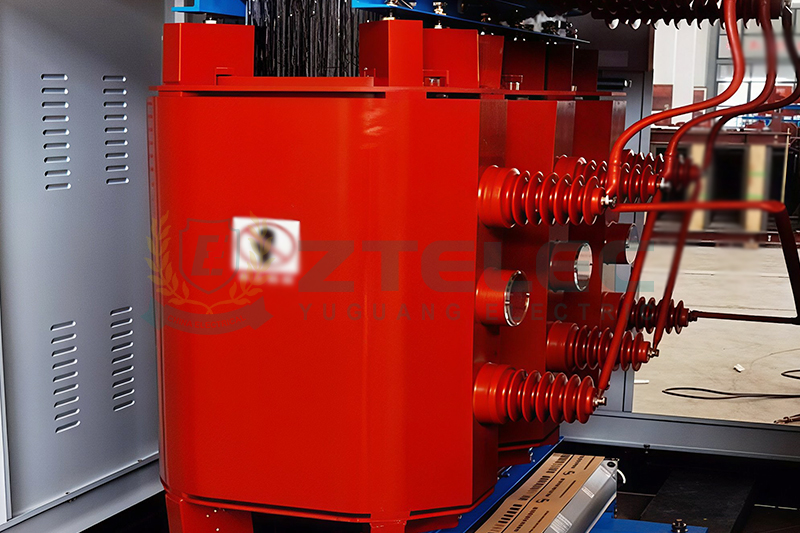
Quick Comparison Table
| Feature | Cast-Resin Transformer | VPI Dry Type Transformer |
|---|---|---|
| Winding insulation | Vacuum-cast epoxy resin | Varnish-impregnated, open winding |
| Moisture and dust resistance | Excellent | Moderate |
| Fire performance | Self-extinguishing, low smoke | Good, flame resistant |
| Short-circuit strength | Very high | High with proper bracing |
| Overload tolerance | Good, better with fans | Very good |
| Weight | Heavier | Lighter |
| Maintenance | Very low | Low to moderate |
| Initial price | Higher | Lower |
Typical Applications
Where Cast-Resin Transformers Excel
A cast-resin transformer is the preferred choice for harsh or safety-critical sites. These include metro and rail systems, hospitals, airports, offshore platforms, wind farms, tunnels and tropical or coastal factories.
Utilities and developers in Europe, the Middle East, Southeast Asia and Africa often specify cast resin because of its resilience and low upkeep.
Where VPI Dry Type Transformers Fit
VPI units suit clean, climate-controlled interiors such as commercial buildings, schools, offices, light industrial plants and data center electrical rooms. They are also common in retrofit projects where weight and budget are tight.
When humidity is controlled and the room is well ventilated, a VPI transformer delivers dependable service at a lower upfront cost.
How to Choose the Right Dry-Type Transformer
Evaluate the Environment
Start with humidity, dust, altitude and temperature. Damp, polluted or unattended locations point toward cast resin. Clean and conditioned rooms make VPI a practical option.
Consider Fault Level and Load Profile
Networks with high short-circuit currents, frequent switching or heavy harmonic loads benefit from the mechanical robustness of cast resin. Steady, moderate loads suit either design.
Check Standards and Local Rules
Confirm the standards that apply to your project, such as IEC 60076-11, IEEE C57.12.01 or GB/T 10228. Some regions and building codes favor or require specific fire and environmental classes.
Compare Total Cost of Ownership
Look beyond the purchase price. Add energy losses, maintenance, expected service life and downtime risk. In demanding environments, a cast-resin transformer often wins on lifetime cost even when it costs more on day one.
Work With an Experienced Manufacturer
A reliable supplier will review your site conditions, loading and standards, then recommend the right design and provide test reports. Ask for routine and type test certificates, partial discharge results and clear warranty terms.
Frequently Asked Questions
Is a cast resin transformer better than a VPI transformer?
Neither is better in every case. Cast resin offers superior protection in humid or dirty environments, while VPI offers lower cost and lighter weight in clean, controlled rooms.
Can both types be used indoors?
Yes. Both are designed for indoor use, since they contain no oil. Cast resin also tolerates difficult indoor spaces such as basements and damp plant rooms.
Which type lasts longer?
With correct selection and maintenance, both can serve 25 to 30 years or more. Cast resin typically holds up longer in harsh conditions because the winding is sealed.
Cast resin and VPI are both proven dry-type transformer technologies. The right choice depends on environment, fault level, budget and local standards rather than on a single winner.
Choose a cast-resin transformer when you need maximum protection, low maintenance and strong short-circuit performance. Choose a VPI dry type transformer when conditions are clean and controlled and you want a lighter, more economical unit.
If you are planning a project and need help selecting the right dry-type transformer, share your voltage, capacity, standard and site conditions with our team. We will recommend a suitable design and provide a detailed quotation.
VPI transformer
cast resin vs VPI dry type transformer
dry-type transformer
cast-resin transformer
GB 1094
- more+releated article
- 2026-11-16Cast Resin vs VPI Dry Type Transformers: Key D
- 2026-11-1423 kV Transformer Standards: IEC vs IEEE/ANSI
- 2026-11-13IEC 60076 Transformer Tests: Routine, Type &am
- 2026-11-12Outdoor Transformer Installation: Clearances &
- 2026-11-113500 kVA Transformer Oil: Mineral vs Ester vs
- 2026-11-103500 kVA Transformer: EU Tier 2 vs US DOE Loss
- 2026-11-09ZTELEC GROUP 2026 Year-End Promotion: Electric
- 2026-11-06Dyn11 vs Yyn0: Choosing the Vector Group for a
- 2026-11-05Sealed Tank vs Conservator Design for a 23 kV
- 2026-11-04ONAN vs ONAF Cooling for a 3500 kVA Transforme
- ELECTRICAL INSULATION BOARD MATERIALS
- ELECTRICAL INSULATION MATERIALS
- POWER TRANSFORMER
- ENAMELED WIRE
- SWITCHGEAR
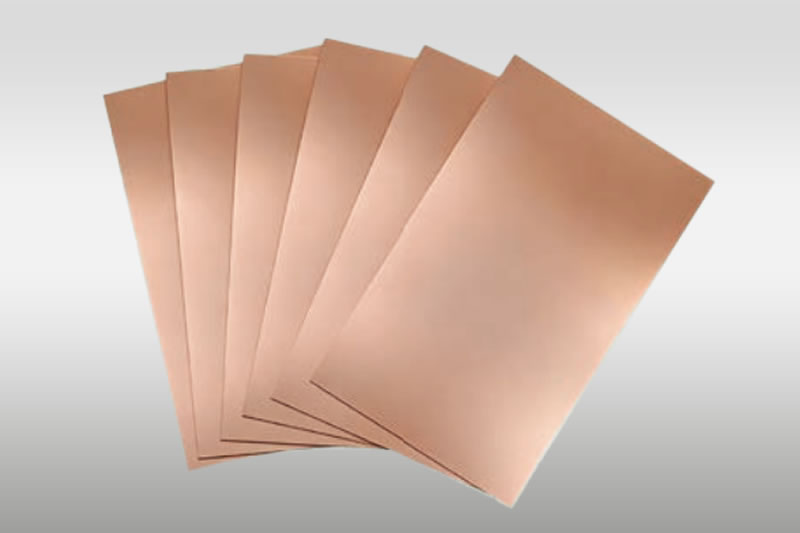
FR-4 Copper-Free Laminate | High-Performance Insulation Material
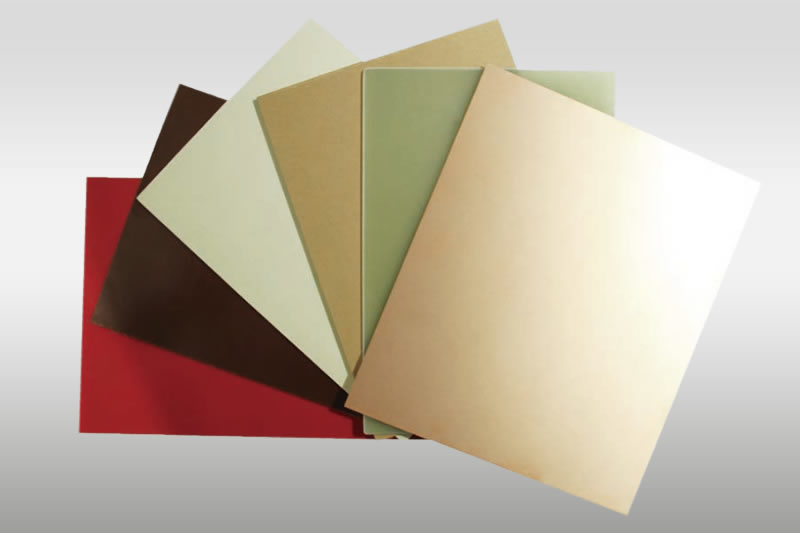
FR-4 Copper Clad Laminate Manufacturer & Supplier
VPI transformer
cast-resin transformer
dry-type transformer
cast resin vs VPI dry type transformer
IEEE C57.12.00
GB 1094
dry type transformer
23 kV transformer standards
IEC 60076
23 kV transformer
oil-immersed transformer
routine test
transformer tests
type test
special test
transformer clearances
transformer fire safety
outdoor transformer installation
pad-mounted transformer
mineral oil vs ester vs silicone
oil filled transformers
Oil immersed transformer
3500 kVA transformer oil
DOE transformer efficiency
3500 kVA transformer