
Oil-Immersed Transformer Overheating: Causes, Diagnosis and Repair Solutions
Oil-immersed transformers remain one of the most widely used power distribution devices in industrial plants, substations, commercial facilities and utility grids. Their excellent insulation capability and heat dissipation performance make them suitable for long-term heavy-duty operation. However, transformer overheating continues to be one of the most dangerous operational problems in power systems.
Excessive temperature not only accelerates insulation aging and shortens transformer service life, but can also lead to winding failure, oil degradation, fire hazards and catastrophic shutdowns. In severe cases, transformer overheating may trigger explosions and large-scale power outages.
This article explains the major causes of oil-immersed transformer overheating, practical field diagnosis methods, and effective repair and preventive maintenance solutions used in modern power systems.
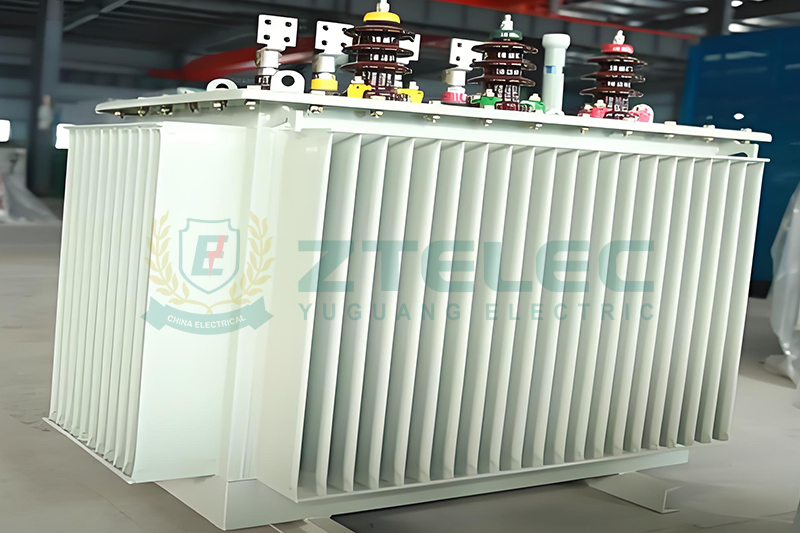
Main Causes of Oil-Immersed Transformer Overheating
Long-Term Overloading
Continuous overloading is one of the most common reasons for transformer overheating. Many facilities expand production capacity or add electrical equipment without upgrading transformer capacity accordingly. When transformer load exceeds the rated value for extended periods, copper losses increase rapidly because winding losses rise proportionally to the square of current.
Under normal operating conditions, the transformer oil circulation system can dissipate heat generated by the core and windings. Once the load remains above rated capacity, heat generation exceeds cooling capability, causing top oil temperature to rise continuously.
Most oil-immersed transformers can tolerate short-term overload within a limited range, but long-term high-load operation significantly accelerates insulation aging. Industry practice shows that every 6°C increase in insulation temperature can approximately double the aging rate of insulation paper.
Cooling System Failure
The cooling system of an oil-immersed transformer relies on oil circulation and radiator heat exchange. Any failure within the cooling path can reduce heat dissipation efficiency and lead to abnormal temperature rise.
Typical cooling system problems include blocked radiator fins, excessive dust accumulation, failed cooling fans, damaged oil pumps, restricted oil circulation channels, or insufficient ventilation clearance around the transformer installation area.
Older transformers are particularly vulnerable to cooling performance decline because of corrosion inside radiator tubes and aging mechanical cooling components.
Transformer Oil Deterioration
Transformer oil gradually oxidizes during long-term operation. Oxidation products generate sludge and acidic compounds that reduce thermal conductivity and insulation performance. Sludge deposits on winding surfaces and radiator interiors act as thermal barriers, preventing efficient heat transfer.
Moisture contamination further decreases oil dielectric strength and accelerates insulation paper degradation. As transformer oil ages, both cooling efficiency and electrical insulation capability decline simultaneously.
Regular oil testing is essential to verify breakdown voltage, acidity, moisture content and dielectric loss factor. Abnormal oil quality often directly correlates with overheating issues.
Winding Inter-Turn Short Circuit
Internal winding faults are among the most dangerous overheating sources. Inter-turn short circuits create localized circulating currents that generate intense heat within specific winding sections.
Because these faults may initially produce only localized hotspots, standard electrical measurements sometimes fail to detect the problem during routine inspections. If left unresolved, winding insulation damage can expand rapidly during high-load operation and eventually cause complete transformer failure.
Core Multi-Point Grounding
Transformer cores are normally designed with a single grounding point. If multiple grounding points develop because of insulation failure, metallic debris or damaged insulation spacers, circulating eddy currents form within the core structure.
These unwanted currents generate abnormal heat even when the transformer operates under light load or no-load conditions. Core overheating caused by multi-point grounding often results in persistent oil temperature rise that does not match actual load conditions.
Practical Transformer Overheating Diagnosis Methods
Infrared Thermal Imaging Inspection
Infrared thermography is one of the most effective non-contact diagnostic methods for transformer overheating detection. Thermal cameras quickly identify abnormal hotspots on radiators, bushings, tank surfaces and cable connections without requiring power shutdown.
Uniform temperature distribution across radiator panels usually indicates normal oil circulation. Cooler radiator sections may suggest internal blockage, while localized high temperatures near bushings or terminals often indicate loose electrical connections or internal insulation problems.
Dissolved Gas Analysis (DGA)
Dissolved Gas Analysis is widely recognized as one of the most valuable techniques for identifying internal transformer faults. Different thermal and electrical faults generate distinct gas patterns within transformer oil.
Hydrogen and acetylene often indicate arcing or high-energy discharge faults. Methane and ethane are typically associated with low-temperature thermal faults such as core grounding issues or overheated contacts. High ethylene concentration generally points to severe high-temperature overheating inside windings.
By analyzing gas ratios according to IEC 60599 diagnostic methods, maintenance engineers can determine the probable fault category and prioritize repair actions.
Winding DC Resistance Measurement
Comparing measured winding DC resistance values with factory test data helps identify winding deformation, inter-turn short circuits and poor connection points.
Significant imbalance between phases may indicate internal winding damage or loose tap changer contacts. This method is especially useful during scheduled transformer maintenance outages.
Load Curve and Oil Temperature Comparison
Reviewing transformer load history together with top oil temperature records provides valuable operational insight. Under normal conditions, oil temperature should rise and fall proportionally with load variation.
If transformer temperature remains abnormally high during low-load periods, the problem often points toward cooling system inefficiency, degraded oil quality or internal thermal faults.
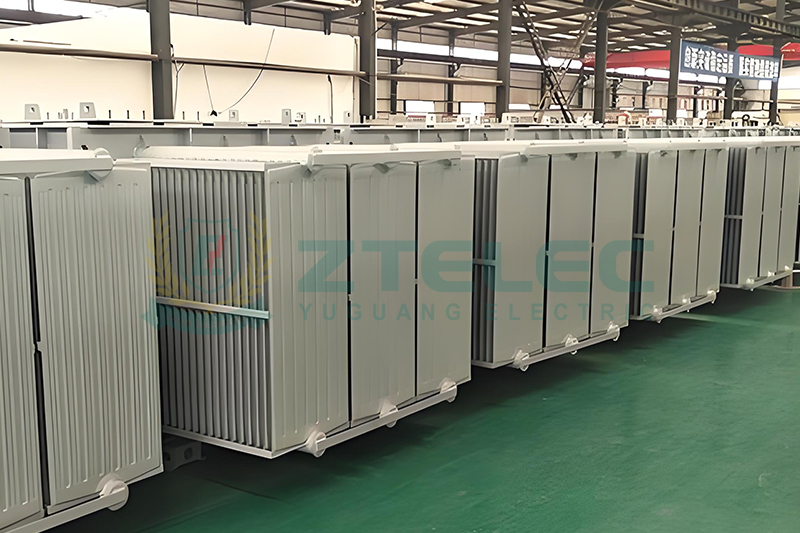
Effective Repair and Preventive Solutions
Reduce Transformer Load or Increase Capacity
If overheating results from continuous overloading, reducing operational load is the most direct temporary solution. Long-term reliability usually requires transformer capacity expansion or installation of additional parallel transformers to distribute electrical demand.
Facilities with seasonal heavy loads should reserve sufficient transformer capacity margin during system design to avoid repeated thermal stress.
Clean and Repair the Cooling System
Routine cleaning of radiator surfaces significantly improves cooling efficiency. Dust, debris and oily contamination reduce heat exchange performance and restrict airflow around radiator fins.
Cooling fans, oil pumps and automatic temperature control systems should be inspected regularly, especially before summer peak load seasons. Critical transformers often benefit from redundant cooling systems and automatic fan activation controls.
Transformer Oil Purification or Replacement
Oil purification equipment can remove moisture, dissolved gases and contaminants from transformer oil without complete oil replacement. Vacuum dehydration and degassing processes restore oil dielectric performance and improve thermal conductivity.
If oil degradation becomes severe and sludge accumulation is extensive, complete oil replacement combined with internal cleaning may be necessary.
After oil treatment, tests should confirm that breakdown voltage, moisture level and dielectric properties meet operational standards before returning the transformer to service.
Repair Internal Winding and Core Faults
Winding short circuits and severe core defects generally require factory-level repair because internal transformer disassembly is highly specialized.
Core multi-point grounding faults may sometimes be corrected onsite by removing unintended grounding paths and restoring insulation barriers. However, faults caused by metallic contamination inside the core structure typically require comprehensive internal inspection and cleaning.
Establish an Online Monitoring System
Preventive monitoring is the most effective strategy for avoiding major overheating failures. Modern transformer monitoring systems provide continuous tracking of oil temperature, load conditions, cooling system operation and dissolved gas levels.
Important transformers should be equipped with online oil temperature monitoring devices, periodic infrared inspection schedules, regular oil sampling programs and long-term load trend analysis systems.
Continuous condition monitoring allows maintenance teams to detect abnormal thermal behavior early and schedule corrective action before severe damage occurs.
Oil-immersed transformer overheating is rarely caused by a single issue. In most cases, overload conditions, cooling system inefficiency, oil deterioration and internal electrical faults interact over time until abnormal temperature rise becomes unavoidable.
Understanding the relationship between transformer temperature, insulation aging and cooling performance is essential for reliable power system operation. Accurate diagnosis methods such as infrared inspection, DGA analysis and load trend monitoring help maintenance personnel identify the root cause quickly and reduce the risk of catastrophic failure.
In transformer lifecycle management, temperature control directly determines equipment longevity and operational reliability. Keeping transformers within safe thermal limits remains one of the most practical and cost-effective strategies for improving power system stability and reducing maintenance costs.
oil immersed transformer lifespan
oil immersed transformer maintenance
transformer lifecycle
transformer insulation aging
dry type transformer temperature monitoring
- more+releated article
- 2026-05-11How Long Does an Oil-Immersed Transformer Last
- 2026-05-08Modern Power System Dry-Type Transformer Insta
- 2026-05-07Oil-Immersed Transformer Overheating: Causes,
- 2026-05-07Dry-Type Transformers for Data Centers: 2026 R
- 2026-04-30Air-Core Reactor vs Iron-Core Reactor: How to
- 2026-04-29Compact Enclosed Transformer for Smart Grid: T
- 2026-04-2812-Pulse and 24-Pulse Phase-Shifting Transform
- 2026-04-27Oil-Immersed Transformers for Industrial Plant
- 2026-04-25Why Dry-Type Transformers Are Preferred for Ho
- 2026-04-24Enclosed Transformer Outdoor Solutions: IP Pro
- ELECTRICAL INSULATION BOARD MATERIALS
- ELECTRICAL INSULATION MATERIALS
- POWER TRANSFORMER
- ENAMELED WIRE
- SWITCHGEAR



transformer insulation aging
transformer lifecycle
oil immersed transformer lifespan
oil immersed transformer maintenance
dry type transformer installation
dry type transformer temperature monitoring
dry type transformer maintenance
dry type transformer sizing
transformer cooling system failure
transformer overheating causes
oil immersed transformer overheating
transformer oil temperature
harmonic mitigation
dry type transformer
K factor transformer
data center transformer
Cast resin transformer
insulation oil degradation
DGA analysis transformer
transformer fault analysis
oil immersed transformer failure
smart grid transformer
compact enclosed transformer
integrated distribution transformer
compact transformer substation