
Medium Voltage Dry-Type Transformers in Solar and Renewable Energy Systems
Solar and wind power plants generate electricity in a very different way compared with traditional power stations. Renewable energy output changes constantly with sunlight intensity, wind speed, weather conditions, and grid demand. Because of this, the electrical equipment used inside renewable energy projects must handle fluctuating loads, harmonics, outdoor environments, and long operating hours with minimal maintenance.
Among all the equipment used in renewable energy systems, medium voltage dry-type transformers are one of the most important components. They are responsible for voltage conversion, energy collection, and safe grid connection throughout the entire power generation process.
Although transformers rarely receive as much attention as solar panels or inverters, modern photovoltaic and wind power projects cannot operate reliably without them.
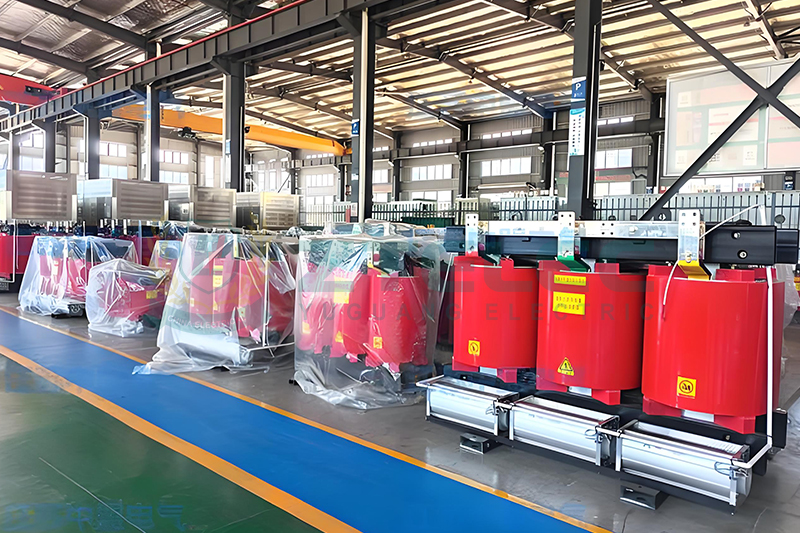
Why Dry-Type Transformers Are Widely Used in Renewable Energy Projects
Traditional oil-immersed transformers are still widely used in power systems, but renewable energy projects increasingly prefer dry-type transformers for safety and maintenance reasons.
Solar farms, rooftop PV systems, mountain wind farms, and offshore wind platforms are often installed in locations where fire protection and maintenance access are difficult. In these environments, oil leakage or transformer fires can create major operational and environmental risks.
Dry-type transformers solve this problem by using air or cast resin insulation instead of insulating oil. Since there is no oil inside the transformer, the risk of leakage, fire, and environmental contamination is significantly reduced.
This makes dry-type transformers especially suitable for indoor substations, rooftop solar projects, offshore wind systems, tunnels, commercial buildings, and environmentally sensitive areas.
Another major advantage is reduced maintenance. Oil-filled transformers require regular oil testing and periodic maintenance, while dry-type transformers generally operate with lower maintenance requirements over long service periods.
For remote renewable energy sites where maintenance costs are high, this advantage becomes extremely valuable.
How Medium Voltage Dry-Type Transformers Work in Solar Power Systems
A photovoltaic power station normally includes several electrical conversion stages before electricity can be connected to the utility grid.
First, solar panels generate direct current (DC). Inverters then convert DC power into low-voltage alternating current (AC), typically between 400V and 800V.
After inversion, electricity from multiple inverter units is collected and sent to a medium voltage transformer. The transformer increases the voltage to 10kV, 20kV, or 35kV so the electricity can be transmitted efficiently through the collection network.
Finally, the collected power reaches the main substation, where larger transformers step the voltage up again for high-voltage transmission and grid integration.
In most photovoltaic projects, medium voltage dry-type transformers are installed inside compact box substations together with switchgear and protection systems.
In commercial rooftop solar projects, the transformer is often connected directly to the inverter output and integrated into the building’s medium voltage distribution network.
Why Renewable Energy Transformers Face More Stress Than Conventional Transformers
Transformers used in renewable energy systems operate under conditions that are very different from those found in traditional industrial facilities.
Rapid Load Changes
Solar power generation changes continuously throughout the day. Passing clouds, weather changes, and seasonal sunlight variation can cause sudden fluctuations in output power.
This means the transformer experiences repeated heating and cooling cycles much more frequently than transformers used in conventional power distribution systems.
Over time, these thermal cycles place stress on transformer insulation and winding structures. For this reason, the quality of the cast resin insulation system is extremely important in renewable energy applications.
High Harmonic Content
Inverters are essential for renewable energy systems, but they also generate harmonic currents.
Even though modern inverter technology has improved significantly, harmonic distortion still exists when multiple inverters operate together inside a solar farm.
These harmonic currents create additional losses inside transformer windings, increasing operating temperatures and accelerating insulation aging.
To improve reliability, many renewable energy transformers are designed with K-factor ratings that allow them to operate safely under harmonic-rich conditions.
Outdoor Environmental Conditions
Renewable energy transformers are frequently installed outdoors in harsh environments including deserts, coastal regions, offshore platforms, and high-humidity areas.
In these conditions, transformers must withstand dust, salt spray, ultraviolet radiation, vibration, moisture, and large temperature differences between day and night.
This is why enclosure protection ratings, anti-corrosion coatings, and cooling design are critical selection factors.
Applications in Wind Power Systems
Wind energy systems create even more demanding operating conditions for transformers.
Wind Turbine Nacelle Transformers
Most large wind turbines generate electricity at approximately 690V. Before electricity can be transmitted to the collection network, the voltage must be increased through a transformer installed inside the nacelle.
The nacelle environment is extremely challenging. Space is limited, vibration levels are high, and equipment must operate continuously under changing temperatures and strong wind conditions.
Dry-type transformers are preferred in this application because they are compact, fire-resistant, and free from oil leakage risks.
Some turbine designs also require transformers capable of operating at tilted installation angles caused by tower movement during strong wind conditions.
Offshore Wind Platforms
Offshore wind projects place even stricter requirements on transformer reliability and corrosion resistance.
Transformers installed offshore must resist salt mist, moisture, and severe marine corrosion for long operating periods.
Many offshore projects require C5-M anti-corrosion protection, enhanced insulation systems, and compact low-weight transformer designs suitable for offshore lifting and installation limits.
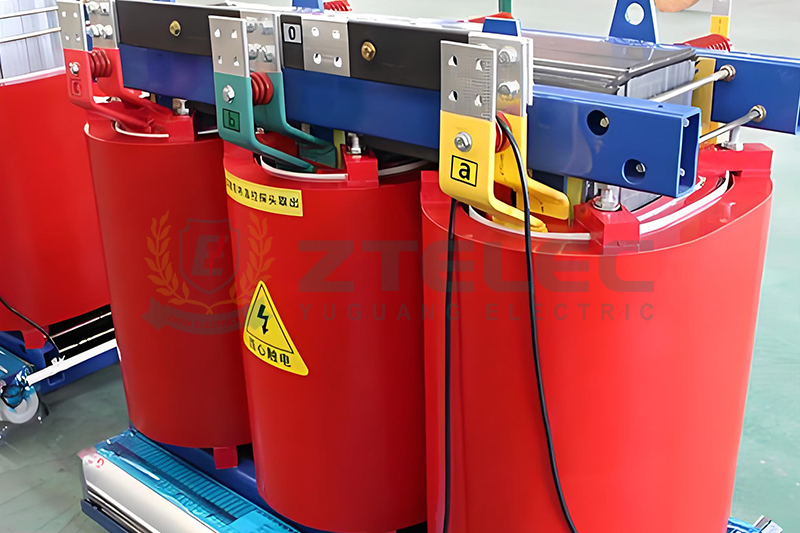
Important Parameters When Selecting Renewable Energy Transformers
Selecting the correct transformer is essential for system safety, efficiency, and long-term reliability.
Voltage Rating
The transformer voltage rating must match the renewable energy collection system and local utility grid requirements. Common medium voltage levels include 10kV, 20kV, and 35kV.
Insulation Class and Temperature Rise
F-class and H-class insulation systems are commonly used because they provide higher thermal endurance and better long-term reliability under fluctuating loads.
IP Protection Rating
Outdoor renewable energy installations often require IP23, IP44, IP54, or higher protection levels depending on environmental conditions.
K-Factor Rating
K-factor ratings help determine whether the transformer can handle harmonic currents safely. Renewable energy systems commonly use K-4 or K-13 transformer designs.
Cooling Method
Dry-type transformers may use natural air cooling (AN) or forced air cooling (AF). Projects with higher load demands may require forced ventilation systems to improve cooling performance.
Installation and Maintenance Considerations
Although dry-type transformers require less maintenance than oil-filled transformers, proper installation and inspection are still very important.
Adequate ventilation must always be maintained to prevent overheating. Airflow openings should never be blocked by cables, walls, or stored materials.
In cold climates or desert regions, condensation can form inside the transformer during shutdown periods. Preheating and insulation resistance testing are often recommended before energizing the transformer.
Modern renewable energy projects increasingly use online monitoring systems to improve maintenance efficiency.
Temperature sensors, partial discharge monitoring devices, and intelligent control systems can continuously monitor transformer health and provide early warning of insulation problems or abnormal operating conditions.
Future Trends in Renewable Energy Transformer Technology
As solar and wind energy installations continue growing worldwide, transformer technology is also evolving rapidly.
Manufacturers are developing more compact, energy-efficient, and modular transformer solutions to reduce transportation costs and simplify installation.
Integrated inverter-transformer systems are becoming increasingly common in utility-scale solar projects because they reduce onsite construction work and improve overall system efficiency.
At the same time, smart transformers with IoT communication capability are becoming an important trend in renewable energy infrastructure.
Real-time monitoring, predictive maintenance, and digital asset management allow operators to reduce downtime and improve long-term operating reliability across large renewable energy networks.
Medium voltage dry-type transformers are essential components in modern renewable energy systems.
From photovoltaic substations in desert solar farms to transformers installed inside offshore wind turbines, these devices support safe voltage conversion, energy collection, and stable grid integration under demanding operating conditions.
Choosing the correct transformer design, insulation system, protection rating, and harmonic capability is critical for ensuring long-term system reliability.
As global investment in clean energy continues to increase, medium voltage dry-type transformers will remain one of the key technologies supporting the future of renewable power generation.
medium voltage dry-type transformer
solar transformer
renewable energy transformer
transformer insulation aging
oil immersed transformer lifespan
- more+releated article
- 2026-05-13Medium Voltage Dry-Type Transformers in Solar
- 2026-05-11How Long Does an Oil-Immersed Transformer Last
- 2026-05-08Modern Power System Dry-Type Transformer Insta
- 2026-05-07Oil-Immersed Transformer Overheating: Causes,
- 2026-05-07Dry-Type Transformers for Data Centers: 2026 R
- 2026-04-30Air-Core Reactor vs Iron-Core Reactor: How to
- 2026-04-29Compact Enclosed Transformer for Smart Grid: T
- 2026-04-2812-Pulse and 24-Pulse Phase-Shifting Transform
- 2026-04-27Oil-Immersed Transformers for Industrial Plant
- 2026-04-25Why Dry-Type Transformers Are Preferred for Ho
- ELECTRICAL INSULATION BOARD MATERIALS
- ELECTRICAL INSULATION MATERIALS
- POWER TRANSFORMER
- ENAMELED WIRE
- SWITCHGEAR



renewable energy transformer
solar transformer
medium voltage dry-type transformer
transformer insulation aging
oil immersed transformer maintenance
transformer lifecycle
oil immersed transformer lifespan
dry type transformer maintenance
dry type transformer sizing
dry type transformer installation
dry type transformer temperature monitoring
transformer overheating causes
transformer oil temperature
oil immersed transformer overheating
transformer cooling system failure
harmonic mitigation
dry type transformer
data center transformer
K factor transformer
Cast resin transformer
insulation oil degradation
oil immersed transformer failure
DGA analysis transformer
transformer fault analysis
smart grid transformer