
Oil Immersed Transformers Explained: Cooling Systems, Insulation Technology & Lifespan Guide
Oil immersed transformers remain the most widely used transformers in modern electrical power systems. Whether installed in utility substations, industrial facilities, renewable energy plants, data centers, or large commercial developments, they provide reliable voltage transformation while efficiently handling high electrical loads and thermal stress.
The secret behind their outstanding performance lies in transformer oil. Unlike dry-type transformers that rely on air or cast resin insulation, oil immersed transformers use insulating liquid to provide both electrical insulation and heat dissipation. This combination enables higher efficiency, greater overload capability, and longer service life.
This comprehensive guide explains how oil immersed transformers work, explores different cooling methods and insulation systems, examines the factors that influence transformer lifespan, and shares maintenance best practices to maximize long-term reliability.
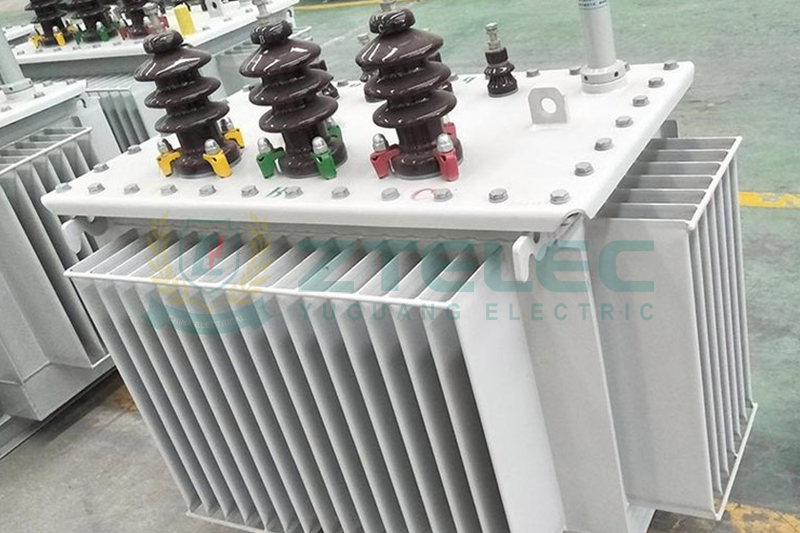
What Is an Oil Immersed Transformer?
An oil immersed transformer, also known as an oil-filled transformer, is a power or distribution transformer whose magnetic core and windings are completely immersed in insulating oil inside a sealed steel tank. The insulating liquid is typically high-grade mineral oil, although synthetic ester and natural ester fluids are becoming increasingly popular for environmentally sensitive applications.
Transformer oil performs two essential functions simultaneously. First, it transfers heat away from the windings and core to prevent overheating. Second, it provides excellent dielectric insulation between energized components, significantly reducing the risk of electrical breakdown.
Because of this dual-purpose design, oil immersed transformers can achieve higher voltage ratings, larger capacities, and superior thermal performance compared with most dry-type transformers. They are therefore the preferred solution for utility distribution networks, industrial manufacturing plants, mining operations, solar farms, wind power projects, and outdoor substations.
How Oil Immersed Transformer Cooling Works
Temperature control is one of the most important aspects of transformer operation. During normal operation, electrical current flowing through the windings creates copper losses, while magnetic flux inside the core produces hysteresis and eddy current losses. Without effective cooling, excessive heat rapidly accelerates insulation aging and shortens transformer life.
Natural Oil Circulation (ONAN)
Smaller and medium-capacity transformers commonly use the ONAN (Oil Natural Air Natural) cooling method. As the oil surrounding the windings becomes warmer, it naturally rises toward the top of the tank. Cooler oil descends to replace it, creating continuous circulation without pumps.
The heated oil transfers thermal energy to the tank walls or external cooling radiators, where surrounding air naturally removes the heat. This simple cooling system offers excellent reliability with minimal maintenance because it contains no moving mechanical components.
Forced Air Cooling (ONAF)
As transformer capacity increases, natural cooling alone may no longer be sufficient. ONAF (Oil Natural Air Forced) transformers enhance cooling by installing electric fans on radiator banks.
The transformer oil continues circulating naturally, while forced airflow dramatically improves heat dissipation. Many utility transformers automatically activate cooling fans when oil temperature reaches a preset threshold, allowing higher loading during peak demand periods.
Forced Oil and Air Cooling (OFAF)
Large power transformers often employ OFAF (Oil Forced Air Forced) cooling systems. Oil pumps continuously circulate insulating oil through external radiators while cooling fans remove heat from radiator surfaces.
This design delivers significantly greater cooling efficiency and enables transformers to operate safely under heavy continuous loads, making it ideal for transmission substations and industrial power systems.
Forced Oil and Water Cooling (OFWF)
Very high-capacity generators and transmission transformers may use OFWF (Oil Forced Water Forced) cooling. Instead of relying solely on air, oil transfers heat through water-cooled heat exchangers.
Water cooling provides exceptional heat removal performance in facilities where large quantities of cooling water are readily available, such as thermal power plants and hydroelectric generating stations.
Why Transformer Oil Is Essential
Transformer oil is far more than a cooling liquid. It forms an integral part of the transformer's insulation system and directly influences equipment reliability, efficiency, and operating life.
Excellent Dielectric Strength
Fresh transformer mineral oil possesses high dielectric strength, enabling it to withstand extremely high electric fields without electrical breakdown. This property allows winding conductors to be placed closer together, reducing transformer size while maintaining excellent insulation performance.
However, contamination caused by moisture, oxidation products, particles, or dissolved gases gradually lowers dielectric strength. Routine oil testing is therefore essential for maintaining safe transformer operation.
Heat Transfer Capability
Transformer oil efficiently absorbs heat generated inside the windings and core before transporting it toward cooling surfaces. Compared with air cooling, liquid cooling provides much greater thermal conductivity, allowing oil immersed transformers to carry larger electrical loads while maintaining acceptable operating temperatures.
Protection Against Moisture and Oxygen
Modern sealed transformers minimize contact between insulating oil and atmospheric oxygen, reducing oxidation and moisture absorption. Conservator-type transformers often incorporate silica gel breathers to remove humidity from incoming air, helping preserve oil quality for many years.
Transformer Insulation System
The insulation system of an oil immersed transformer consists of both liquid and solid insulating materials working together.
Cellulose Paper Insulation
Copper or aluminum conductors are wrapped with high-quality cellulose paper. This paper provides mechanical strength and electrical insulation while absorbing transformer oil to improve dielectric performance.
Although highly reliable, cellulose insulation gradually deteriorates due to thermal aging, oxidation, and moisture. Since paper degradation cannot be reversed, it ultimately determines the transformer's useful operating life.
Pressboard Components
Transformer pressboard is widely used for spacers, cylinders, barriers, and structural insulation. Combined with transformer oil, it creates a highly effective insulation system capable of withstanding high electrical stress over decades of operation.
Ester Insulating Fluids
Many modern transformers now utilize synthetic ester or natural ester fluids instead of conventional mineral oil.
Ester fluids provide higher flash points, significantly improving fire safety. They are also biodegradable, making them an excellent choice for environmentally sensitive installations near hospitals, schools, waterways, and densely populated urban areas.
Research also indicates that ester fluids may slow cellulose paper aging by maintaining lower moisture levels within the insulation system, potentially extending transformer service life.
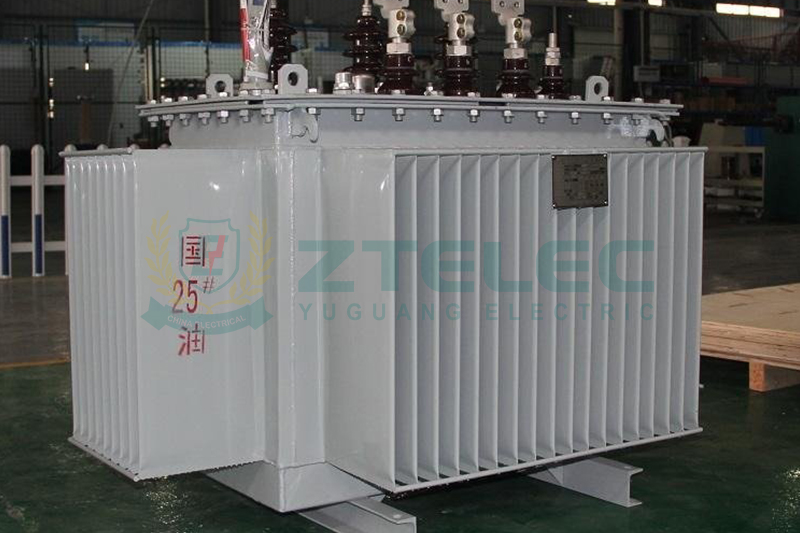
What Determines the Lifespan of an Oil Immersed Transformer?
Under proper operating conditions, a well-maintained oil immersed transformer can provide reliable service for 30 to 40 years or even longer. However, actual lifespan depends on several important operating and environmental factors.
Operating Temperature
Heat is the primary factor affecting transformer longevity. Industry experience shows that every sustained temperature increase of approximately 6°C to 8°C above the design limit can reduce insulation life by nearly half.
Maintaining proper loading levels and efficient cooling is therefore essential for maximizing transformer lifespan.
Moisture Content
Even small amounts of water significantly reduce transformer oil's dielectric strength while accelerating paper insulation deterioration. Moisture also promotes oxidation and the formation of harmful degradation products.
Proper sealing, routine inspection, and moisture control are critical for preserving transformer health.
Overloading
Occasional emergency overloads may be acceptable within manufacturer guidelines, but continuous overloading substantially increases winding temperatures and insulation aging.
Modern utilities increasingly rely on intelligent monitoring systems to optimize transformer loading while preventing excessive thermal stress.
Oil Condition
Transformer oil naturally ages over time due to oxidation, contamination, and thermal degradation. Regular oil analysis allows maintenance personnel to identify developing problems before catastrophic failures occur.
Common diagnostic tests include Dissolved Gas Analysis (DGA), dielectric breakdown voltage testing, moisture content analysis, acidity testing, interfacial tension measurement, and furan analysis for paper insulation assessment.
Environmental Conditions
Extreme ambient temperatures, coastal salt contamination, industrial pollution, dust, humidity, and UV exposure all influence transformer aging.
Routine inspection, cleaning, corrosion protection, and preventive maintenance help minimize environmental damage and improve long-term reliability.
Oil Immersed Transformer vs Dry-Type Transformer
Both oil immersed and dry-type transformers have important roles in modern power systems, but each technology offers distinct advantages.
Oil immersed transformers generally provide superior cooling performance, higher power capacity, greater overload capability, and lower cost per kVA. They are ideal for outdoor substations, utility distribution networks, renewable energy plants, heavy industrial facilities, and mining operations.
Dry-type transformers, on the other hand, require less routine maintenance and eliminate the fire risk associated with mineral oil. They are commonly installed inside hospitals, commercial buildings, office towers, schools, airports, and other occupied facilities where fire safety is the highest priority.
Best Maintenance Practices for Longer Transformer Life
Preventive maintenance remains the most effective strategy for extending transformer service life and minimizing unexpected failures.
Regular transformer oil sampling should be scheduled according to equipment criticality, operating conditions, and manufacturer recommendations. Dissolved Gas Analysis enables early detection of overheating, partial discharge, insulation failure, and internal arcing before serious damage occurs.
Continuous monitoring of top-oil temperature and winding hot-spot temperature helps operators avoid excessive thermal stress. Cooling fans, pumps, radiators, and temperature sensors should also be inspected periodically to ensure proper operation.
Oil filtration, vacuum dehydration, and degassing can restore oil quality by removing moisture, dissolved gases, and contaminants. Maintaining seals, gaskets, conservators, and silica gel breathers further prevents moisture ingress.
Finally, keeping comprehensive maintenance records and trend analysis data enables predictive maintenance, allowing asset managers to plan repairs or replacements before failures impact system reliability.
Oil immersed transformers have powered electrical infrastructure for more than a century because they combine outstanding cooling performance with exceptional electrical insulation in one highly reliable system. Their ability to efficiently dissipate heat, withstand high voltages, and support large power capacities makes them the preferred choice for utilities, industrial facilities, renewable energy projects, and critical infrastructure worldwide.
Understanding transformer cooling methods, insulation technology, oil quality, and maintenance requirements enables operators to maximize equipment reliability while extending service life well beyond three decades. Through regular oil analysis, effective temperature management, and preventive maintenance, an oil immersed transformer remains one of the most dependable and cost-effective investments in modern power distribution systems.
ONAF transformer
transformer cooling
ONAN transformer
il immersed transformer
oil filled transformer
- more+releated article
- 2026-07-25Oil Immersed Transformers Explained: Cooling S
- 2026-07-24Gas Insulated Switchgear (GIS) vs Air Insulate
- 2026-07-23315 KVA Cast Resin Dry Type Transformer – Co
- 2026-07-2233KV GIS Switchgear Installation & Mainten
- 2026-07-21China Dry Type Transformer Export Standards: G
- 2026-07-201000 KVA Oil Filled Transformer for Industrial
- 2026-07-18Inverter Duty Solar Transformers – Key Specs
- 2026-07-18315 KVA Cast Resin Dry Type Transformer for Ho
- 2026-07-162000 kVA Oil-Immersed Transformer: A Reliable
- 2026-07-152026 Prefabricated Substation FAQ: 20 Essentia
- ELECTRICAL INSULATION BOARD MATERIALS
- ELECTRICAL INSULATION MATERIALS
- POWER TRANSFORMER
- ENAMELED WIRE
- SWITCHGEAR



ONAN transformer
transformer cooling
oil filled transformer
il immersed transformer
ONAF transformer
Air Insulated Switchgear
GIS switchgear
AIS vs GIS
GIS advantages
Gas Insulated Switchgear
epoxy resin transformer
Indoor Distribution Transformer
315 KVA Cast Resin Dry Type Transformer
315 kVA dry type transformer
Cast resin transformer
33kV gas insulated switchgear
33KV GIS Switchgear
GIS switchgear installation
dry type transformer export
China dry type transformer standards
GB/T 1094.11
IEC 60076-11
GB/T 10228
1000 KVA oil filled transformer
industrial transformer