
500kVA Substation Buying Guide for 2026
A 500kVA substation is one of the most common power solutions for factories, commercial buildings, residential communities, solar sites and small infrastructure projects. It is large enough to run serious loads, yet compact enough to install quickly and manage on a modest budget.
But choosing the wrong configuration can mean wasted capital, higher losses, delayed commissioning or a unit that cannot handle future growth. This guide walks you through the key decisions for 2026, from sizing and design to standards, cost and supplier evaluation.
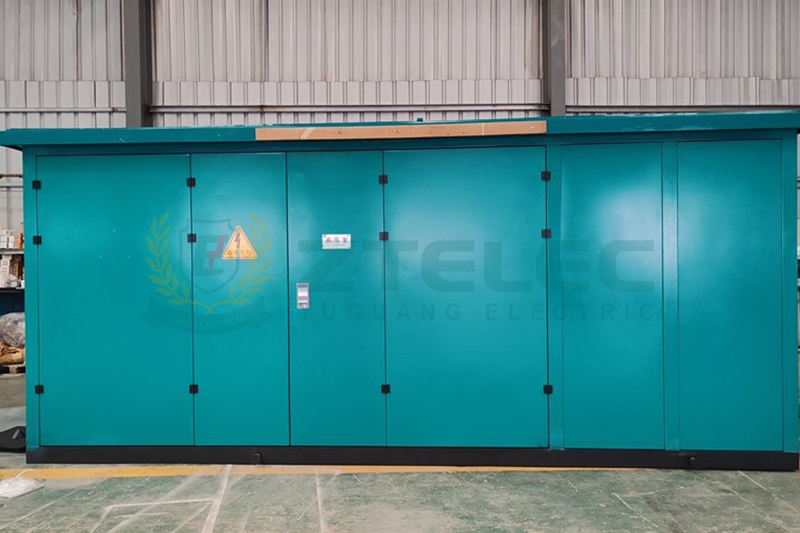
What Is a 500kVA Substation?
A 500kVA substation steps medium voltage down to low voltage and distributes it to your loads. The typical input is 6kV, 10kV, 11kV, 13.8kV, 22kV, 23kV or 33kV, and the typical output is 400V, 415V or 480V.
A complete system normally combines three functional parts: a medium-voltage switching section, a 500kVA transformer, and a low-voltage distribution panel. How these parts are packaged is the first big decision you need to make.
Why 500kVA Is a Popular Rating
At 400V, a 500kVA transformer delivers roughly 720A of full-load current. That suits mid-size workshops, supermarkets, hospitals wings, office towers, water treatment plants and small data rooms.
It also fits solar and storage projects where several smaller inverters feed one step-up or step-down point. Many buyers choose 500kVA because it sits at a sweet spot between cost, footprint and transport convenience.
Step 1: Size the Load Before You Choose the Unit
Calculate Realistic Demand
Start with the connected load, then apply a demand factor. Motors, lighting, HVAC, EV chargers and process equipment rarely run at full power at the same time.
As a rule of thumb, many engineers aim for a normal operating load of 60% to 80% of the transformer rating. Running continuously near 100% shortens insulation life and leaves no room for surprises.
Plan for Growth
If you expect new production lines, charging stations or air conditioning capacity within five years, discuss a 630kVA option or a design that allows a second transformer later. Upgrading early is usually cheaper than replacing an undersized station.
Check Special Load Characteristics
Variable frequency drives, rectifiers, LED lighting banks and UPS systems create harmonics. If harmonic content is high, ask for a harmonic-rated or K-factor transformer instead of a standard design.
Motor starting is another factor. Large motors create inrush current and voltage dips, so share your largest motor size with the supplier.
Step 2: Choose the Right Substation Format
Prefabricated Substation
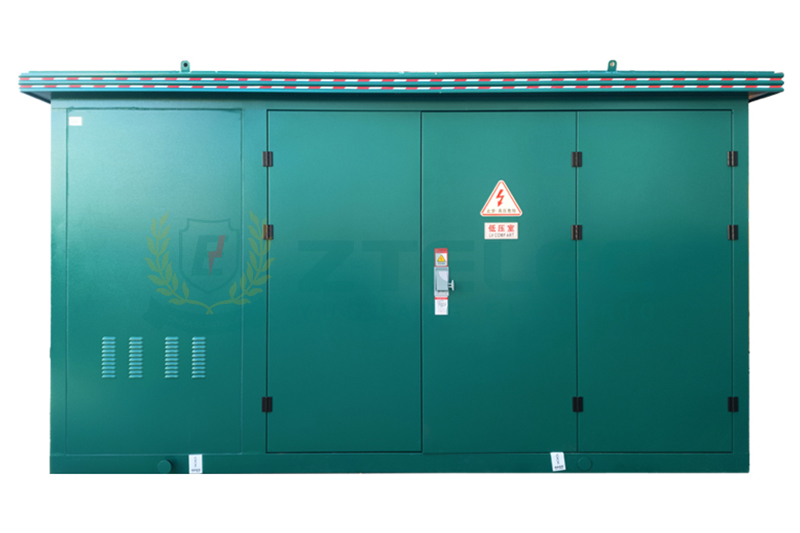
A Prefabricated Substation, also called a packaged, compact or box type substation, houses the medium-voltage equipment, transformer and low-voltage panel in one factory-built enclosure. It is tested before shipping and installed on a simple concrete foundation.
For most 500kVA projects, this is the best choice. Civil work is minimal, commissioning is fast, and the footprint is small compared with a traditional brick-built substation.
Typical advantages include shorter delivery schedules, lower site labor, consistent quality and easy relocation. Enclosures can be made from galvanized steel, stainless steel, aluminum alloy or insulated composite panels depending on the environment.
Pad-Mounted Style
Pad-mounted units are low, tamper-resistant and common in residential and campus networks. They suit loop-feed systems and underground cabling, and work well where visual impact matters.
Conventional Indoor Substation
A traditional room with separate equipment gives maximum flexibility for large or highly customized projects. For a single 500kVA load, however, it often costs more and takes longer than a prefabricated design.
Step 3: Select the Transformer Type
Oil-Immersed Transformer
Oil-immersed units offer excellent cooling, strong overload tolerance and a lower purchase price. They are common in outdoor prefabricated substations, utility networks and industrial sites.
Hermetically sealed designs reduce maintenance because the oil does not contact air. Ester or other high fire-point fluids can be used where fire safety is a concern.
Dry-Type Transformer
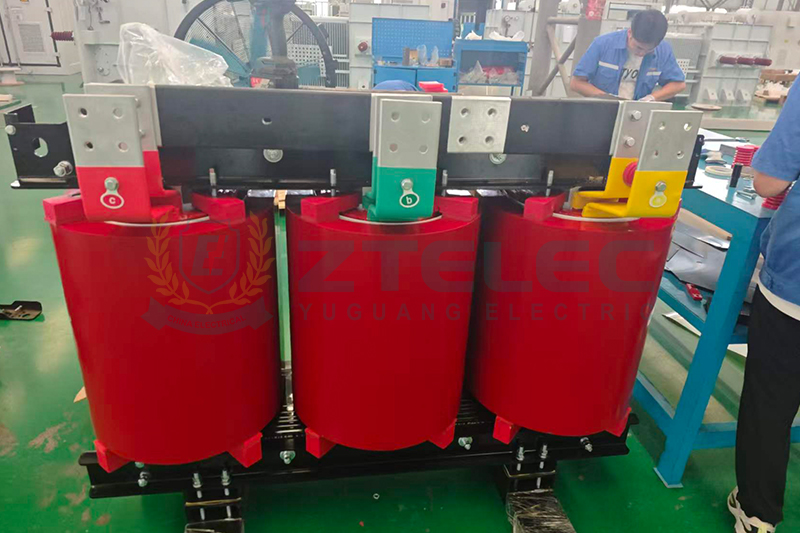
Cast resin dry-type units are preferred inside buildings, basements, hospitals, metro stations and shopping centers. They avoid oil leaks and have strong fire performance, but cost more and are usually larger for the same rating.
Check the insulation class, temperature rise and enclosure rating. If the unit sits in a humid or dusty room, confirm the resin quality and protection level.
Key Transformer Parameters
Ask for the vector group, which is commonly Dyn11 for distribution. Confirm the impedance, typically around 4% to 6% for this size, because it affects fault current and voltage drop.
Review no-load loss and load loss figures too. Lower-loss designs cost more upfront but can save money over twenty years of operation, especially when electricity prices are high.
Step 4: Understand the High-Voltage Switchgear
The medium-voltage side of the substation relies on High-Voltage Switchgear to isolate, protect and control the transformer. In the 6kV to 36kV range, this equipment is commonly called medium-voltage switchgear, but many buyers and search engines still use the high-voltage label.
Ring Main Unit or Switchgear Panel
For utility loop networks, a ring main unit with load break switches and a fused or breaker-protected transformer feeder is the standard solution. Gas-insulated designs are compact and sealed against moisture and pollution.
For industrial customers who need advanced protection, a vacuum circuit breaker panel offers better fault interruption and relay integration. SF6-free and air-insulated options are also increasingly requested in 2026 because of environmental policies.
Protection and Monitoring
Make sure the specification includes overcurrent and earth-fault protection, transformer temperature protection, and clear interlocking between switches and earthing devices. Smart meters, remote terminal units and SCADA-ready interfaces are worth considering if you manage multiple sites.
Always confirm the rated voltage, rated current, short-circuit breaking capacity and internal arc classification. These ratings must match your grid and safety requirements.
Step 5: Pay Attention to the Low-Voltage Panel
The low-voltage section distributes power to the loads. A 500kVA system usually needs a main incoming breaker of about 800A to 1000A, several outgoing feeders, metering and, in many cases, reactive power compensation.
Automatic capacitor banks help keep the power factor near 0.95 or above and avoid utility penalties. If your site has solar or generator backup, discuss changeover or synchronizing arrangements early so the panel layout is correct from the start.
Step 6: Verify Standards and Certification
Standards protect you from poor quality and speed up approvals. Transformers should comply with IEC 60076 or the applicable IEEE or national standard. Prefabricated substations are commonly evaluated against IEC 62271-202, while switchgear should follow IEC 62271 series requirements.
Low-voltage assemblies usually follow IEC 61439. Ask for type test reports, routine test reports and factory acceptance test arrangements.
Many regions also have efficiency rules. In 2026, energy-efficient designs are not just a nice option; they are increasingly required by utilities and public tenders.
Step 7: Match the Design to the Environment
Climate and Altitude
High ambient temperature, humidity, salt spray, sand and snow all affect design. At altitudes above 1000 meters, air is thinner and cooling and insulation performance drop, so derating or special design may be needed.
Enclosure Protection
Choose an enclosure with the right IP rating, typically IP23 to IP54 for outdoor use. Good ventilation, insulation panels and anti-condensation measures help prevent internal moisture problems.
Corrosion Control
Coastal and chemical sites should use stainless steel or heavy-duty coated materials. This small upgrade often prevents expensive repairs.
What Does a 500kVA Substation Cost in 2026?
Prices vary widely because of materials, region, transformer type and the switchgear configuration. A basic oil-immersed prefabricated substation costs less than a dry-type version with a vacuum breaker panel and full monitoring.
The main cost drivers are copper or aluminum windings, silicon steel quality, enclosure material, switchgear brand and protection level. Transport, insurance, import duties and site installation also add to the final figure.
Do not compare quotes on price alone. Check the loss values, warranty, delivery time and scope of supply to make sure each offer includes the same items.
Consider Total Cost of Ownership
A cheaper unit with higher losses can cost more over its lifetime. Because a transformer runs around the clock, even a small reduction in no-load loss adds up quickly.
Include maintenance, spare parts, expected downtime and energy cost when you evaluate options. A well-built substation can serve for twenty-five years or more.
How to Evaluate Suppliers
Manufacturing Capability
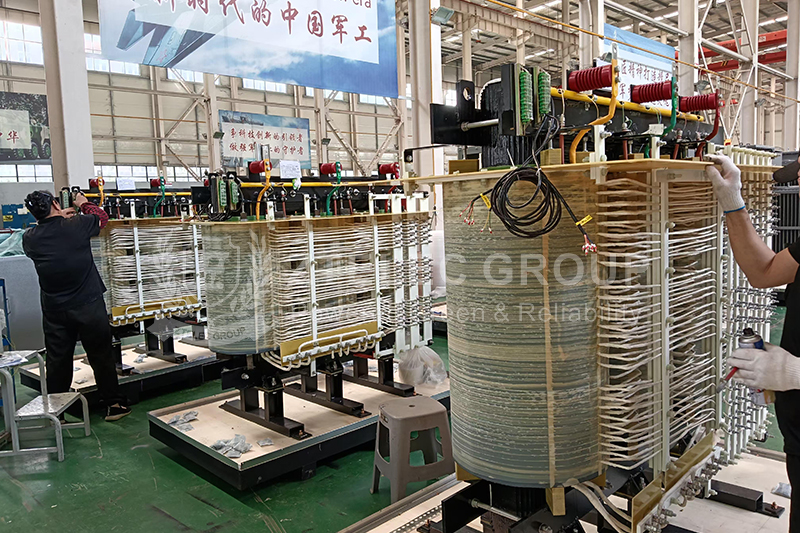
Look for a manufacturer that produces transformers, switchgear and enclosures under one quality system. This reduces interface problems and simplifies responsibility if something goes wrong.
Testing and Quality Control
Ask about the factory test facilities, certifications and sample test reports. A reliable supplier will welcome inspection and provide clear documentation.
Project Experience
Request reference projects in similar climates and voltage classes. Experience with export documentation, packing and international shipping is also valuable.
After-Sales Support
Confirm the warranty period, spare parts availability and technical support response time. Remote guidance during installation and commissioning can save days of delay.
Installation and Commissioning Tips
Prepare a level concrete foundation with cable trenches or ducts before the unit arrives. Check lifting points, crane capacity and access roads in advance.
Earthing is critical. Provide a low-resistance grounding system and verify measurements before energization.
After connection, complete insulation resistance tests, ratio checks, protection relay tests and interlock checks. Record the results for future maintenance.
Common Mistakes to Avoid
One frequent mistake is buying by capacity alone without checking the short-circuit rating of the switchgear. Another is ignoring harmonics, which can cause overheating even when the load looks acceptable.
Buyers also forget to specify the cable entry direction, metering requirements or utility approval needs. These details are simple to solve in the design stage but costly to fix on site.
A Quick Buying Checklist for 2026
Before sending your inquiry, prepare the primary and secondary voltage, frequency, expected load profile and installation location. Add the transformer type, cooling method, vector group and impedance requirement.
Include the preferred switchgear type, protection scheme, enclosure material and IP rating. Also mention applicable standards, delivery port and any special tests you require.
A clear inquiry gets faster and more accurate quotations, and it helps you compare suppliers fairly.
The right 500kVA substation balances load needs, safety, efficiency and lifecycle cost. For most projects, a Prefabricated Substation with a properly specified transformer and reliable High-Voltage Switchgear delivers the best mix of speed, quality and value.
Take time to define your requirements, verify standards and compare suppliers on total value rather than price alone. If you share your voltage, load and site conditions with an experienced manufacturer, you can receive a tailored solution that will serve your project reliably for decades.
prefabricated substation
500kVA substation buying guide
500kVA substation
compact substation
dry-type transformer
- more+releated article
- 2026-11-24500kVA Substation Buying Guide for 2026
- 2026-11-23Top Dry Type Transformer Manufacturers in Chin
- 2026-11-21750 kVA Oil Filled Transformer: Specs and Pric
- 2026-11-20Prefab Substation vs Traditional Build: Cost C
- 2026-11-19Dry Type Transformer Price List 2026: What to
- 2026-11-18Oil Filled Self Cooled Transformer: ONAN Basic
- 2026-11-17What Is a Prefabricated Substation? Types and
- 2026-11-16Cast Resin vs VPI Dry Type Transformers: Key D
- 2026-11-1423 kV Transformer Standards: IEC vs IEEE/ANSI
- 2026-11-13IEC 60076 Transformer Tests: Routine, Type &am
- ELECTRICAL INSULATION BOARD MATERIALS
- ELECTRICAL INSULATION MATERIALS
- POWER TRANSFORMER
- ENAMELED WIRE
- SWITCHGEAR


FR-4 Copper-Free Laminate | High-Performance Insulation Material

FR-4 Copper Clad Laminate Manufacturer & Supplier
prefabricated substation
compact substation
500kVA substation
500kVA substation buying guide
top transformer manufacturers China 2026
cast-resin transformer
dry-type transformer
dry type transformer manufacturers China
750 KVA oil filled transformer
750 kVA transformer price
750 kVA oil immersed transformer
packaged substation
prefab substation
cast-resin transformer price
dry type transformer price list 2026
dry-type transformer price
dry-type transformers
1250kVA epoxy resin cast dry-type transformer price
1250kVA transformer price
what is a prefabricated substation
prefabricated substation types
cast resin vs VPI dry type transformer
VPI transformer
IEC 60076
oil-immersed transformer