
How to Choose the Right GPO-3 Sheet Thickness for Your Electrical Insulation Needs?
In the manufacturing of electrical equipment and the application of power systems, GPO-3 insulation sheets are widely utilized in switchgear, circuit breakers, and busbar systems, thanks to their exceptional flame retardancy, arc resistance, and robust mechanical strength.
Faced with GPO-3 sheets of varying thicknesses, many engineers and procurement specialists often encounter a common dilemma: what thickness should be selected to ensure safety while simultaneously avoiding material waste?
This article will detail the key factors to consider when selecting GPO-3 sheet thickness, helping you strike a sensible balance between safety, performance, and cost.
What is GPO-3 Sheet?
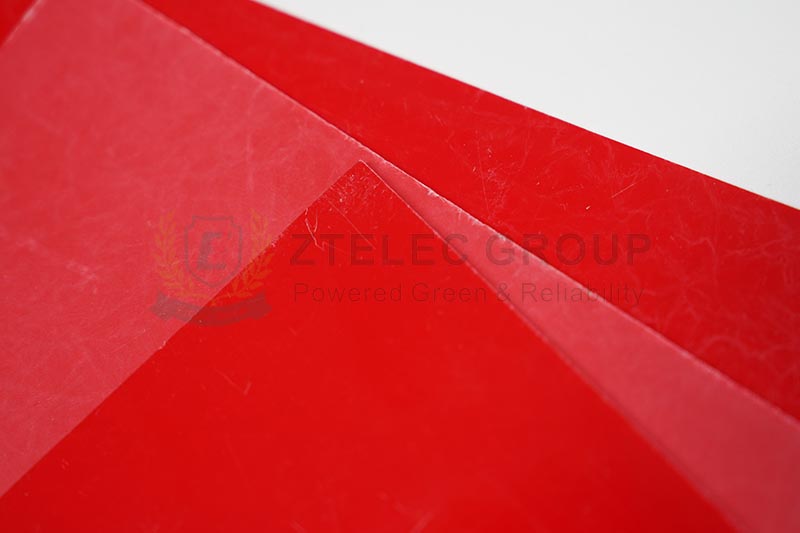
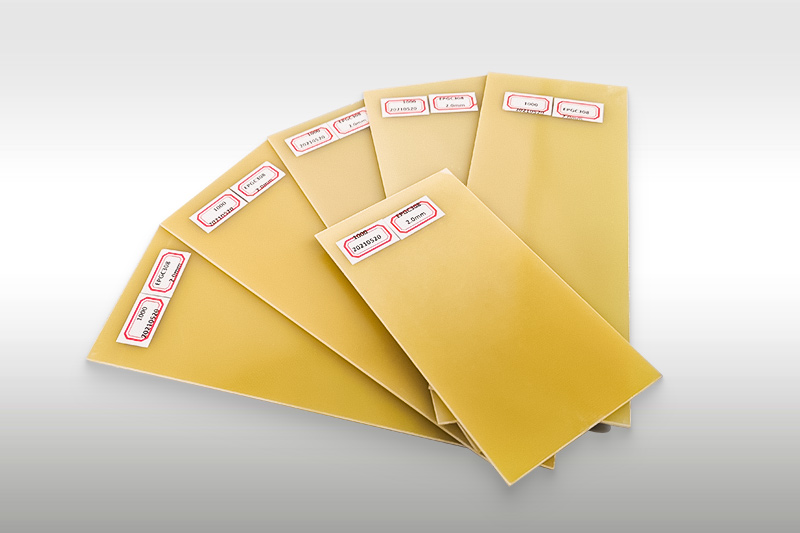
GPO-3 sheet is a rigid composite material manufactured from alkali-free glass fiber mat and polyester resin, produced via molding or continuous lamination processes. Its specific characteristics include:
High dielectric strength
UL94 V-0 flame retardancy rating
Excellent arc resistance
High mechanical strength and impact resistance
Key Factors Determining GPO-3 Sheet Thickness
Selecting the appropriate GPO-3 sheet thickness requires a comprehensive assessment of various aspects, including electrical safety, mechanical load-bearing capacity, and environmental adaptability:
1. Electrical Requirements
This constitutes the primary criterion for selecting sheet thickness. As an insulating material, the fundamental function of GPO-3 is to withstand the equipment's operating voltage as well as any potential transient overvoltages that may occur.
Dielectric Strength (Withstand Voltage): The dielectric strength of GPO-3 is typically expressed in volts per mil (V/mil) or kilovolts per millimeter (kV/mm). Generally, the greater the material thickness, the higher its breakdown voltage.
Safety Margin: When selecting a thickness, one must not solely consider the equipment's rated voltage, and it is also essential to account for potential surges and voltage spikes that may arise within the circuit. The withstand voltage rating of the selected sheet should be no less than 1.5 to 2 times the actual operating voltage.
Creepage Distance and Electrical Clearance: Thicker sheets can effectively increase the surface creepage distance within a confined space, thereby preventing surface flashover phenomena.
2. Mechanical Strength
In addition to its insulating function, GPO-3 sheet is frequently utilized as a structural support component. As such, it must satisfy specific mechanical strength requirements.
Impact Resistance: If a component is required to withstand mechanical shock or vibration (e.g., in circuit breaker operating mechanisms), using sheet material with a thickness of 3 mm or greater is recommended, and its superior toughness helps prevent cracking.
Flexural Strength: For support plates with large spans, the material thickness directly determines their resistance to bending. If the sheet is too thin, it becomes susceptible to bending deformation under the influence of electromagnetic or external forces, potentially leading to insulation failure.
Drilling and Tapping: If internal threads are to be tapped directly into the sheet material, a minimum thickness of 3 mm is recommended to ensure adequate thread engagement and structural integrity.
3. Operating Environment
Environmental conditions can impact the operational performance of GPO-3 sheet. Therefore, the appropriate thickness should be selected with the specific operating environment in mind.
Thermal Aging: GPO-3 sheet typically falls under thermal endurance classes B or F. While material thickness does not directly alter the thermal endurance class itself, prolonged exposure to high-temperature and high-humidity environments can lead to a degradation of material properties. In such harsh environments, increasing the material thickness may be advisable to compensate for this performance attenuation.
Humid Environments: GPO-3 sheet possesses inherent moisture resistance. However, in extremely humid environments, utilizing thicker GPO-3 sheets can effectively extend the moisture absorption path, thereby mitigating the adverse impact of moisture penetration on the material's insulating properties.
4. Processing and Assembly Constraints
In practical manufacturing and assembly operations, the available installation space within the equipment often imposes limitations on the permissible thickness of the sheet material.
Installation Space: The trend toward equipment miniaturization necessitates that insulating components be made as thin as possible. Provided that the required electrical clearances are maintained, one should select the minimum thickness that fully complies with applicable safety standards.
Cutting and Forming: For exceptionally thick sheets—specifically those measuring 12 mm or more—the difficulty associated with cutting and stamping operations increases significantly. Such processes demand more specialized and robust tooling, which can result in higher processing costs.
GPO-3 Sheet Thickness Selection for Various Application Scenarios
1. Low-Voltage Electrical Equipment (≤1kV)
Thickness: 2mm – 5mm
Application: Low-voltage switchgear, control panels, insulating partitions
Advantages: Satisfies basic insulation requirements while keeping material costs under control.
2. Medium-Voltage Equipment (1kV – 10kV)
Thickness: 6mm – 12mm
Application: Medium-voltage switchgear, circuit breaker insulating structural components, busbar supports
Advantages: Provides superior insulation strength and mechanical support capabilities.
3. High-Voltage Applications (>10kV)
Thickness: 15mm – 50mm (or greater)
Application: High-voltage power distribution equipment, arc-isolation structures, high-current support assemblies
Advantages: Meets requirements for arc resistance and structural stability.
From 2.0mm to 50mm—Find the Perfect Fit for Your Needs
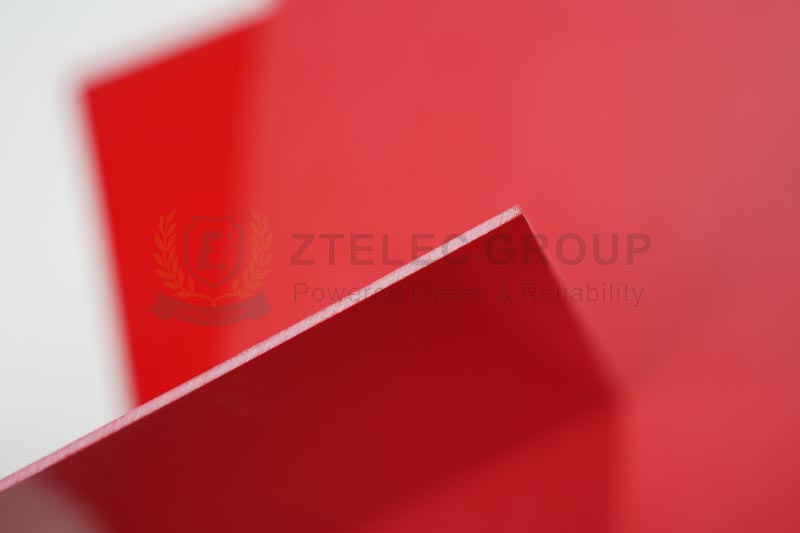
If you still have questions regarding thickness selection, you are welcome to inspect physical samples directly. We maintain a comprehensive inventory of GPO-3 sheets across the entire thickness range and can provide samples of any specific thickness for your testing and verification purposes.
Whether you need sample production or bulk procurement, we can fulfill your requirements.
We look forward to hearing from you!
oil immersed transformer lifespan
oil immersed transformer maintenance
transformer lifecycle
transformer insulation aging
dry type transformer temperature monitoring
- more+releated article
- 2026-05-11How Long Does an Oil-Immersed Transformer Last
- 2026-05-08Modern Power System Dry-Type Transformer Insta
- 2026-05-07Oil-Immersed Transformer Overheating: Causes,
- 2026-05-07Dry-Type Transformers for Data Centers: 2026 R
- 2026-04-30Air-Core Reactor vs Iron-Core Reactor: How to
- 2026-04-29Compact Enclosed Transformer for Smart Grid: T
- 2026-04-2812-Pulse and 24-Pulse Phase-Shifting Transform
- 2026-04-27Oil-Immersed Transformers for Industrial Plant
- 2026-04-25Why Dry-Type Transformers Are Preferred for Ho
- 2026-04-24Enclosed Transformer Outdoor Solutions: IP Pro
- ELECTRICAL INSULATION BOARD MATERIALS
- ELECTRICAL INSULATION MATERIALS
- POWER TRANSFORMER
- ENAMELED WIRE
- SWITCHGEAR

transformer insulation aging
transformer lifecycle
oil immersed transformer lifespan
oil immersed transformer maintenance
dry type transformer installation
dry type transformer temperature monitoring
dry type transformer maintenance
dry type transformer sizing
transformer cooling system failure
transformer overheating causes
oil immersed transformer overheating
transformer oil temperature
harmonic mitigation
dry type transformer
K factor transformer
data center transformer
Cast resin transformer
insulation oil degradation
DGA analysis transformer
transformer fault analysis
oil immersed transformer failure
smart grid transformer
compact enclosed transformer
integrated distribution transformer
compact transformer substation