
How to Distinguish Copper-Clad Aluminum Dry-Type Transformers from Pure Copper Winding Transformers
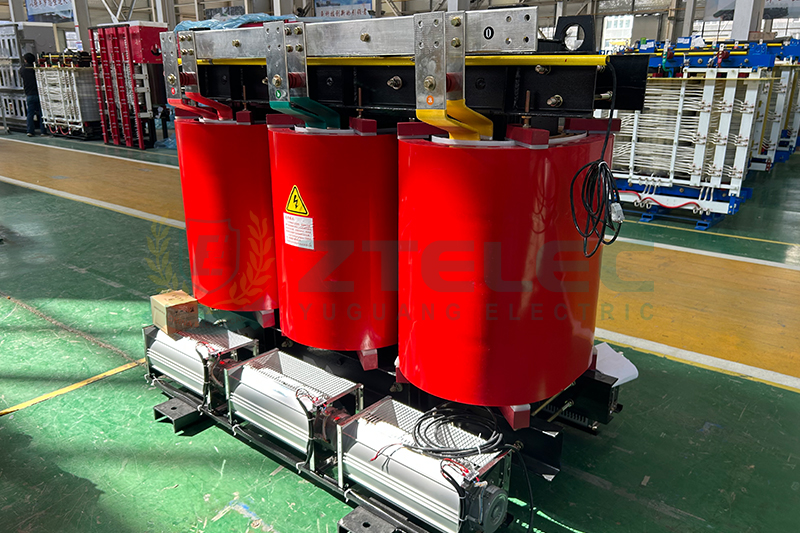
Dry-type transformers are among the most critical components in power distribution systems. With the continuously high price of copper, some manufacturers have introduced copper-clad aluminum (CCA) winding conductors to reduce costs. Although copper-clad aluminum dry-type transformers may meet short-term operational requirements, they can introduce long-term reliability risks and safety hazards. Therefore, for engineers, EPC contractors, and procurement managers, correctly distinguishing between copper-clad aluminum and genuine copper winding transformers is essential for ensuring stable and safe power system operation.
What Is a Copper-Clad Aluminum Winding?
Copper-clad aluminum conductors consist of an aluminum core coated with a thin outer layer of copper. This composite structure combines certain characteristics of both metals. The conductor appearance is similar to pure copper, the weight is significantly lighter, and the manufacturing cost is lower. However, electrical conductivity remains between that of aluminum and copper, which directly affects transformer performance and thermal stability.
Essential Differences Between Copper-Clad Aluminum and Pure Copper Windings
Conductivity Performance
Copper conductivity is approximately 58 MS/m, while aluminum is around 36 MS/m. To achieve the same current-carrying capacity, aluminum-based conductors require a much larger cross-sectional area. Even with copper cladding, copper-clad aluminum windings cannot match the electrical efficiency of pure copper windings, resulting in higher losses and reduced efficiency.
Thermal Expansion Characteristics
Copper and aluminum have significantly different coefficients of thermal expansion. During repeated load cycles, expansion and contraction create mechanical stress within copper-clad aluminum connections. Over time, this may produce gaps at joints, increase contact resistance, and lead to localized overheating or insulation damage.
Mechanical Strength and Reliability
Aluminum has lower tensile strength and weaker creep resistance than copper. In long-term operation, copper-clad aluminum windings are more prone to loosening, deformation, and reduced structural stability, which may eventually affect transformer reliability.
Key Risk: Some copper-clad aluminum transformers are marketed as “copper conductor transformers.” In reality, only a thin copper layer covers the aluminum core. Purchasing such equipment at the price of pure copper windings leads to both financial loss and potential safety hazards.
How to Identify Copper-Clad Aluminum Dry-Type Transformers
1. Cross-Section Inspection Method
Observe the conductor cross-section by stripping insulation or checking exposed ends. Pure copper windings show a consistent reddish metallic color throughout. Copper-clad aluminum conductors display a copper-colored outer layer and a silvery aluminum core. This is the most direct and reliable identification method.
2. Weight Comparison Method
The density of copper is approximately 8.9 g/cm³, while aluminum is about 2.7 g/cm³. For transformers with identical specifications, copper winding units are significantly heavier. An unusually lightweight transformer should raise caution during inspection.
3. Resistance Testing Method
Using a precision resistance meter, measure winding resistance. Pure copper windings exhibit lower resistance, whereas copper-clad aluminum windings show noticeably higher values. Compare results with design parameters for verification.
4. Documentation Verification
Carefully review technical specifications, factory test reports, and material declarations. Check whether documents clearly state “Copper Winding” or indicate “CCA” or “Copper Clad Aluminum.” Reliable manufacturers transparently specify conductor materials.
5. Price Evaluation Method
Because copper costs significantly more than aluminum, transformers with copper windings typically cost 15% to 40% more. A price substantially below market average often indicates the possibility of copper-clad aluminum conductors.
When Is Copper-Clad Aluminum Acceptable?
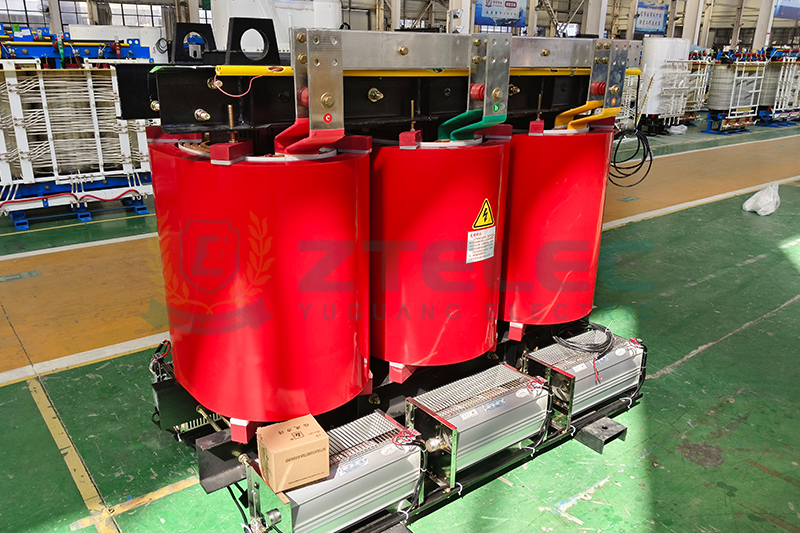
Although pure copper windings are recommended for most industrial and critical infrastructure applications, copper-clad aluminum may be considered in limited scenarios such as temporary power supply systems, short-term construction projects, or applications with stable loads and lower reliability requirements.
How to Avoid Purchasing Copper-Clad Aluminum Transformers
Specify Material Requirements in Contracts
The technical agreement should clearly state that winding conductors must be oxygen-free copper. The contract should also prohibit the use of aluminum or copper-clad aluminum conductors and include penalty clauses for non-compliance.
Factory Production Supervision
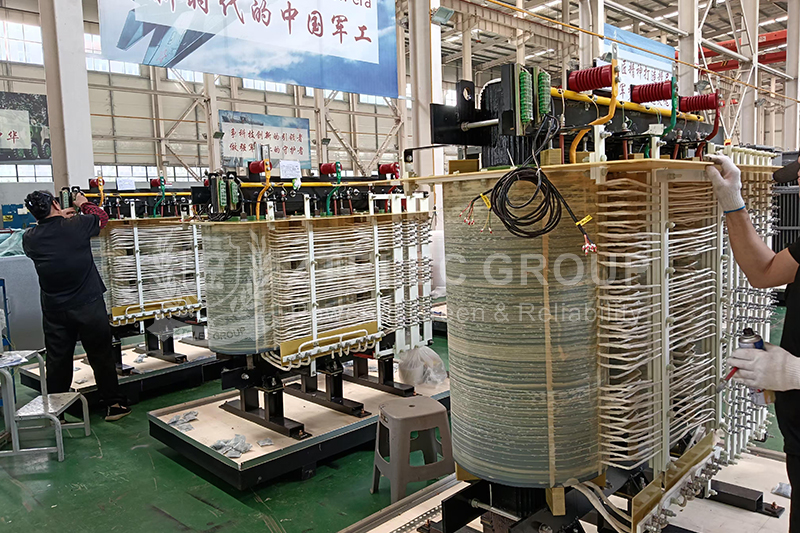
For large-scale projects, sending inspectors to witness the winding process is recommended. If aluminum conductors are observed instead of copper, production should be halted immediately.
Request Material Certification
Procurement teams should request raw material purchase invoices and mill certificates. Batch numbers should match the actual transformer production records to ensure traceability.
Choosing the correct winding material directly affects transformer efficiency, safety, and service life. While copper-clad aluminum dry-type transformers may offer short-term cost savings, they introduce long-term operational risks. During procurement, strict material verification and supplier evaluation are essential. Always select reputable manufacturers and follow proper acceptance procedures to avoid hidden safety hazards in power distribution systems.
If you are looking for reliable copper-winding dry-type transformers or need technical support for material verification, please contact us for professional consultation and accurate project quotations.
oil immersed transformer lifespan
oil immersed transformer maintenance
transformer lifecycle
transformer insulation aging
dry type transformer temperature monitoring
- more+releated article
- 2026-05-11How Long Does an Oil-Immersed Transformer Last
- 2026-05-08Modern Power System Dry-Type Transformer Insta
- 2026-05-07Oil-Immersed Transformer Overheating: Causes,
- 2026-05-07Dry-Type Transformers for Data Centers: 2026 R
- 2026-04-30Air-Core Reactor vs Iron-Core Reactor: How to
- 2026-04-29Compact Enclosed Transformer for Smart Grid: T
- 2026-04-2812-Pulse and 24-Pulse Phase-Shifting Transform
- 2026-04-27Oil-Immersed Transformers for Industrial Plant
- 2026-04-25Why Dry-Type Transformers Are Preferred for Ho
- 2026-04-24Enclosed Transformer Outdoor Solutions: IP Pro
- ELECTRICAL INSULATION BOARD MATERIALS
- ELECTRICAL INSULATION MATERIALS
- POWER TRANSFORMER
- ENAMELED WIRE
- SWITCHGEAR
transformer insulation aging
transformer lifecycle
oil immersed transformer lifespan
oil immersed transformer maintenance
dry type transformer installation
dry type transformer temperature monitoring
dry type transformer maintenance
dry type transformer sizing
transformer cooling system failure
transformer overheating causes
oil immersed transformer overheating
transformer oil temperature
harmonic mitigation
dry type transformer
K factor transformer
data center transformer
Cast resin transformer
insulation oil degradation
DGA analysis transformer
transformer fault analysis
oil immersed transformer failure
smart grid transformer
compact enclosed transformer
integrated distribution transformer
compact transformer substation