
Dry-Type Transformer Cleaning: Procedures, Risks, and Maintenance Essentials
Dry-type transformers are widely used in industrial manufacturing, commercial buildings, data centers, rail transit, and renewable energy power systems due to their high safety, low maintenance requirements, and suitability for indoor installation. Although dry-type transformers do not require oil maintenance like oil-immersed units, regular cleaning remains essential for ensuring reliable operation. The accumulation of dust, metal particles, moisture, and industrial contaminants can affect heat dissipation and increase insulation failure risks. Therefore, establishing standardized cleaning procedures and maintenance plans is particularly important.
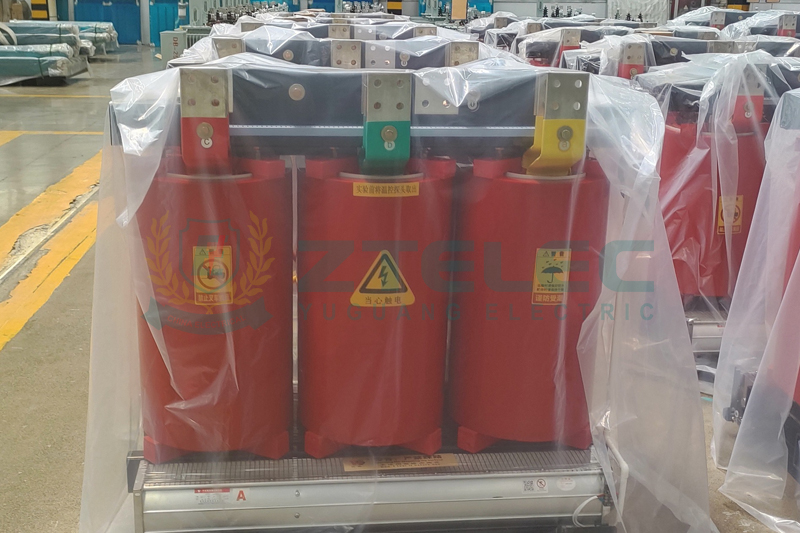
Why Dry-Type Transformers Require Regular Cleaning
In real operating environments, dry-type transformers are typically exposed to air, with windings and cores directly in contact with surrounding conditions. Dust in the air gradually deposits on winding surfaces and inside ventilation ducts, forming an insulating layer that restricts airflow. When heat cannot dissipate effectively, winding temperature rises, insulation materials age faster, and equipment lifespan is shortened.
In industrial scenarios, the air may also contain metal powder, chemical vapors, or oil mist. These contaminants can attach to insulation surfaces, potentially reducing dielectric strength and increasing the risk of partial discharge. In high-humidity environments, dust combined with moisture may form conductive paths, which in severe cases can lead to phase-to-phase flashover or grounding faults.
Therefore, regular cleaning not only improves heat dissipation but also reduces electrical failure probability, making it a critical part of dry-type transformer maintenance.
Preparation Before Cleaning a Dry-Type Transformer
Before cleaning, the transformer must be completely de-energized, and standard safety isolation procedures must be followed. Both primary and secondary power sources should be disconnected, warning tags installed, and voltage absence confirmed using testing equipment. Maintenance personnel should wear insulated gloves, dust masks, and safety goggles to avoid dust inhalation and accidental contact risks.
The cleaning environment is also important. Maintenance should preferably be carried out in dry weather, avoiding high humidity conditions, as moisture may condense on insulation surfaces. If the transformer is installed in a closed electrical room, ventilation systems should be activated in advance to ensure air circulation and reduce dust resettlement during cleaning.
Standard Cleaning Procedure for Dry-Type Transformers
A proper cleaning procedure reduces equipment damage and improves maintenance efficiency. First, perform a visual inspection to check for insulation cracks, loose components, or burn marks. If abnormalities are found, they should be recorded and evaluated before continuing with cleaning.
Next, use an industrial vacuum cleaner to remove surface dust. The vacuum should be equipped with anti-static hoses and non-metallic nozzles to avoid damaging winding insulation. Cleaning is usually performed from top to bottom, starting with the core area, then moving to windings and bottom sections to prevent dust from falling onto already cleaned areas.
For firmly attached contaminants, dry compressed air can be used. Air pressure should be controlled within an appropriate range to prevent insulation damage or conductor displacement. The airflow direction should remain consistent, guiding dust toward exhaust outlets or vacuum equipment to minimize secondary contamination.
If oil or chemical deposits are present, a specialized electrical cleaning agent may be applied locally. Maintain a safe spraying distance and avoid liquid penetration into insulation. After cleaning, allow sufficient time for complete drying before further inspection.
Common Risks During Cleaning
Although cleaning is a routine maintenance task, certain risks remain. One common issue is insulation damage caused by improper tools. Using hard brushes or metal tools may scratch insulation surfaces and reduce dielectric strength. Another risk involves excessive compressed air pressure, which may deform conductors or strip insulation.
Static electricity is also a factor. In dry environments, airflow and dust friction may generate static charges that could affect sensitive insulation components. Anti-static equipment and protective gloves should be used to mitigate this risk.
Additionally, moisture entering the equipment may reduce insulation performance. Cleaning in humid environments allows dust and moisture to combine, forming conductive paths and increasing partial discharge risks. Therefore, humidity should be controlled, and insulation testing performed after cleaning.
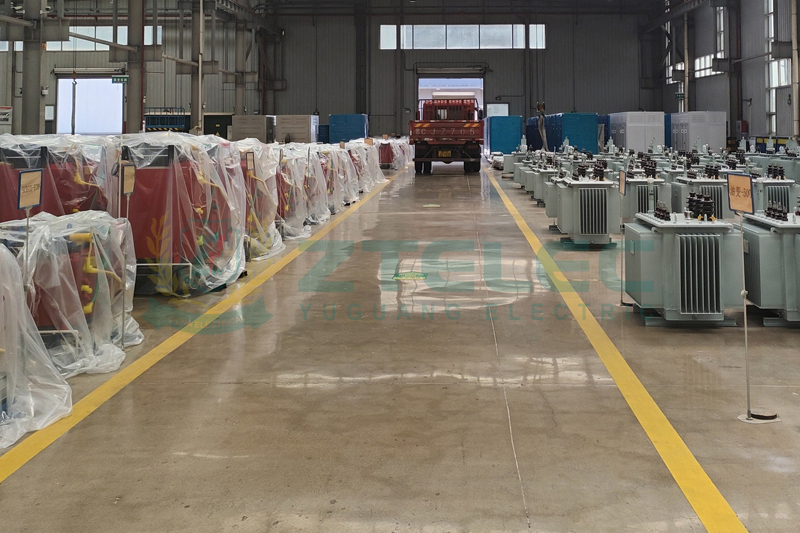
Inspection and Testing After Cleaning
After cleaning, a comprehensive inspection should be conducted. Confirm that all connections are secure, ventilation paths are clear, and no tools or foreign objects remain inside. Insulation resistance testing should then be performed and compared with pre-cleaning values to evaluate effectiveness.
The temperature control system should also be checked, including sensors, cooling fans, and alarm devices. Cleaning may affect fan blades or sensor positioning, so proper operation must be verified. If the transformer is equipped with a monitoring system, historical temperature curves should be reviewed to confirm stable performance.
Once all parameters are normal, the transformer can be re-energized. During initial operation, temperature rise should be monitored closely to confirm improved cooling performance and absence of abnormal vibration or noise.
Recommended Cleaning Intervals for Different Environments
The cleaning interval for dry-type transformers depends on operating conditions. In commercial buildings or office environments with relatively clean air, cleaning once every 12 months is generally sufficient. For industrial plants or mining sites with heavy dust, inspection and cleaning every 6 months is recommended.
In coastal or high-humidity areas, maintenance cycles should be shortened due to salt mist and moisture accelerating insulation aging. Facilities such as data centers or hospitals, which require high reliability, typically implement stricter maintenance schedules combined with online monitoring systems.
Maintenance Tips to Extend Transformer Service Life
In addition to regular cleaning, maintaining a proper installation environment is essential. Electrical rooms should provide adequate ventilation and prevent direct dust entry. Installing dust filters can significantly reduce contamination, but they must be cleaned or replaced regularly to avoid airflow restriction.
Operating under proper load conditions is also important. Long-term overloading increases winding temperature and accelerates insulation aging. Monitoring load changes through temperature control systems and distributing loads appropriately reduces maintenance frequency and improves reliability.
Maintaining detailed service records should not be overlooked. Recording cleaning dates, environmental conditions, and test data helps analyze operating trends and identify potential issues early. For critical projects, infrared temperature measurement and partial discharge testing can be integrated into a comprehensive maintenance strategy.
Cleaning dry-type transformers is a key maintenance measure for ensuring long-term stable operation. Through standardized cleaning procedures, appropriate maintenance intervals, and effective safety measures, failure risks can be reduced and service life extended. Especially in high-load or harsh environments, regular cleaning significantly improves cooling performance and insulation condition, providing a reliable foundation for power systems. Establishing a scientific maintenance plan and adjusting it according to operating conditions is essential for efficient transformer operation.
oil immersed transformer lifespan
oil immersed transformer maintenance
transformer lifecycle
transformer insulation aging
dry type transformer temperature monitoring
- more+releated article
- 2026-05-11How Long Does an Oil-Immersed Transformer Last
- 2026-05-08Modern Power System Dry-Type Transformer Insta
- 2026-05-07Oil-Immersed Transformer Overheating: Causes,
- 2026-05-07Dry-Type Transformers for Data Centers: 2026 R
- 2026-04-30Air-Core Reactor vs Iron-Core Reactor: How to
- 2026-04-29Compact Enclosed Transformer for Smart Grid: T
- 2026-04-2812-Pulse and 24-Pulse Phase-Shifting Transform
- 2026-04-27Oil-Immersed Transformers for Industrial Plant
- 2026-04-25Why Dry-Type Transformers Are Preferred for Ho
- 2026-04-24Enclosed Transformer Outdoor Solutions: IP Pro
- ELECTRICAL INSULATION BOARD MATERIALS
- ELECTRICAL INSULATION MATERIALS
- POWER TRANSFORMER
- ENAMELED WIRE
- SWITCHGEAR



transformer insulation aging
transformer lifecycle
oil immersed transformer lifespan
oil immersed transformer maintenance
dry type transformer installation
dry type transformer temperature monitoring
dry type transformer maintenance
dry type transformer sizing
transformer cooling system failure
transformer overheating causes
oil immersed transformer overheating
transformer oil temperature
harmonic mitigation
dry type transformer
K factor transformer
data center transformer
Cast resin transformer
insulation oil degradation
DGA analysis transformer
transformer fault analysis
oil immersed transformer failure
smart grid transformer
compact enclosed transformer
integrated distribution transformer
compact transformer substation