
Dry-Type Transformer Customization Guide: How to Choose the Right Manufacturer
What Is a Dry-Type Transformer and Why Is Customization Important?
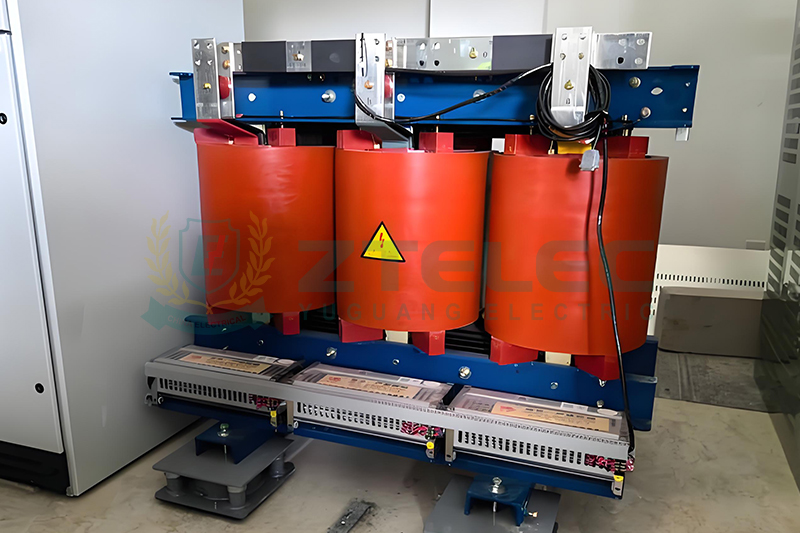
A dry-type transformer is a power transformer that uses air or solid insulation materials instead of insulating oil for cooling and insulation. Compared with oil-immersed transformers, dry-type transformers offer advantages such as no oil leakage risk, strong flame resistance, reduced maintenance requirements, and improved environmental safety. These features make them widely used in commercial buildings, metro systems, hospitals, data centers, offshore platforms, and other installations where fire safety and reliability are critical.
However, different industries and installation environments require different voltage levels, capacity ratings, insulation classes, enclosure protection levels, and dimensional constraints. Standard models often cannot meet these diverse requirements. This is why dry-type transformer customization services have become increasingly important. Choosing the right customization manufacturer directly affects equipment reliability, project compliance, and total lifecycle cost.
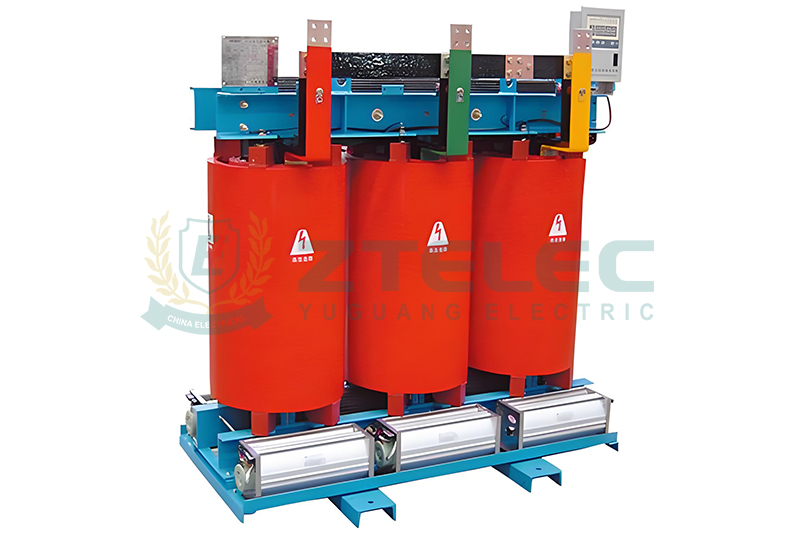
Define Core Requirements Before Requesting Customization
Before contacting a dry-type transformer manufacturer, buyers should prepare a clear technical requirement document. A well-defined specification helps shorten quotation time, reduces design revisions, and ensures accurate engineering solutions.
Typical requirement parameters include rated capacity in kVA and load type, primary and secondary voltage levels, installation environment such as indoor or outdoor, altitude, ambient temperature and humidity, insulation class and cooling method, enclosure protection rating such as IP20 or IP54, dimensional limitations, weight requirements, transportation restrictions, applicable standards including IEC 60076 or GB/T 10228, and certification requirements.
Five Key Factors When Evaluating a Custom Dry-Type Transformer Manufacturer
Certification and Compliance
Choose manufacturers that hold valid production licenses and whose products have passed full type testing from recognized laboratories. Compliance with IEC, ANSI, or GB standards ensures operational reliability and regulatory acceptance.
Engineering and Design Capability
A true customization provider should have an independent engineering team capable of delivering calculation reports, winding design drawings, and thermal analysis. This distinguishes genuine custom design from simple modification of standard products.
Quality Control System
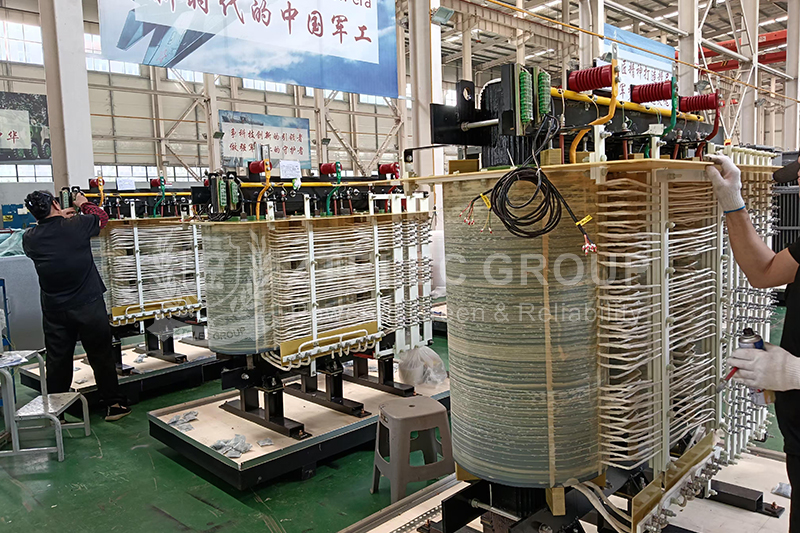
Reliable manufacturers implement strict inspection procedures including core material testing, winding process control, resin casting monitoring, and final routine tests such as no-load loss, load loss, impedance, and insulation resistance.
Delivery and After-Sales Support
Custom dry-type transformers typically require four to twelve weeks of production. Contracts should specify delivery milestones and technical support commitments, including commissioning assistance, maintenance manuals, and spare parts availability.
Project Experience
Review reference projects with similar capacity and industry application. Proven experience in sectors such as rail transit, petrochemical, renewable energy, or data centers indicates strong engineering capability.
Key Technical Parameters for Dry-Type Transformer Customization
Insulation System and Temperature Rise
Common insulation classes include Class F and Class H. For high ambient temperature environments or overload applications, Class H insulation combined with temperature protection devices such as PTC or PT100 sensors is recommended. Cast resin transformers provide better moisture resistance and mechanical strength, while VPI transformers offer improved heat dissipation.
No-Load Loss and Load Loss
Transformer efficiency is determined by core loss and copper loss. These values directly affect operating costs over the entire service life. It is recommended to specify efficiency requirements aligned with energy efficiency standards and request loss calculation sheets for comparison.
Noise Level
Noise performance is critical for installations in hospitals and commercial buildings. Standard dry-type transformers typically operate between 45 and 65 dB(A). Low-noise designs may include sound enclosures or optimized core structures, which may influence cooling requirements and cost.
Procurement Best Practices for Custom Dry-Type Transformers
All suppliers should quote based on the same technical specification to ensure fair comparison. Material differences such as copper versus aluminum windings and silicon steel grade significantly affect pricing. Understanding these variations helps achieve accurate cost evaluation.
Common Mistakes to Avoid
Focusing only on price may result in reduced material quality or incomplete testing. Ignoring delivery timelines can affect project schedules. Copying parameters from other projects without analyzing grid conditions may lead to improper design. Neglecting maintenance considerations may increase total ownership cost.
Frequently Asked Questions About Dry-Type Transformer Customization
Minimum Order Quantity
Most manufacturers support single-unit customization, although small capacity units may have higher per-unit costs.
Typical Lead Time
Standard capacity transformers usually require four to eight weeks, while large or special designs may require up to sixteen weeks.
How to Evaluate Design Capability
Request preliminary calculation sheets including core dimensions, winding structure, and thermal design. Professional manufacturers can typically provide these within a few working days.
Dry-Type vs Oil-Immersed Transformer Customization
Dry-type transformers are ideal for indoor and fire-sensitive environments, while oil-immersed transformers may offer cost advantages for large outdoor installations. Selection should consider installation conditions, capacity requirements, and local regulations.
Selecting the right dry-type transformer customization service requires clear requirements, qualified manufacturers, and verified technical parameters. Early involvement of experienced engineers or EPC contractors helps ensure optimal design. By following these evaluation criteria, buyers can select a reliable partner and achieve long-term operational efficiency.
oil immersed transformer lifespan
oil immersed transformer maintenance
transformer lifecycle
transformer insulation aging
dry type transformer temperature monitoring
- more+releated article
- 2026-05-11How Long Does an Oil-Immersed Transformer Last
- 2026-05-08Modern Power System Dry-Type Transformer Insta
- 2026-05-07Oil-Immersed Transformer Overheating: Causes,
- 2026-05-07Dry-Type Transformers for Data Centers: 2026 R
- 2026-04-30Air-Core Reactor vs Iron-Core Reactor: How to
- 2026-04-29Compact Enclosed Transformer for Smart Grid: T
- 2026-04-2812-Pulse and 24-Pulse Phase-Shifting Transform
- 2026-04-27Oil-Immersed Transformers for Industrial Plant
- 2026-04-25Why Dry-Type Transformers Are Preferred for Ho
- 2026-04-24Enclosed Transformer Outdoor Solutions: IP Pro
- ELECTRICAL INSULATION BOARD MATERIALS
- ELECTRICAL INSULATION MATERIALS
- POWER TRANSFORMER
- ENAMELED WIRE
- SWITCHGEAR


transformer insulation aging
transformer lifecycle
oil immersed transformer lifespan
oil immersed transformer maintenance
dry type transformer installation
dry type transformer temperature monitoring
dry type transformer maintenance
dry type transformer sizing
transformer cooling system failure
transformer overheating causes
oil immersed transformer overheating
transformer oil temperature
harmonic mitigation
dry type transformer
K factor transformer
data center transformer
Cast resin transformer
insulation oil degradation
DGA analysis transformer
transformer fault analysis
oil immersed transformer failure
smart grid transformer
compact enclosed transformer
integrated distribution transformer
compact transformer substation