
How to Select a Transformer for a Solar Power Plant: Sizing, Type and Specification
The transformer is one of the most critical components in a solar power plant. It converts the low voltage output from inverters into the medium or high voltage required for grid connection. A poorly selected transformer can cause energy losses, overheating, or even limit how much power the plant can actually deliver.
This article walks through the key decisions involved in selecting a transformer for a solar project: how to size it correctly, which type fits different plant configurations, and which specifications matter most during procurement.
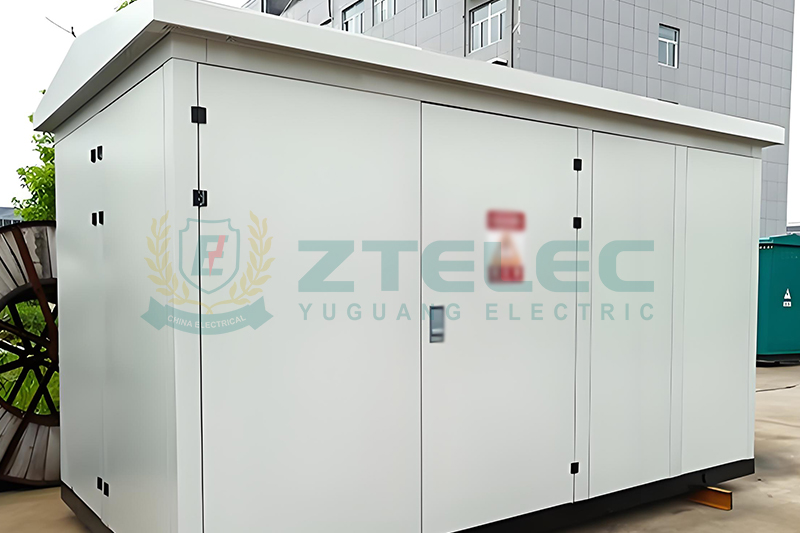
Why Transformer Selection Matters in Solar Projects
Solar plants operate under conditions that differ from typical industrial loads. Output varies constantly with sunlight, ambient temperature swings are often extreme, and the plant may sit in a remote location with limited maintenance access. A transformer chosen without accounting for these factors can underperform for the entire life of the project, often 20 to 25 years.
Correct selection affects three things directly: energy yield, long-term reliability, and total cost of ownership. Because transformer losses occur continuously during daylight hours, even small efficiency differences add up to meaningful revenue impact over the project lifetime.
Step 1: Understand the Plant Configuration
Centralized vs String Inverter Architecture
Solar plants generally use one of two inverter architectures, and this choice affects transformer selection. Centralized architecture uses a small number of large inverters, each paired with a dedicated step-up transformer. String or distributed architecture uses many smaller inverters, often combined into a shared transformer station or skid.
Centralized plants typically need fewer, larger transformers, while distributed plants need more units at lower individual capacity. This changes not only sizing but also logistics, spare parts strategy, and maintenance planning.
Grid Connection Voltage
The required output voltage depends on the interconnection point specified by the utility or grid operator. This may range from 11 kV for smaller distribution-level plants to 33 kV, 66 kV, or higher for utility-scale projects connecting directly to transmission infrastructure.
Step 2: Size the Transformer Correctly
Base Capacity Calculation
Transformer capacity is typically based on the total inverter AC output capacity, not the DC array size. Because inverters already limit AC output, the transformer rating is usually matched closely to the sum of connected inverter capacities, with a modest margin for future flexibility.
Oversizing and DC/AC Ratio
Many solar plants use a DC to AC ratio above 1.1, meaning the DC array is intentionally larger than the inverter's AC rating to capture more energy during low-irradiance periods. This does not usually require oversizing the transformer beyond the inverter's AC capacity, since the inverter itself caps peak output.
Ambient Temperature Derating
Many solar plants operate in hot climates or enclosed skid environments where ambient temperature exceeds standard reference conditions. When ambient temperature is higher than the transformer's design basis, the loading capacity must be derated according to the manufacturer's temperature correction curves. Skipping this step is one of the most common sizing mistakes in solar projects.
Altitude Considerations
Projects at high altitude experience reduced air density, which lowers the cooling effectiveness of naturally air-cooled transformers. Above roughly 1000 meters, altitude correction factors typically apply and should be confirmed with the manufacturer during specification.
Step 3: Choose the Right Transformer Type
Dry Type Transformers
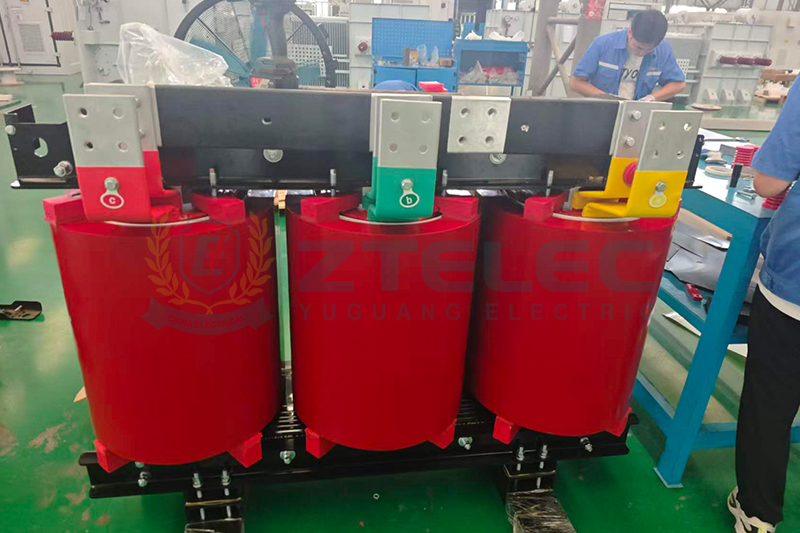
Dry type transformers, including cast resin designs, are commonly used in solar skids and containerized inverter stations. They avoid the fire risk and environmental concerns of liquid-filled units, which matters in enclosed or populated areas. They also require less maintenance, since there is no insulating oil to sample or replace.
Oil-Filled Transformers
Oil-filled transformers remain common for larger substation-level step-up transformers, particularly at the plant's main grid interconnection point. They generally offer better performance at higher power ratings and can be more cost-effective at utility scale, though they require oil containment, fire protection measures, and periodic oil testing.
Choosing Between the Two
Smaller distributed transformers close to inverters, especially inside compact skids, usually favor dry type designs for safety and low maintenance. Large central step-up transformers at the substation, handling the plant's full output, more often use oil-filled designs due to their higher capacity efficiency.
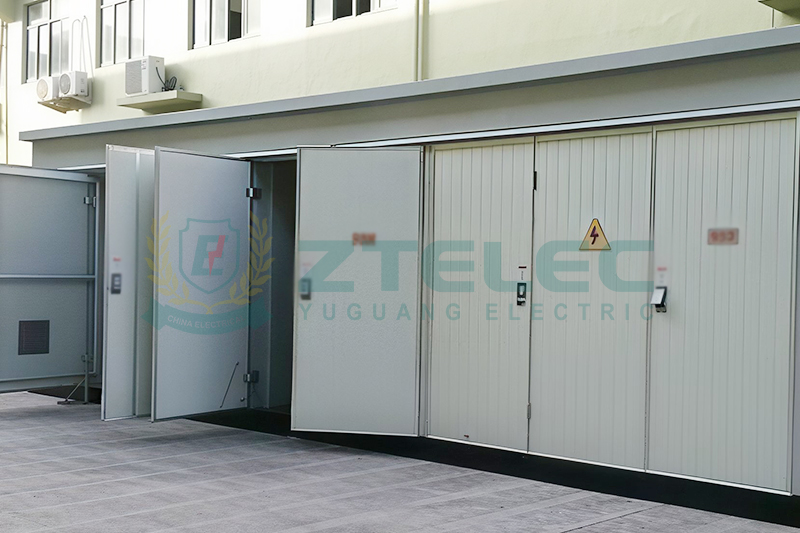
Step 4: Define the Key Specifications
Voltage Ratio and Vector Group
The transformer's primary and secondary voltage ratings must match the inverter output voltage and the required grid connection voltage. The vector group, often Dyn11 for step-up applications, should align with the plant's grounding and protection scheme.
Impedance
Impedance affects fault current levels and voltage regulation under varying solar output. It should be selected in coordination with the plant's protection relay settings and short-circuit study, rather than left at a generic default value.
Cooling Method
Dry type transformers may use natural air cooling (AN) or forced air cooling (AF) for higher loading. Oil-filled units commonly use ONAN or ONAF cooling classes. The cooling method chosen affects both capacity and long-term reliability in high ambient temperature sites.
Enclosure and Protection Rating
For outdoor or skid-mounted transformers, the enclosure protection rating must match the site environment, accounting for dust, humidity, and exposure to rain. Coastal or desert sites often require enhanced corrosion or dust protection beyond standard ratings.
Efficiency Class
Because solar transformers operate continuously whenever the plant is generating, even a small efficiency improvement compounds significantly over 20-plus years. Many utility-scale projects specify amorphous core or low-loss transformer designs to reduce no-load losses during long daylight hours of partial loading.
Step 5: Plan for Harmonics and Inverter Interaction
Inverters introduce some level of harmonic distortion into the electrical system. Transformers connected directly to inverter output should be evaluated for harmonic withstand capability, since excessive harmonics can increase losses and heating beyond standard sinusoidal load assumptions.
Working with the inverter manufacturer's harmonic data during transformer specification helps avoid unexpected thermal issues after commissioning.
Step 6: Consider Maintenance and Lifecycle Costs
Solar plants are often located in remote areas with limited site staff. Transformer choice should reflect the realistic maintenance capability of the operations team. Dry type units generally require less routine maintenance, which can be valuable for distributed inverter stations spread across a large site.
Total cost of ownership should include not just the purchase price, but also expected losses over the plant's operating life, spare parts availability, and the cost of unplanned downtime if a unit fails during peak generation season.
Common Mistakes to Avoid
One frequent mistake is sizing the transformer purely on DC array capacity rather than actual AC output, leading to unnecessary oversizing and cost. Another is ignoring ambient temperature or altitude derating, which can cause a transformer to run hotter than expected and shorten its service life. Specifying impedance without coordinating with the protection study is also a common oversight that surfaces only after commissioning testing begins.
Selecting the right transformer for a solar power plant requires more than matching a kVA number to inverter output. Plant architecture, ambient conditions, transformer type, and detailed electrical specifications all influence long-term performance and reliability. Taking the time to size and specify the transformer correctly during the design phase helps protect energy yield and avoid costly issues once the plant is in commercial operation.
PV transformer selection
transformer sizing solar
solar power plant transformer
solar step up transformer
dry type transformer sizing chart
- more+releated article
- 2026-09-23How to Select a Transformer for a Solar Power
- 2026-09-22Dry Type Transformer Sizing Chart: How to Sele
- 2026-09-22ZTELEC Opens Day 1 at Enlit Asia x MKI Electri
- 2026-09-21Ring Main Unit vs Switchgear: Key Differences
- 2026-09-20Dry Type Transformer vs Oil Filled: Which Shou
- 2026-09-18What Is a Ring Main Unit (RMU)? Function, Purp
- 2026-09-17Dry Type Transformer Maintenance: What You Act
- 2026-09-16What Is an Oil Immersed Transformer? Construct
- 2026-09-15Oil Immersed vs Dry Type Transformer: Which Is
- 2026-09-14Dry Type Transformer Manufacturers: 10-Point S
- ELECTRICAL INSULATION BOARD MATERIALS
- ELECTRICAL INSULATION MATERIALS
- POWER TRANSFORMER
- ENAMELED WIRE
- SWITCHGEAR


FR-4 Copper-Free Laminate | High-Performance Insulation Material

FR-4 Copper Clad Laminate Manufacturer & Supplier
solar step up transformer
solar power plant transformer
transformer sizing solar
PV transformer selection
kVA rating selection
how to size a transformer
dry type transformer sizing chart
Jakarta power exhibition
dry type transformer
Enlit Asia 2026
ZTelec
Oil immersed transformer
MKI Electricity Connect
ring main unit vs switchgear
Medium Voltage Switchgear
RMU vs switchgear
RMU
Ring Main Unit
dry type transformer vs oil filled
ring main unit function
ring main unit working principle
dry type transformer maintenance
transformer inspection checklist
cast resin transformer maintenance
oil filled transformer