
Prefabricated Substation Price and HS Code: Procurement Guide for Global Buyers
Prefabricated substations, also called compact or package substations, combine a transformer, switchgear, and low voltage distribution equipment inside a single enclosure. They are widely used for construction sites, commercial buildings, renewable energy projects, and industrial facilities that need fast, space-efficient power distribution.
For international buyers, two questions come up again and again during procurement: what should the unit actually cost, and which HS code applies when importing it. This guide addresses both, along with practical steps to avoid customs delays and pricing surprises.
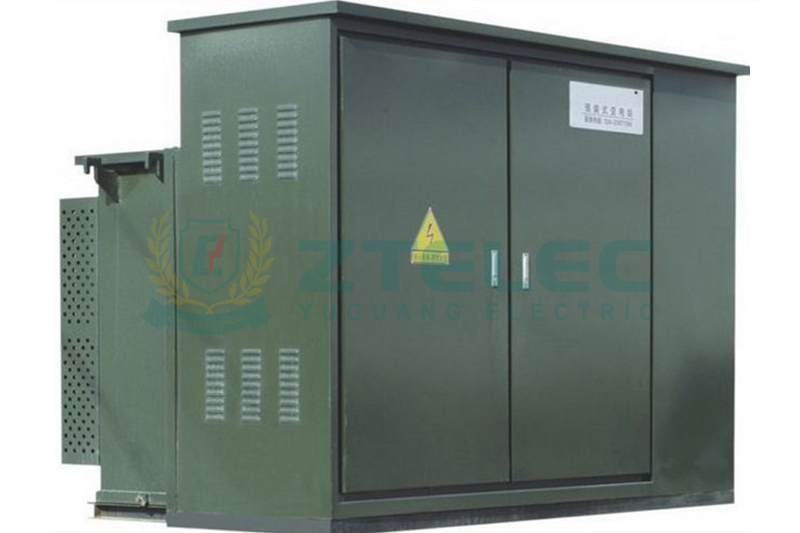
What Is a Prefabricated Substation
A prefabricated substation is a factory-assembled power distribution package. It typically houses a step-down or step-up transformer, medium voltage switchgear, low voltage panels, and protection devices inside a steel enclosure or concrete shell. The entire unit is built, tested, and shipped as one package, which reduces on-site installation time compared to assembling each component separately.
These substations are commonly rated from a few hundred kVA up to several megawatts, and can be designed for indoor, outdoor, or underground applications depending on the project.
Key Factors That Drive Prefabricated Substation Price
Transformer Capacity and Type
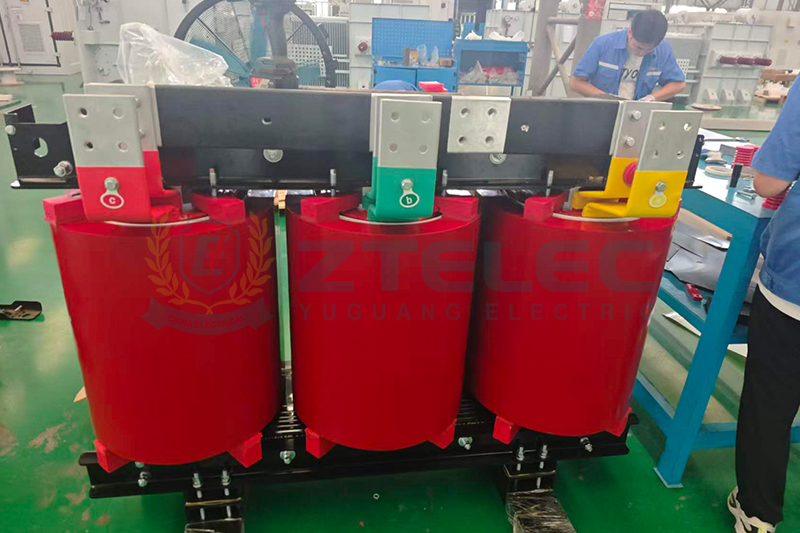
The transformer is usually the single largest cost component inside the enclosure. Capacity, voltage ratio, insulation class, and whether the unit uses a dry type or oil-filled transformer all affect price significantly. Dry type transformers are common in populated or fire-sensitive locations, while oil-filled units are often used where higher capacity and lower cost per kVA matter more.
Switchgear Configuration
Medium voltage switchgear inside the substation can range from basic load-break switches to full vacuum circuit breaker panels with protection relays. More switchgear panels, more feeder circuits, and advanced protection schemes all add cost.
Enclosure Type and Material
Enclosures vary from simple steel kiosk designs to reinforced concrete shells rated for underground or heavy-duty outdoor use. Concrete enclosures generally cost more than steel but offer better fire resistance and noise attenuation, which matters for installations near occupied buildings.
Protection and Automation Level
Basic units with manual switching cost less than substations equipped with remote monitoring, SCADA integration, or automatic transfer switches. Projects requiring smart grid compatibility or remote diagnostics should expect a noticeably higher price.
Testing and Certification
Factory acceptance testing, third-party witness testing, and certification to specific national or international standards add both cost and lead time. Export projects, in particular, often require certification aligned with the destination country's grid code.
Typical Price Behavior by Capacity Range
Rather than quoting fixed prices, which shift constantly with steel, copper, and freight markets, it helps to understand how cost generally scales with capacity.
Small Capacity Units (Below 630kVA)
These are common for construction sites, small commercial buildings, and temporary power needs. Price per kVA tends to be higher in this range because fixed costs, such as enclosure fabrication and basic switchgear, are spread across a smaller transformer.
Mid-Range Capacity (630kVA to 2000kVA)
This is the most common range for commercial buildings, light industrial plants, and distributed renewable energy projects. Price per kVA generally improves compared to smaller units, and this range also sees the widest variation in configuration, since customers frequently customize switchgear panel count and automation features.
Larger Capacity Units (Above 2000kVA)
Larger prefabricated substations serve industrial plants, data centers, and utility-scale renewable projects. Price per kVA often reaches its most efficient point here, but total project cost rises due to transport logistics, larger foundations, and extended lead times for custom engineering.
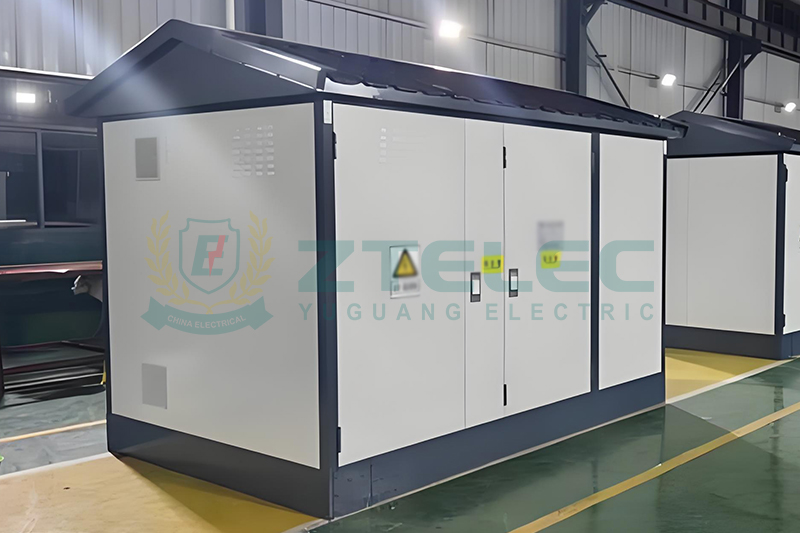
Understanding HS Code Classification for Prefabricated Substations
HS code classification for prefabricated substations can be more complex than for a single product, because the package combines multiple components that each have their own natural classification under the Harmonized System.
Why There Is No Single Universal Code
Transformers are generally classified under heading 8504, which covers electrical transformers, static converters, and inductors. Switchgear, distribution boards, and control panels for voltage above 1000V typically fall under heading 8537, which covers boards and panels equipped with switching or control apparatus. Because a prefabricated substation contains both a transformer and switchgear in one enclosure, customs authorities in different countries do not always classify the complete package the same way.
Common Classification Approaches
Some customs authorities classify the complete prefabricated substation under 8537, treating it as a switchgear-based control and distribution assembly, especially when the switchgear and control functions are considered the essential character of the product. Others may require the transformer and switchgear components to be declared and classified separately, particularly if they are shipped as separate modules for site assembly rather than as one fully integrated unit.
Why the Correct Code Matters
Getting the HS code wrong can lead to incorrect duty calculation, customs delays, or penalties for misclassification. Duty rates can differ meaningfully between headings and between individual tariff lines within the same heading, depending on voltage class and specific sub-classification.
Practical Steps for Buyers
Buyers should request the manufacturer's proposed HS code as part of the quotation, since experienced suppliers who export regularly usually have classification history for their specific product line. It is also worth requesting a binding tariff classification ruling from the destination country's customs authority for large or recurring orders, since this removes ambiguity before shipment.
Working with a licensed customs broker in the destination country is strongly recommended, especially for first-time imports or high-value shipments. Classification rules, applicable duty rates, and any free trade agreement preferences vary by country and can change over time, so relying on outdated online references alone is risky for a real transaction.
Documentation Buyers Should Request
Beyond the HS code itself, buyers should request a detailed commercial invoice describing the transformer rating, switchgear configuration, and enclosure type separately, even if the unit ships as one package. A packing list with component-level weights and dimensions helps both customs clearance and site logistics planning. Test certificates and compliance documents should also be requested in advance, since some destination countries require these at the point of import rather than after delivery.
How to Compare Supplier Quotes Fairly
When comparing quotes from different manufacturers, confirm that transformer type, switchgear panel count, protection scheme, and enclosure material are genuinely equivalent. A lower headline price is often the result of a lower transformer insulation class, fewer switchgear panels, or a lighter-duty enclosure rather than better value.
Ask each supplier to provide a breakdown separating the transformer, switchgear, enclosure, accessories, testing, and shipping cost. This makes it far easier to identify where price differences actually come from, rather than comparing two lump-sum totals that may not represent the same scope of supply.
Common Mistakes to Avoid
One frequent mistake is assuming a single HS code applies universally across all destination countries, when in practice classification can vary by jurisdiction and by how the unit is shipped. Another is overlooking testing and certification costs during initial price comparison, only to find them added later as change orders. Buyers also sometimes underestimate transport and site logistics costs for larger units, which can be substantial for concrete-enclosure designs.
Prefabricated substation pricing depends on transformer capacity, switchgear configuration, enclosure type, automation level, and testing scope, not capacity alone. HS code classification adds another layer of complexity, since these units combine components that can fall under different tariff headings depending on the destination country's customs practice. Requesting a detailed price and classification breakdown from suppliers, and confirming HS code guidance with a licensed customs broker, helps global buyers avoid costly surprises during both procurement and import clearance.
prefabricated substation price
prefabricated substation HS code
solar power plant transformer
PV transformer selection
solar step up transformer
- more+releated article
- 2026-09-24Prefabricated Substation Price and HS Code: Pr
- 2026-09-23How to Select a Transformer for a Solar Power
- 2026-09-22Dry Type Transformer Sizing Chart: How to Sele
- 2026-09-22ZTELEC Opens Day 1 at Enlit Asia x MKI Electri
- 2026-09-21Ring Main Unit vs Switchgear: Key Differences
- 2026-09-20Dry Type Transformer vs Oil Filled: Which Shou
- 2026-09-18What Is a Ring Main Unit (RMU)? Function, Purp
- 2026-09-17Dry Type Transformer Maintenance: What You Act
- 2026-09-16What Is an Oil Immersed Transformer? Construct
- 2026-09-15Oil Immersed vs Dry Type Transformer: Which Is
- ELECTRICAL INSULATION BOARD MATERIALS
- ELECTRICAL INSULATION MATERIALS
- POWER TRANSFORMER
- ENAMELED WIRE
- SWITCHGEAR


FR-4 Copper-Free Laminate | High-Performance Insulation Material

FR-4 Copper Clad Laminate Manufacturer & Supplier
prefabricated substation HS code
prefabricated substation price
transformer sizing solar
solar step up transformer
solar power plant transformer
PV transformer selection
how to size a transformer
kVA rating selection
dry type transformer sizing chart
Jakarta power exhibition
MKI Electricity Connect
Oil immersed transformer
dry type transformer
Enlit Asia 2026
ZTelec
Ring Main Unit
Medium Voltage Switchgear
ring main unit vs switchgear
RMU vs switchgear
RMU
dry type transformer vs oil filled
ring main unit function
ring main unit working principle
cast resin transformer maintenance
dry type transformer maintenance