
Chinese Transformer Factory Tour: Behind the Scenes of Production
Buying a transformer is a long-term decision. The unit may run for 25 years or more, so the factory behind it matters as much as the price on the quotation.
This Chinese transformer factory tour walks you through each production stage, from raw materials to final shipment. It also shows what global buyers should look for during a visit or a remote audit.
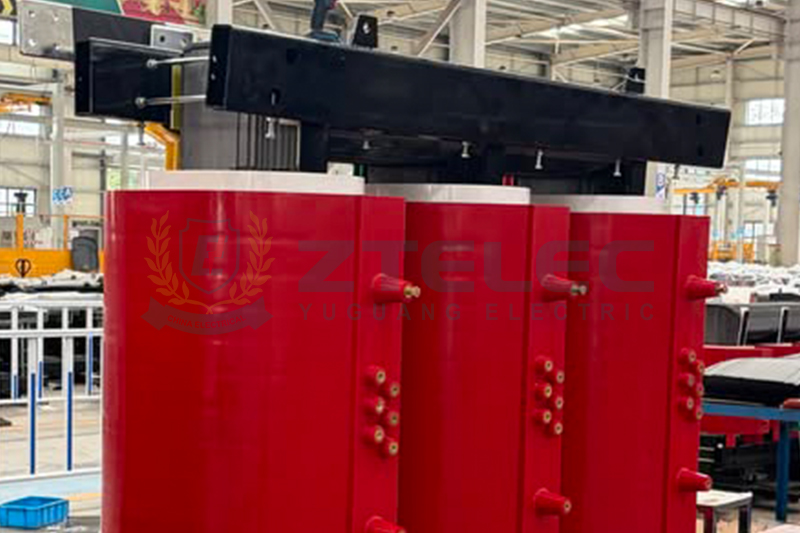
Why Visit a Chinese Transformer Factory?
China is one of the largest transformer manufacturing bases in the world. Its supply chain covers silicon steel, copper, insulation materials, bushings and tap changers, often within a few hours of each other.
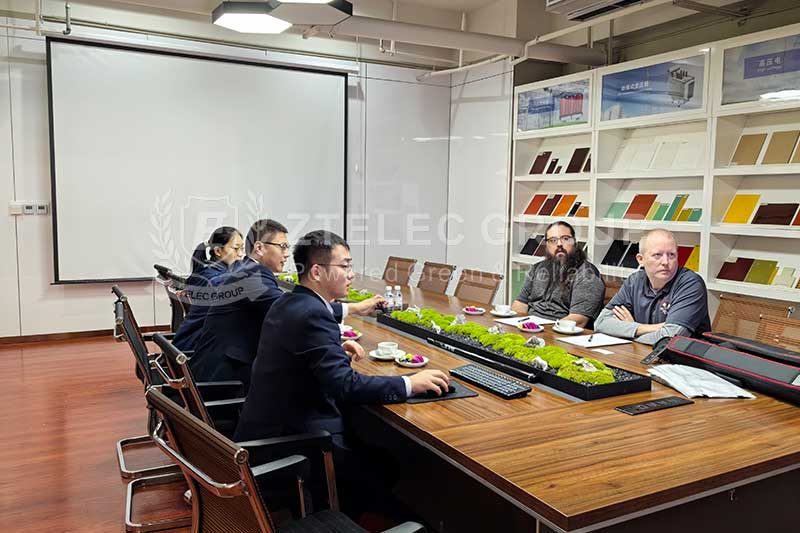
A factory visit lets you confirm real capacity, process control and testing ability. Photos and brochures cannot show these details. Many buyers say a single day on the shop floor tells them more than months of email.
Arrival and Factory Layout
A well-run plant is organized by process flow. Materials enter at one end, move through cutting, winding, assembly and testing, and finished units leave at the other end.
Look for clear walkways, marked storage zones and clean workstations. Winding and insulation areas should be dry and dust controlled. Disorder in these areas often signals weak quality management.
Raw Materials and Incoming Inspection
Production starts at the warehouse. The main materials are cold-rolled grain-oriented silicon steel, copper or aluminum conductors, insulation paper, epoxy resin, transformer oil and structural steel.
Each batch should go through incoming inspection. Typical checks include steel thickness and loss data, conductor dimensions and resistivity, and oil breakdown voltage. Good factories keep batch records so every material can be traced to a finished unit.
Silicon Steel Cutting and Core Stacking
The core carries the magnetic flux, so its quality directly affects no-load loss. Silicon steel coils are fed into automatic cutting lines that produce laminations with precise angles, usually in a step-lap pattern.
Operators then stack the laminations layer by layer. Tight joints and clean edges reduce noise and losses. Modern lines use burr control and edge coating checks, and larger plants may use fully automated stacking for consistent results.
Coil Winding: The Heart of the Process
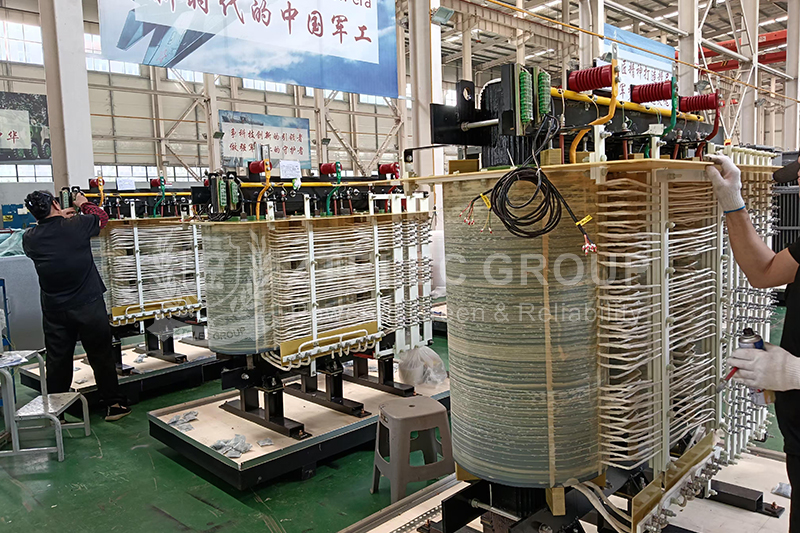
Winding is where a transformer takes shape. Low voltage coils are often wound from copper foil or strip, while high voltage coils use round or flat wire wound in layers or discs.
Precision matters here. Tension, spacing and turn count must match the design exactly. Automatic winding machines improve consistency, and each coil is measured after winding to confirm dimensions and resistance.
Vacuum Casting for Cast Resin Transformers
For dry type units, the high voltage coil moves to the casting room. Coils are placed in molds and filled with epoxy resin under vacuum, which removes air bubbles and prevents partial discharge later.
After filling, the coils cure in ovens under controlled temperature and time. The result is a solid, moisture resistant coil with strong short-circuit strength. A visit to this area shows how well the factory controls cleanliness and curing cycles.
Tank Fabrication for Oil Immersed Transformers
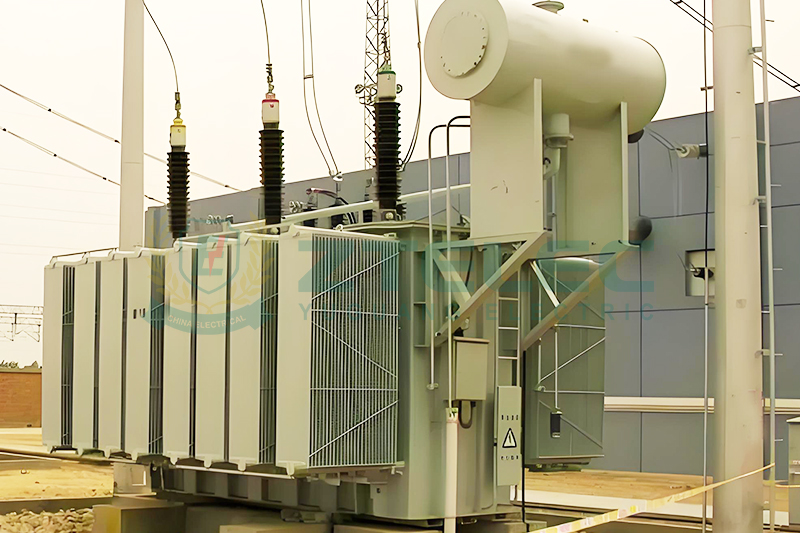
Oil immersed units need a sealed tank and cooling system. Steel plates are cut, welded and formed into tanks, and radiators or corrugated fins are added for heat dissipation.
Weld quality is critical. Reliable factories perform leak tests on every tank, often using pressure or vacuum methods. Surface preparation, such as shot blasting, comes before painting so the coating lasts in harsh environments.
Drying and Insulation Treatment
Moisture is a major enemy of insulation. Before final assembly, active parts of oil immersed transformers go through vacuum drying, often in a vapor phase drying oven or a similar system.
The process removes water from paper and pressboard. Operators monitor temperature, vacuum level and moisture output to confirm the insulation is fully dry. Skipping or shortening this step can shorten transformer life significantly.
Core and Coil Assembly
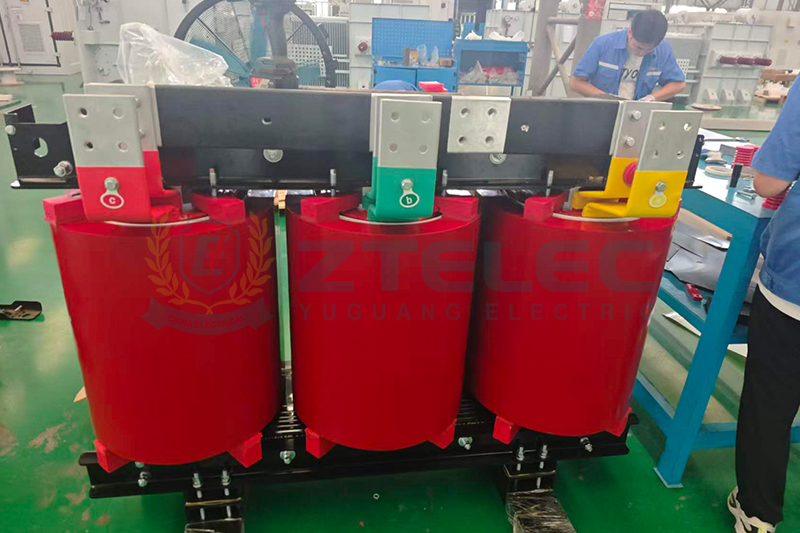
Next, coils are placed on the core legs, and the top yoke is inserted. Clamping frames hold everything in place and resist the mechanical forces created by short circuits.
Connections are then made to the tap changer and bushings. Skilled technicians handle this stage, and clean gloves and tools are standard. Every joint is checked for contact quality, since a poor connection can cause overheating in service.
Final Assembly and Oil Filling
For oil immersed transformers, the active part is lifted into the tank. The tank is sealed, evacuated and filled with filtered transformer oil under vacuum. This keeps air and moisture out of the insulation system.
For dry type units, the enclosure, cooling fans, temperature controller and terminals are installed. Both types receive nameplates showing rating, voltage, impedance, vector group and serial number.
The Testing Laboratory
The testing hall is often the most impressive part of a factory tour. Every transformer should pass routine tests before it leaves the plant.
Common routine tests include winding resistance, turns ratio, vector group, no-load loss and current, load loss and impedance, applied voltage and induced voltage. Dry type units also undergo partial discharge measurement.
Ask to see the test bay, calibration certificates and test reports. Reliable manufacturers issue a report for each unit and can share it with the customer.
Type Tests and Special Tests
Beyond routine tests, some designs require type tests such as temperature rise, lightning impulse and short-circuit withstand. These tests prove that the design itself meets the standard.
Not every factory owns a full high-power laboratory. Many use accredited third-party labs. What matters is that valid reports exist for the design you are buying, or a similar one, under standards like IEC 60076 or IEC 60076-11.
Painting, Packing and Shipping
After testing, units are cleaned and painted or inspected for final surface finish. Coating thickness and adhesion checks matter for coastal, humid or desert installations.
Packing is often underestimated. Export units need strong wooden crates or steel frames, moisture protection, shock indicators and lifting points marked clearly. Good packing prevents damage during long sea voyages and port handling.
Quality Management and Certifications
Ask which management systems the factory follows. Common ones include ISO 9001 for quality, ISO 14001 for environment and ISO 45001 for occupational safety.
Product certifications also help. Depending on your market, look for IEC test reports, CE marking, KEMA or similar third-party approvals. Certificates should match the product model, not just the company.
Technology and Automation on the Shop Floor
Modern Chinese plants increasingly use automation. Examples include CNC cutting lines, robotic welding, digital winding control and barcode tracking for every component.
Automation improves repeatability, but skilled workers remain essential. The best factories combine both, and they train operators regularly. A stable, experienced workforce is a good sign of a reliable supplier.
What to Check During Your Factory Visit
Bring a simple checklist so you get the most from the tour. Focus on facts you can observe and verify.
First, confirm the factory owns its winding, casting and testing equipment rather than outsourcing key steps. Second, review test records and traceability for a recent order. Third, ask how the team handles design changes, delays and after-sales issues.
Finally, meet the engineers, not only the sales team. Their answers to technical questions reveal the depth of the company.
Remote Factory Tours and Video Audits
If travel is difficult, ask for a live video tour. A good supplier can walk you through each workshop in real time and show a unit under test.
You can also hire a third-party inspection company to audit the plant and witness testing. This is a common and cost-effective option for first-time orders.
In-Process Quality Control
Quality control should not wait until the testing hall. Strong factories inspect at every stage, from core stacking to coil measurement and pre-assembly checks.
Look for inspection tags, signed travelers and data sheets attached to each job. These records show who did what and when. If a problem appears later, the team can trace it back to the exact batch and process step.
Engineering and Customization Support
Many projects need special ratings, tap ranges, enclosures or temperature limits. A capable factory has an in-house design team that uses modern software to calculate losses, temperature rise and short-circuit strength.
During your tour, ask to meet the designers. Ask how they optimize cost and efficiency, and how they meet local energy efficiency rules such as Tier 2 or regional loss limits. Clear answers show real engineering depth.
Environmental and Safety Practices
Responsible manufacturers manage waste oil, resin residue and metal scrap carefully. They also train workers in lifting, high voltage testing and fire safety.
Visible safety signs, protective equipment and controlled test areas are simple indicators of a disciplined operation. Safe factories also tend to deliver more consistent quality.
Common Mistakes Buyers Make
Some buyers focus only on price and skip the factory review. Others accept sample photos without asking for test reports. Both habits can lead to costly surprises after delivery.
Avoid these errors by defining specifications early, asking for reference projects and confirming the testing plan in the contract. A short audit before the first order can prevent long disputes later.
Packaging Documents and After-Sales Service
A good factory does not stop at shipment. It should provide a full document set, including test reports, drawings, manuals, packing list and certificates of origin.
Ask about warranty terms, spare parts and technical support. Reliable suppliers respond quickly to installation questions and keep records of every unit they ship, which helps if you need service years later.
Frequently Asked Questions
How long does a transformer take to manufacture in China?
Standard dry type transformers often take about 3 to 6 weeks. Larger oil immersed or custom units may take 8 to 16 weeks, depending on design, materials and factory workload.
Can I witness testing before shipment?
Yes. Most established manufacturers allow customer or third-party witness testing. Arrange the dates when you place the order so the schedule fits both sides.
What standards do Chinese factories follow?
Leading exporters build to IEC standards and can also meet ANSI, IEEE or local requirements when specified. Always state the standard clearly in your purchase order.
See the Process, Trust the Product
A Chinese transformer factory tour shows the full story behind each unit, from the first steel sheet to the final test report. Strong process control, honest testing and clear documentation are the marks of a dependable supplier.
Whether you visit in person or online, use this guide to ask better questions and compare suppliers with confidence. The more transparent a factory is during the tour, the more likely it is to deliver reliable transformers for your project.
Chinese transformer factory tour
transformer factory China
Transformer Manufacturing Process
dry type transformer production
China National Day holiday 2026
- more+releated article
- 2026-09-30Chinese Transformer Factory Tour: Behind the S
- 2026-09-302026 China National Day Holiday Notice from zt
- 2026-09-29Oil Immersed vs. Dry Type Transformer: Which O
- 2026-09-29ZTELEC Group Debuts at Data Centre World Singa
- 2026-09-28Dry Type Transformer Manufacturers: How to Eva
- 2026-09-24Prefabricated Substation Price and HS Code: Pr
- 2026-09-23How to Select a Transformer for a Solar Power
- 2026-09-22Dry Type Transformer Sizing Chart: How to Sele
- 2026-09-22ZTELEC Opens Day 1 at Enlit Asia x MKI Electri
- 2026-09-21Ring Main Unit vs Switchgear: Key Differences
- ELECTRICAL INSULATION BOARD MATERIALS
- ELECTRICAL INSULATION MATERIALS
- POWER TRANSFORMER
- ENAMELED WIRE
- SWITCHGEAR
FR-4 Copper-Free Laminate | High-Performance Insulation Material

FR-4 Copper Clad Laminate Manufacturer & Supplier
dry type transformer production
Chinese transformer factory tour
Transformer Manufacturing Process
transformer factory China
China National Day holiday 2026
ztelecgroup holiday notice
National Day holiday schedule
dry type transformer
oil immersed vs dry type transformer
oil filled transformer
dry-type transformer
ZTelec
data center transformers
oil-immersed transformer
Data Centre World Singapore 2026
dry type transformer supplier
how to choose transformer manufacturer
dry type transformer manufacturers
prefabricated substation HS code
prefabricated substation price
solar power plant transformer
solar step up transformer
PV transformer selection
transformer sizing solar
how to size a transformer